
You may also like:
The world of investments is evolving at an unprecedented pace.
Investor priorities are in constant flux, and new technologies are opening avenues for innovative portfolio construction.
Below is a compiled list of the most influential trends shaping investment decisions today.
1. The Rise of AI-Driven Robo-Advisors
The use of artificial intelligence is revolutionizing the strategies used in both financial investment and stock trading.
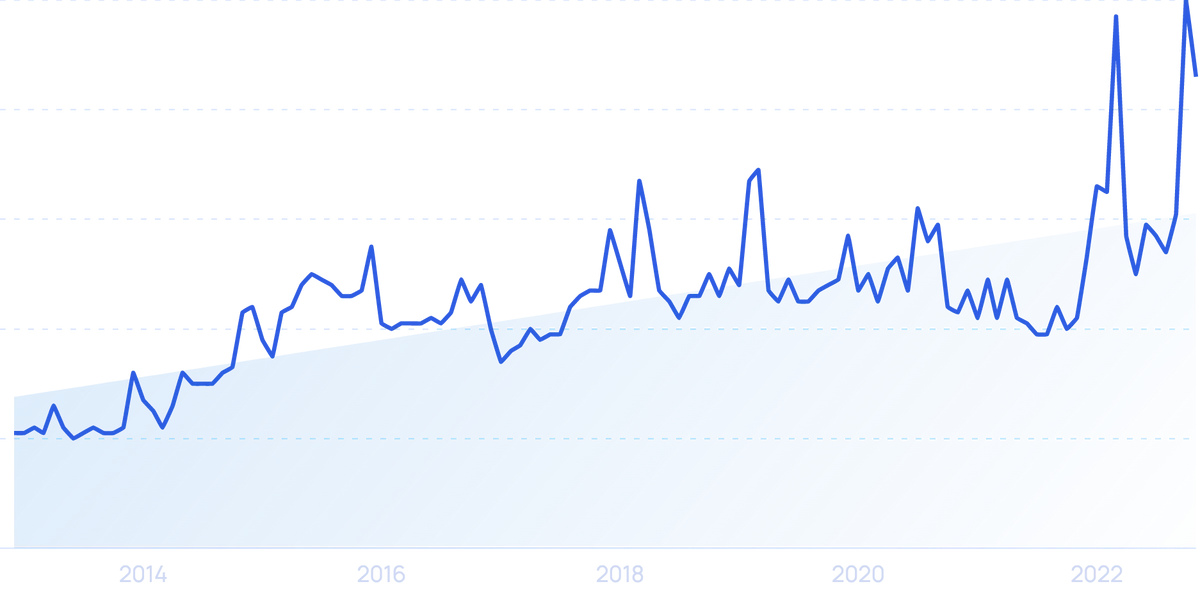
Online searches for “AI stock trading” have skyrocketed, increasing by over 2,400% in the last five years.
Basic AI models have been present for over a decade. The first robo-advisor, Betterment, launched in 2008.
Many robo-advisors currently rely on automation to build passive investment portfolios based on established financial theories.
However, a more sophisticated generation of tools is emerging.
Advanced robo-advisor platforms can simulate diverse economic scenarios and suggest optimal investment approaches under those conditions.

AI has a broad range of potential applications in the finance field.
Other AI-driven trading tools can develop fresh trading strategies in mere milliseconds.
JPMorgan Chase is a significant investor in AI technologies.
They are in the process of creating IndexGPT, an AI-powered platform to help users make investment choices tailored to their unique requirements.
The company has applied for a trademark for this innovative service, and projections indicate it could be available within the next three years.
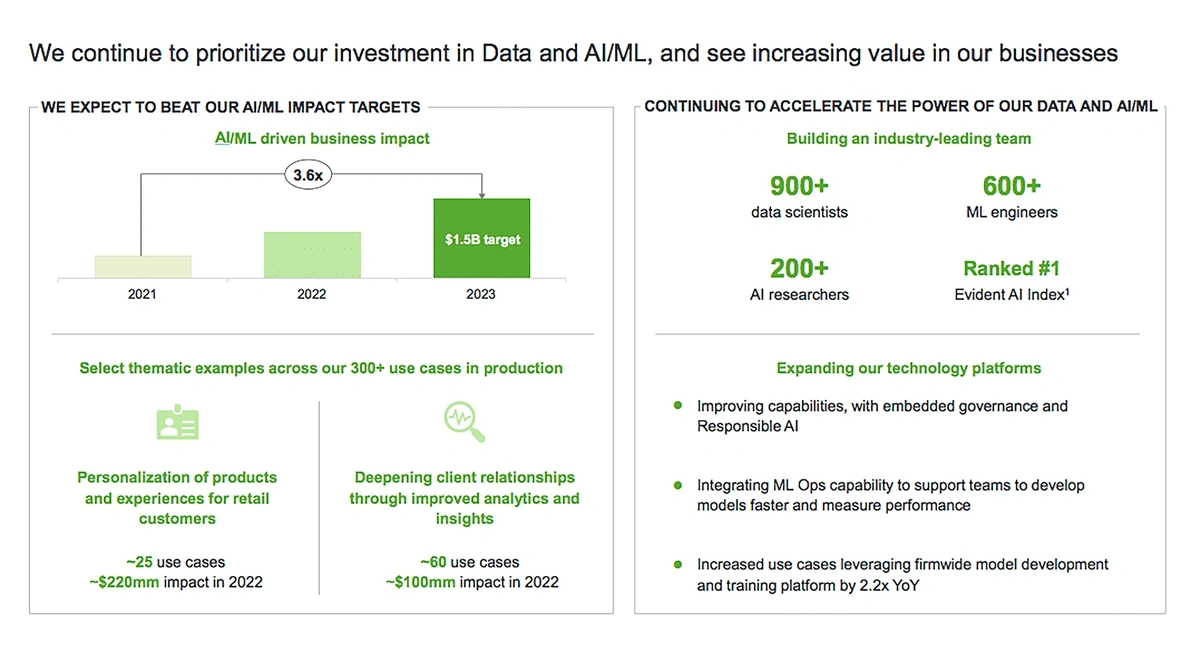
JPMorgan Chase has actively integrated AI in recent years and anticipates significant financial gains from this technology in the current year.
As robo-advisor technology has grown more sophisticated, acceptance has increased.
Projections estimate that robo-advisor managed assets will exceed $1.8 trillion by 2024. Continuing growth is projected at a near 8% CAGR through 2027, reaching $2.27 trillion by that year.
The desire for investment advice powered by AI is also growing.
A 2023 Capgemini study found that more than 50% of consumers have confidence in the guidance offered by generative AI for financial planning.
According to a Certified Financial Planner Board of Standards poll, approximately a third of investors are open to using AI as their advisor, feeling comfortable taking advice from it without consulting a second opinion.
Over half of the surveyed population would feel at ease with an AI advisor if they could verify its recommendations.
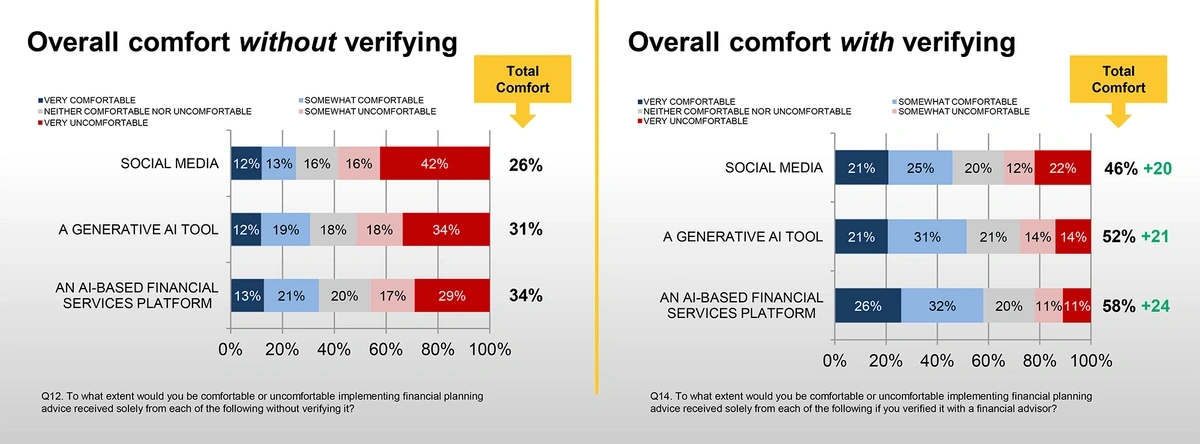
User comfort levels with AI advisors rise when the advice provided can be validated.
2. Quant Funds Demonstrate Strong Returns
One prominent investment application of AI is in the area of quantitative (quant) funds.
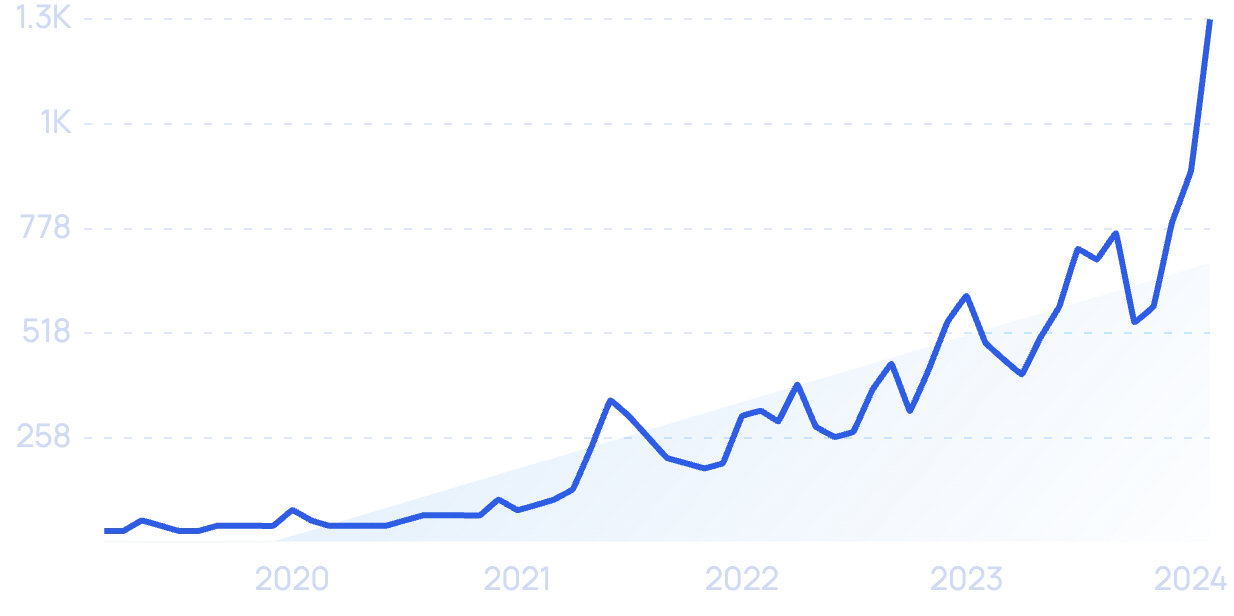
Interest in “quant funds” has exploded, rising over 4,900% since 2019.
In contrast to investments guided by fund managers, quant funds are entirely managed by software algorithms and quantitative data.
Increasingly, these algorithms are fueled by AI.
Quant assets account for about 29% of the overall hedge fund market in the U.S.
This translates to over $1.13 trillion as of March 2023.
The year 2022 was notably successful for quant funds.
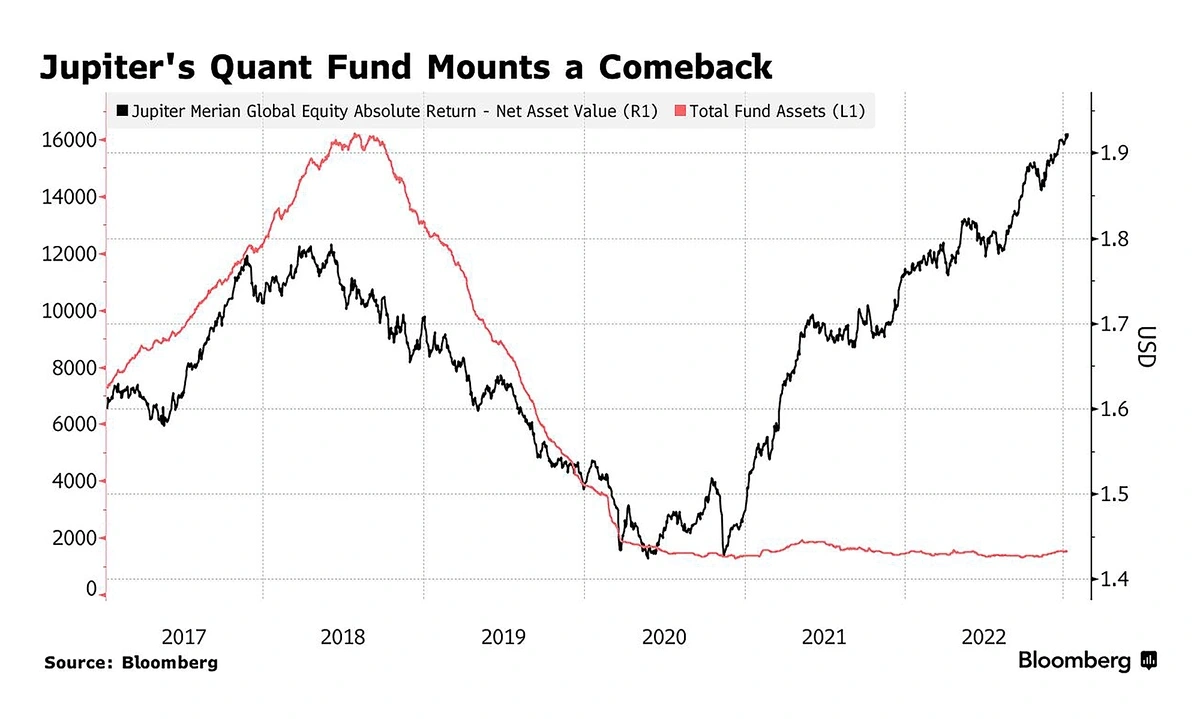
The Jupiter Quant Fund’s performance has been steadily improving since late 2020.
D.E. Shaw, a leading quant fund in the United States, surpassed the industry averages and recorded a gain close to 25%.
Additionally, the Wall Street Journal acknowledged quant funds for contributing to stock market stability during the uncertain periods of 2023.
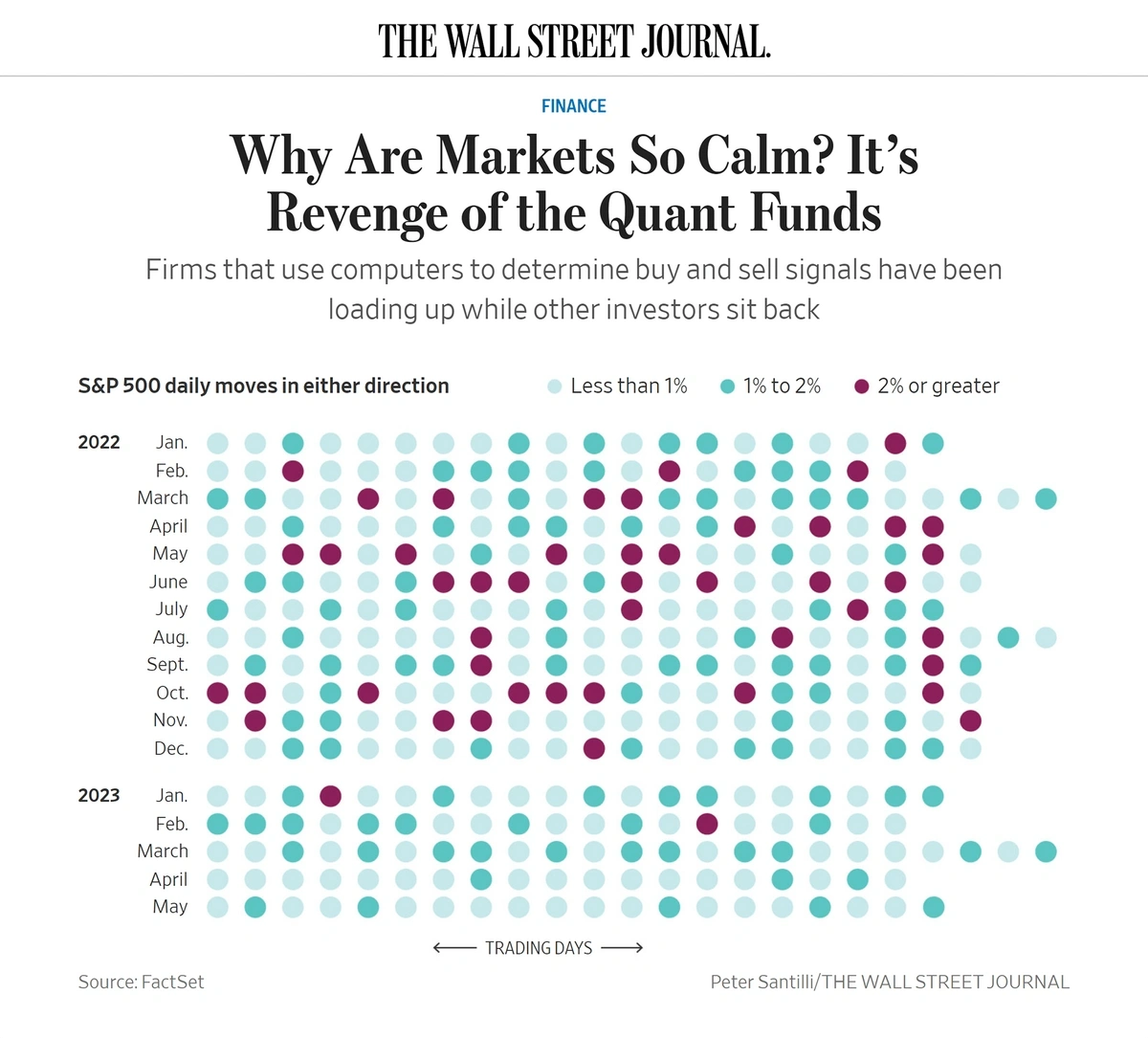
The Wall Street Journal has highlighted the significance of quant funds in the financial market.
Renaissance Technologies, managing $82 billion in assets, has reported a 22.8% return year-to-date in 2023.
Morgan Stanley attributes the success of quant funds to their reliance on historical data and patterns in investment decision-making.
The current market environment, characterized by monetary policy changes, fluctuating interest rates, and broader macroeconomic factors, supports the investment strategies employed by quant funds.
3. The Growing Importance of ESG Investing
Environmental, Social, and Governance (ESG) investing has gained considerable traction within the financial industry in recent years.
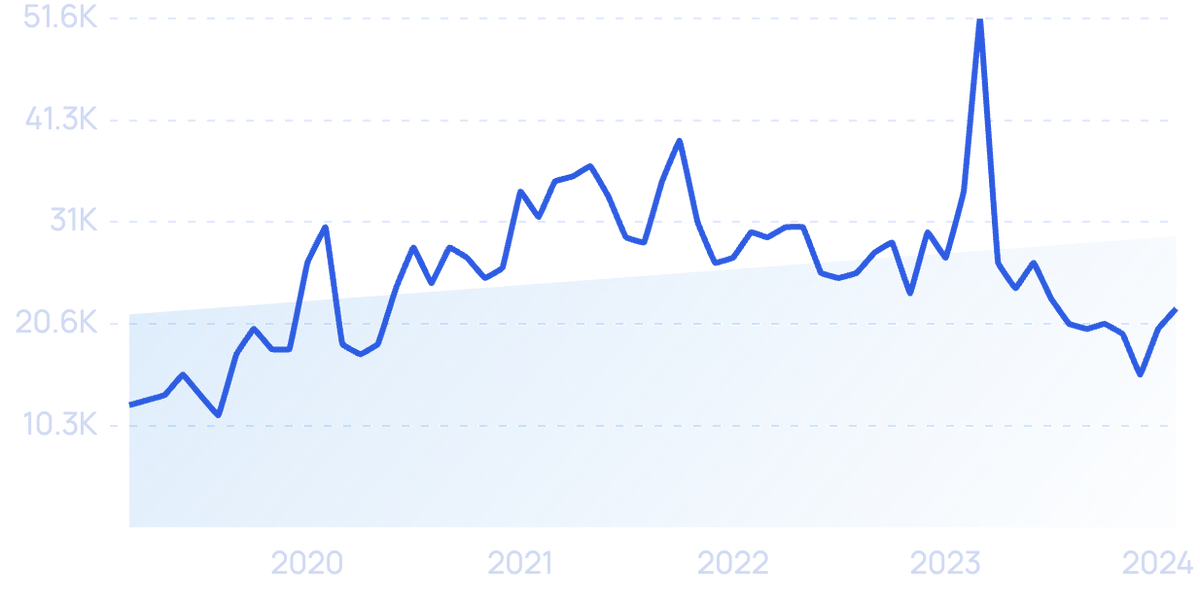
Interest in “ESG investing” has been on the rise.
Morningstar reported that nearly 70% of asset owners view ESG factors as increasingly relevant over the last five years.
This sentiment is validated by the data.
In 2021, U.S. ESG funds managed $4.5 trillion in assets, with projections indicating a rise to $10.5 trillion by 2026.
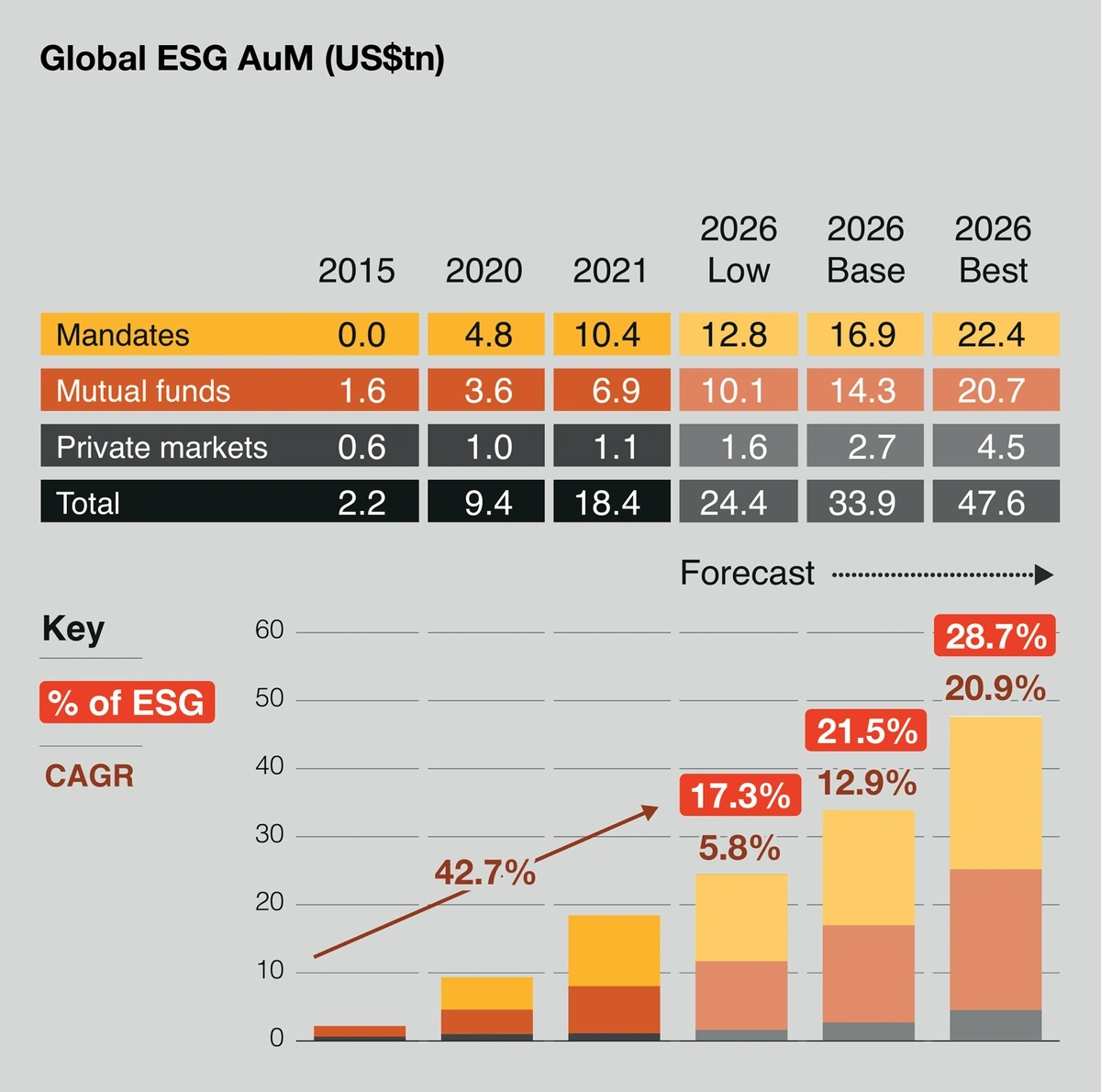
PwC estimates that by 2026, ESG assets will constitute one-fifth of all assets.
Information from 2022 shows Europe leading the way in ESG investment growth.
The United States accounts for approximately 11% of all ESG fund assets, while Europe manages 83% of them.
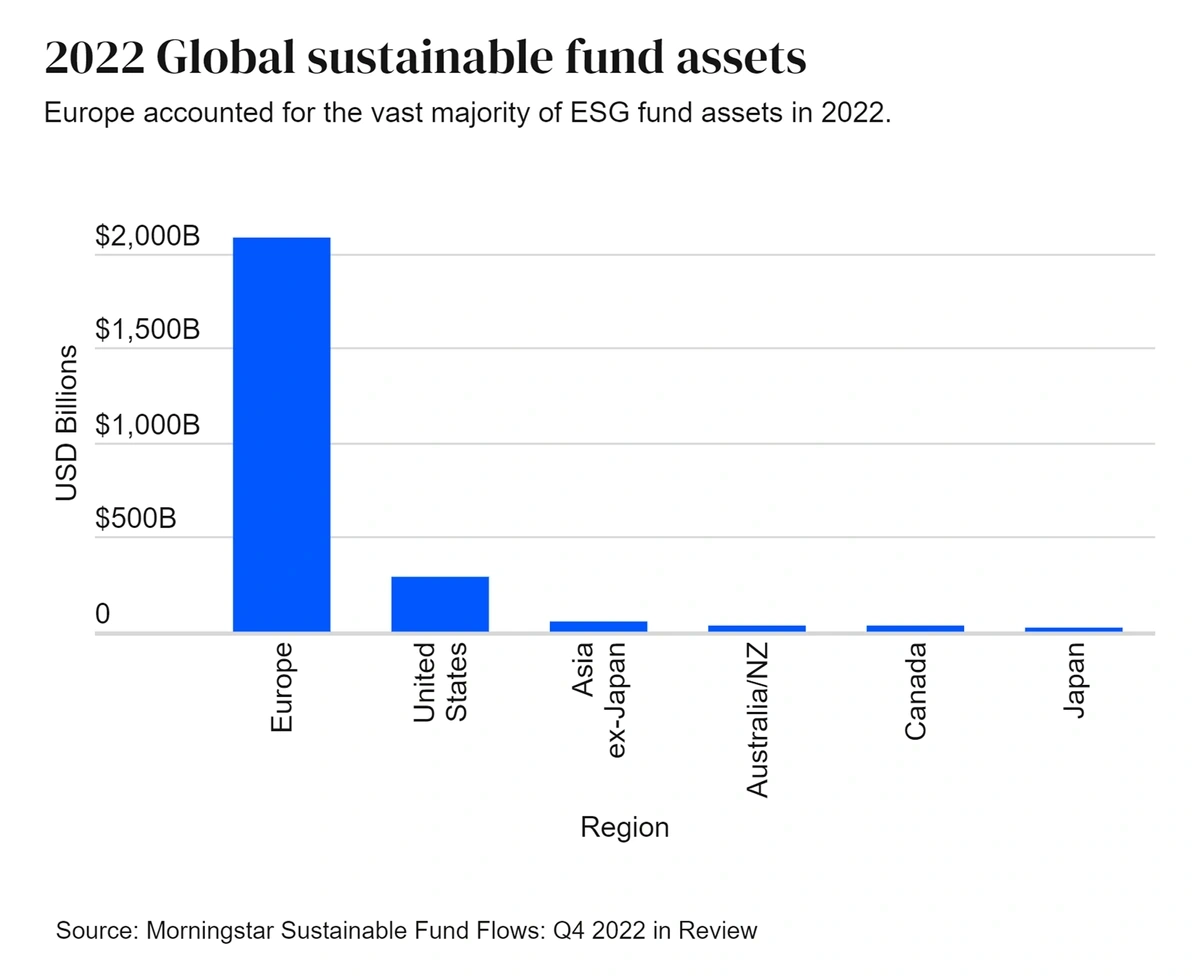
Europe holds the largest share of global ESG assets.
Research suggests that ESG portfolios have generally delivered superior returns in the last five years.
These returns have been most significant in Europe, where ESG portfolios provided an annual excess return of 1.59%.
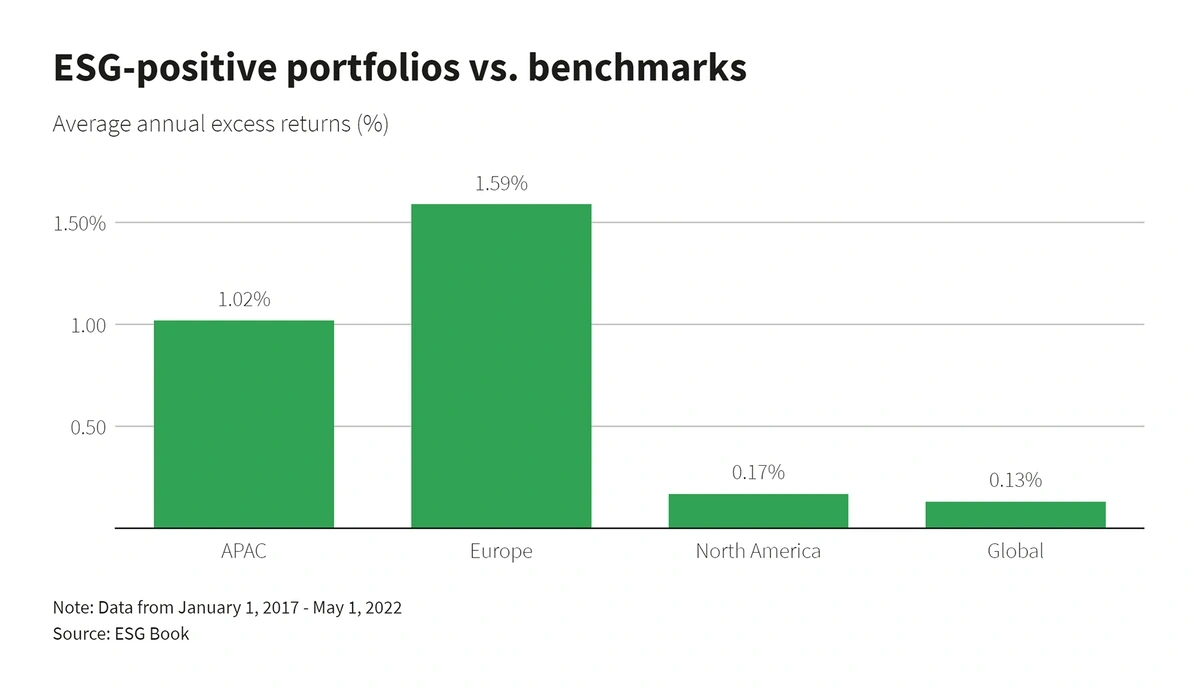
On a global scale, ESG portfolios produced 0.13% better returns compared to benchmark portfolios.
ESG fund performance continued to climb in the first half of 2023.
Morgan Stanley reported sustainable funds posted a median return near 7% versus 3.8% from traditional funds.
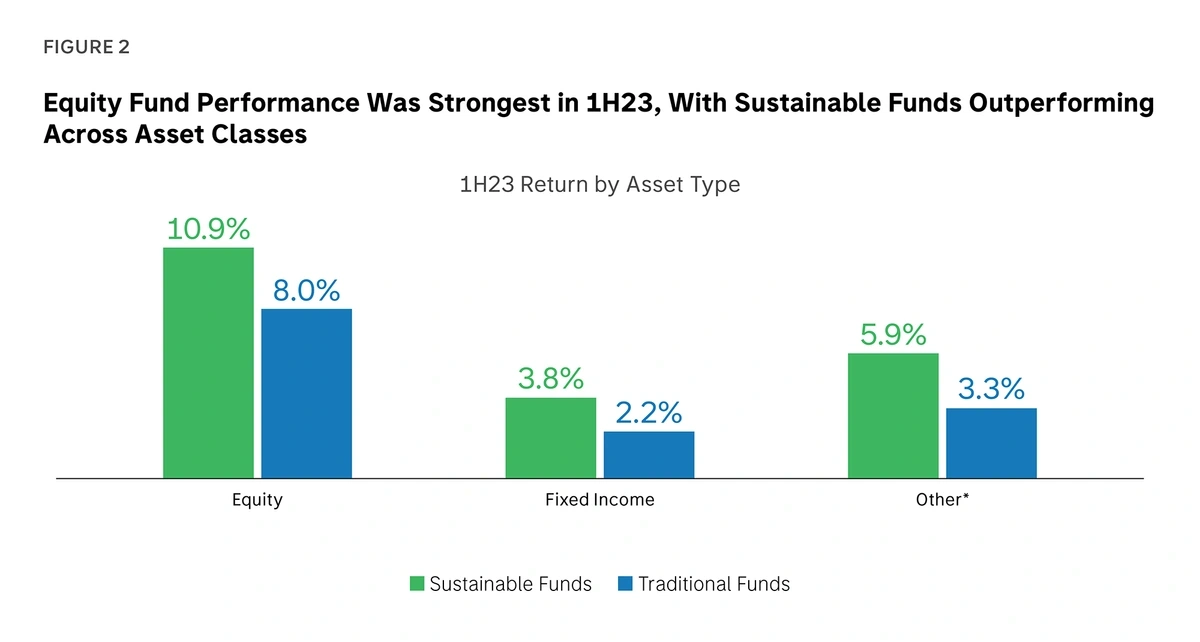
Across all sustainable asset categories, positive performance was recorded.
Much of the growth in this sector can be attributed to the emergence of new ESG-focused ETFs.
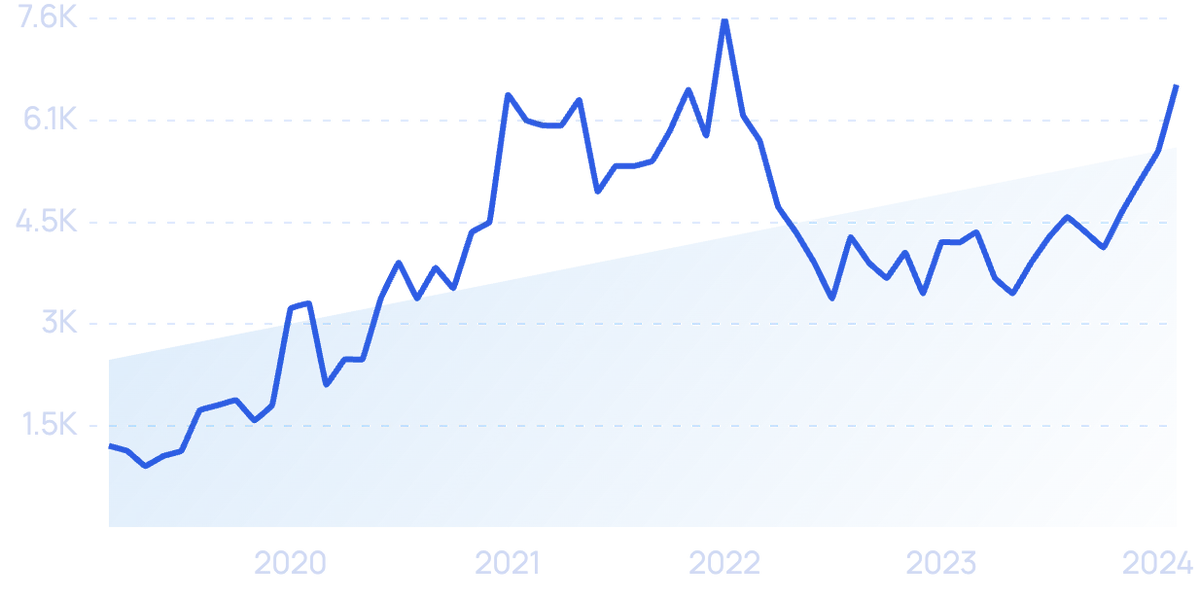
Searches for “ESG ETF” have grown more than 444% in the past five years.
ESG ETFs managed assets exceeding $97 billion at the end of 2022.
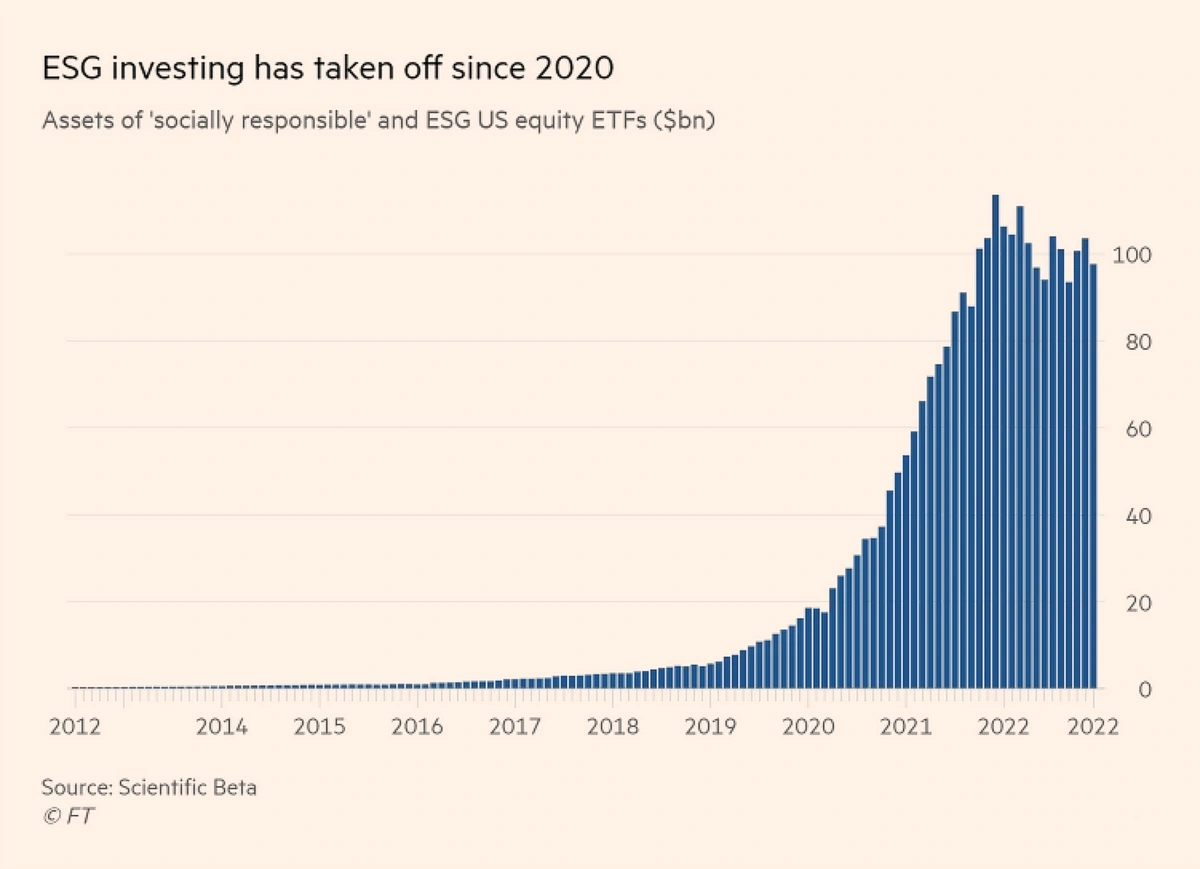
ESG ETFs experienced significant growth in 2022.
As of mid-2023, the United States hosted over 295 sustainable ETFs, a number that is continually in flux.
As demand cools from its 2021 peak, some firms are closing certain ETFs and launching new ones.
For example, BlackRock recently shut down two sustainable ETFs with combined assets of $55 million, while simultaneously introducing two new ETFs with $9 million in assets.
4. Copy Trading’s Appeal, Fueled by Gen Z
The concept of social trading and copy trading entered the spotlight in 2020, coinciding with the GameStop stock surge driven by coordinated online buying.
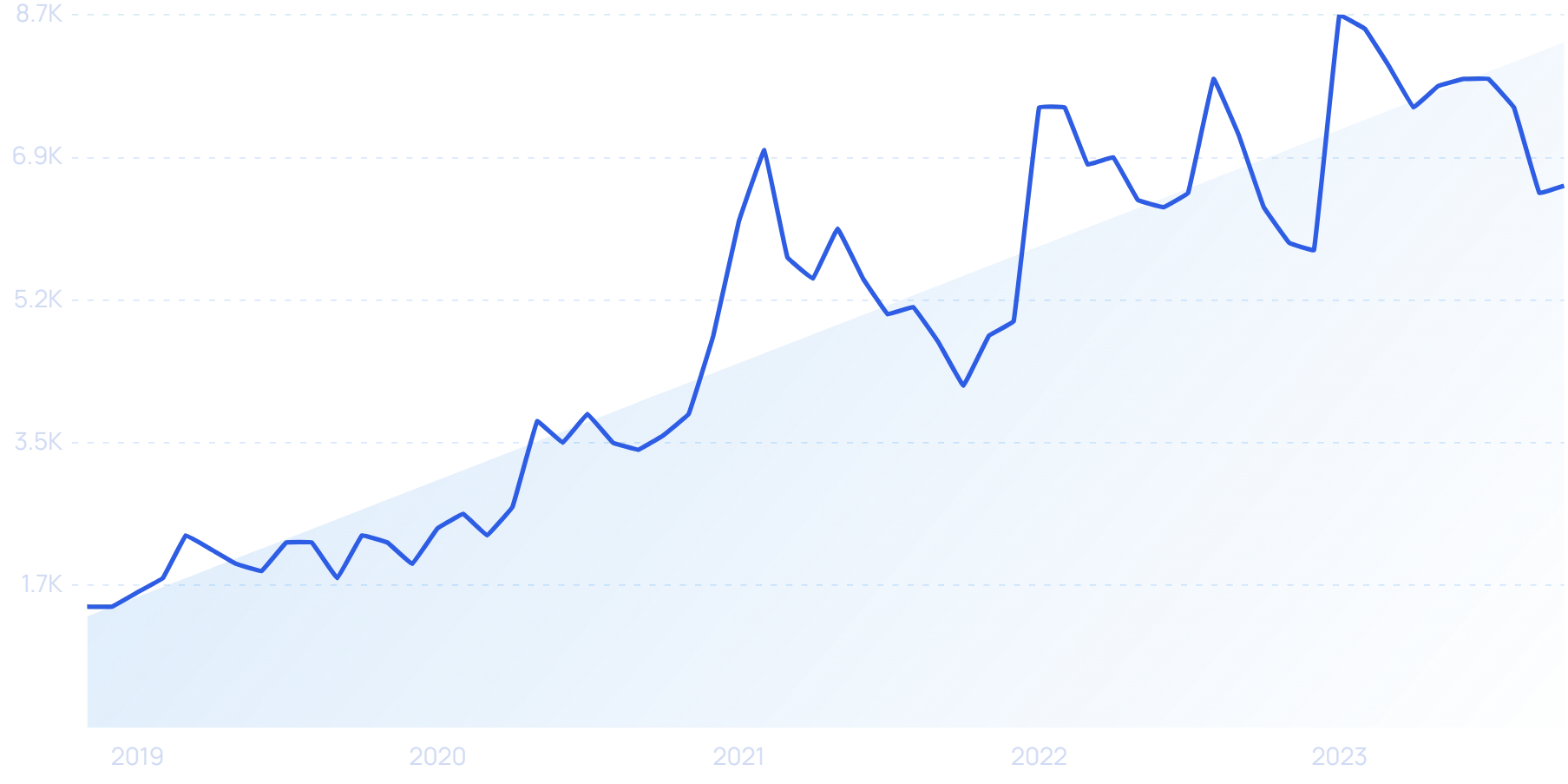
Searches for “copy trading” have grown by more than 288% over the past five years.
Copy trading allows individuals to replicate the trading activity of experienced investors. While this is typically done automatically using a specialized platform, the concept itself is also prominent on social media platforms like Reddit.
Retail trading saw a dip in 2021, but surged to new heights as a percentage of overall market value early in 2023.
During the GameStop frenzy retail participation reached 22%, and subsequently peaked at 23% in January 2023.
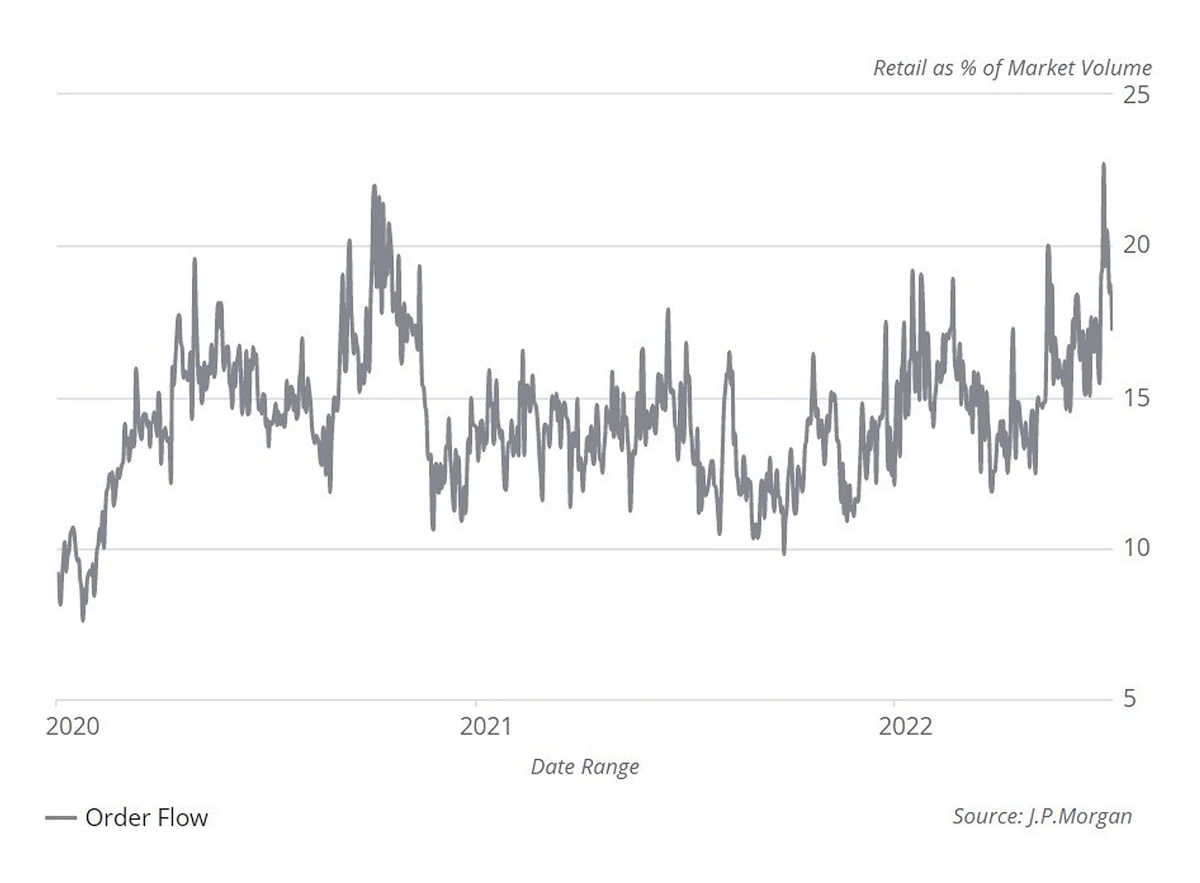
Notable spikes in retail trading activity were observed in late 2020 and early 2023.
By mid-2023, retail trading accounted for $1.36 billion per day.
The most recent surge demonstrates the continuing popularity of social trading.
For instance, when Ryan Cohen, an influential activist investor involved in the GameStop phenomenon, acquired a significant stake in Nordstrom in early 2023, Nordstrom’s stock jumped by nearly 30% following attention from online investor communities.
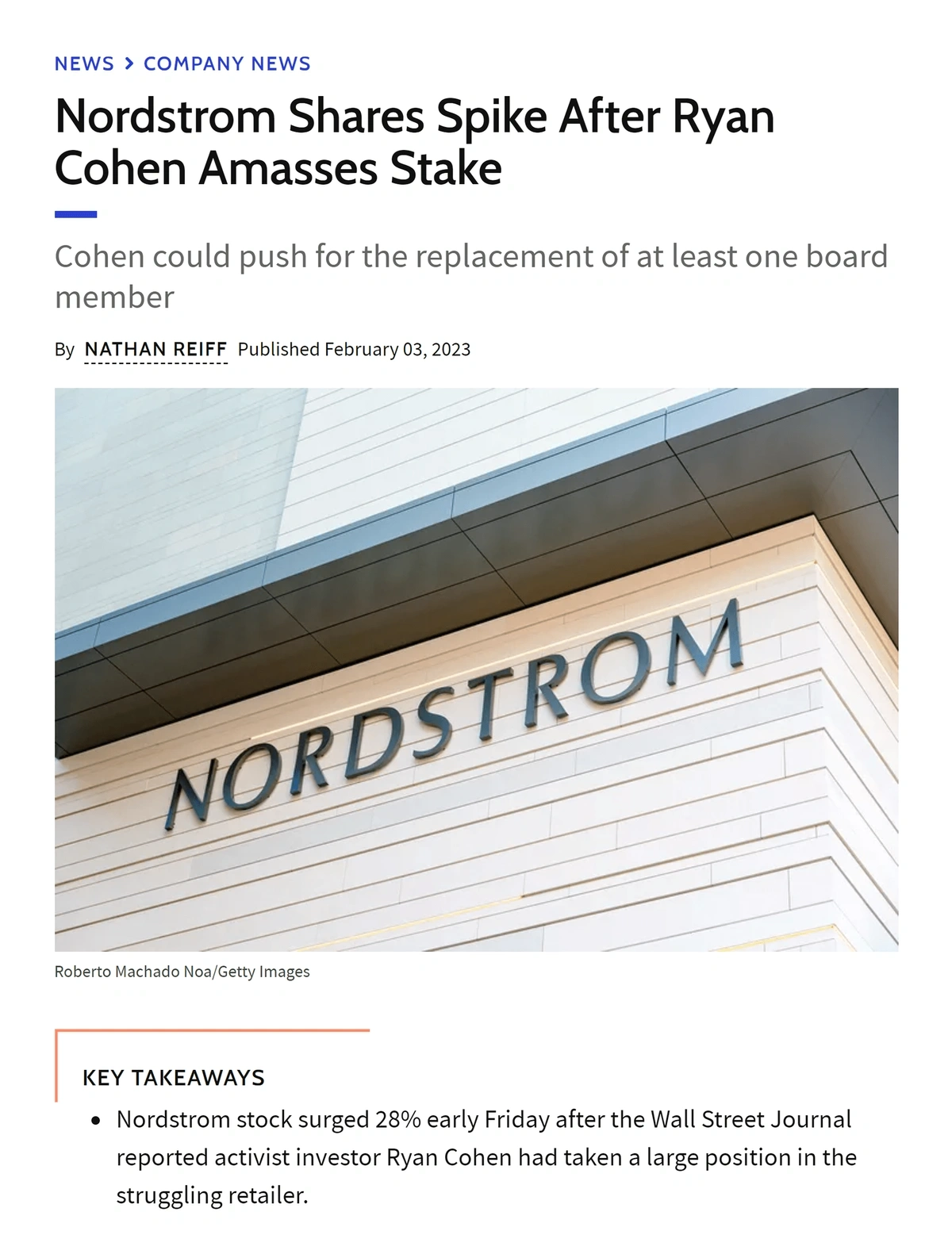
Ryan Cohen’s investments frequently spark copy trading activity.
Gen Z is a major driver of retail and copy trading growth.
According to FINRA, more than 40% of Gen Z individuals currently invest in stocks, compared to 38% of Millennials.
Furthermore, they began investing at a young age – before turning 18.
FINRA data indicates that Gen Z primarily relies on social media and internet searches for investment information.
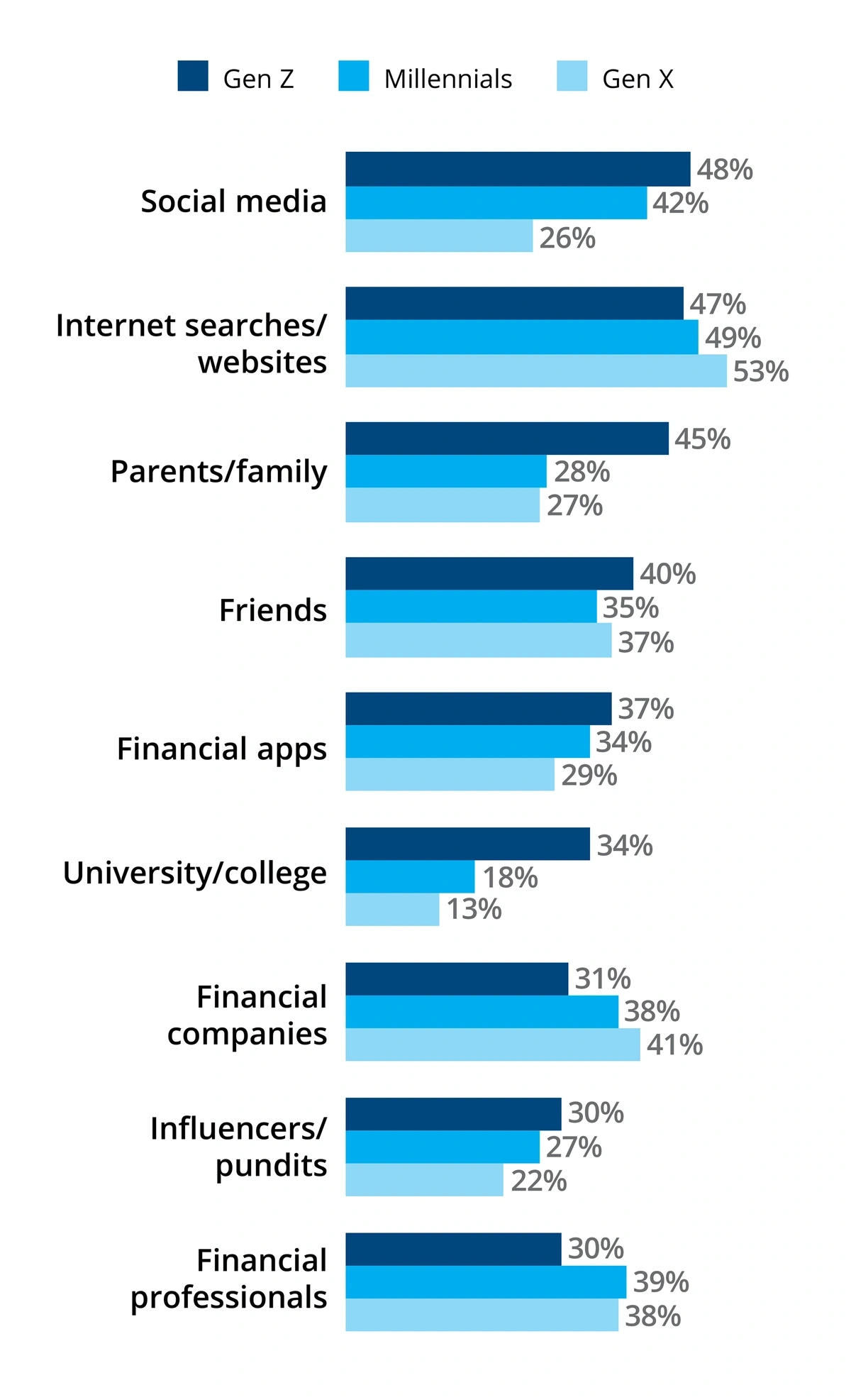
Around half of Gen Z learns about investing through social media.
YouTube is the top resource, used by 60% of Gen Z individuals to learn about financial investing. Instagram is used by nearly 45%, and TikTok by 37%.
C3.ai (2.6 million views on TikTok), Tupperware (4.6 million views on TikTok), and Blackberry (647 million views on TikTok) were among the most popular meme stocks of 2023.
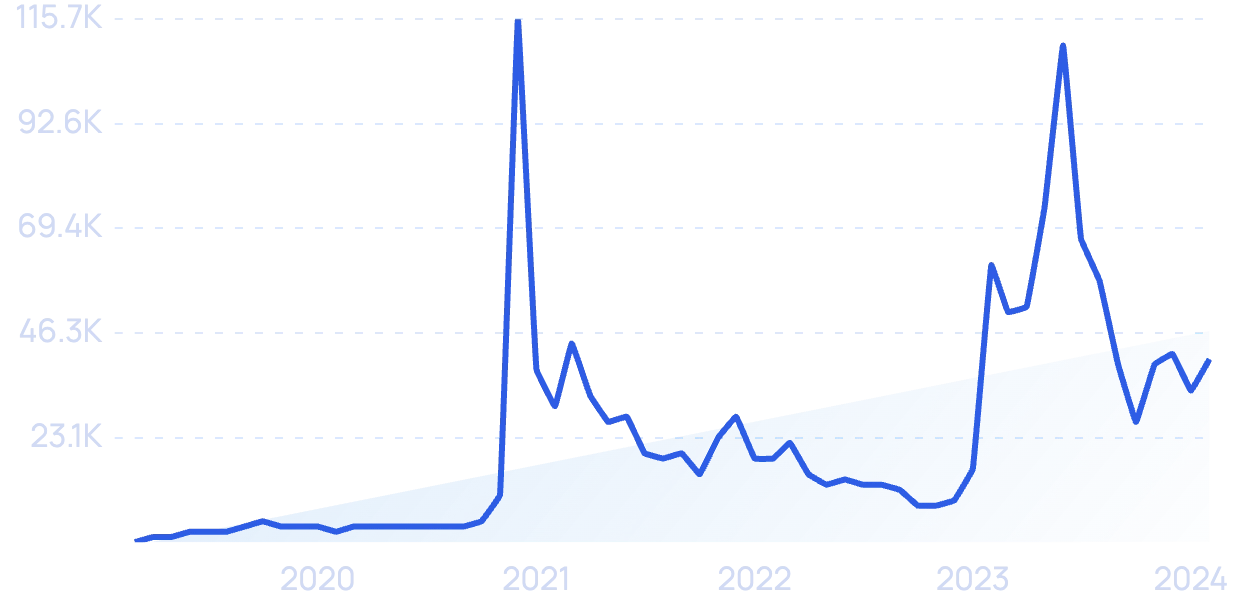
Searches for “C3.ai” saw significant increases in 2021 and 2023.
5. Alternative Investments Gain Traction, Leading to Portfolio Diversification
A recent survey from The Journal of Financial Planning revealed that almost 30% of investment professionals are actively exploring or already using alternative investments for their clients.
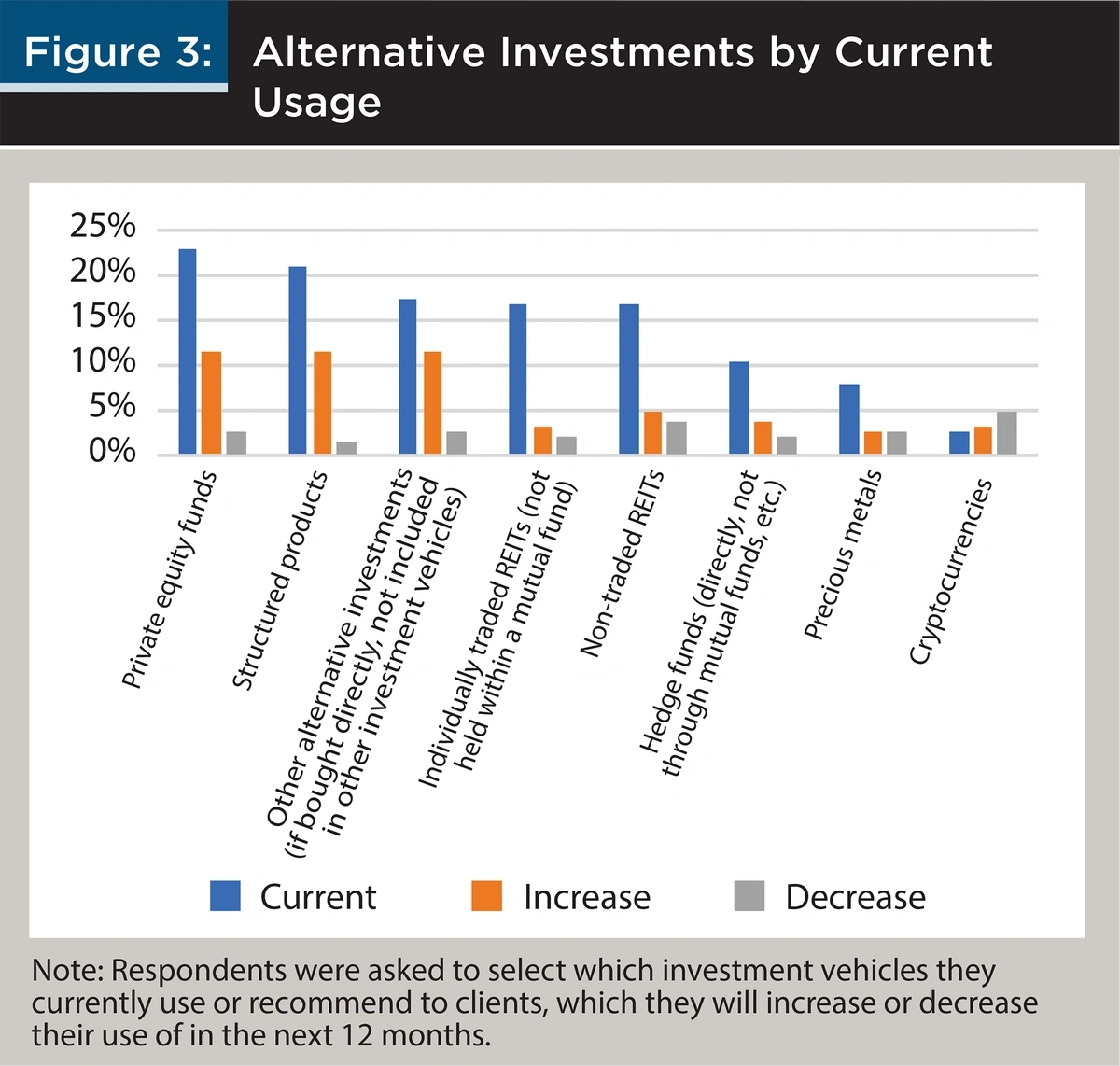
There is growing interest in alternative investments.
The surge in alternative investments coincides with challenges faced by the traditional 60/40 stock-bond portfolio.
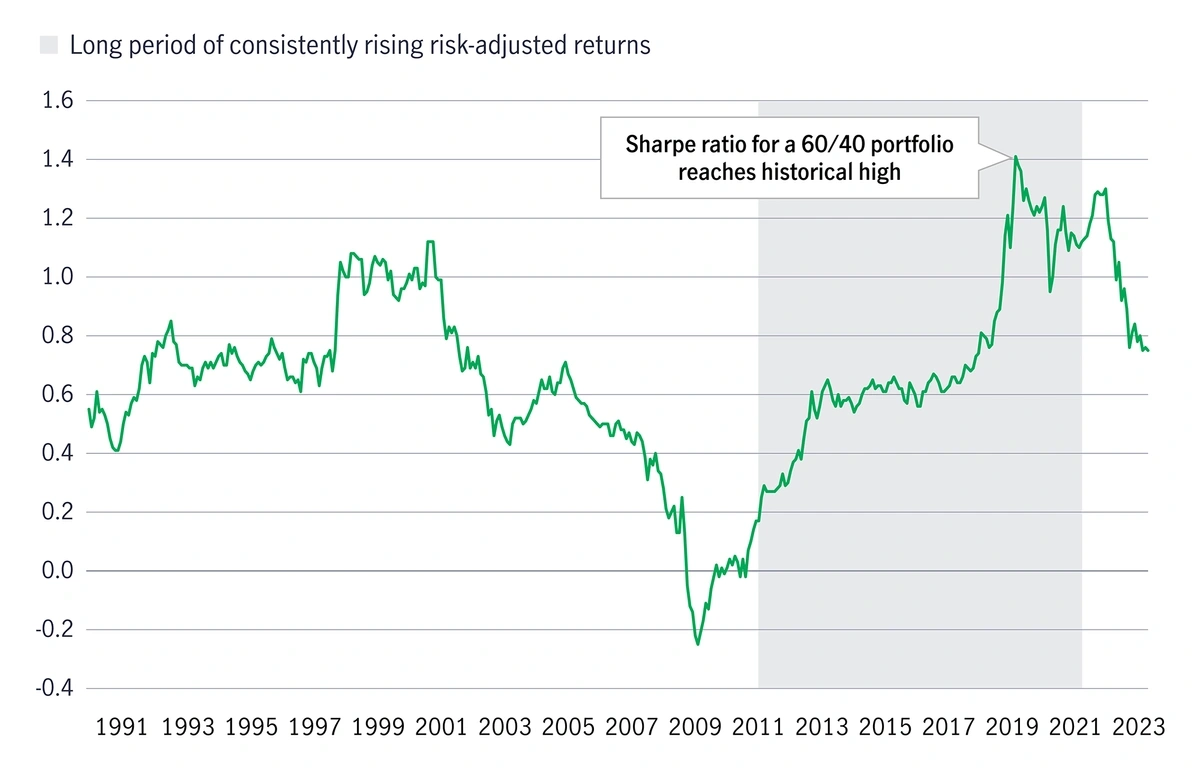
The 60/40 portfolio achieved its highest returns in over 40 years in 2019.
Private equity and private debt have emerged as appealing investments, offering the potential for reduced volatility and strong cash yields.
It is projected that private capital investments will grow to $1.3 trillion by 2027.
Gold, an alternative investment, often gains popularity during periods of economic uncertainty.
Investments in both physical gold bars and gold IRAs are on the rise.
A Gallup poll revealed that the percentage of individuals who believe gold is the best long-term investment nearly doubled from 15% to 26% between 2022 and 2023.
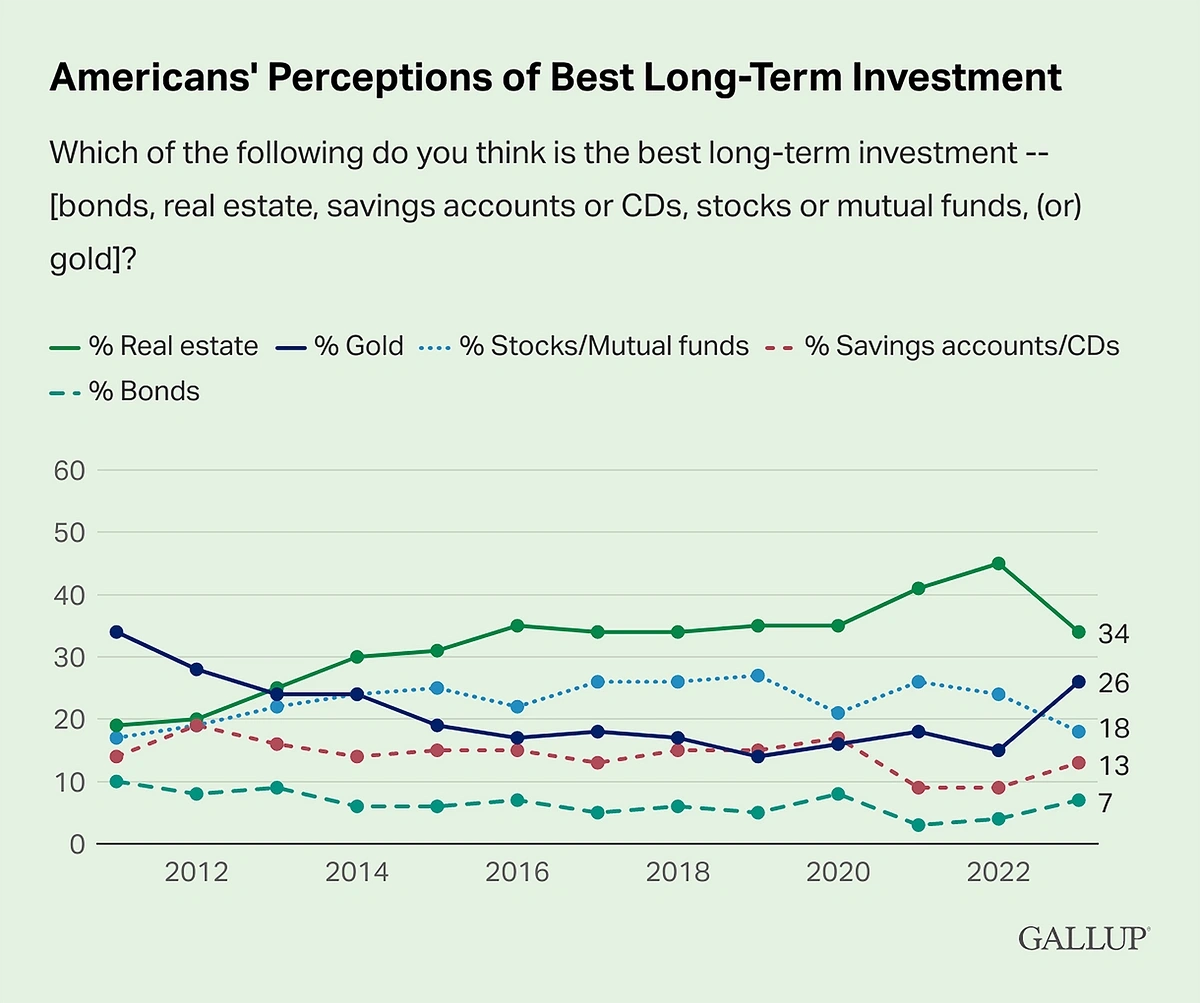
Gallup’s poll summarized American’s opinions on the best long-term investments.
As of August 2023, gold prices were up 8% for the year, with analysts forecasting a trading range between $1,850 and $1,970 for the rest of the year.
Art investment has also emerged as an option for portfolio diversification.
Masterworks pioneered fractional art investing, and numerous new platforms have since emerged.
The Freeport app is one such example.
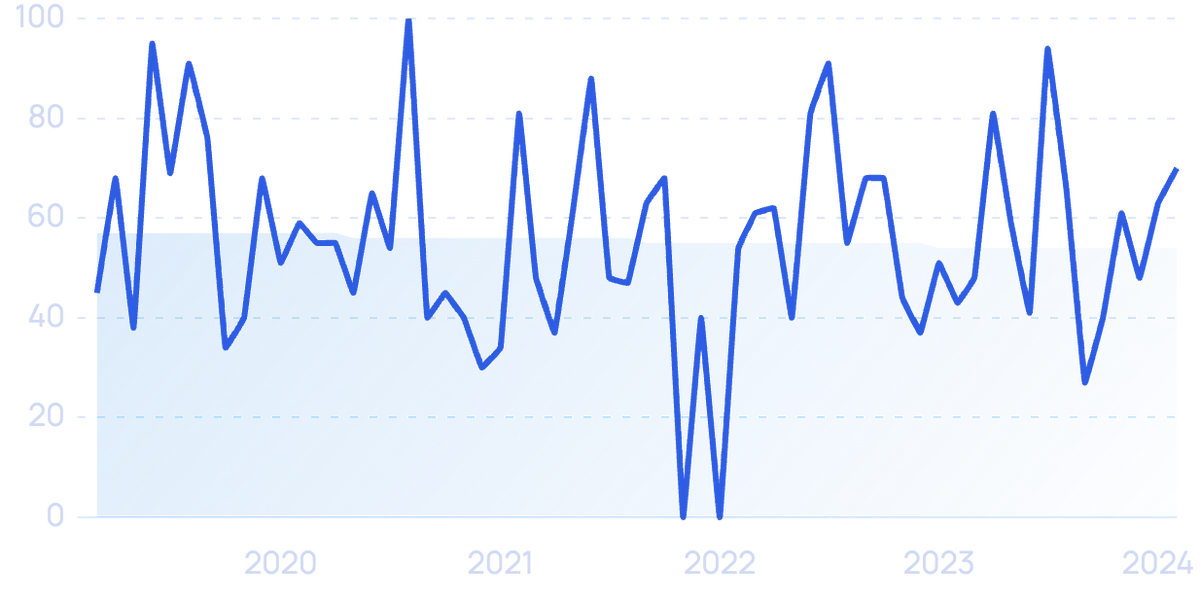
Interest in the “Freeport App” has grown in recent years.
The platform allows individuals to purchase shares of artwork, offering trading or payouts upon sale.
Data provided by the company suggests 8.9% annualized returns and performance that’s 40.4% better than returns from the S&P 500.
Data indicates the growing popularity of alternative investments is a trend driven by young investors.
When considering all Americans, just 8% invest in alternative assets.
In contrast, 30% of Gen Z and 26% of Millennials are knowledgeable about or already involved in alternative assets.
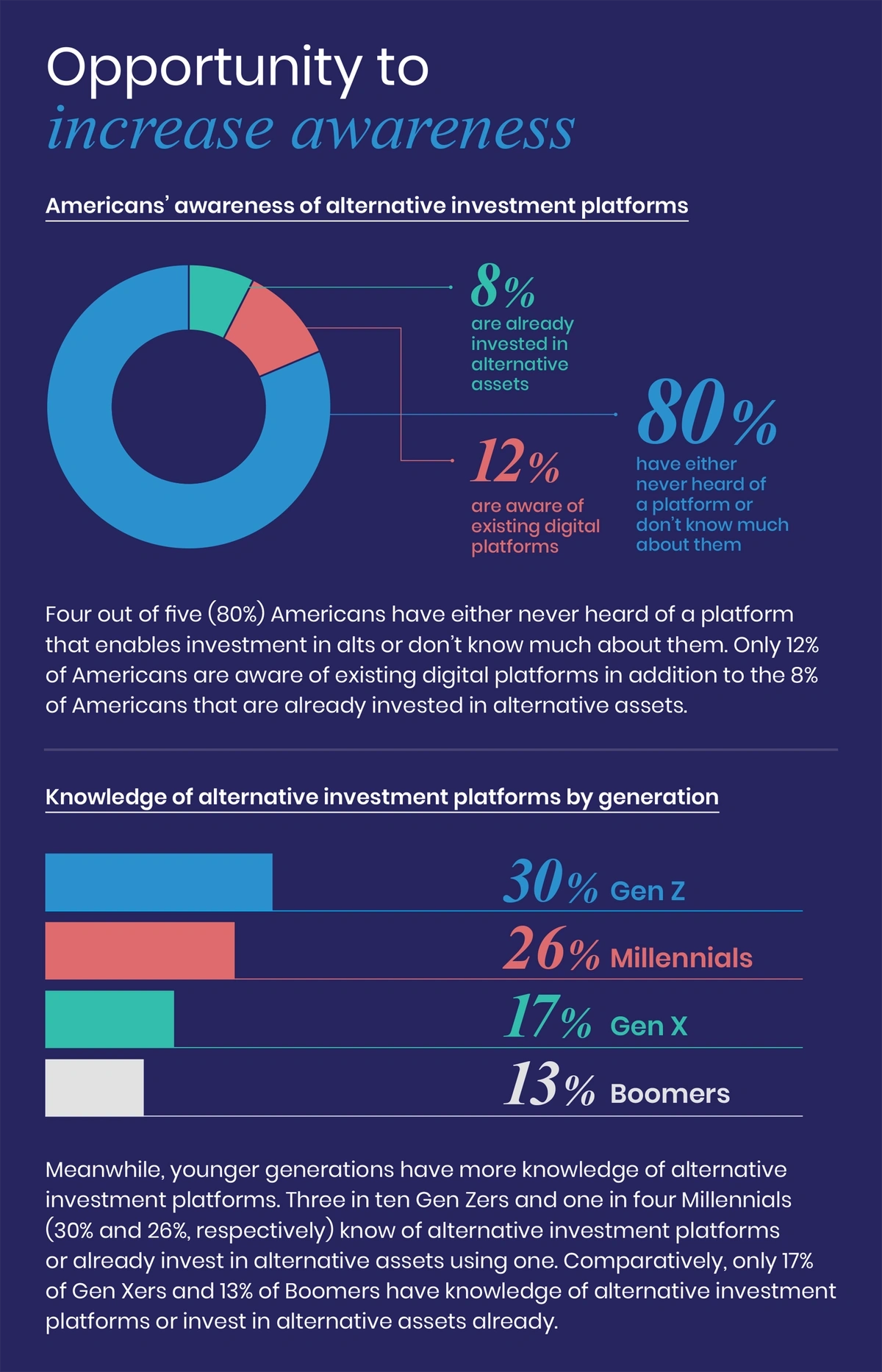
Alternative investments are particularly appealing to younger generations.
PwC estimates that the AUM of alternative asset classes will reach more than $21 trillion by 2025, representing 15% of the global AUM.
This growth is particularly pronounced among high-net-worth individuals.
Nasdaq reports that billionaires currently have approximately 51%-54% of their assets allocated to alternatives.
6. Revolutionizing Real Estate Investments
Rising prices and interest rates have made some wary of investments in commercial real estate and residential homes.
However, fractional real estate investment is experiencing growth.
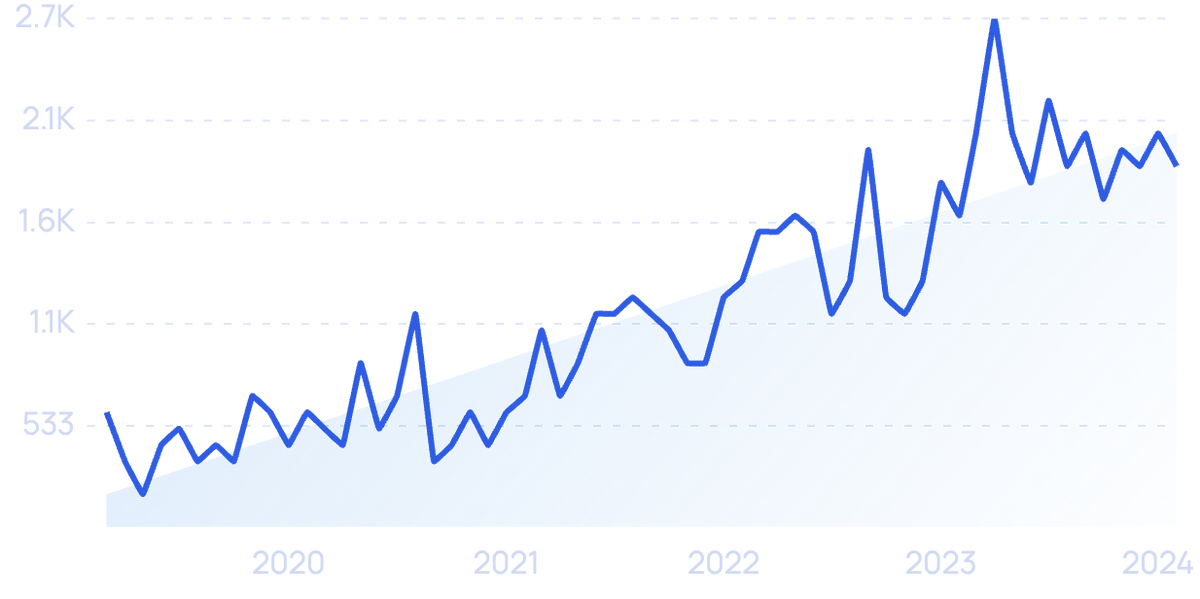
Search interest in “fractional real estate” has risen by over 214% in recent years.
This investment method involves purchasing shares of a property, representing a significantly lower price compared to buying the property outright.
Investors find this type of real estate investment appealing due to its liquidity, potential for passive income, and ease of participation.
Several fractional real estate platforms have emerged in recent years.
Fundrise was the first, launched about 10 years ago.
The platform now supports over 387,000 investors and manages a portfolio worth over $7 billion, encompassing single-family homes, multi-family apartments, and industrial real estate.
Returns over the past few years have fluctuated.
While 2021 was an outstanding year with annual returns close to 23%, more recent returns have been moderate, performing well compared to REITs.
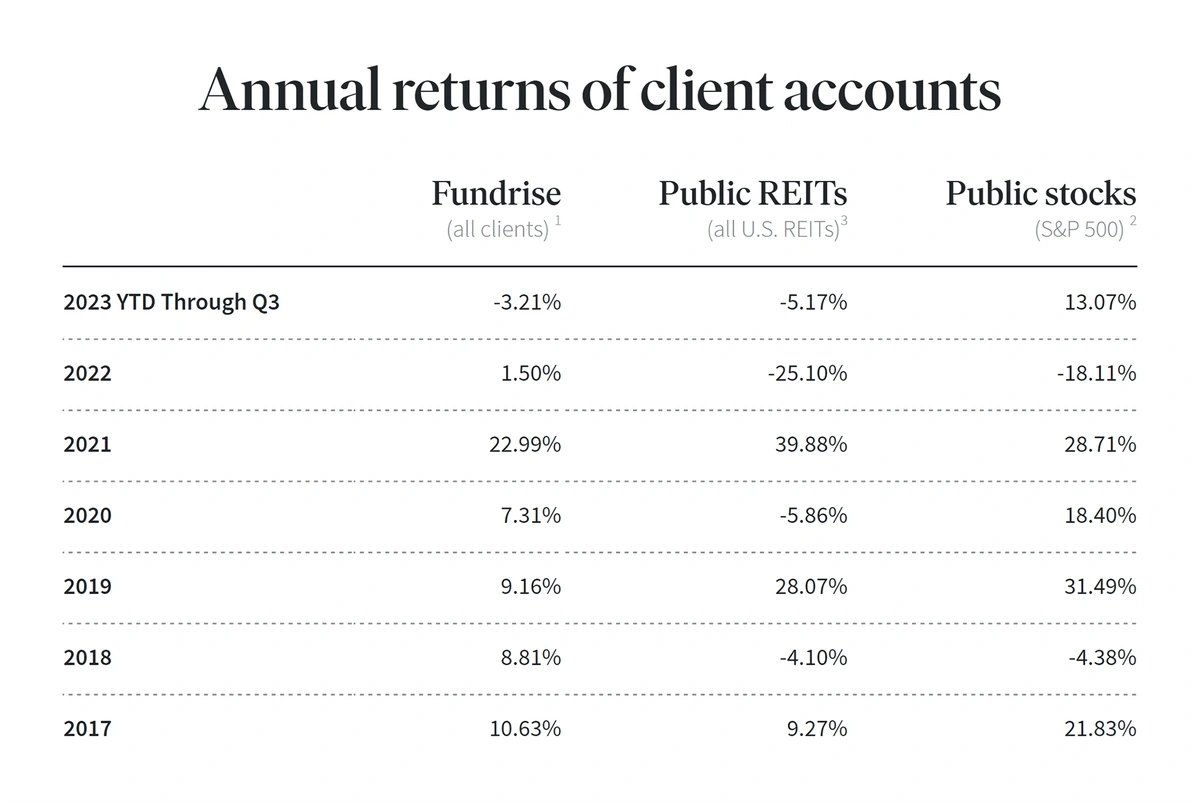
2021 was the best year for Fundrise investors.
Arrived Homes, a startup launched in 2020, specializes in fractional ownership of rental and vacation homes.
The company has secured investments from Jeff Bezos and Uber CEO Dara Khosrowshahi, as well as completing a $25 million Series A funding round in mid-2022.

This Georgia home was funded by 775 individual investors.
The investor base is expanding rapidly, already exceeding 451,000 investors.
Demand is so high that homes sell out in under 24 hours.
In 2022, Arrived distributed a total of $1.2 million in dividends to its investors.
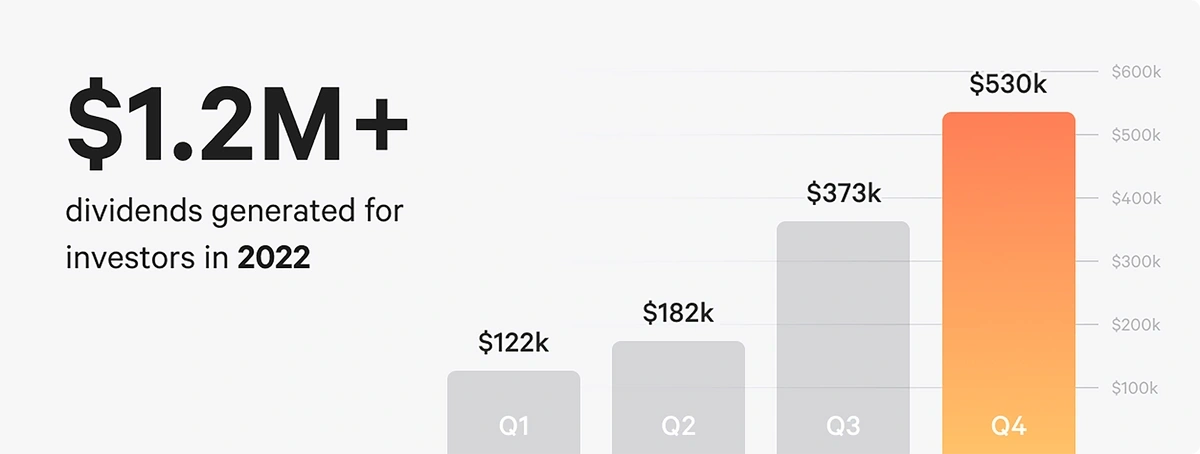
Arrived’s dividend payouts grew throughout 2022.
7. Re-Evaluating Global Market Opportunities
Ongoing economic uncertainties in the United States have spurred some investors to explore international markets.
Through mid-2023, holdings in U.S. equity mutual funds and ETFs were down $7 billion, while U.S. investments in similar non-U.S. funds rose by $56 billion.
Investors seem particularly optimistic about Asian markets.
Since 2010, Asia’s representation in the Stoxx Europe 600 has grown from 11% to 20%.
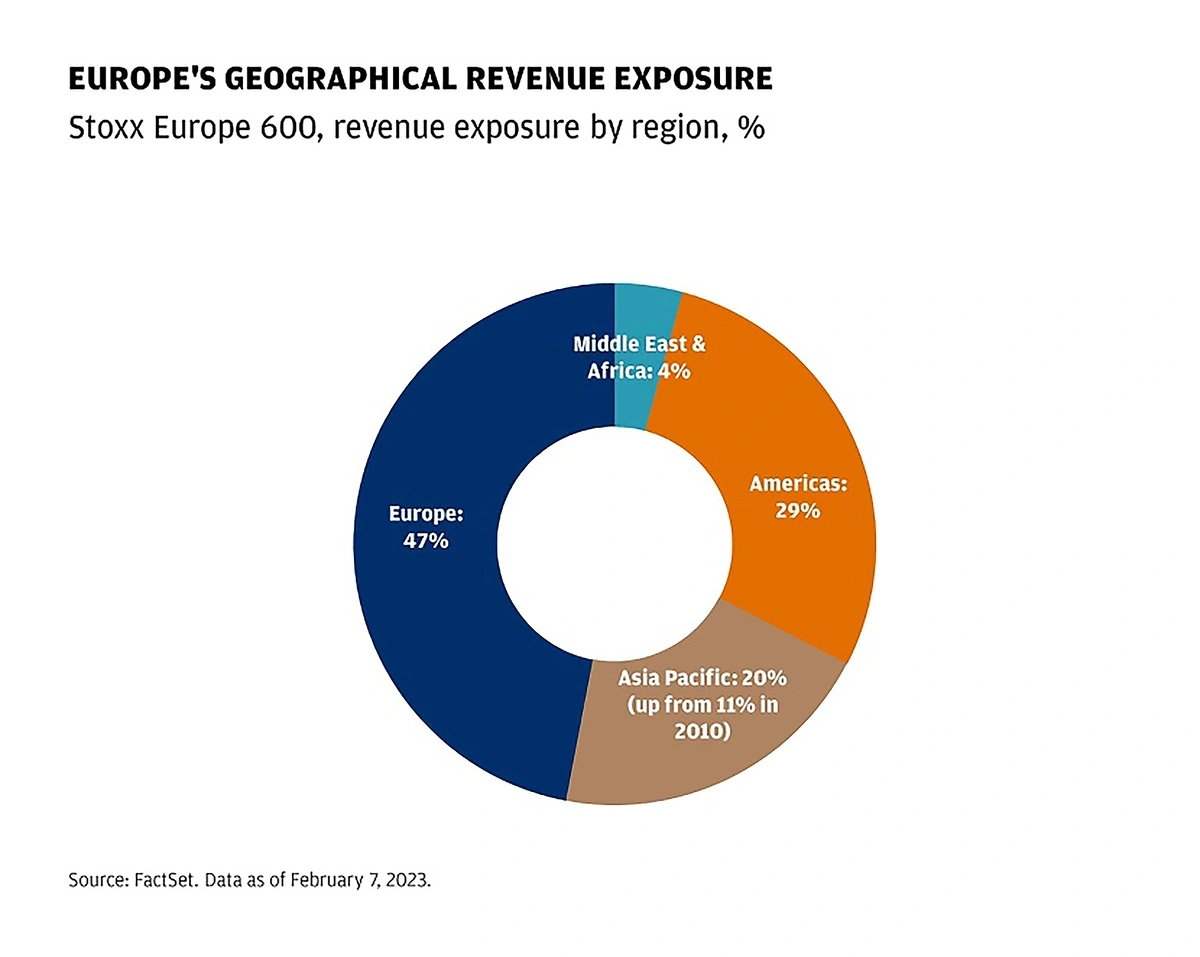
Asia has demonstrated substantial growth in the Stoxx Europe 600.
Analysts believe that inflation has peaked in Asia and foresee no further policy rate increases.
Japan’s market performance stood out in 2023.
As of mid-year, the Nikkei 225 was up almost 25% and the TOPIX was up more than 21%.
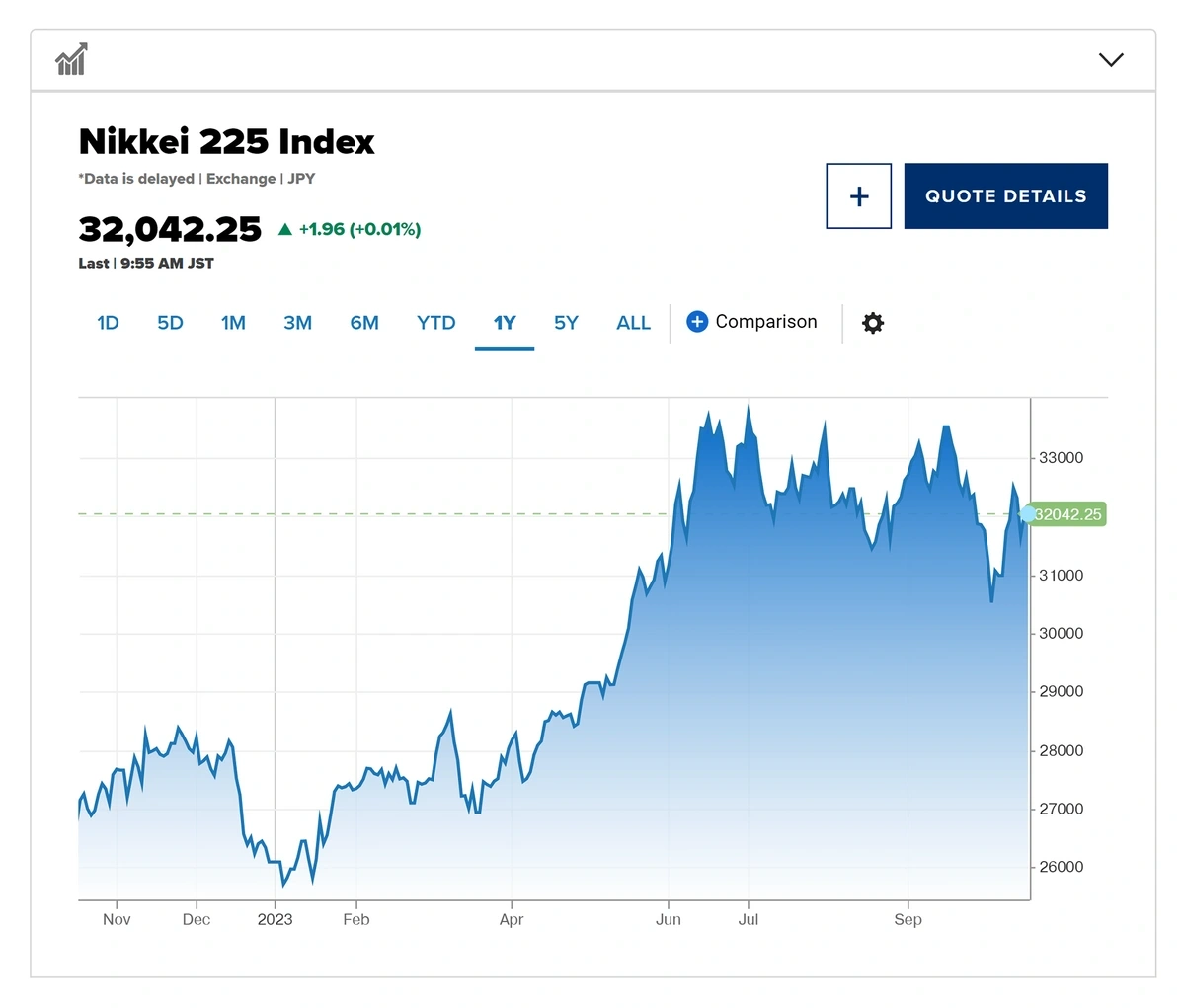
The Nikkei 225 surged in mid-2023.
In April 2023, Warren Buffett announced intentions to increase investments in Japanese stocks.
India’s stock market is also gaining attention.
The MSCI India index was up 7% year-over-year as of October 2023.
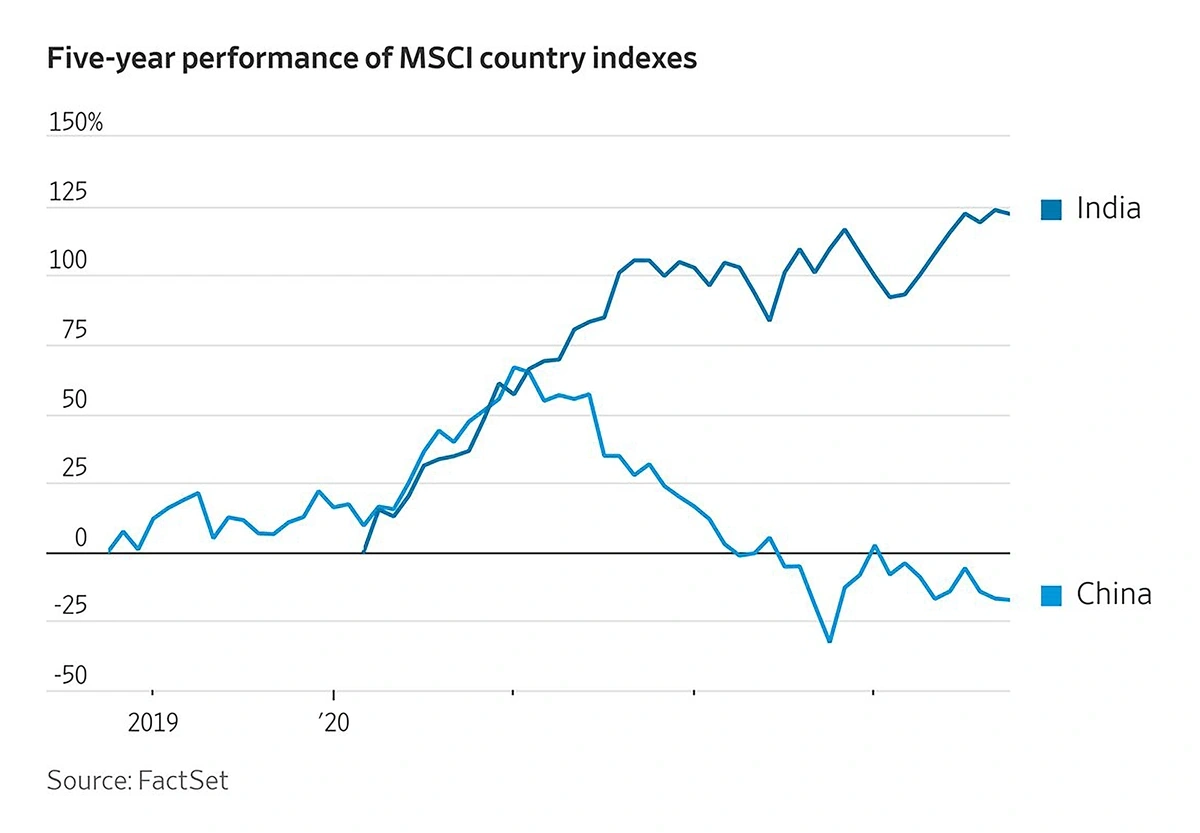
India’s MSCI index is outperforming China’s MSCI index.