
Key Highlights
- Iran’s digital currency mining now utilizes approximately 2,000 megawatts (MW) of electricity each day.
- A recent nationwide network interruption resulted in a 2,400 MW decrease in electrical demand due to the shutdown of clandestine mining operations, showcasing the considerable magnitude of this activity.
- The government has confiscated more than 240,000 mining rigs and is offering financial incentives up to $2,300 for information leading to the disruption of unauthorized mining sites.
Iran is currently grappling with frequent power disruptions during the hot summer, resulting in a substantial energy shortfall. According to Mohammad Allahdad, a senior official at Iran’s power authority, Tavanir, virtual currency mining accounts for an estimated 15% to 20% of the nation’s current electricity deficit as of July 29.
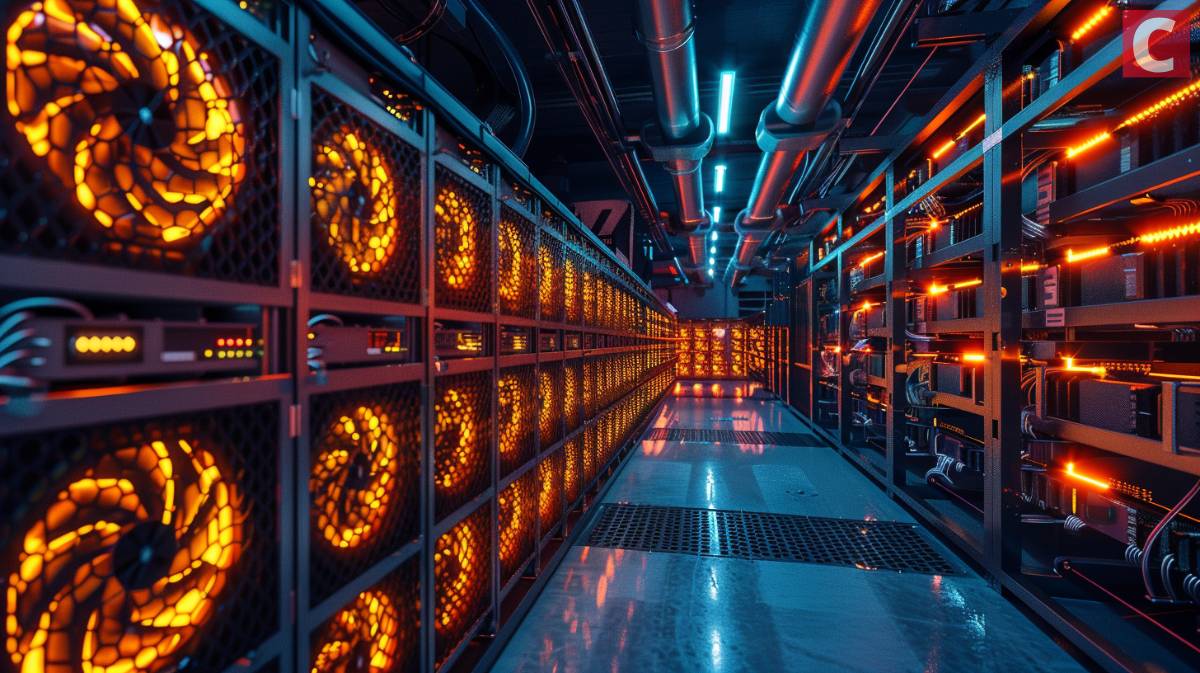
Allahdad indicated that digital currency mining activities within Iran consume roughly 2,000 MW of power, an amount comparable to the combined output of two reactors at the Bushehr Nuclear Power Plant, a key nuclear facility in the country.
While crypto mining constitutes about 5% of Iran’s total electricity usage, Allahdad described its contribution to the deficit as “noteworthy and concerning.” He cautioned that these operations pose risks of triggering voltage instability, equipment failures, and potential fires.
“Digital currency mining units generate significant amounts of heat. Our fire departments have reported numerous incidents of fires linked to these rigs, some of which have spread to nearby residential properties,” Allahdad stated.
Underground Crypto Mining Worsens Iran’s Summer Energy Shortage
The strain on Iran’s electrical grid has intensified amid record-breaking summer temperatures. Increased use of air conditioning, agricultural needs, and industrial operations have pushed overall energy demand to unprecedented levels, exceeding 70,000 MW nationally. Consequentially, blackouts and service interruptions have become more widespread, leading to greater public unrest.
“Exploiting electricity for crypto mining during peak demand is not only unlawful and unethical but also detrimental to the overall system,” Allahdad commented.
A countrywide internet blackout, which authorities linked to recent geopolitical events, inadvertently revealed the extent of unauthorized mining. During this period, electricity usage dropped by 2,400 MW. Tavanir attributed this reduction to the abrupt cessation of operation by over 900,000 illicit crypto mining devices.
Unlicensed Crypto Mining Now Deemed a National Security Threat
Authorities report that unlawful mining operations are often established in abandoned residences, vacant commercial spaces, and industrial complexes. Identifying these clandestine locations is challenging, especially within extensive industrial zones, Allahdad explained. He stressed the importance of public tips in detecting unlawful sites and highlighted Tavanir’s reward program, offering up to 200 million tomans (approximately $2,300) for actionable information.
Iran’s crackdown on crypto mining has become more stringent since the prior year. As of March, officials have confiscated over 240,000 mining devices across various regions, including Tehran, Isfahan, and Kerman.
Mostafa Rajabi Mashhadi, CEO of Tavanir, emphasized that Iran provides some of the world’s most affordable subsidized electricity. “With energy demand at record levels, we cannot disregard this issue; each illegal miner removed from the grid provides relief to our citizens,” he noted.
The statements from Tavanir executives come as the energy sector continues facing the intertwined challenges of escalating domestic energy consumption and the destabilizing effect of unapproved crypto mining. These problems were amplified following recent international tensions and cyberattacks on key infrastructure, including digital asset platforms. Such attacks and ensuing disruptions further exposed the vulnerabilities of the power infrastructure, augmenting the burden created by illicit cryptocurrency mining.
Disclaimer: Coinspeaker is dedicated to delivering impartial and transparent news coverage. This article strives to provide accurate and up-to-date information but should not be considered financial or investment advice. Given the rapidly evolving market conditions, we advise verifying information independently and seeking guidance from a qualified professional before making any decisions based on the presented content.
José Rafael Peña Gholam is a seasoned cryptocurrency journalist and editor, leveraging 9 years of industry experience. His work has been featured in prominent publications such as CriptoNoticias, BeInCrypto, and CoinDesk. Focusing on Bitcoin, blockchain technology, and Web3 developments, he delivers timely news, insightful analyses, and accessible educational content to a global audience in both Spanish and English.