
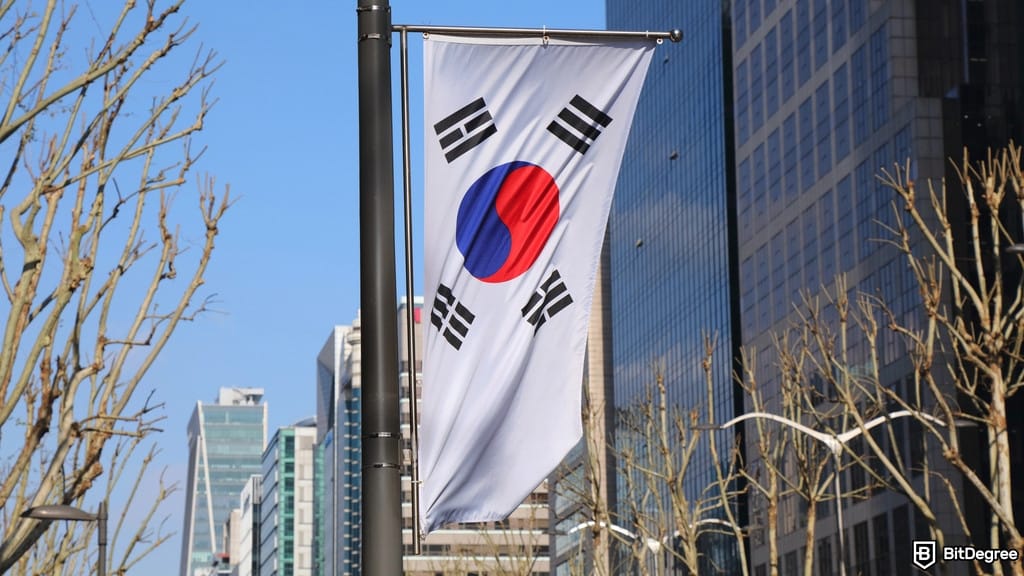
South Korea’s leading political parties have each proposed distinct regulatory frameworks for stablecoins pegged to the Korean Won, showcasing differing perspectives on crucial aspects.
The proposed legislation was presented to the National Assembly on July 28th, initiating debate regarding the appropriate regulatory oversight of digital currencies linked to the Korean currency.
A proposal spearheaded by Ahn Do-geol of the Democratic Party, accessible here, adopts a rigorous approach. It mandates that entities issuing these stablecoins secure authorization from the Financial Services Commission (FSC) and maintain a minimum capital reserve of 5 billion won (approximately $3.6 million USD).
Did you know?
Subscribe – We publish new crypto explainer videos every week!
Crypto Day Trading VS Swapping: What’s More Rewarding? (Animated)

Furthermore, these stablecoins must be fully collateralized by highly liquid assets, including cash, government-backed securities, and readily available deposits. Ahn’s proposal also includes a firm prohibition on the payment of interest on these digital assets.
In contrast, Kim Eun-hye of the ruling People Power Party has presented a more adaptable approach, prioritizing the establishment of explicit guidelines for licensing procedures and information transparency.
Under this plan, stablecoin issuers would be obligated to furnish comprehensive whitepapers and detailed product overviews. Notably, Kim’s proposal omits any mention of interest payments, suggesting a potential for their allowance.
Both legislative efforts grant the Bank of Korea authority to access relevant data and conduct audits as deemed necessary, especially in support of monetary policy objectives. The plans also address protocols to be followed in the event of an issuer’s bankruptcy.
Ahn’s proposed law stipulates that user funds must be reimbursed within three business days and are protected from being used to satisfy other outstanding debts. Kim’s legislative submission incorporates analogous provisions, placing emphasis on maintaining the financial soundness of the issuing entities.
Separately, the Hong Kong Monetary Authority (HKMA) recently unveiled the Stablecoin Ordinance, a new regulatory framework. To discover more, read the complete story.

Having completed a Master’s degree in Economics, Politics, and Cultures of the East Asia region, Aaron has written scientific papers analyzing the differences between Western and Collective forms of capitalism in the post-World War II era.
With close to a decade of experience in the FinTech industry, Aaron understands all of the biggest issues and struggles that crypto enthusiasts face. He’s a passionate analyst who is concerned with data-driven and fact-based content, as well as that which speaks to both Web3 natives and industry newcomers.
Aaron is the go-to person for everything and anything related to digital currencies. With a huge passion for blockchain & Web3 education, Aaron strives to transform the space as we know it, and make it more approachable to complete beginners.
Aaron has been quoted by multiple established outlets, and is a published author himself. Even during his free time, he enjoys researching the market trends, and looking for the next supernova.