
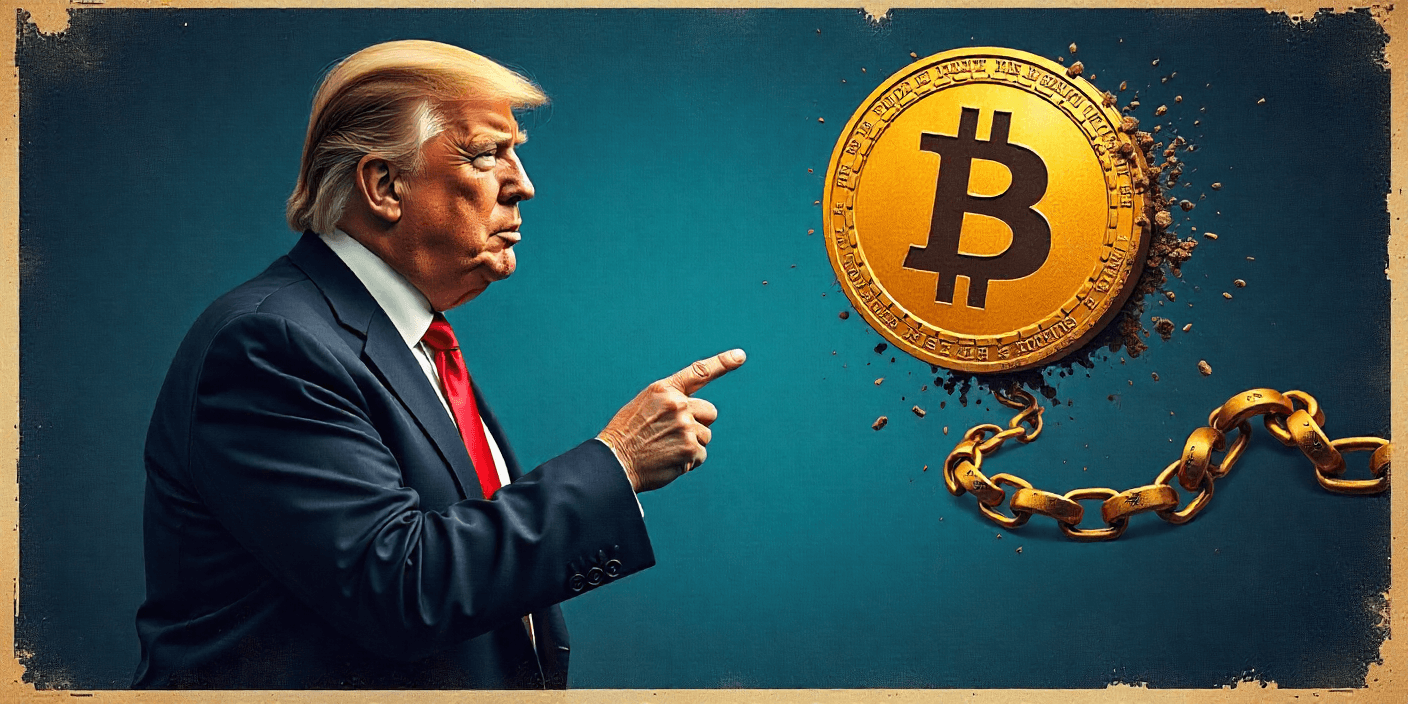
After considerable anticipation, the previous presidential administration has released its in-depth analysis of the digital asset sector. The main takeaway? Extensive suggestions for changes, a positive outlook on cryptocurrencies, and demands for well-defined regulations. However, a key component is notably absent: the oft-mentioned national Bitcoin holding.
This omission is notable, particularly given the prior president’s March executive decree formally proposing both a Strategic Bitcoin Reserve and a separate stockpile of digital assets. Many anticipated that this report would detail the execution of that strategy. Instead, the administration’s focus landed on regulatory restructuring, the integration of stablecoins, and enabling new financial products.
Report Highlights: What’s Included?
As reported by Bloomberg, the crypto policy assessment originates from the Working Group on Digital Asset Markets, established by an executive order from January. It articulates policy recommendations spanning nearly all aspects of digital currency markets—encompassing trading, storage, access to banking, and taxation.
A primary focus is encouraging Congress to approve the Digital Asset Market Clarity Act. The objective is to vest the Commodity Futures Trading Commission with authority over spot markets for digital assets not classified as securities. This move would address a longstanding regulatory gap between the CFTC and the SEC, thereby simplifying oversight.
Additionally, the report advocates for both agencies to immediately leverage their existing powers. No further delays. The SEC and CFTC are urged to provide clearer guidelines regarding registration, custody, trading activities, and recordkeeping practices to hasten the legal assimilation of digital assets into the larger financial system.
Accelerating Innovation: Streamlining Processes
Another significant theme involves reducing the obstacles encountered by cryptocurrency startups and established institutions. The working group suggests safe harbor provisions and controlled regulatory environments to enable financial innovations to reach consumers without excessive bureaucratic hurdles. The underlying sentiment is clear: progress should not be hampered by outdated methods.
The group also touches on decentralized finance, or DeFi. While details are limited, the report indicates support for incorporating these technologies via reasonable regulatory safeguards, rather than outright prohibitions.
Stablecoin Support, CBDC Opposition
The administration has established a clear position. The report endorses the utilization of stablecoins backed by the US dollar, characterizing them as strategic tools that enhance the US dollar’s global prominence. Indeed, the president recently approved legislation regulating stablecoins, viewed by the industry as a substantial stride towards widespread acceptance.
Conversely, the administration unequivocally opposes the creation of a US central bank digital currency. The report backs an Anti-CBDC Surveillance State Act, intended to permanently prohibit CBDCs within the United States.
Banking and Taxation: Addressing the Challenges
Access to banking remains a significant obstacle for cryptocurrency enterprises. The report calls for greater transparency regarding how institutions can secure bank charters and access essential master accounts. Furthermore, it urges regulators to clarify permissible banking activities related to stablecoins and blockchain technology. The report highlights that capital regulations should reflect the specific risks associated with digital assets, rather than treating them as conventional loans or securities.
Regarding taxation, the recommendations are extensive. The working group proposes classifying digital assets as a distinct category under tax law, with amended rules mirroring those applied to securities or commodities. It also advocates for new legislation applying wash sale rules to crypto, preventing tax loss harvesting techniques available that are not available to traditional securities traders.
The Treasury and IRS are also encouraged to release updated guidance on crypto-related issues, covering areas such as staking, mining, corporate taxation, and de minimis rules for small cryptocurrency payments.
The Missing Bitcoin Reserve
This is where questions arise. Back in March, the prior president had clearly stated that the US would establish a Strategic Bitcoin Reserve. That executive order wasn’t merely a proposal—it formalized the idea. Many expected the report to contain timelines, acquisition strategies, or at least strategic objectives.
Yet, the reserve is conspicuously absent from both the fact sheet and policy summary. That silence is significant, and it’s likely to fuel speculation throughout the market. Is the plan postponed? Is it contingent upon other pending legislation or budget cycles? Or is the administration holding back details for a more impactful announcement?
Prediction: The Bitcoin Reserve Remains Viable
This report is not the final word. It serves as a guide to the future direction of US digital asset policy, strongly favoring pro-growth, pro-innovation strategies. However, the absence of a Bitcoin reserve reference suggests it may be developed through a separate process—potentially one that is more confidential or strategically coordinated with budget announcements or international discussions.
One thing is certain. With the previous president actively embracing crypto, regulatory clarity is now a real possibility. Stablecoins are gaining legal frameworks. Tax regulations are being modernized. DeFi is being cautiously welcomed. And although the Bitcoin reserve is currently absent, the broader framework signals a fundamental change in the US strategy for leading in the global cryptocurrency arena.
The Golden Age of Crypto may be approaching—but its arrival will not include a Bitcoin reserve… yet.