
A proposal by CleanSpark, a company involved in Bitcoin mining, to expand its operations in Tennessee has met with resistance from the local community.
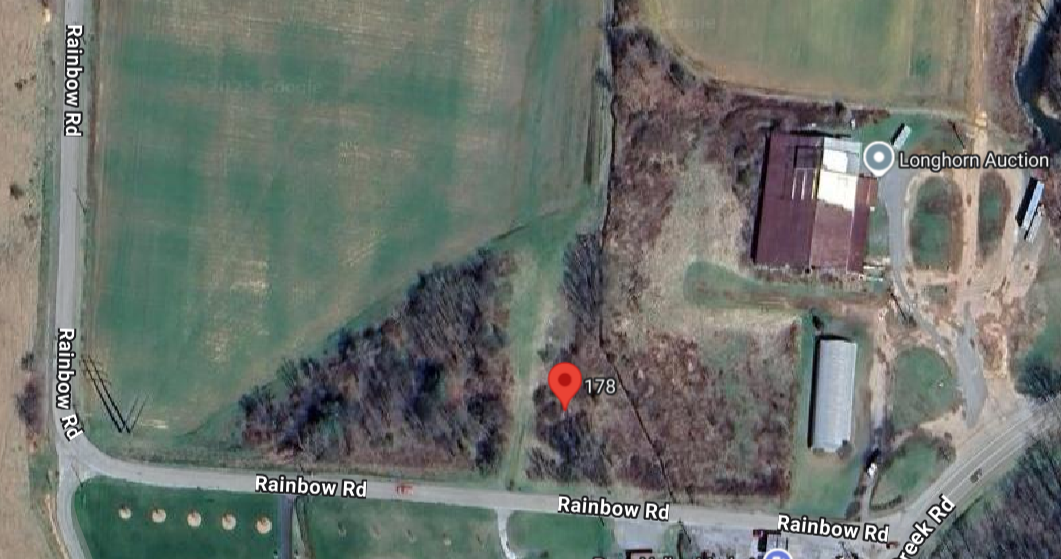
The expansion plan involves CleanSpark constructing a substantial 30-megawatt facility on a 50-acre plot of land. The proposed location is at 178 Rainbow Road, in Mountain City.
During an April 24 meeting of the Mountain City Planning Board, Rodney Metcalf, the General Manager of Mountain Electric, publicly endorsed the project. He suggested that the revenue produced by the proposed facility would offset the economic impact of the recent shutdown of the Parkdale Mills factory in 2024.
However, a significant number of residents have expressed their disapproval of the plan. An online petition on Change.org gathered 679 signatures within its first 24 hours and has now reached 711 signatures at the time of this report.
The petition, titled “Prevent Cleanspark’s Bitcoin Facility in Mountain City, TN,” and started by Zach Jensen, argues that:
“Mountain City, Tennessee, is more than just a location on a map. It’s a unique and charming rural town in the Appalachian region, known for its peaceful atmosphere, rich musical traditions, and scenic beauty.”
“While innovation and technological progress are important, they shouldn’t come at the cost of our environment and overall well-being. Research indicates that Bitcoin mining can have negative consequences. These types of facilities are known for creating substantial noise pollution, straining the existing energy infrastructure, and putting additional burden on water resources.”
Jensen argues that any possible financial advantages from the Bitcoin mining facility wouldn’t compensate for the ecological impact and the loss of the town’s tranquil and rural character.
With a population of just 2,415 in Mountain City, the petition claims that 68% of its supporters are local residents. This equates to roughly 20% of the town’s population.
One signatory commented on the petition, suggesting that the proposed facility in Mountain City might have a limited lifespan, given the upcoming Bitcoin halving event. A Bitcoin halving event reduces the rate at which new Bitcoins are created through mining.
“By 2028, it’s projected that 98% of all available Bitcoin (21 million coins) will have been mined. This venture is likely only viable in the short term, due to the decreasing supply of Bitcoin to be mined. Furthermore, the next Bitcoin “halving” is scheduled for April 2028, which effectively means that anything mined afterwards will be worth half as much. In simple terms, production expenses will double,” the commenter stated.
CleanSpark currently manages 24 Bitcoin mining sites situated across Wyoming, Tennessee, Mississippi, and Georgia.