
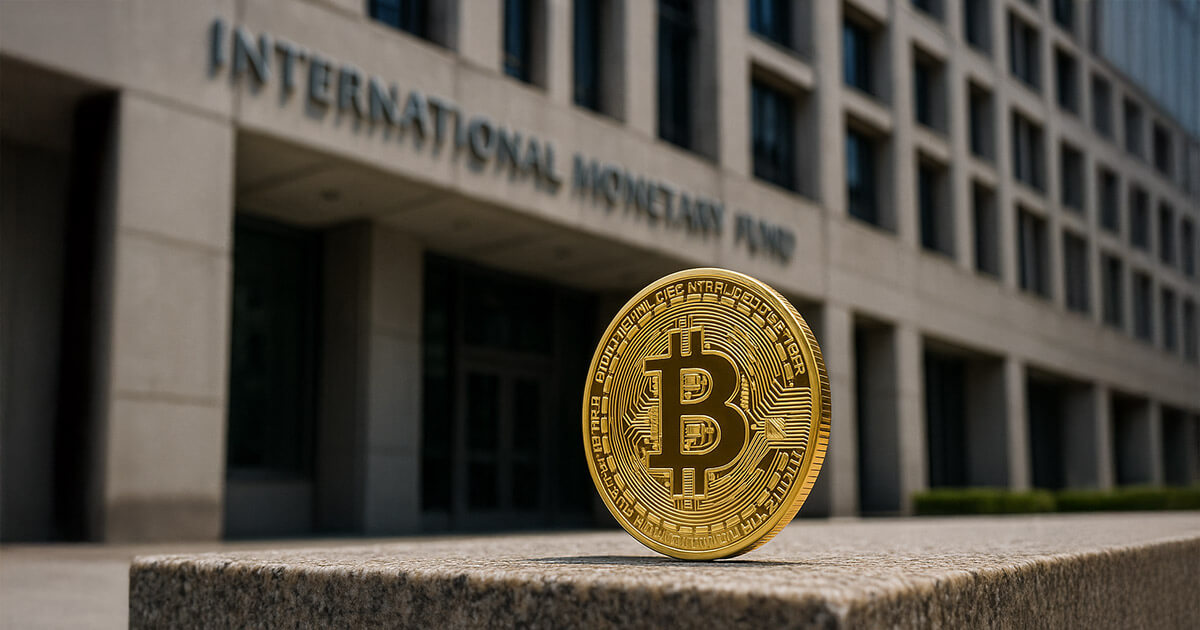

A significant change in international finance is underway, as Bitcoin (BTC) and other digital currencies are now formally recognized in national economic data. This landmark decision marks a key evolution in how countries measure digital wealth and technological innovation within their economies.
The updated System of National Accounts (SNA), sanctioned by the United Nations Statistical Commission and collaboratively managed by the IMF alongside other international organizations, will classify eligible cryptocurrencies as “non-produced, non-financial assets.”
Although these assets won’t be included in Gross Domestic Product (GDP) calculations, they will be documented on national balance sheets, acknowledging their increasing relevance within financial structures and the holdings of public entities.
Crypto Officially Acknowledged in Economic Data
This revision forms part of a broader initiative to modernize the methods used by nations to monitor production, revenue, and prosperity in an increasingly digital age.
The IMF, instrumental in shaping the revised framework, underscored the importance of accounting for the economic impact of digital assets such as Bitcoin. While their contribution to global wealth remains relatively modest, their inherent price volatility and growing acceptance have considerable implications for financial stability, taxation strategies, and regulatory frameworks.
By integrating cryptocurrencies into national accounting systems, the updated SNA aims to bridge existing statistical gaps and empower policymakers to respond more proactively to emerging risks. The changes also provide guidelines for assessing artificial intelligence, cloud computing services, and digital platforms.

El Salvador’s Bitcoin Approach Under Scrutiny
This development occurs amidst ongoing discussions between the IMF and El Salvador, which was the first country to formally adopt Bitcoin as legal tender.
Despite agreeing to moderate its Bitcoin-related policies as part of a $1.4 billion loan agreement with the IMF in 2024, the government led by President Nayib Bukele has maintained claims of daily Bitcoin acquisitions, assertions that have been questioned by the IMF.
El Salvador’s reported public holdings of over 6,000 BTC are now expected to be included in national wealth data under the updated SNA framework.
The IMF intends to assist countries in implementing these new standards by 2029-30, potentially leading to enhanced transparency for nations with crypto-inclusive economies operating within the global financial landscape.