
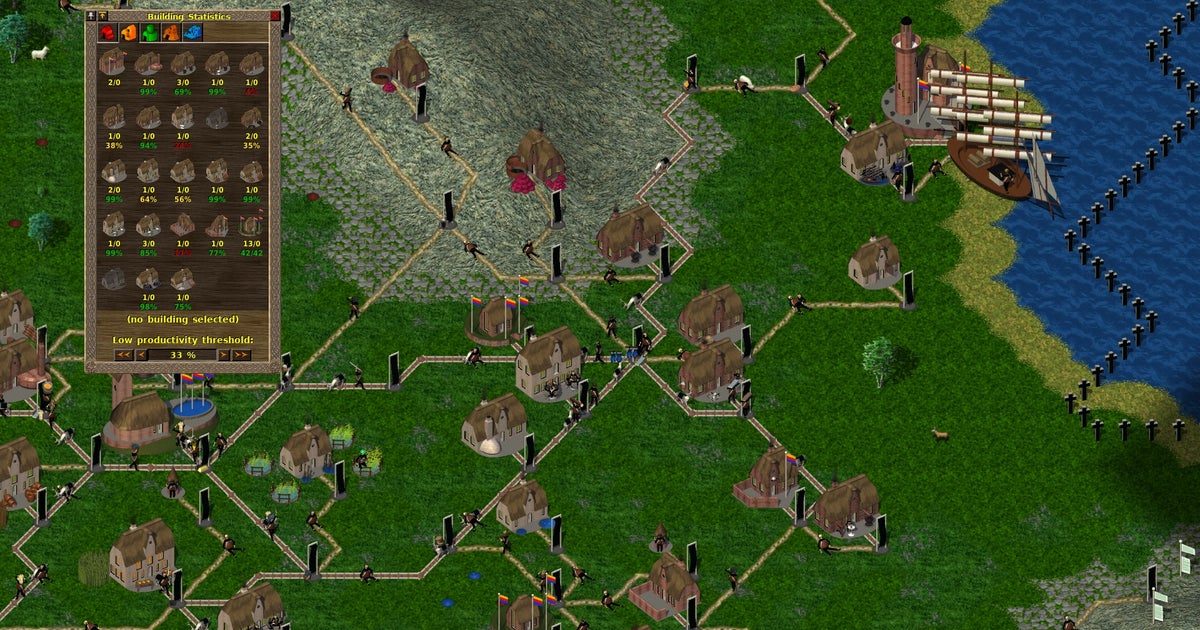
Considering the sheer number of games released daily, including official sequels and fan-made adaptations, it seems every classic game from the 90s has a modern counterpart filling a similar niche.
However, The Settlers stands apart. Authentic iterations have been absent since 1996. Sequels, even those as early as the third installment, often overlooked the core design principles. The vital element? The intricate road networks!
This isn’t merely about iconic imagery. It’s a fundamental design philosophy. The core gameplay of The Settlers hinged on the efficiency of transport logistics, determining the prosperity of your settlements. Roads were paramount. It defies easy categorization, certainly not the skewed real-time strategy that later sequels devolved into. While it might seem like a typical town builder, particularly in today’s market flooded with resource management games, its essence transcends mere resource gathering.
When placing structures, material prerequisites are not immediately displayed. You’re not waiting for resource counters to reach a specific number before constructing a warehouse. Instead of memorizing resource costs, you rely on your logistics network’s ability to adapt and provide. Builders commence work with initial resources, without constant UI reminders about insufficient materials.
Crucially, buildings are placed at the junctions of a grid, not within its center. Each building features a flag, which must be connected to others via a road network built segment by segment. Goods are transported exclusively along these paths by dedicated carriers. These carriers aren’t tied to specific mines or input/output assignments; one carrier per road section, transporting between flags. The most direct route isn’t always optimal. Elevation differences can create steep, slow roads. Terrain also dictates suitable locations for larger buildings. A longer path may be faster, or create space for a crucial smelting facility. Gradually, a network of paths and workers emerges, all functioning within your design.
Indirect control is the key. By linking a construction site to the network, you can observe the builder traveling from the main settlement, followed by carriers transporting wood and stone from the most convenient warehouse, potentially relaying from the sawmill. Disrupting a road results in rerouting or a return to storage. You’ll often observe the system, as speed is relative in The Settlers, and it’s enjoyable while taking a break.
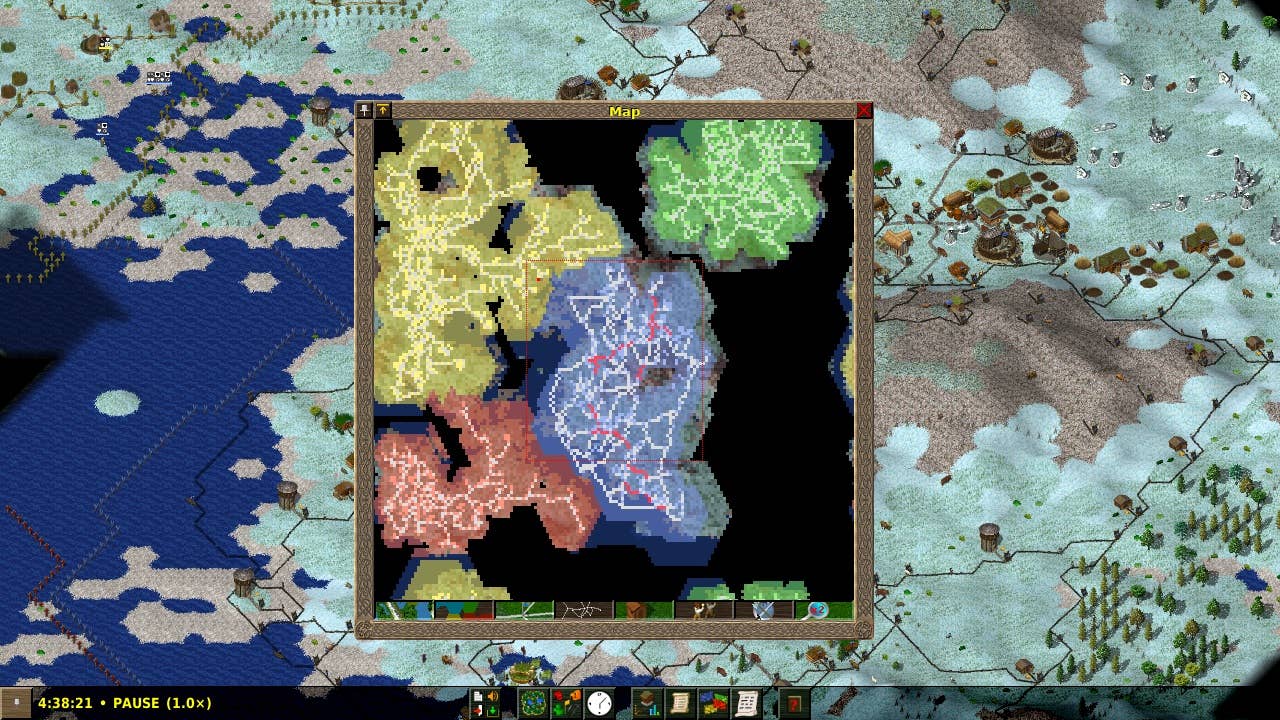
This system is not just charming, but necessary. Similar to Ostriv, where watching construction is a central element, every resource is a tangible item, visibly carried or stored. Production chain interdependencies and the slow, shared labor mean problems develop long before their consequences are visible, easily identified by watching the roadways.
You discern mining slowdowns not through icons, but by observing the lack of resource output and bread input. Mill inefficiencies are noticed through direct observation. If the mill lacks wheat and connects to the main gold route, gold carriers take priority.
The bakery, lacking flour, halts coal consumption, diverting it to storage and hindering fish transport, which can lead to broader issues. A solution: split the road from the fisherman to reroute carriers. New flags and road adjustments are instant and free. Previously, Factorio seemed like the closest modern analogue. However, in The Settlers, you manage individuals and processes rather than machines. You enable, not micromanage.
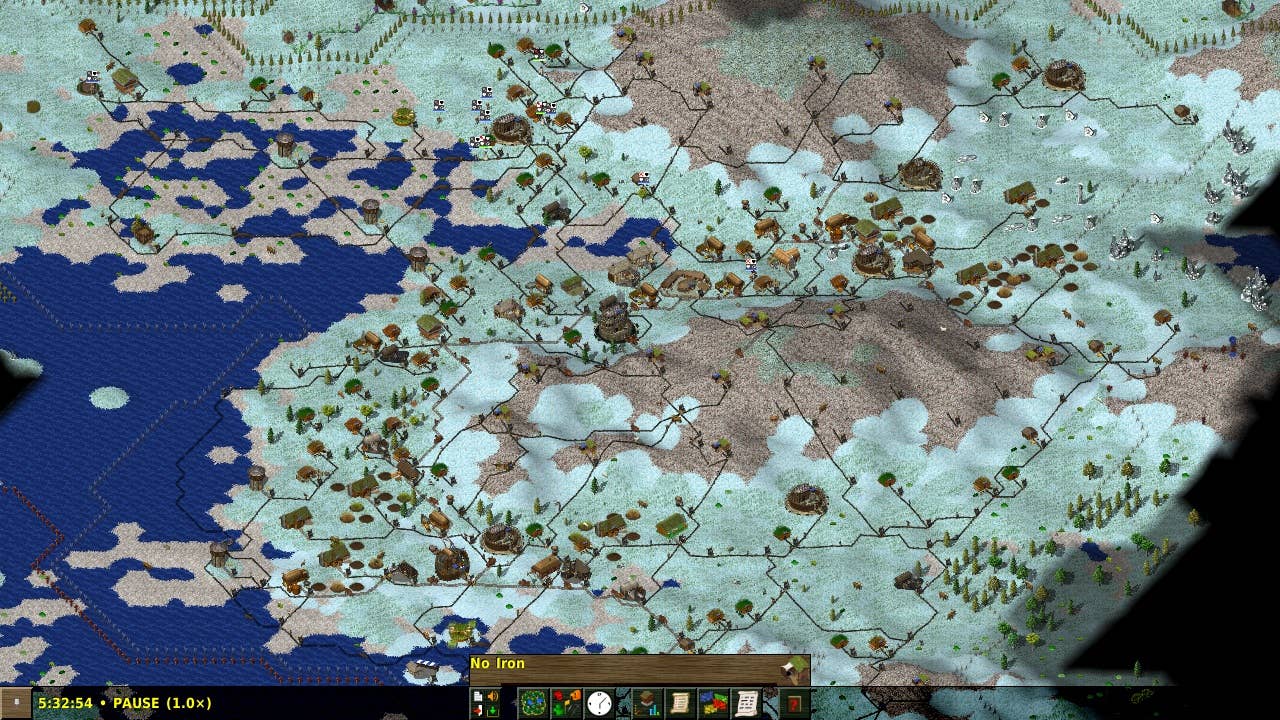
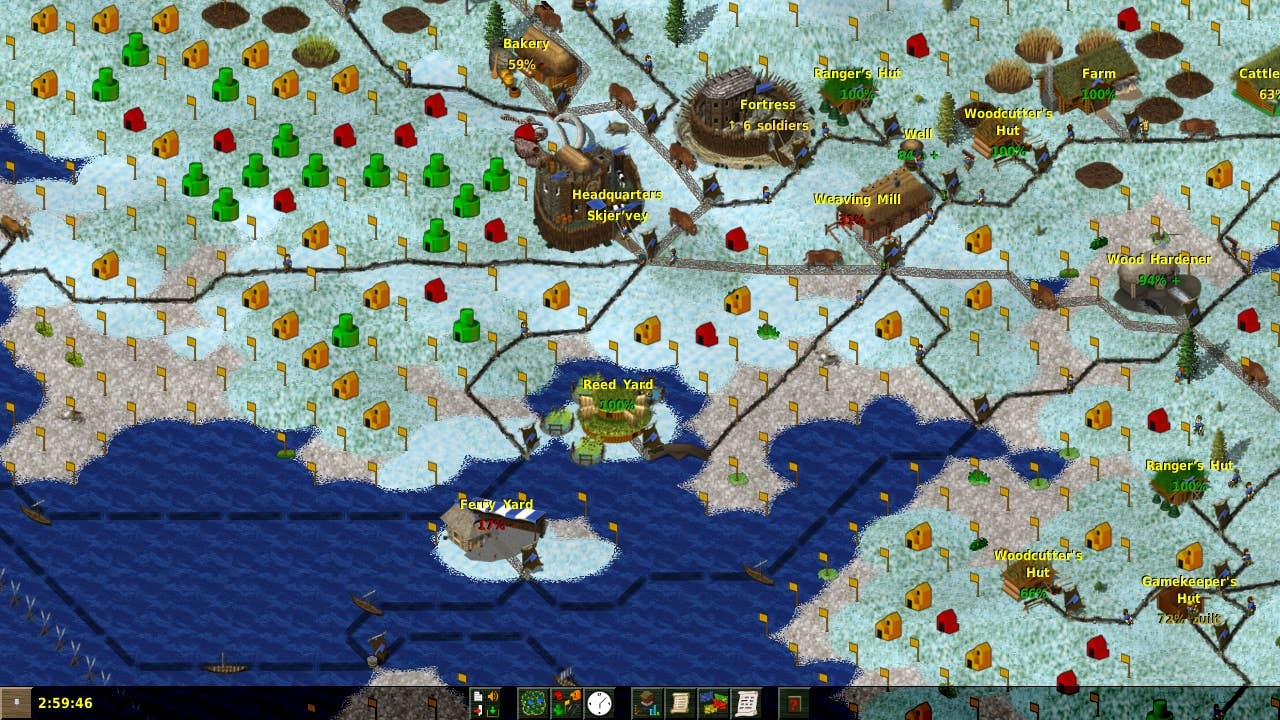
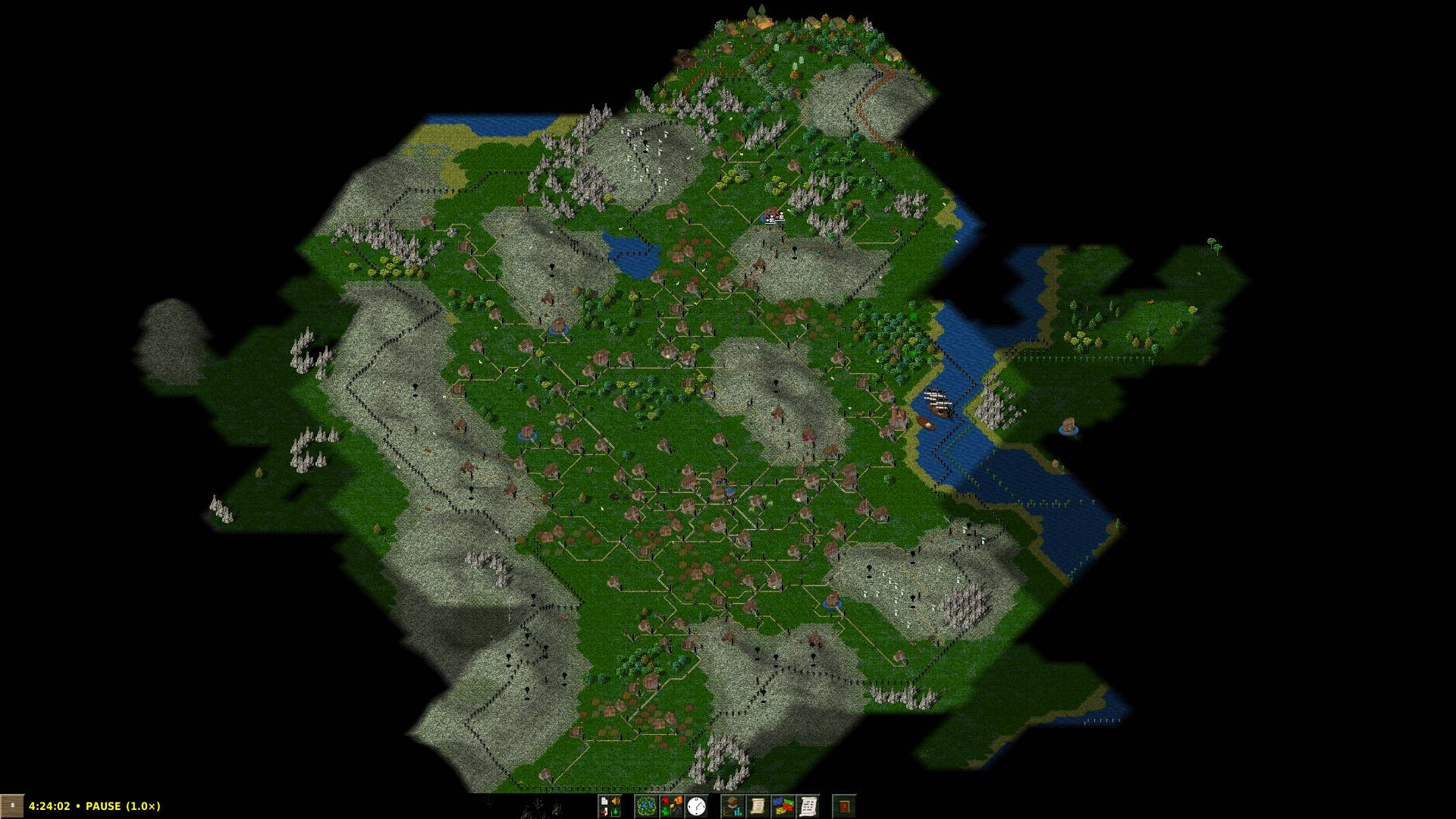
Effective administration hinges on recognizing that problems originate far from the symptoms, and raw data is insufficient. The Settlers understood that economics isn’t simply about numbers. While data exists, it’s rarely needed. The focus isn’t on precision or exponential growth. Efficiency isn’t measured by numerical increases, but by consistent flow and supply. Even combat involves orchestrated queuing at barracks, lacking direct unit control. Stockpiling is a sign of mismanagement; resources should be utilized. You’re not a monarch or mayor, but a facilitator. There’s no currency either. Workers of the wor-
This leads us to Widelands, which actively discourages hoarding. Volker Wertich, a lead designer of The Settlers, is involved in Pioneers of Pagonia, a promising title in the same vein. However, Widelands has captivated my attention.
Visually, Widelands can seem uneven. Its sounds are limited, and it lacks immediate charm. Many buildings share similar designs, and while its animations are effective, they don’t always clearly signal problems, relying on overlays. As an open-source project, initiated in 2002, it’s commendable. Widelands compensates for its aesthetic shortcomings with superior design. It is incredibly engaging.
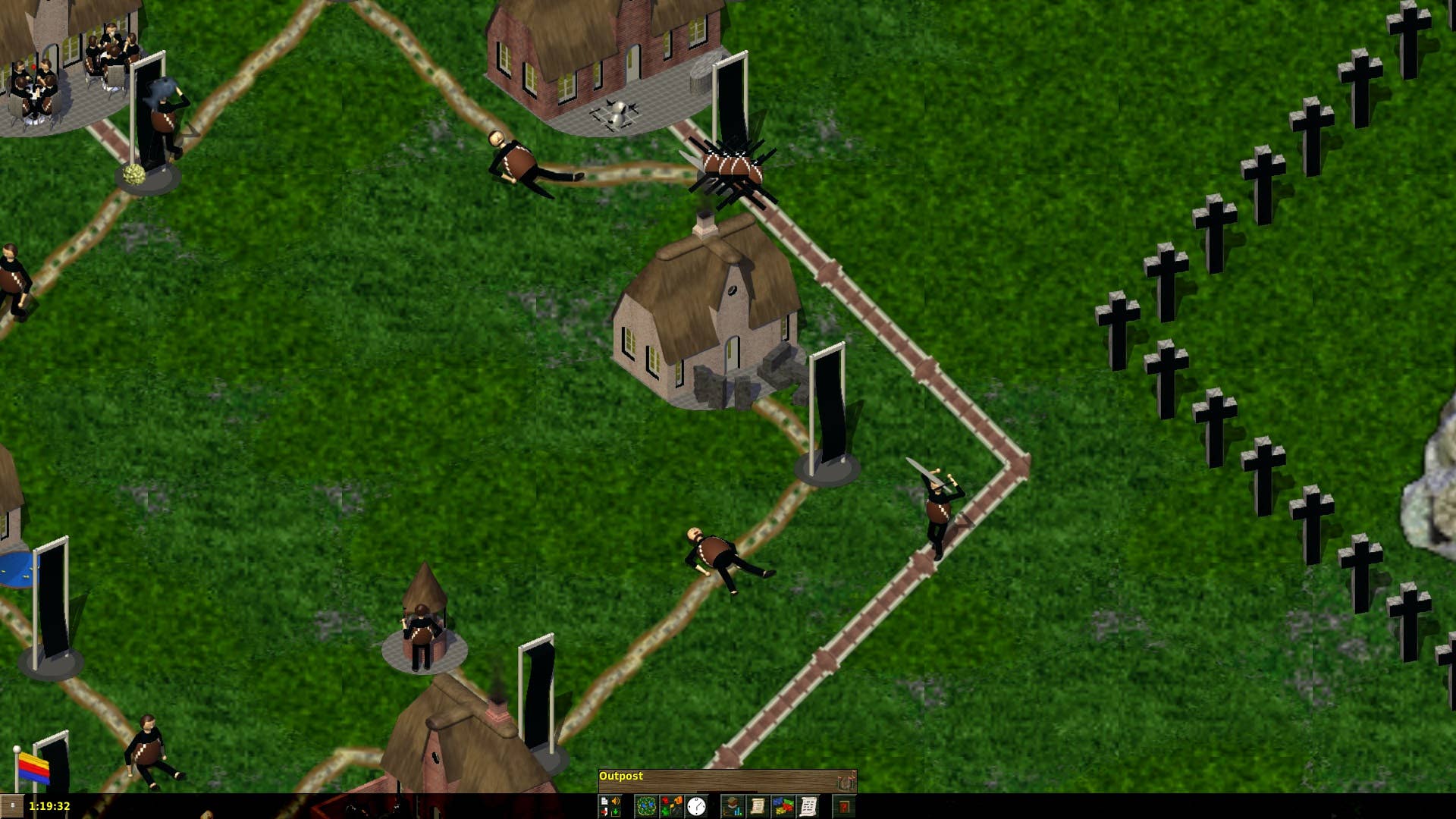
Inspired by The Settlers 2, it has evolved beyond its inspiration, offering five distinct factions with unique economic systems. These differences aren’t just cosmetic, they influence gameplay. Each faction possesses distinct buildings and resources, along with varying degrees of shared resources. The Barbarians require abundant wood, while the Frisians rely on unique resources: bricks, berries, barley, bees, and “bclay”. Their building sets consume significant space, creating interesting challenges on procedurally generated maps. The Amazons forego iron, crafting equipment from stone and quartz sourced from the same mine. They also utilize unique trees and foresters, allowing them to utilize unusable terrain, resulting in more sustainable development.
While not radically different, each faction offers economic nuances, presenting unique challenges and freshness, regardless of player preference. This extends to military gameplay as well. Widelands takes the manufacturing-focused element further by developing unique economies for each tribe.
Weapons and armor require barracks for soldier production. Soldiers improve through training in dedicated buildings, using advanced weapons and armor. The specifics vary between factions: Frisians recycle metals, Barbarians begin with axes, and Amazons need no iron. Combat lacks drama, but allows the destruction of outposts instead of capturing. Wounded attackers will retreat. Each faction’s soldiers have strengths, guard posts differ in manpower, cost, vision, and range. Atlanteans require three resources for basic structures, while Amazons use treehouses, recovering rope and wood if dismantled. Ultimately, logistics, not tactical maneuvers, determine the outcome.
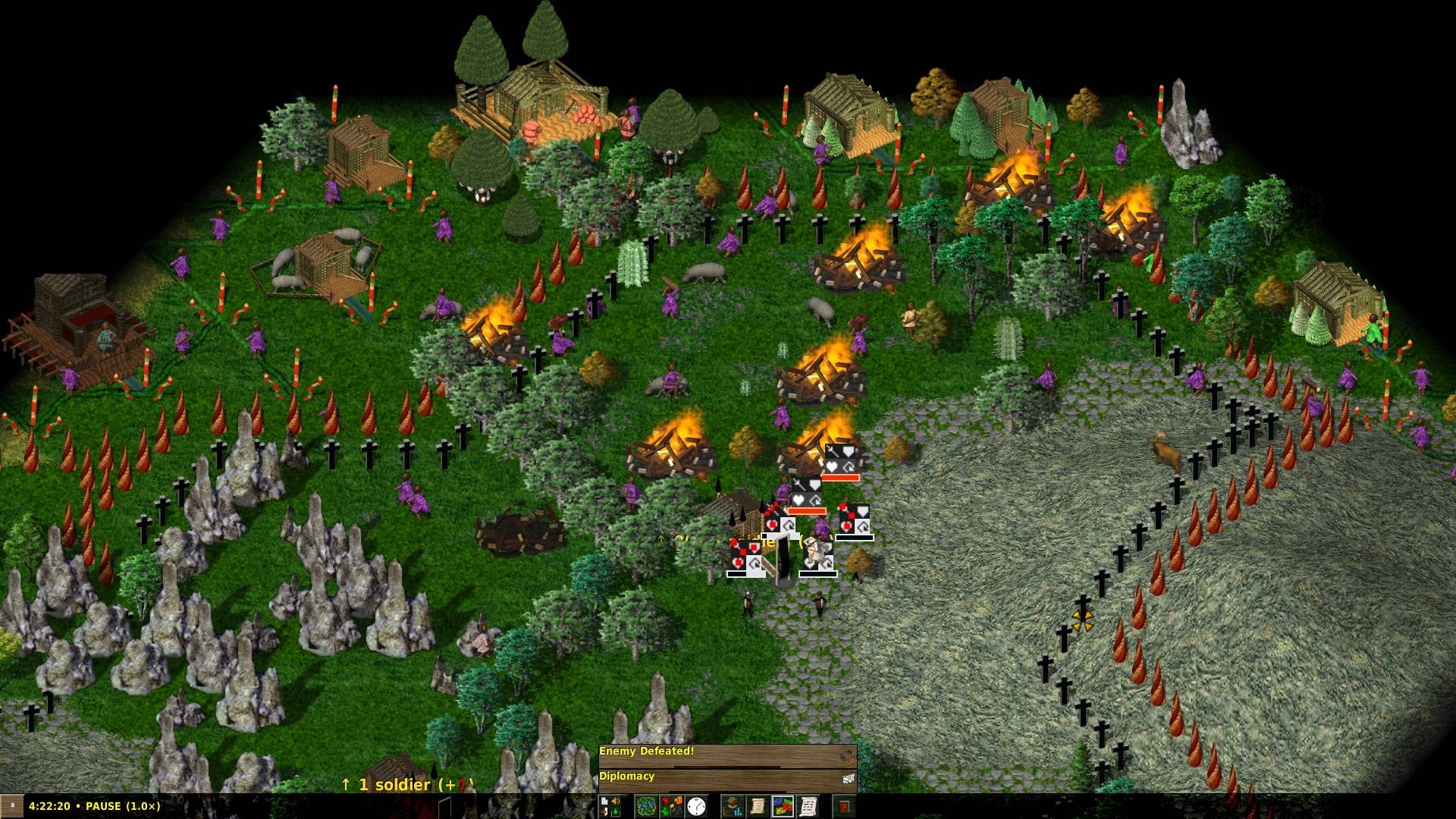
Even pacifists benefit from military production, as it’s a victory condition in the “collectors” game mode, an exception to the rule against hoarding. Buildings never become obsolete. Deconstruction returns resources, encouraging redesigning areas over time. Players can even found secondary settlements and separate road networks.
The game involves more than mechanical processes, thanks to the wandering population, terrain irregularities, and the road networks (originally a solution to programming limits). Widelands emphasizes working with the environment. The complexity might seem overwhelming, but to those familiar with The Settlers, the underlying processes are logical, with problems having traceable origins and intuitive solutions. Though somewhat faster-paced, Widelands encourages patience, foresight, and enabling the population. It’s about directing paths, not issuing orders or min-maxing.
I doubted any game could rival The Settlers, as subsequent attempts misunderstood its appeal. I have minor issues with soldier distribution and the AI’s shifting alliances, but these are trivial concerns. Widelands perfectly captures the essence of The Settlers, which the industry seemed to overlook for decades.