
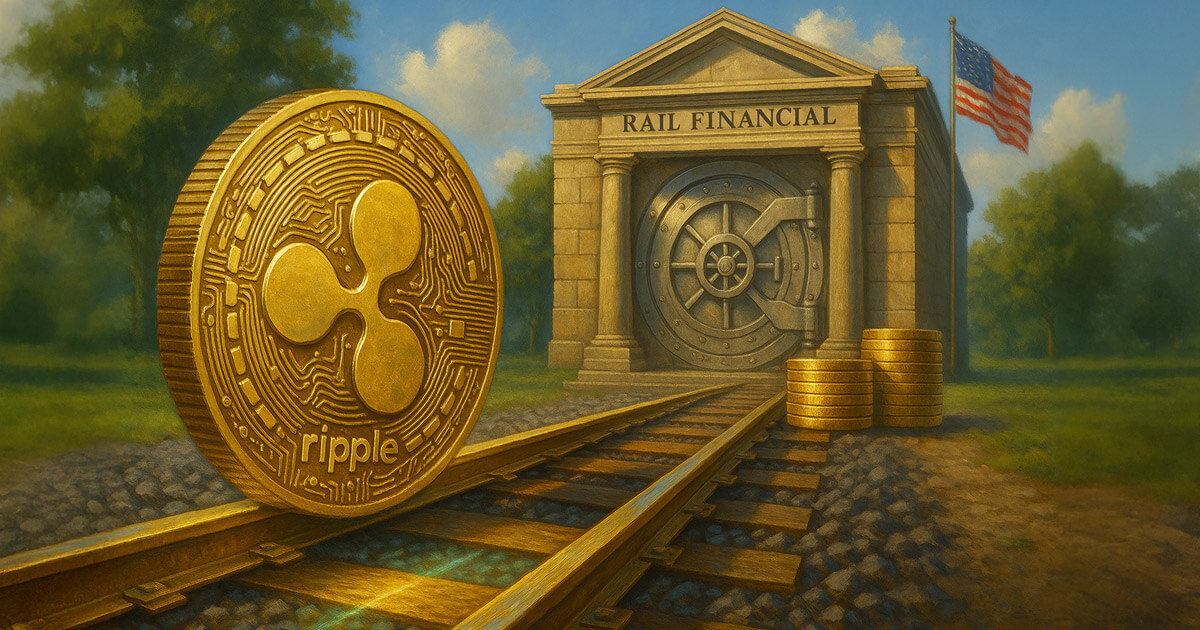

Ripple is significantly expanding its efforts in the stablecoin payment sector through the acquisition of Rail, a global settlement platform recognized for its rapid processing times and sophisticated automation capabilities for businesses.
The agreement, estimated at $200 million, was revealed on August 7th and is anticipated to be finalized in the fourth quarter of 2025, pending regulatory clearance.
Monica Long, President of Ripple, emphasized that integrating Rail will position Ripple as a leading force in the widespread adoption of stablecoins within the global financial system. She highlighted the increasing importance of stablecoins in contemporary payment structures and indicated that Rail’s technology will be instrumental in accelerating the transition from conventional systems to faster, blockchain-driven solutions.
What’s the Impact on RLUSD?
This acquisition reinforces Ripple’s objective to solidify its position as a key player in corporate digital asset infrastructure and to elevate its stablecoin offering, RLUSD, to a dominant presence in international transactions.
Rail’s platform is engineered to simplify B2B payments utilizing stablecoins, and projections suggest it will handle over 10% of the projected $36 billion global stablecoin business payments market by 2025.
The combined platform will enable businesses to initiate, direct, and complete payments across multiple currencies and digital assets, including RLUSD and XRP, using a single, unified infrastructure.

This forecast makes the platform a crucial asset for Ripple as it strives to deliver a more flexible, secure, and scalable alternative to conventional financial systems.
Long emphasized the significance of the transaction, stating:
“Ripple operates one of the most utilized digital asset payment networks globally, and this acquisition reinforces our dedication to assisting our worldwide customer base in transferring funds whenever and wherever they need.”
Furthermore, the acquisition is expected to eliminate significant obstacles for corporate clients by merging Ripple’s extensive regulatory licensing framework and liquidity solutions with Rail’s instantaneous settlement technology.
Ultimately, Ripple will be better positioned to serve organizations aiming to move money across borders without the operational complexities of directly holding cryptocurrency or dealing with numerous banking partners.