
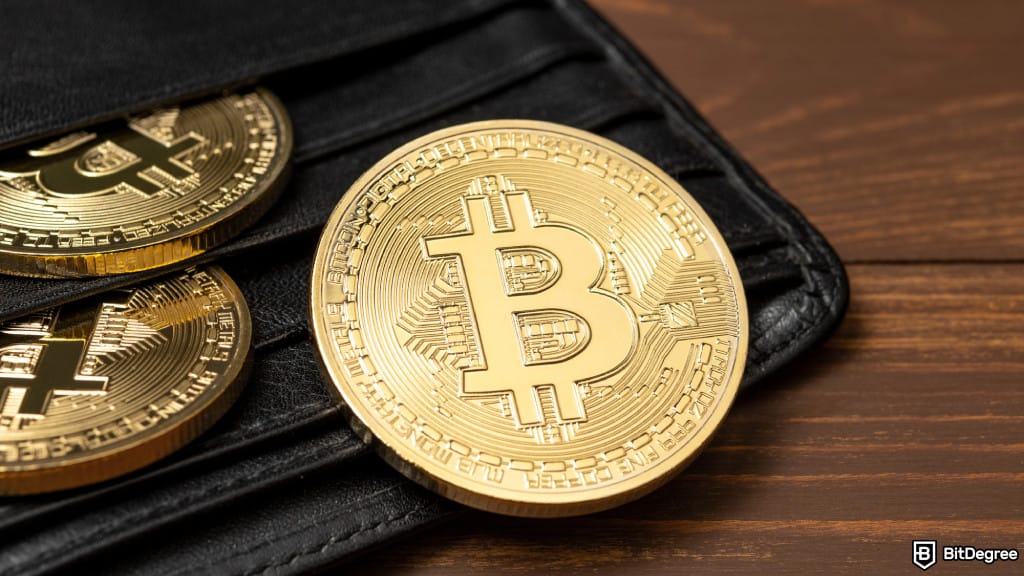
This week, we’ve explored various cryptocurrency trading techniques and the diverse platforms where these trades occur.
Alright, makes sense. So, after acquiring some cryptocurrency… what comes next?
Today’s article addresses this question by guiding you through the different types of crypto wallets – the storage locations for your digital assets post-purchase.
Yesterday, we introduced the concept of custodial wallets (where a third party, such as an exchange, manages your private keys) versus non-custodial wallets (where you maintain control of your private keys).
However, crypto wallets can also be categorized by their internet connectivity: hot and cold.
Ready to dive in? Let’s get started 👇
|
|
🔥 Hot Wallets
These wallets maintain an active connection to the internet, providing speed, ease of use, and convenience for frequent transactions.
Examples of hot wallets include:
1/ Online Wallets
For example: MetaMask.
Accessible through a web browser, online wallets offer a convenient, web-based solution.
Their primary advantage is their accessibility—requiring only a login, without the need for downloads. This user-friendliness makes them ideal for beginners, with setup typically involving username and password creation.
✅ Ideal for users who need rapid access to their crypto from any location, on any device.
❌ However, their persistent online status increases their vulnerability to phishing scams, browser intrusions, and platform-level breaches.
2/ Mobile Wallets
For example: Zengo.
These are applications installed on your smartphone, making them excellent for quick, on-the-go transactions.
They empower users to scan QR codes, make crypto payments at participating retailers, trade digital tokens, and interact with decentralized finance (DeFi) platforms – all from the convenience of their phones.
Popular mobile wallets like Trust Wallet and MetaMask also offer multi-chain support and intuitive interfaces.
✅ Ideal for rapid transactions on the move.
❌ However, remember: their security is contingent upon the security of your phone. Loss, theft, or hacking of your phone could compromise your wallet, particularly without a backed-up recovery phrase or biometric authentication.
|

3/ Desktop Wallets
For example: Electrum.
These are software programs downloaded and installed on your personal computer.
They offer advanced features such as full-node access, customizable settings, and improved privacy options.
Installed on a secured machine, they can provide superior security compared to web or mobile wallets, especially when kept offline (effectively transforming them into cold storage).
✅ Typically preferred by users seeking greater control and expanded functionality.
❌ Downsides: limited portability. Also, malware infections or system failures without a backup could result in the loss of funds.
|

Now, let’s explore…
❄️ Cold Wallets
These wallets are completely isolated from the internet.
This offline status is what grants them superior security, making them impervious to online hacking and phishing attempts.
Cold wallets aren’t ideal for everyday purchases like coffee, but they’re an excellent choice for those intending to hold crypto long-term.
|

Examples of cold wallets include:
1/ Hardware Wallets
For example: Ledger Flex.
These are dedicated physical devices specifically designed to secure your private key.
Here’s how they work:
-
Connect the device to your computer or mobile phone.
-
Use a compatible companion app (such as Ledger Live) to initiate a transaction – for instance: “I want to send Bitcoin.”
-
The hardware wallet validates the request and requires confirmation.
-
Upon confirmation, the wallet signs the transaction within the device itself – ensuring your private key remains inaccessible to the internet.
Even if your computer is compromised, your cryptocurrency remains safe as the private key never leaves the secure hardware wallet.
✅ Best for: secure storage of large cryptocurrency holdings, particularly for long-term investments.
❌ Downsides: involves a purchase cost and a brief setup process.
2/ Paper Wallets
For example: standard A4 paper?
Representing the most basic approach, a paper wallet involves simply writing down your public address and private key on a piece of paper.
That’s all there is to it.
The method is completely free and entirely offline. However, there’s a significant caveat:
Accessing the cryptocurrency stored on a paper wallet requires entering your private key into a wallet application or website – which immediately introduces a security risk.
Moreover, being a physical piece of paper, it is susceptible to loss or damage. Spilling liquid or losing the paper results in irretrievable loss of your cryptocurrency.
✅ Ideal for long-term, deep cold storage of small values.
❌ Downsides: Highly susceptible to loss, damage, or accidental disclosure.
|

So, hot or cold?
-
Hot wallets are excellent for rapid transactions, daily usage, and holding small amounts of crypto, though they are more exposed due to their online nature.
-
Cold wallets are superior for long-term storage and larger cryptocurrency amounts. The offline nature enhances security, but they are less practical for daily use.
In practice, most users utilize both: a hot wallet for everyday transactions and a cold wallet for long-term holding.
Regardless of your choice, we trust this guide has clarified where your crypto resides and how to ensure its safety 🔒
|
Now you’re informed. But your friends may not be! Perhaps you could change that… 😃🫵 Spread the knowledge and be the crypto-hero you were meant to be! |