
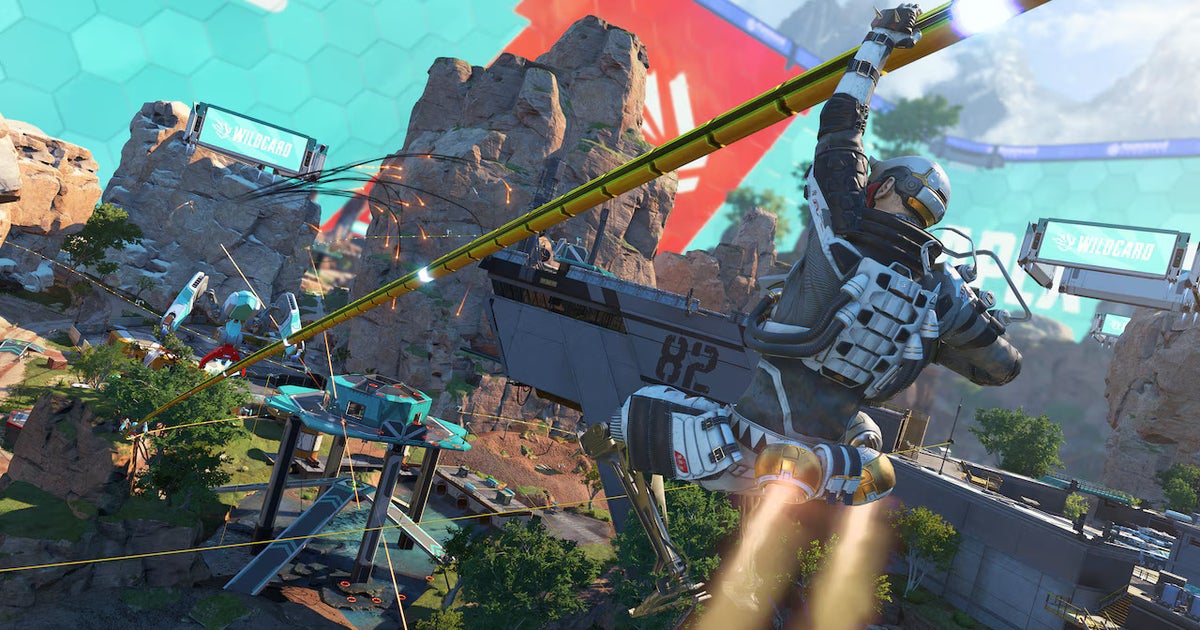
Apex Legends has unleashed its Season 26 update, spotlighting the new Wildcard mode. This marks what feels like the fourth or fifth attempt to inject a ‘faster battle royale’ experience into the game. Wildcard, with its rapidly shrinking safe zones, generous respawn mechanics, and automatic loot system, emerges as the most intense version yet. Matches often devolve into frantic, close-quarters combat as tightly packed teams clash, fall, and rise again within a concentrated selection of key areas.
Despite appreciating previous tweaks that favored action in Apex Legends, Wildcard feels somewhat lacking. The core shooting mechanics, as polished and responsive as any Respawn first-person shooter, aren’t the issue. Nor is the simplified loot acquisition, which serves its purpose for a supplementary mode. The problem lies in the fact that at the conclusion of a Wildcard match, even victories, I am left feeling like I simply aimed and clicked, without a sense of accomplishment. In its pursuit of constant high-octane action, it sacrifices a crucial element that defines the best battle royales: the journey.
The element of a journey, subtle yet significant, elevates battle royales beyond simple large-scale deathmatches. Achieving victory in a battle royale is more rewarding than winning in fast-paced arena shooters, not just because of the rarity of success, but because it represents the culmination of a unique narrative. This narrative involves traversing dangerous landscapes, securing vital resources, hunting enemies, or surviving unexpected ambushes. The highs are higher, and conversely, the lows are lower. Losing late in a match stings because of the progress made, while early eliminations are frustrating due to the denied opportunity to begin the journey at all.
Wildcard may not intentionally aim for this quality, instead prioritizing a focused showcase of gunplay. But the absence is noticeable. The condensed nature and relentless action of matches overshadow the development of a narrative, often restricting movement and exploration. In standard Apex Legends, players rarely conclude a round where they began. However, Wildcard’s small map and free respawns foster immediate and prolonged engagements, trapping teams (and opportunistic third parties) in the same locations. Even with the pressure of the shrinking ring, survivors become so concentrated that any movement simply extends the existing battle.
Admittedly, “trekking” may not sound like a particularly glamorous fantasy. Whether it’s Apex, PUBG, or another popular title, individual moments often stand out most vividly. I struggle to recall my sister’s address, but I vividly remember a game-winning 1v3 play I executed on World’s Edge in 2021. I also remember losing a sniper duel on Miramar due to accidentally exposing myself to a teammate’s scope, leading to a friendly fire incident.
However, the journey provides the foundation for these moments to unfold, allowing them to develop outside the immediate pressure of constant combat. It provides context, which contributes to their emotional resonance. That triple kill was only possible due to my earlier exploration, where I gathered the necessary weapons and armor. Its placement within the timeline – occurring at the very end, securing the coveted “CHAMPIONS” screen – amplified its significance, far exceeding that of a flashy but meaningless skirmish early in a lost match.
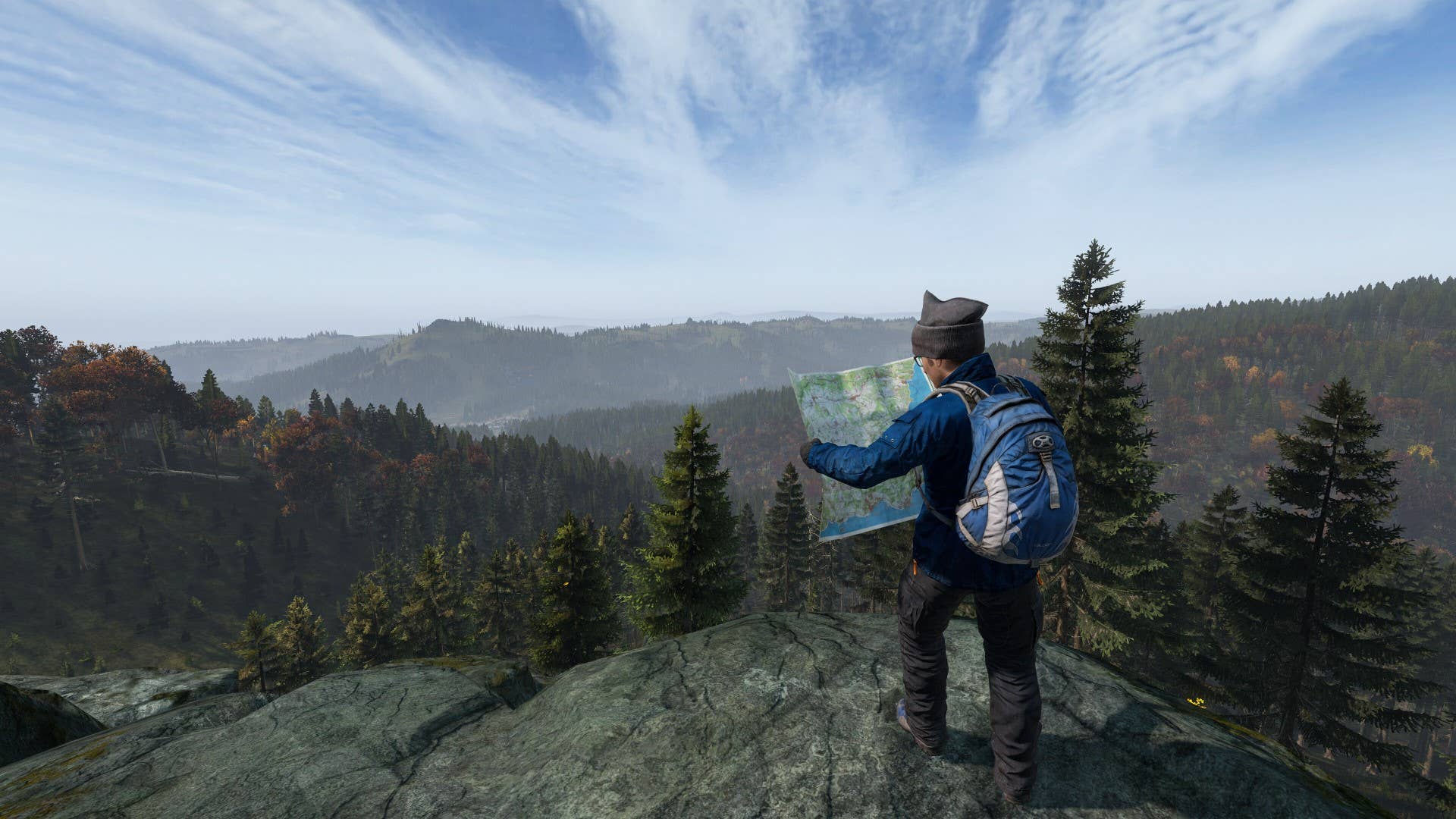
If this sounds overly analytical for a hero shooter, blame my recent experiences with DayZ – a game that offers ample time for reflection, if not much else. The original Arma 2 modification occupies a unique position in battle royale history, its Survivor GameZ tournaments, alongside Minecraft‘s Survival Games mod, popularized the last-man-standing concept that had been conceived in manga and film. DayZ, a hardcore survival sandbox, shares a familial resemblance with battle royales, particularly in how the stakes increase with survival time and the contrast between extended periods of exploration and brief, intense bursts of violence.
Journeys are central to DayZ, perhaps even more so, given that the only objective is to survive and experience what unfolds. Since 2012, this freedom has made DayZ a generator of memorable player anecdotes. Anyone who has played DayZ multiple times likely has a compelling story of being robbed, surviving a tense gunfight, or being chased by a naked man playing loud music. Like its battle royale cousins, the memorability of these experiences stems from their role as the culmination of the survivor’s journey, a journey often filled with solitary exploration of empty landscapes. Climaxes require troughs for contrast.
Wildcard mode, it seems, occurs when a battle royale abandons the quieter aspects of the journey – the tension-building and story development – in favor of constant climaxes. While it might create a more exciting trailer, it ultimately fails to provide a fulfilling gaming experience.