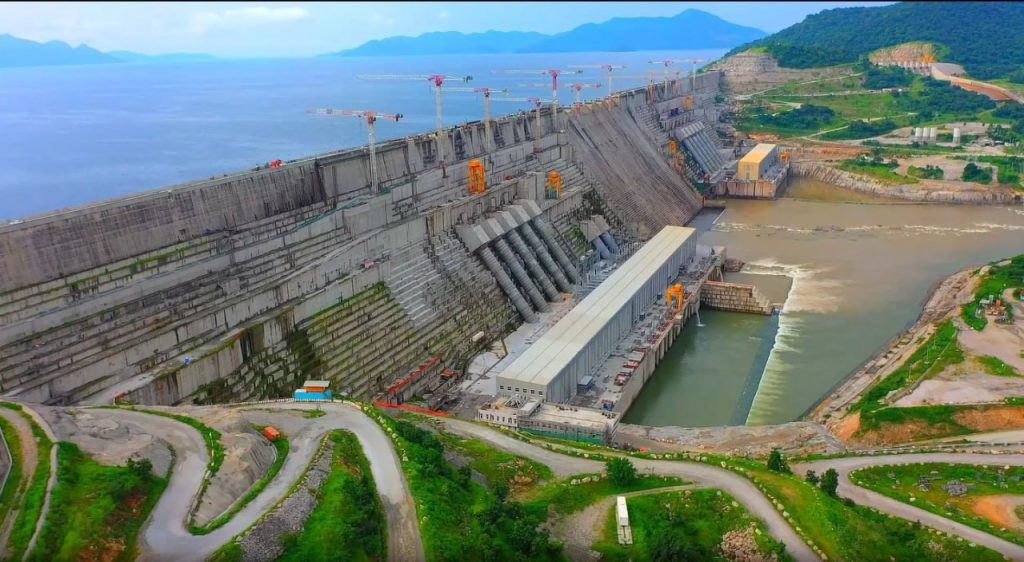
The national power company of Ethiopia, Ethiopian Electric Power (EEP), has placed a hold on issuing any new licenses for electricity supply to companies involved in cryptocurrency mining – sometimes referred to as “data mining.” This action effectively halts further expansion of crypto-related businesses within the nation.
____________
Key Highlights:
- Significant Revenue from Abroad: EEP has reportedly earned approximately $200 million USD through Bitcoin mining activities within just the first six months of 2025. This illustrates the speed and financial potential of such ventures.
- Uneven Electrical Access: Ethiopia still struggles with widespread lack of electricity access for its population. The increasing demand from crypto-mining may exacerbate this issue. Critics are questioning the fairness of dedicating limited power resources to digital mining when many citizens lack basic electricity.
- Complex Economic Impact: While cryptocurrency mining is attracting valuable foreign currency into Ethiopia, concerns are being raised about whether the profits are distributed equitably and whether they are mainly benefiting foreign investors. Transparency in these deals and prioritizing local development are also being debated.
Speaking with Shega Media, an Ethiopian-based news source, during the company’s annual review, the top executive at Ethiopian Electric Power (EEP) commented on the situation:
“Based on our current evaluation, our capacity seems to be fully utilized,” stated Ashebir Balcha, the CEO of EEP.
This announcement is happening during a period of increased interest in the cryptocurrency mining sector.
According to Shega Media, 25 different companies have already commenced mining operations in the country, with roughly 20 more companies awaiting approval. These businesses were attracted to Ethiopia due to the plentiful supply of hydropower and cheap electricity rates. Government officials had previously promoted crypto-mining as a method for generating income from unused electricity during periods of low demand. However, experts suggest that the actual energy consumption by these firms might exceed predictions and potentially affect electricity availability for local communities.
LIST | A Look At 10 Key Milestones Behind Ethiopia’s Rise As a Bitcoin Mining Haven in 2024
In this article, we explore the key milestones that propelled #Ethiopia into the ranks of global Bitcoin mining powerhouseshttps://t.co/EtQcpEBTBr @KalKassa @qrb_labs @WestDataGroup pic.twitter.com/tCxj4Wye4f
— BitKE (@BitcoinKE) January 3, 2025
EEP reported earnings of $338 million USD in foreign currency from its electricity export activities, representing around 7% of its overall power production. This revenue figure reflects a 141% increase compared to the prior year, and cryptocurrency miners were key contributors to this growth. In addition to this, Ethiopia currently sends 200 megawatts of power to Kenya and has received requests to provide an additional 100 MW.
BITCOIN IN ETHIOPIA | 🇪🇹
EEP (Ethiopia Electric Power) revenue from Bitcoin mining for the last year estimated to be $220 Million.
The internal distribution of electricity reveals how Ethiopia’s economic priorities are shifting. #Bitcoin #Ethiopia $BTC pic.twitter.com/u0QZ15iPTK
— BitKE (@BitcoinKE) August 9, 2025
Currently, EEP manages electricity generation and transmission through a network of 20 power plants with a capacity of over 7,900 MW. The soon-to-be-operational Grand Ethiopian Renaissance Dam (GERD), expected to come online within the next two months, may contribute an additional 5,000 MW to the power grid.
Even with these developments, only approximately half of the Ethiopian population has access to electricity, and a grid spanning over 20,000 km reveals considerable infrastructure gaps.
“It’s difficult to justify using energy for Bitcoin mining to people who are living in darkness,” shared a local energy expert based in Addis Ababa, Ethiopia.
The decision by Ethiopia to suspend new power permits for crypto-mining reflects a growing conflict between the potential for lucrative energy exports and the fundamental need for providing electricity access to local citizens.
See also

While gains from hydropower development and revenue generation are important, observers – ranging from civil organizations to various media outlets – emphasize that unrestrained expansion in this area could worsen existing energy disparities and primarily benefit foreign entities.
EDITORIAL | Is Bitcoin Mining Robbing the World’s Poor of Cheap Electricity?
~45% of Ethiopian 🇪🇹 population has no electricity and yet, the state earned $200 million from #Bitcoin mining in the first 6 months of 2025 alone.
Is there a disconnect? https://t.co/wpqhMBETbk pic.twitter.com/2KlSZjmVFG
— BitKE (@BitcoinKE) August 5, 2025
Check back with BitKE for in-depth coverage on the African Bitcoin market.
Subscribe to our WhatsApp channel here.
Get the latest posts and announcements by following us on X.
Related