
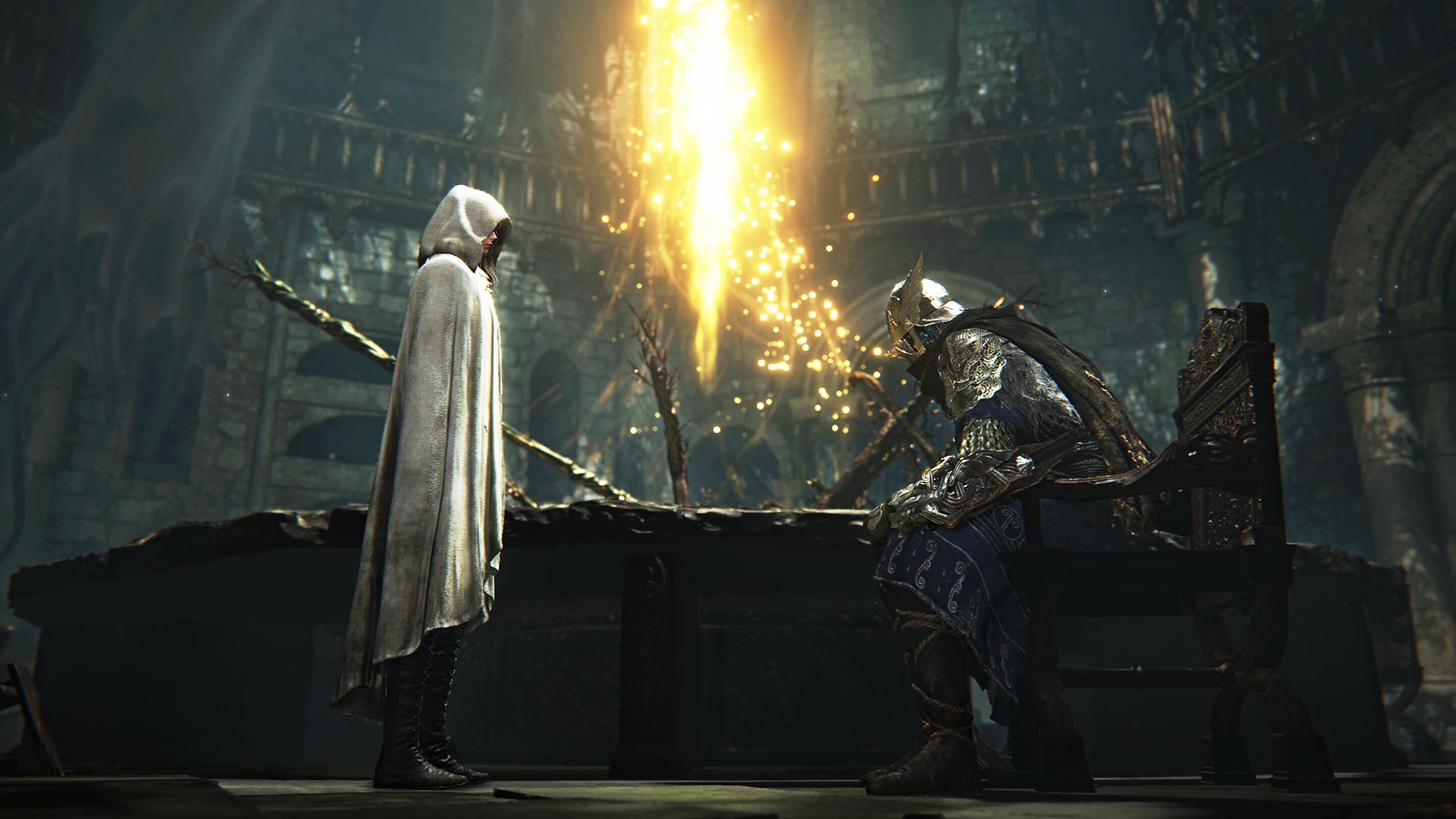
As we approach the annual Game Awards, discussions are heating up about which titles deserve a nod for Game of the Year in 2025. While debates swirl around the merits of Clair Obscur: Expedition 33 versus Death Stranding 2: On The Beach, a specific group of fans is making their voices heard: advocates for FromSoftware’s latest offering, asserting that Elden Ring: Nightreign warrants inclusion in the GOTY conversation.
Despite the acclaim Elden Ring: Nightreign has garnered, a segment of the gaming community remains unwavering in their belief that Clair Obscur: Expedition 33 currently holds the top spot for 2025. The contention between supporters of Nightreign, Clair Obscur, and Death Stranding 2 has led to both constructive and less-than-productive exchanges regarding the strengths and weaknesses of each game. When it comes to critiquing Elden Ring: Nightreign, a common retort from some is a simple “git gud.” However, raising concerns about a game like Nightreign doesn’t automatically equate to a lack of skill or understanding.
Open and honest critiques of the Soulslike genre are essential.
While this issue extends beyond FromSoftware games, their fanbase has gained a reputation for resisting criticism. These fans are fiercely loyal, and for good reason – the Dark Souls series boasts some of the most impressive titles ever made. However, even these games aren’t flawless. Since Elden Ring, the studio’s approach has shifted, leaving some, including myself, hesitant about the evolving difficulty and presentation. Sharing such opinions can invite unwanted attention from certain corners of the fanbase.
Consider this: A user on Nightreign‘s Steam forum voiced their frustration about being paired with teammates who didn’t match their skill level. While the criticism might not be perfect, it holds merit. Teamwork is crucial in Nightreign, where voice chat is absent, leading to potentially doomed runs when matched with less skilled players. The responses, however, weren’t exactly sympathetic. “Sounds like a skill issue on your part,” one reply stated.
Anyone familiar with Soulslike communities has likely encountered this sentiment. I even saw it in a Facebook group post where, the day after Nightreign‘s launch, the author preemptively dismissed any criticism with “If you don’t like Nightreign, it’s a skill issue on your part…” While only a minority of hardcore fans dismissively brush aside all critique, there has been pushback against this attitude within the community.
Nightreign has faced criticism from both players and reviewers for its unbalanced difficulty, particularly the challenging solo experience at launch. While FromSoftware introduced a Duo mode, it too suffered from balancing issues. In response, patches aimed at improving the solo experience have been released. Some argue that specific design choices point to deeper issues rather than player shortcomings. Despite FromSoftware acknowledging these issues through patches, some loyal fans still attribute player frustration to a lack of skill.
Not all difficulty is created equal. A challenging game isn’t necessarily a well-designed one. Soulslike games are known for their difficulty, but in some cases, it’s led to division within the community. Elden Ring: Shadow of the Erdtree, an exceptionally challenging DLC, serves as a prime example. Its difficulty caused even veteran players to quit in frustration, particularly due to the battle against Promised Consort Radahn (before its subsequent adjustments).
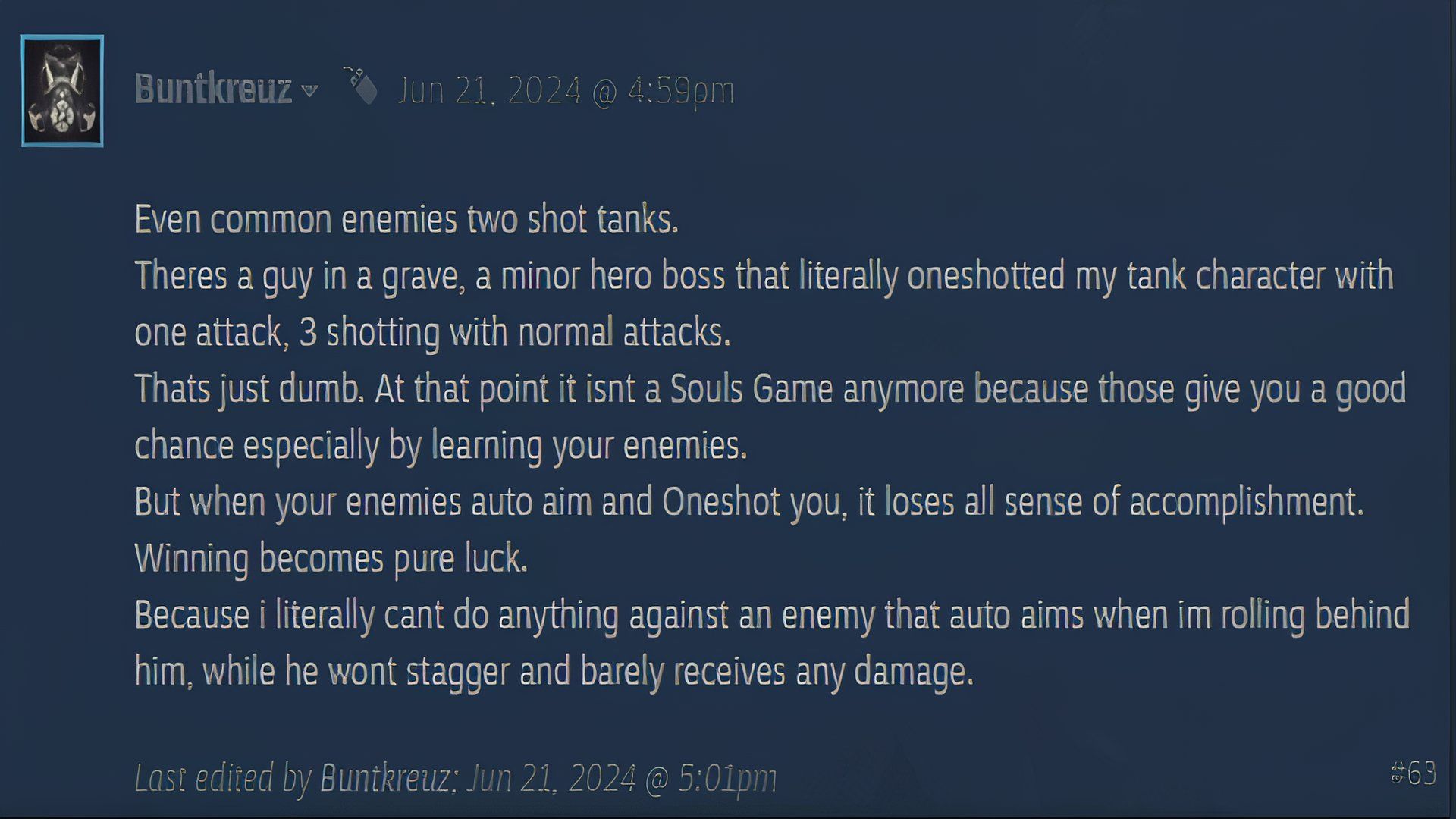
Since Dark Souls 3, players have criticized sharp difficulty spikes as lazy substitutes for thoughtful design. Players are justified in their frustration when games present challenges that feel unfair or arbitrary. Wuchang: Fallen Feathers faces a similar critique.
While a challenging experience can be fulfilling, as it often is in Soulslike games, not every developer possesses FromSoftware’s expertise. Some studios have learned that easing up on the difficulty can improve a game’s overall health.
Games like Dead Cells, Celeste, Sifu, and Lies of P demonstrate a willingness to reconsider initial design choices. Dead Cells and Celeste now include Assist Modes for less skilled or disabled players. Sifu and Lies of P went further by adding difficulty settings, expanding accessibility. Initially, Lies of P‘s director, Jiwon Choi, echoed the FromSoftware sentiment, stating that “Soulslike games shouldn’t have difficulty options.” However, the Overture DLC patch marked a complete reversal of this stance.
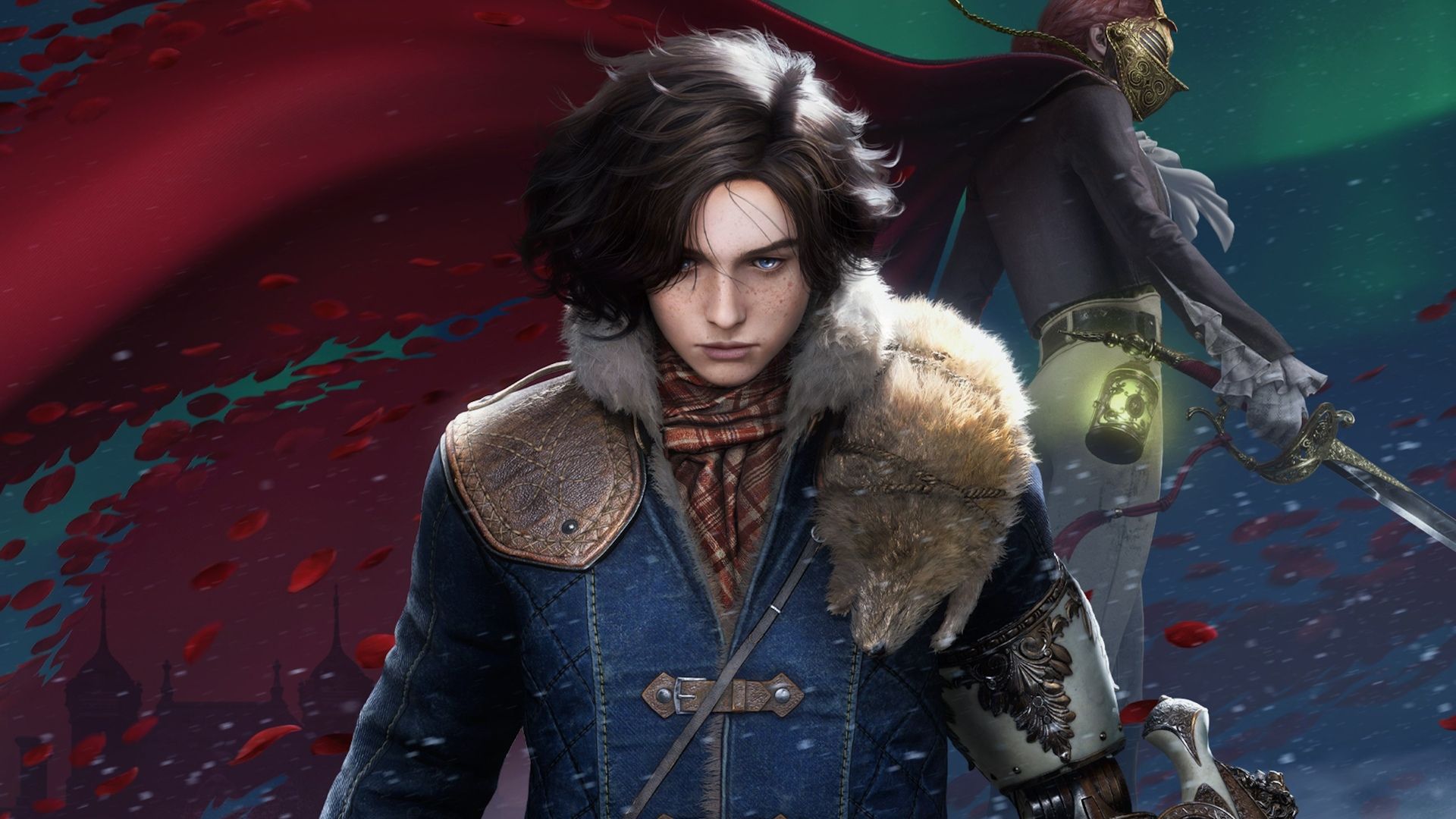
Much to some players’ dismay, these developers are showing a willingness to evolve and adapt. Even the genre’s leading figures are listening to player feedback, allowing more people to experience some of the best games available, made possible by insightful criticism.
Good criticism goes beyond simply complaining about the difficulty. The Soulslike genre often faces other issues that are overshadowed by debates about whether the games are too hard or not hard enough. Common issues include camera and control problems. The lock-on camera can be erratic in confined spaces or when fighting large bosses. Deaths caused by a camera that isn’t zoomed out far enough to see the enemy’s actions are not uncommon. Input buffering has also been a frequent complaint. If these games insist on being difficult, it’s crucial that the difficulty stems from the enemy, not from fighting against the game’s interface.
Another recurring obstacle is the obscure storytelling and lore. Instead of a straightforward narrative, Soulslikes tend to present fragmented stories through item descriptions, environmental cues, and easily missed NPC dialogue. While intentional, this stylistic choice is a valid point of contention. Without external resources like wikis or streamers, players can easily become lost in the game’s plot.
These games, despite their popularity, have flaws beyond their difficulty. As the genre evolves, developers are beginning to address these issues, from fixing wonky cameras to streamlining convoluted quests. Soulslikes have the potential to be even better, but that will require productive criticism. Not everything boils down to a “skill issue,” and if developers hold players accountable, players should do the same for them.