
22h05 ▪
3
min read ▪ by
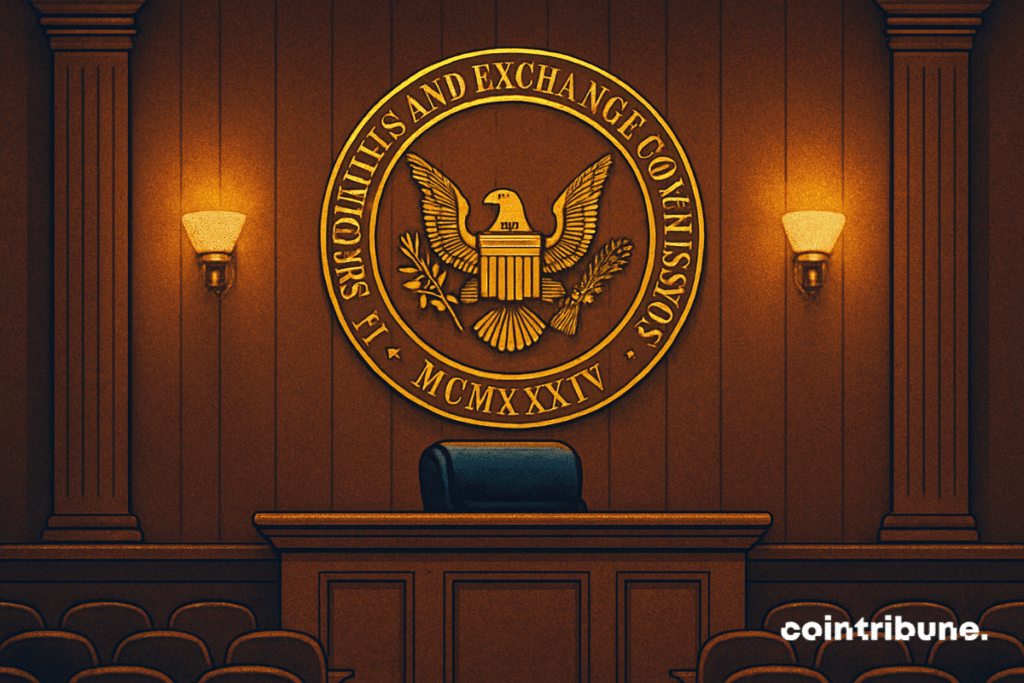
After resolving its protracted, almost five-year-long dispute with Ripple Labs, the U.S. Securities and Exchange Commission (SEC) is now turning its attention toward establishing a well-defined regulatory structure for the digital currency marketplace.
In Brief
- The SEC’s legal confrontation with Ripple Labs, which persisted for nearly half a decade, has come to an end, now freeing up agency resources to concentrate on formulating transparent cryptocurrency regulations.
- According to SEC Chair Paul Atkins and Commissioner Hester Peirce, the agency is now capable of giving precedence to the creation of a framework that inspires innovation and safeguards investor interests.
- The settlement in the case takes place while Congress discusses the CLARITY Act, which is experiencing considerable partisan division regarding digital asset legislation.
From Courtroom to Rulemaking
Last Thursday, both Ripple and the SEC jointly requested the dismissal of their respective appeals to the Second Circuit Appeals Court, each agreeing to cover their own expenses. This effectively concluded one of the most intently monitored legal battles within the digital asset industry.
SEC Commissioner Hester Peirce described the resolution as a “welcome development,” as reported by Cointelegraph observing that the attention previously consumed by litigation could now be directed toward developing sound and accessible policies. SEC Chair Paul Atkins added:
With this chapter closed, we now have an opportunity to shift our energy from the courtroom to the policy drafting table. Our focus should be on building a clear regulatory framework that fosters innovation while protecting investors.
The Long-Lasting SEC-Ripple Case
Back in December 2020, the SEC initiated legal action against Ripple, alleging the company generated $1.3 billion via unregistered sales of XRP, categorized as securities. In July 2023, Judge Analisa Torres delivered a ruling stating that XRP did not qualify as a security when sold to retail investors but did constitute a security in institutional sales. Ripple was subsequently fined $125 million in August 2024.
The conclusion of the SEC’s case against Ripple happens concurrently with legislative initiatives to approve the Digital Asset Market Clarity Act (CLARITY Act). This act is designed to offer precise definitions of digital asset market structures, thus providing greater regulatory certainty.
Push for the CLARITY Act
Republican legislators and the Senate Banking Committee are pushing to enact the bill before September 30th, however the bill is facing opposition from prominent Democratic members.
House Financial Services Committee ranking member Maxine Waters has described the bill as “dangerous,” warning that it has the potential to weaken the protections afforded to investors. Democrats have also expressed resistance to the Anti-CBDC Surveillance State Act, an additional bill sponsored by Republicans that intends to prohibit the establishment of a U.S. central bank digital currency. As the political discourse intensifies, the SEC‘s ensuing actions will be carefully scrutinized by both policymakers and stakeholders within the cryptocurrency sector.
Maximize your Cointribune experience with our “Read to Earn” program! For every article you read, earn points and access exclusive rewards. Sign up now and start earning benefits.

I’ve been passionate about crypto for nearly a decade, ever since I was young and first became curious about investing. That early spark led me to years of research, writing, and exploring the future of decentralized tech.
DISCLAIMER
The views, thoughts, and opinions expressed in this article belong solely to the author and should not be considered as investment advice. Conduct thorough research before making any investment decisions.