

Enjoyed our Crypto 101 series last week? Great! We’re back with another short and sweet crypto lesson for you today! 🎉
(New to the series? No problem! We’ve previously explored various crypto trading strategies, compared centralized (CEX) and decentralized (DEX) exchanges, discussed the differences between hot and cold crypto wallets, and showed you how to identify potential crypto scams. Feel free to check them out!)
However, there’s one topic we haven’t covered yet – and some of you requested it: dApps.
So, let’s dive in right now! 👇
|
|
First things first: what exactly are dApps?
dApps, short for decentralized applications, are essentially applications that operate on a blockchain network.
Typical applications are controlled by a single entity, which owns the servers, source code, and your personal data. This allows them to modify the terms of service or even shut down the service completely. Think of platforms like Instagram, Spotify, or Netflix.
dApps, conversely, have their rules embedded within smart contracts – self-executing code stored on the blockchain.
These smart contracts execute automatically when predefined conditions are fulfilled. Instead of relying on a single corporation, dApps are sustained by a vast network of independent computers (nodes).
There isn’t a central authority like Mark Zuckerberg in charge. You interact with dApps using a crypto wallet, such as Zengo, ensuring that you remain in control of your digital assets and information.
|
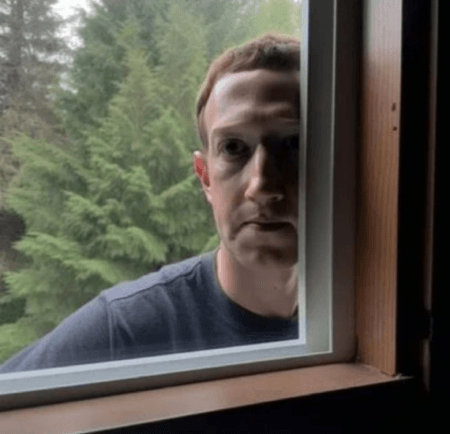
So… what can you actually *do* with dApps?
Essentially, anything you can do with a traditional app, plus several things unique to the crypto space:
-
Trading (for example, dYdX);
-
Borrowing and Lending (such as Aave);
-
Gaming (take Axie Infinity, for instance);
-
NFTs (think of platforms like OpenSea);
-
Social Networking (like Farcaster);
-
And many more possibilities!
Basically, if a Web2 version exists, there’s likely someone working on a decentralized Web3 alternative.
This is crucial because dApps are where cryptocurrency demonstrates its practical utility. You can access tools, exchange digital currencies, generate yield, acquire NFTs, and engage with online communities.
|

Before you get too enthusiastic, let’s be realistic: dApps aren’t flawless:
👉 Many still resemble the early internet experience with clunky interfaces and confusing jargon, which can be overwhelming for beginners.
👉 You’ll also encounter blockchain-specific issues like transaction fees (gas fees) and confirmation delays.
👉 Due to their decentralized nature, there’s no traditional customer support to complain to if you make an error.
👉 Some dApps experience significant slowdowns when usage is high.
👉 Smart contract vulnerabilities can allow hackers to steal funds, with no possibility of reversing the transaction.
👉 Scam dApps can trick you into connecting your crypto wallet and stealing your digital assets.
👉 Finally, the legal landscape is ambiguous. The absence of a central authority makes regulation challenging, and this uncertainty could cause problems in the future.
However, if you can overcome these challenges, dApps are where cryptocurrency becomes truly tangible.
Approach them with curiosity, caution, and always double-check the URL before connecting your wallet.
|
You’re now informed! Consider your friends – they might be in the dark. Perhaps you could enlighten them? 😃🫵 Share the knowledge and be the hero you’re destined to be! |