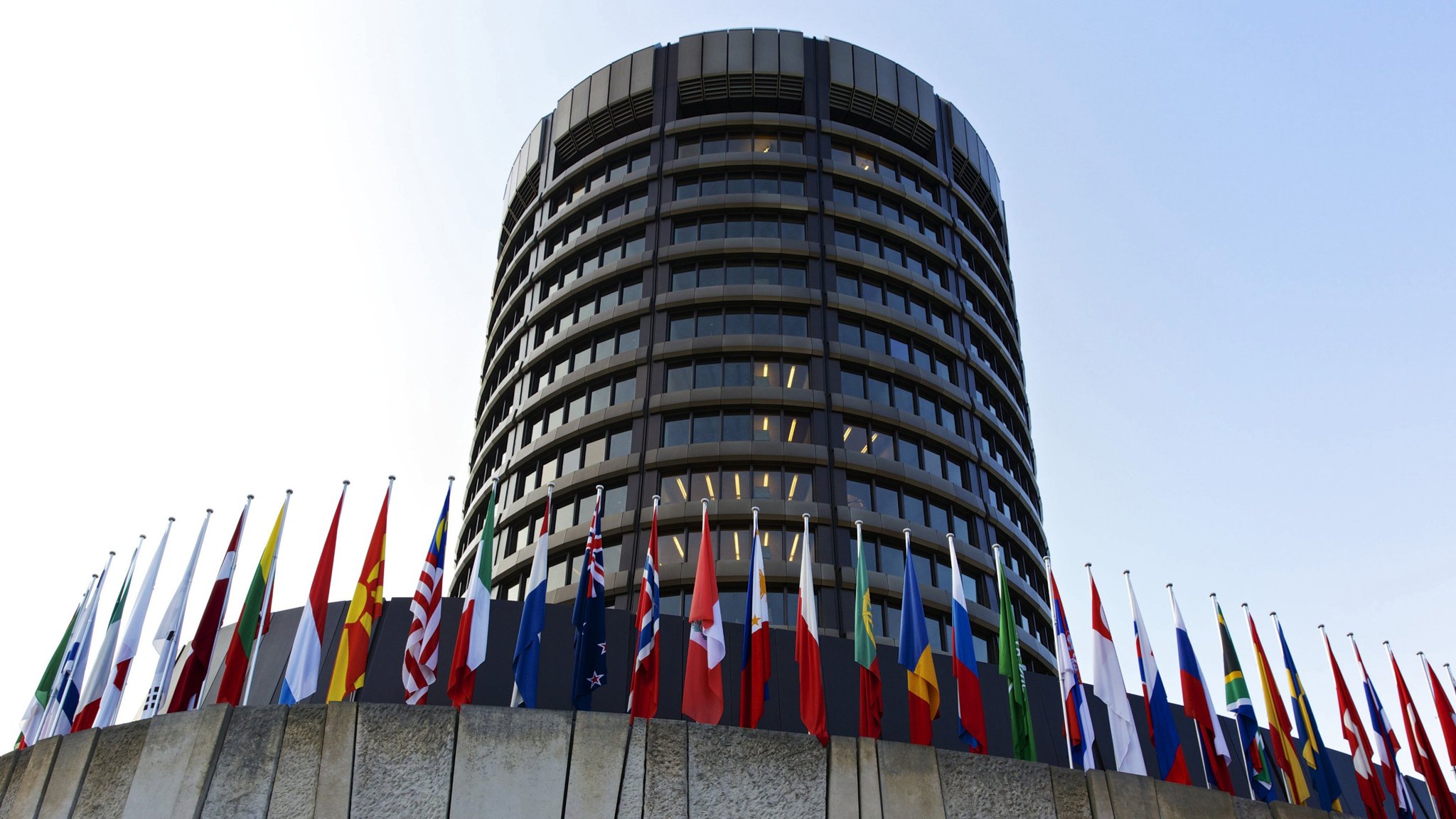
The organization for central bank cooperation, BIS, has proposed a novel system for evaluating cryptocurrency anti-money laundering (AML) compliance on a global scale.
This new plan is intended to assist regulatory bodies and cryptocurrency exchanges in pinpointing digital currencies potentially used in illegal operations. The goal is to limit the ability to convert these assets into government-backed currency.
The suggested approach would assign each digital wallet or asset a score reflecting its history of transactions. Cryptocurrencies which are frequently involved with wallets associated with crimes –like wallets used for paying ransomware, handling stolen money, or in money-laundering activities–would receive a lower score.
The BIS imagines a world where each country can set minimum score standards. Should a digital currency’s rating fall short of the locally-defined minimum, exchanges within that country would be obligated to block its conversion to legal tender. This effectively functions as a compliance checkpoint, barring higher-risk digital assets from entering mainstream financial channels.
Researchers at the BIS believe this score-based approach has two critical advantages:
- Greater Financial Safety: Hindering the flow of funds generated from criminal activity inside the digital currency ecosystem.
- Enhanced Confidence: Making institutional investors more confident and promoting greater integration with traditional financial systems.
Successful rollout of the system could significantly change how regulators and exchange platforms tackle crypto governance. This could introduce new compliance hurdles for individual and institutional traders alike. While supporters might view this as a way to clean up the cryptocurrency sector, detractors might voice reservations about individual privacy and potential overreach when it comes to classifying activities as “unlawful.”