
12h05 ▪
3
min read ▪ by
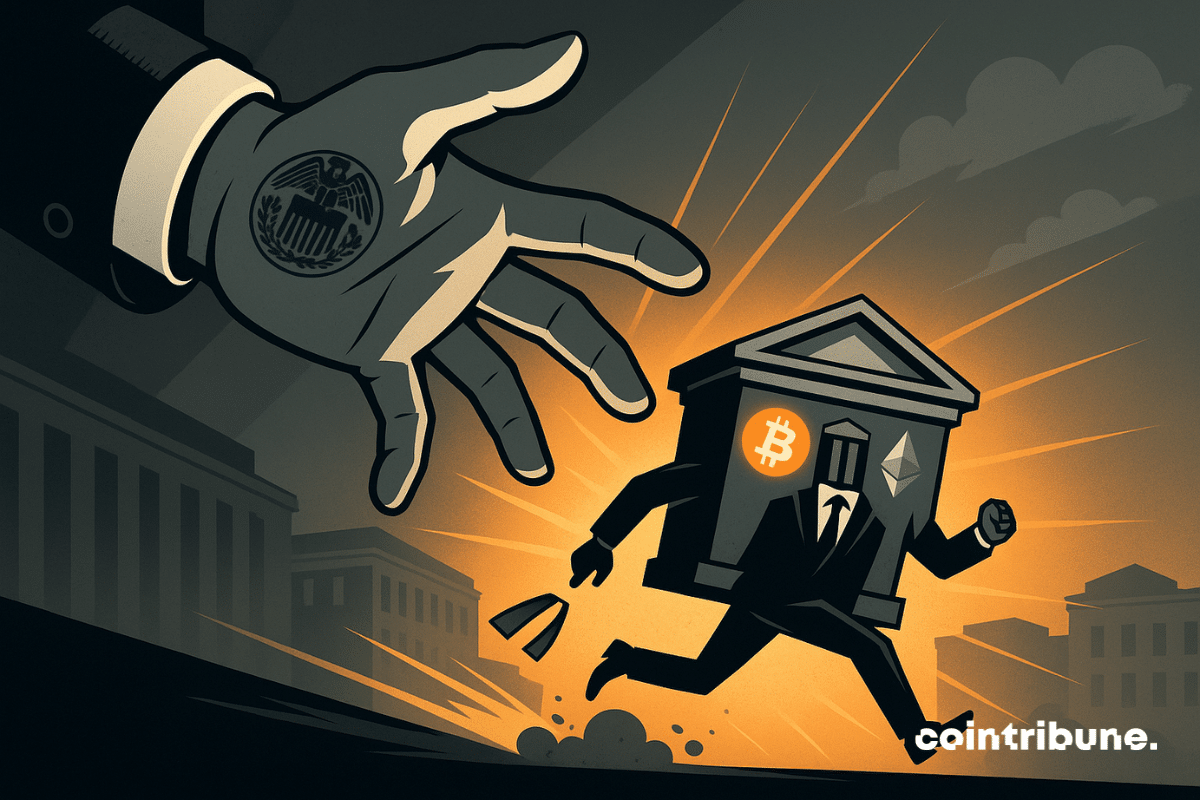
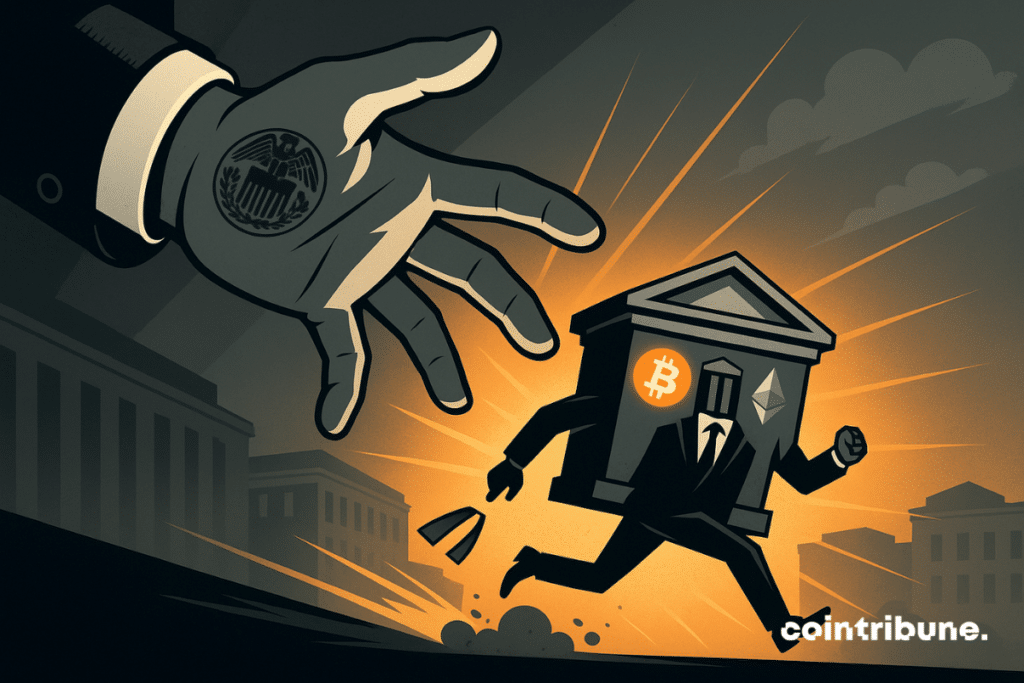
After years of cautious monitoring, the U.S. central bank, the Federal Reserve, is shifting its stance on banks’ involvement with cryptocurrencies. The Fed is discontinuing its specific monitoring program, believing the potential hazards associated with digital assets are now better understood and can be managed within the standard banking regulatory framework.
In brief
- The Federal Reserve is ending a special monitoring program initiated in 2023 that specifically oversaw banks engaged in cryptocurrency activities, focusing on risk management.
- Activities like crypto-asset custody, dealing with stablecoins, and tokenization will now be overseen through the standard banking supervision process.
- This move eases restrictions on banks and could pave the way for the introduction of innovative crypto-related services within the United States financial sector.
A Regulatory Shift for Cryptocurrencies
The Federal Reserve System made an announcement Friday regarding the termination of its dedicated surveillance program that was tracking banks offering crypto services. This framework, established in 2023, previously required institutions interested in providing digital asset custody, stablecoin services, or tokenization to notify the Federal Reserve and adhere to stringent guidelines. The aim was to regulate what was perceived as a high-risk sector with limited understanding.
Now, the central bank believes it has developed a stronger grasp of the pertinent challenges. In an official declaration, the Fed states that it has significantly improved its understanding of activities in the crypto space. The agency communicates that it understands the associated risks and the practices involved in managing cryptos within banking operations. As a result, this focused monitoring by the Fed is no longer deemed essential.
This development does not mean oversight is eliminated. Rather, it signals an end to a framework viewed as more restrictive than standard banking supervision. Going forward, crypto-related activities will be assessed as part of the routine supervisory review.
Impacts on Banks and the Cryptocurrency Market
For American financial firms, this decision reduces the administrative burden. This may also facilitate quicker incorporation of crypto-related offerings into their service portfolios. Banks will no longer be bound by a separate protocol. However, they are still required to demonstrate effective risk management in accordance with established industry standards.
This alteration may also stimulate the entry of new participants. Previously hesitant entities, discouraged by complicated procedures, can now consider alternative approaches. Specifically, they might find it easier to explore ventures linked to stablecoins, crypto custody options, or tokenized payment solutions.
From a market perspective, the announcement suggests a more lenient regulatory environment. The United States has often faced criticism for perceived over-caution towards the crypto sector. This adjustment may strengthen the competitive positioning of U.S. banks in comparison to their counterparts in Europe and Asia, where crypto integration is further advanced.
While the Federal Reserve is easing controls, it is not abandoning its regulatory responsibilities. Activities concerning cryptocurrencies, stablecoins, and tokenization will still be subject to regular audits and examinations, focusing primarily on operational vulnerabilities, cybersecurity protocols, and compliance measures.
Enhance your Cointribune engagement by joining our “Read to Earn” initiative! Collect points for each article you read and unlock exclusive advantages. Register now and begin earning rewards.

Enseignante et ingénieure IT, Lydie découvre le Bitcoin en 2022 et plonge dans l’univers des cryptomonnaies. Elle vulgarise des sujets complexes, décrypte les enjeux du Web3 et défend une vision d’un futur numérique ouvert, inclusif et décentralisé.
DISCLAIMER
The views, thoughts, and opinions expressed in this article belong solely to the author, and should not be taken as investment advice. Do your own research before taking any investment decisions.