
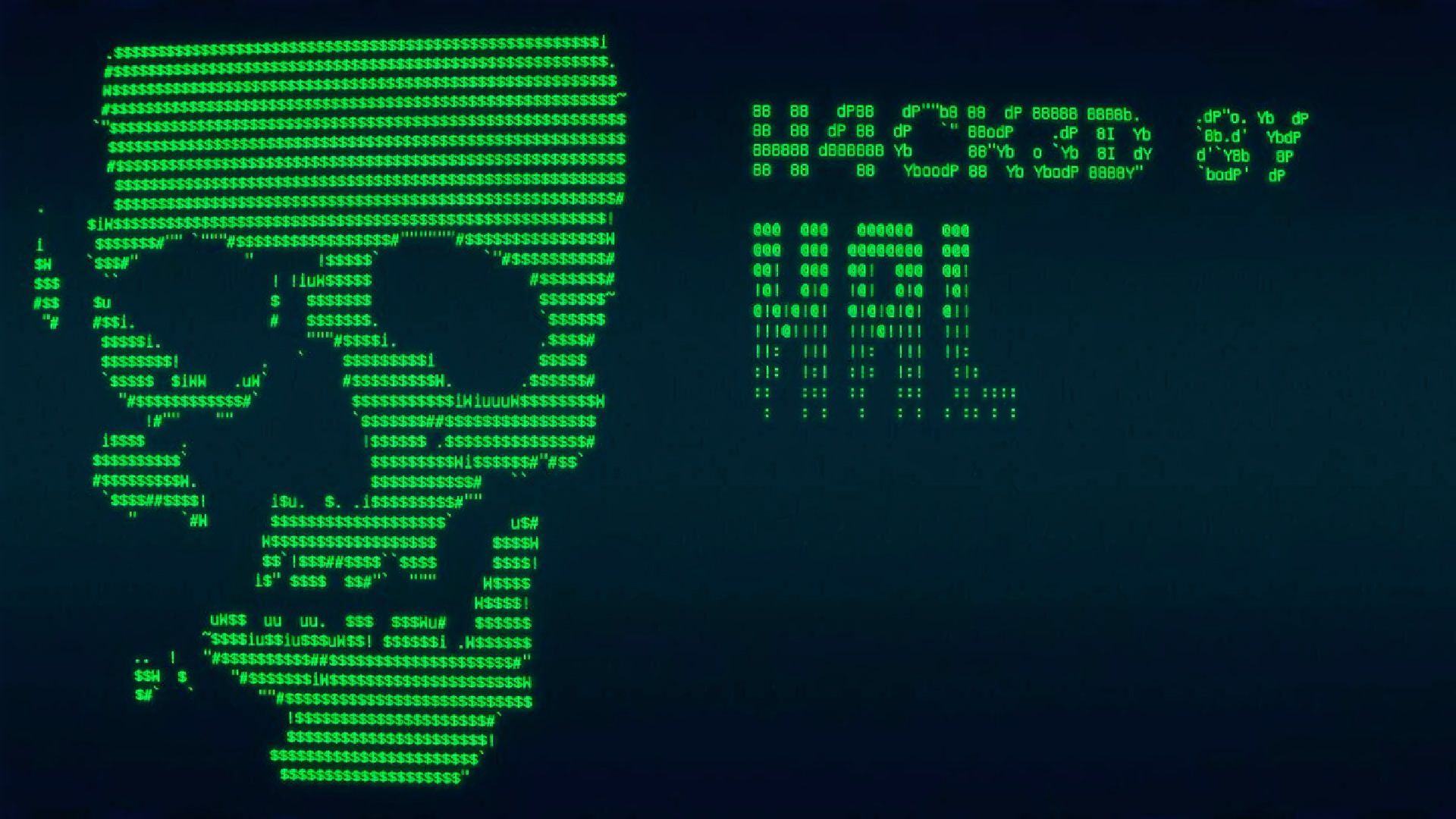
Almost from the opening scenes of War of the Worlds (2025), it felt strangely familiar. Not the 2005 movie version, but something else entirely. The feeling came from The Operator, a point-and-click mystery game launched for PCs in 2024. Both deliver their stories through the lens of a computer screen. One is a gripping, slowly unfolding conspiracy; the other is War of the Worlds.
Perhaps the “screenlife” approach didn’t suit War of the Worlds. The narrative might have been more engaging as a video game.
Director Rich Lee utilizes the screenlife method in War of the Worlds, revealing nearly the entire story via the computer screen of its main character, Will Radford (played by Ice Cube). While screenlife isn’t inherently flawed, the movie’s concise ninety-minute timeframe prevents it from truly capitalizing on its potential. To maintain a quick pace, every key plot point is crammed together, sacrificing the gradual tension building that defines successful thrillers. Further, the movie’s tone is inconsistent, oscillating between suspense and light comedy, contributing to a somewhat disjointed viewing experience.
Conversely, the varying tones in The Operator work more effectively because the game doesn’t rush its ending.
The Operator begins with the player investigating different cases – murder, disappearances, even a bomb threat – before revealing a larger, sinister conspiracy later on. Being roughly twice as long as War of the Worlds, The Operator allows the story ample room to develop. Where War of the Worlds rapidly progresses through its story, The Operator empowers the player to set the pace. The speed of the investigation is entirely dependent on the player’s approach. This same level of engagement, if integrated into War of the Worlds, could have resolved its pacing problems without significantly altering the narrative.
A frequent criticism of War of the Worlds is that it’s essentially “watching someone type,” which lacks viewer engagement. However, in a game like The Operator, you become that person. This setup transforms from passive observation to active participation. Several of War of the Worlds’ reveals fell flat, but imagine uncovering an alien invasion and government conspiracy while also managing a complicated family life, all through player agency. The story’s impact could have been far greater.
Assuming the role of Will Radford could have made even the film’s more mundane scenes – such as monitoring his kids or browsing his deceased wife’s social media – into optional world-building moments. In a game format, players could research alien behaviors by analyzing redacted documents and security footage. Uploading a virus to counter the threats could have been an engaging mini-game, granting the player a level of control impossible for a viewer. The positive reception to The Operator from both fans and critics is evidence that a screenlife-based game can be enjoyable. (Also, the ending of the game, where the player guides a character through a government building, is strikingly similar to the conclusion of War of the Worlds.)
While both The Operator and War of the Worlds explore storytelling in similar ways, the critical and audience reactions suggest that what may fail in a film could excel as a game. Though The Operator also received some critiques, some of them mirroring criticism of War of the Worlds, the former boasts a Metacritic score of 78, while the latter scores a mere 6. A key difference lies in War of the Worlds presenting all the components of a tense conspiracy thriller to a passive audience. The Operator empowers players, placing those elements directly in their control.