
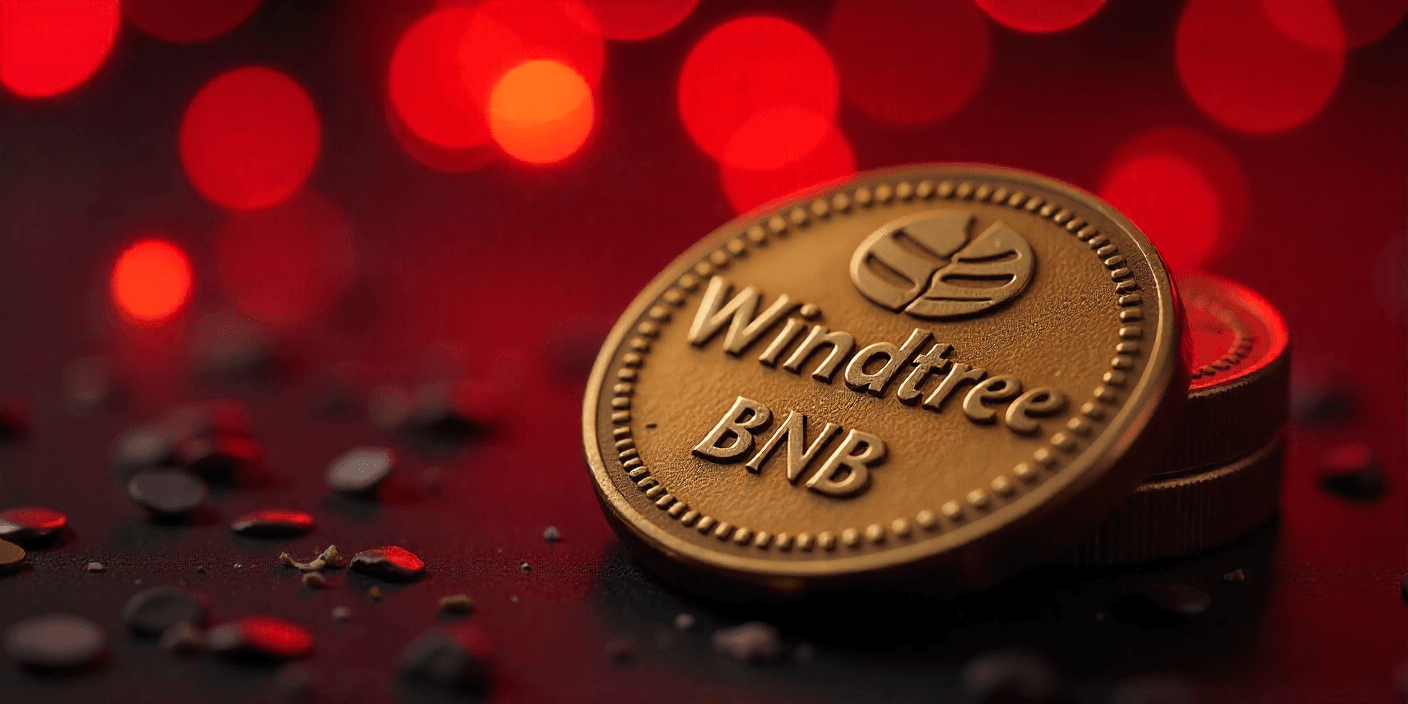
Windtree Therapeutics faces removal from the Nasdaq exchange after its share price plummeted below the required $1 minimum. This setback follows the company’s unsuccessful attempt to revitalize its prospects with a risky venture into cryptocurrency. Mere weeks after announcing intentions to acquire up to $700 million in Binance’s BNB tokens, a bold move into the digital asset space, the biotech firm is being delisted, its stock value experiencing a significant drop of nearly 80% in a single trading day. The situation raises crucial questions: Was this a final, desperate attempt to survive, or does it demonstrate that embracing cryptocurrency hype cannot compensate for underlying weaknesses?
Why Was Windtree Delisted From Nasdaq?
Windtree Therapeutics, a pharmaceutical developer located in Pennsylvania, has confirmed that trading of its shares on Nasdaq will be suspended starting August 21, due to its inability to maintain the minimum $1 share price. The company’s stock price took a sharp dive of 77% in a single day, closing at a meager $0.11. Although Windtree was initially listed on the exchange in 2020, it has received multiple deficiency warnings from Nasdaq since 2022. This latest suspension reflects a persistent failure to meet the exchange’s listing requirements, not simply a temporary market fluctuation.
The $700 Million BNB Investment: Strategy or Speculation?
In July, Windtree surprised market observers by revealing plans to invest up to $700 million in Binance’s BNB token. This decision was made shortly after BNB reached a new peak value, suggesting a more opportunistic approach rather than a well-thought-out strategy. For a biotech company struggling financially, suddenly transforming into a “crypto treasury” raises doubts about the true intentions behind the move. Investors remained unconvinced, as the stock price continued to decline despite the announcement.
Why Did the Cryptocurrency-Based Treasury Plan Fail?
Windtree’s investment in BNB faced two key challenges. Firstly, it lacked synergy with the company’s existing expertise. A biotech firm venturing into digital assets can be seen as a sign of desperation, not ingenuity. Secondly, the cryptocurrency market has proven to be highly volatile. BNB’s initial gains quickly faded, negatively affecting both cryptocurrency values and the related stock valuations. Windtree briefly regained compliance earlier in the year, but overall market weakness in the crypto sector erased those gains.
Broader Trend: Cryptocurrency-Related Stocks Face Challenges
Windtree is not alone in experiencing these difficulties. Several publicly traded companies, including KindlyMD, SharpLink, Coinbase, and Strategy, have seen their stock values decline in line with the downturn in the cryptocurrency market. The correlation between digital asset performance and equity valuations has become increasingly evident in 2025. The lesson is that using crypto as a treasury reserve or promotional tool may create short-term excitement but cannot conceal fundamental weaknesses.
What Awaits Windtree on the OTC Market?
Following its delisting, Windtree will be traded on the over-the-counter (OTC) market under the ticker symbol WINT. While OTC markets have less stringent requirements, they also offer significantly reduced visibility and trading volume. This makes it more difficult to raise capital and diminishes interest from institutional investors. Companies that transition to OTC status often struggle to recover unless they implement a clear and convincing recovery plan.
Future Outlook: Can Windtree Survive?
Here’s a potential outlook for the company:
Short-term (next 6 months): Windtree’s stock is likely to experience substantial volatility in the OTC market, driven primarily by speculative trading. Any further involvement in cryptocurrency will be closely scrutinized and may not restore investor confidence.
Medium-term (6–18 months): If the company does not refocus on its core biotech activities or generate meaningful revenue from digital asset operations, its financial situation could worsen.
Long-term (2+ years): The company’s survival depends on regaining investor trust. Without strong fundamental performance, Windtree risks becoming another example of a corporate shift into cryptocurrency hype that ultimately failed.
Key Conclusion
Windtree’s delisting is more than just a matter of Nasdaq compliance. It serves as a warning to other financially challenged companies considering cryptocurrency holdings as a solution. Positive narratives alone cannot save a company if its underlying fundamentals are flawed. Windtree now faces the challenging reality of OTC trading, where only concrete results, not publicity, will determine its future.
$BNB, $BinanceCoin, $WINT