
The world of digital currencies is constantly changing, and new ways to invest and trade are always appearing. One such innovation is crypto derivatives. These financial tools allow traders to engage with the cryptocurrency market without actually owning the underlying assets. Crypto derivatives, like perpetual contracts, options, and futures, give investors the opportunity to use leverage, control potential risks, and potentially increase profits.
As crypto derivatives become more common, they offer traders a wider range of options for their strategies. This guide explains how crypto derivatives trading works, offering insights to help you use these instruments effectively.
Understanding Crypto Derivatives
Crypto derivatives are a way to trade cryptocurrencies without holding the actual coins or tokens. Unlike typical crypto trading, where you buy and store assets in a digital wallet, derivatives enable you to speculate on the future price of digital currencies like Bitcoin or Ethereum without needing to own them directly. These include popular instruments such as futures, options, and perpetual swaps.
The value of a derivative is based on the price of the underlying crypto asset. These instruments play a crucial role by increasing liquidity, sometimes exceeding that of regular spot trading. They make it easier to execute trades and can influence market prices, providing an alternative way to participate in the crypto market.
How Do Crypto Derivatives Function?
Types of Cryptocurrency Derivatives
1. Futures Contracts
Cryptocurrency futures are derivative contracts where investors make predictions about the future price of a cryptocurrency. The buyer agrees to purchase the asset from the seller at a specific price on a future date, taking either a long or short position. In a long position, traders profit if the asset’s price increases above the predetermined price in the futures contract. Conversely, traders with a short position benefit if the asset price falls below the contract’s settlement price.
Traders can close their positions before the contract expires. A long trader can sell the futures contract to someone else, while a short trader can buy back the underlying asset. Futures are a zero-sum product, meaning there will be a winner and a loser, determined by the difference between the contract price and the market price at the time of execution.
Advantages
- Investors can protect themselves against risk by securing an asset’s future price.
- Investors can potentially profit by speculating on future price movements.
- Users can diversify their investment portfolios.
Disadvantages
- It’s possible to lose more than the initial investment.
- Futures contracts can be complicated and require significant understanding and experience.
- Futures are affected by market volatility.
Source: Cointelegraph
2. Options Contracts
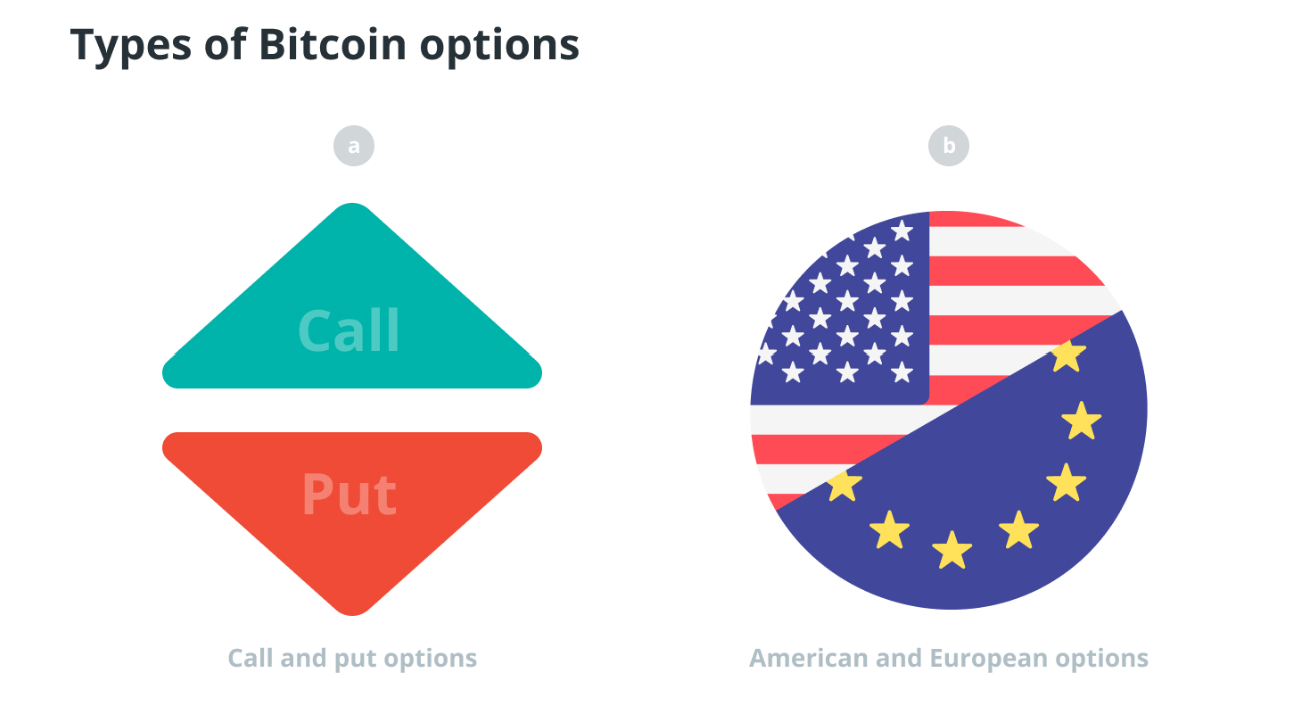
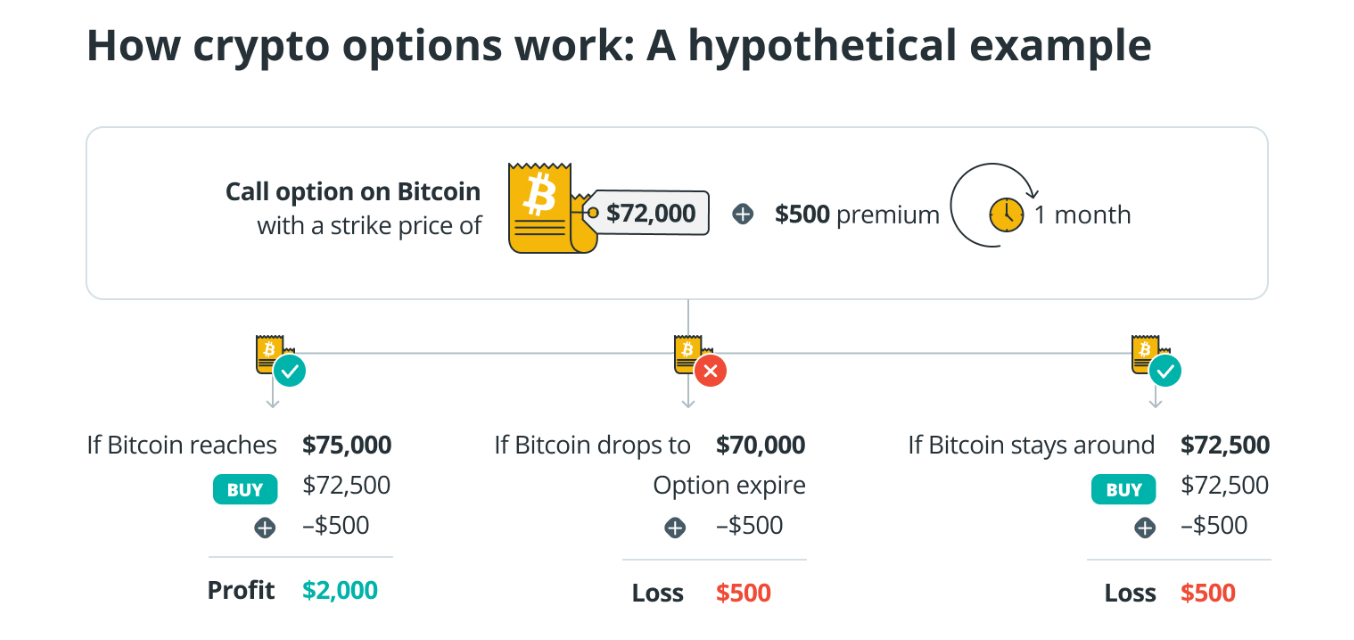
Options are crypto derivative contracts that give the buyer the right, but not the obligation, to buy or sell an asset at a specific price on a specific date. Unlike futures contracts, options don’t require the buyer or seller to execute the contract if it’s unprofitable. The right to buy is called a call option, and the right to sell is called a put option. Buyers can execute the contract at expiration or before, depending on the option type:
- American (anytime): Buyers can exercise the option at any time before expiration.
- European (point of expiration): The option can only be exercised on the expiration date and time.
Source: Cointelegraph
Since the buyer can withdraw from the contract if it’s unprofitable, they pay a premium to the option seller. This compensates the seller when the buyer chooses to withdraw without executing the contract. The premium serves as insurance, protecting the seller.
Advantages
- Investors can withdraw early if they believe the trade will be unprofitable.
- Traders can use options to hedge against market volatility by speculating on price movements.
- Investors can leverage their capital with a smaller investment to control a larger position.
- Options can be more affordable than other derivative contracts.
Disadvantages
- Options contracts can be difficult to understand.
- Options have expiration dates, requiring traders to be aware of when their options expire.
Source: Cointelegraph
3. Perpetual Contracts
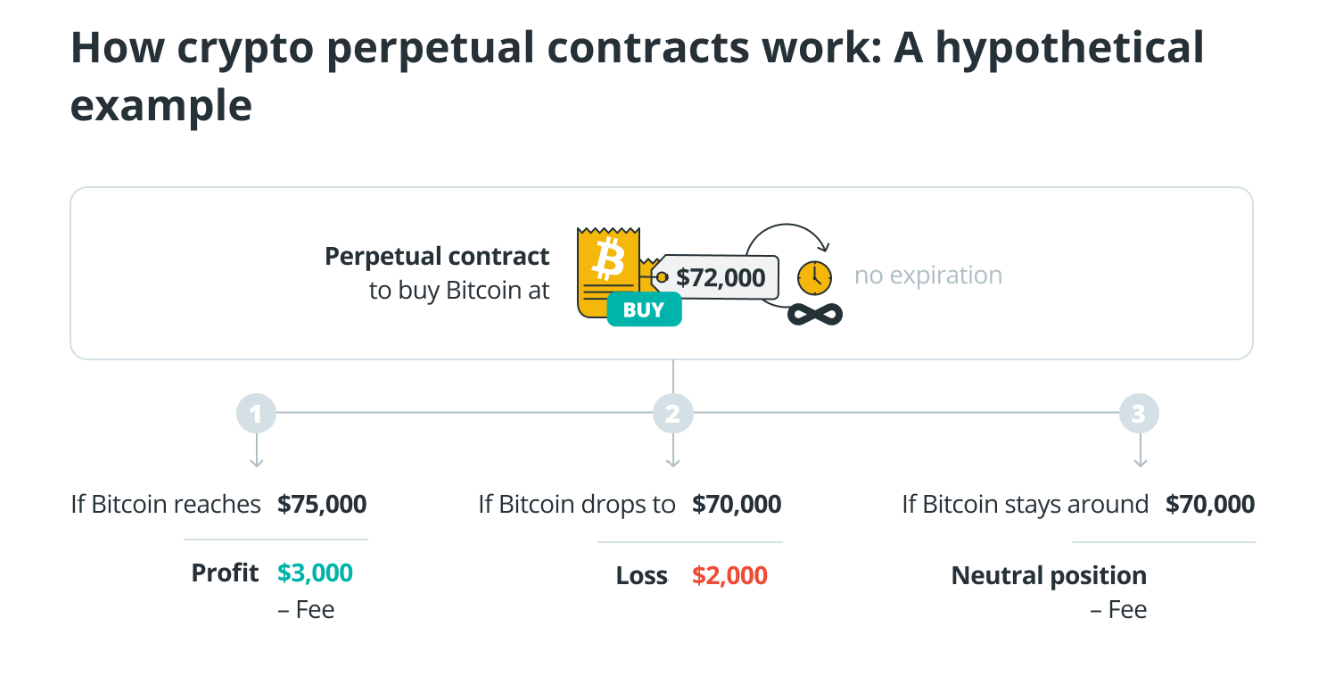
Perpetual contracts are similar to futures contracts but do not have a predetermined expiration date. This allows investors to keep the contract open as long as they want.
These contracts track the price of the underlying cryptocurrency using a funding rate model, ensuring the contract’s value aligns with the underlying asset. Long position holders pay a fee to short position holders, and vice versa, balancing long and short positions. If too many traders take long positions, the system incentivizes short positions by offering funding rate fees.
Advantages
- Some exchanges offer high leverage ratios.
- They offer a lower barrier to entry compared to traditional futures derivatives.
- They provide a low-risk profit opportunity through indirect exposure to the crypto market.
Disadvantages
- There is a high liquidation risk if using a large amount of leverage.
4. Derivative Swaps
Derivative swaps are similar to futures contracts but without an expiration date, allowing traders to maintain a position for as long as they want and potentially use greater leverage. In a derivative swap, parties agree to exchange one cryptocurrency for another on a predetermined date and at a pre-agreed rate, which the investor can use for arbitrage, speculation, or hedging against inflation.
Investors engage in blockchain derivative trading directly on the blockchain network, using smart contracts to automate the process for secure and transparent transactions, often on decentralized exchanges or DeFi protocols.
Advantages
- Derivative swaps don’t have expiration dates, allowing indefinite holding without managing expirations or rollovers.
- Investors can trade continuously, entering and exiting positions freely.
- Derivative swaps offer high leverage, allowing a small capital outlay to control a significant position.
- Traders can track the derivative swap using the spot price of the underlying asset, minimizing tracking errors.
Disadvantages
- The funding rate mechanism used to maintain price alignment can erode profits.
- High leverage increases liquidation risk if the market moves unfavorably.
- Sudden price fluctuations can lead to liquidation and slippage.
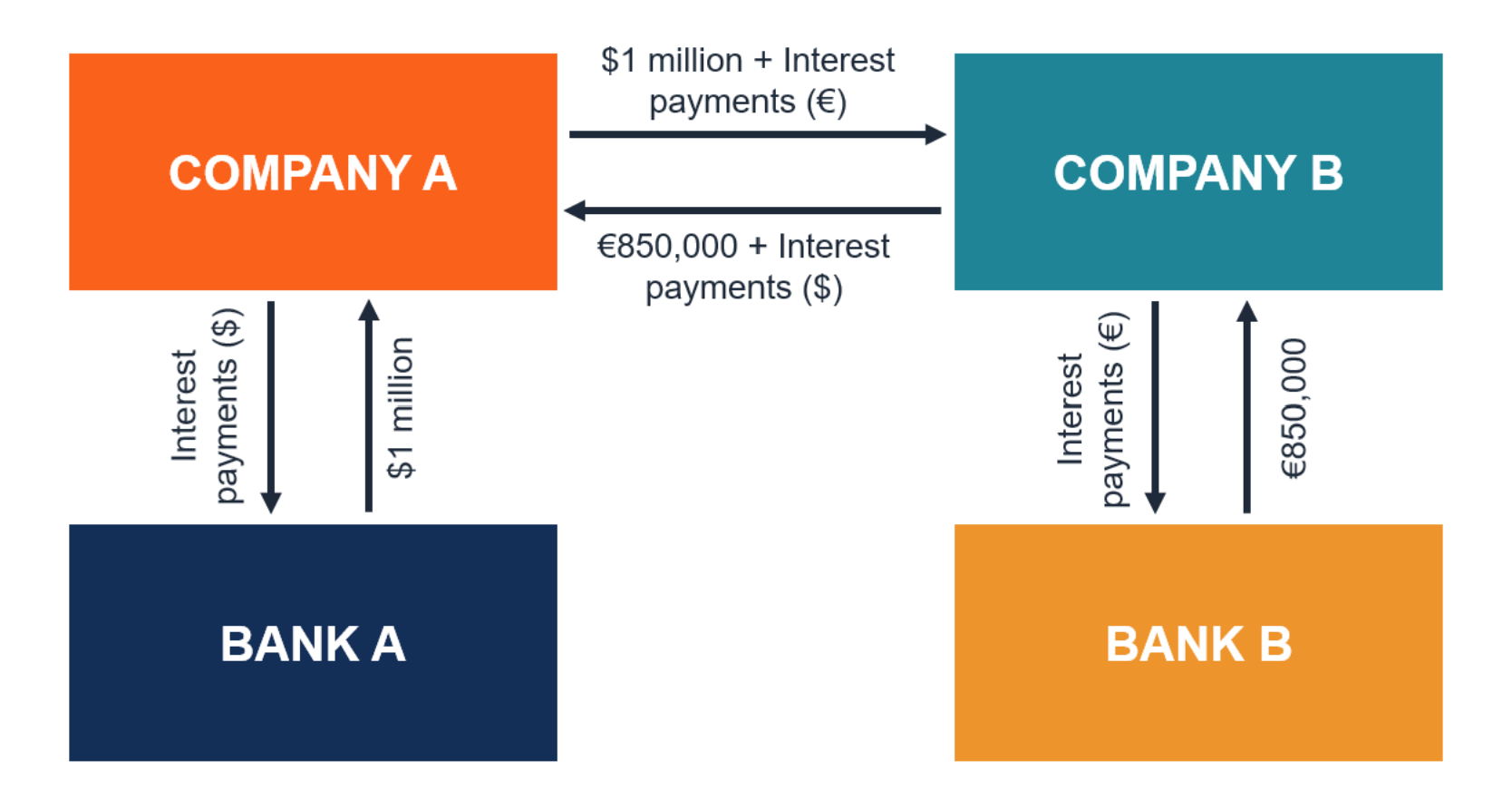
Source: Corporate Finance Institute
Benefits of Trading Crypto Derivatives
Cryptocurrency derivatives offer several benefits, making them attractive to investors:
Leverage Opportunities
Leverage allows investors to control larger trading positions with less capital. For example, with $1,000 and 10x leverage, you can trade contracts worth up to $10,000. However, while leverage can increase potential income, it also increases the risk of potential loss. If the market moves against your leveraged position, losses can exceed your initial investment.
Hedging Against Market Volatility
The cryptocurrency market is known for its volatility. Crypto derivatives serve as a tool for traders to hedge against price swings. Investing in Bitcoin derivatives as a hedge when holding a significant position can offset potential losses, guaranteeing safety in case of negative price movements by allowing you to sell BTC at a predetermined price.
Speculation on Price Movements without Ownership
Traders can speculate on cryptocurrency price movements without owning the assets themselves, offering flexibility for those who want to profit from rising or falling prices by taking short positions. Since it doesn’t require owning the actual crypto assets, investors don’t have to worry about security, storage, and transfers.
Risks Involved in Crypto Derivatives Trading
While crypto derivatives offer profit opportunities, they also carry risks that could lead to financial losses. Understanding these risks is crucial for making informed decisions:
Crypto derivative trading exposes traders to risks, including:
Leverage Risks
Leverage allows traders to control significant investments with a small amount of capital. However, this can lead to losses exceeding the initial investment if the market moves against the position. Traders may need to liquidate their position or inject more capital to stay afloat. The same leverage that enables large profits can lead to huge losses or liquidation if the market moves unfavorably.
Market Volatility
The cryptocurrency market’s volatility is magnified when trading derivatives. Combining rapid price swings with leveraged positions can result in substantial financial losses. Rapid price movements can trigger a margin call, requiring more capital to maintain the position. Failure to raise the required capital can lead to immediate liquidation, especially in the cryptocurrency market, where sudden price movements are common.
Counterparty and Operational Risks
Investors may encounter exchange risks, such as dealing with unlicensed crypto derivatives exchanges, which exposes them to counterparty risks. Fraudulent activity on these platforms can lead to losses with no recourse. Scams are also a risk when dealing with unregulated exchanges with poor reputations.
Cryptocurrency derivatives are relatively new, complex, and still evolving. The regulatory framework is still developing in many jurisdictions, leading to a lack of clear guidelines and potential compliance nightmares.
Many traders are unaware of the legal requirements for Bitcoin derivatives in their countries and the legal implications of non-compliance, which can lead to frozen accounts, penalties, and other legal actions.
How to Start Trading on Crypto Derivatives: A Step-by-Step Guide
Starting crypto derivatives trading requires a plan and strategy:
- Step 1: Find an Exchange – Locate an exchange that offers cryptocurrency derivatives. Search for a crypto derivatives exchange from aggregators like CoinGecko or CoinMarketCap. Click the “Exchange” tab to filter and find platforms offering derivatives, ranked by safety, trade volumes, and products.
- Step 2: Create an Account – On a centralized exchange (CEX), register with personal details (name, email, phone) and submit KYC documents. For a decentralized exchange (DEX), link a compatible custodial digital wallet to facilitate peer-to-peer (P2P) derivative swaps.
- Step 3: Deposit Funds – Once your account is verified, deposit funds. Many platforms accept fiat currencies (EUR, USD) and cryptocurrency deposits.
- Step 4: Choose a Crypto Derivative – Select a crypto derivative product that aligns with your trading needs and risk appetite, as different exchanges offer varying derivatives.
- Step 5: Set Your Leverage – Create a position using some amount of investment. Start small if you’re a beginner.
- Step 6: Monitor the Market Price – Keep a close eye on market movements and make necessary adjustments.
Key Factors to Consider When Investing in Crypto Derivatives
1. Choosing the Crypto Derivatives Exchange
Your success largely depends on the exchange you choose. Consider these factors:
- Strong Security Infrastructure: Prioritize exchanges with two-factor authentication, encryption, cold wallet storage, and withdrawal whitelisting. Ensure the platform has a proven track record in preventing hacks.
- High Liquidity and Volume: High liquidity is crucial for seamless transactions. Opt for exchanges with tight spreads, better market depth, and low slippage.
- Range of Derivatives Products: Choose an exchange that offers a variety of crypto derivatives, such as futures, options, perpetual swaps, and tokenized margin pairs.
- Competitive Fees and Funding Rates: Pay attention to transaction fees and compare maker and taker fees, as well as withdrawal fees.
- Trading Tools and Interface: Ensure the exchange has an intuitive interface and advanced tools.
2. Understanding Market Indicators
Crypto derivatives market indicators help traders analyze price movements and make informed decisions. Familiarize yourself with:
- Trend indicators: These include trend lines and moving averages.
- Momentum indicators refer to RSI and MACD metrics.
- Volatility indicators include ATR and Bollinger bands.
- Volume indicators, such as OBV and VWAP, enable you to see the relationship between price and volume.
3. Using the Right Trading Strategy
- Understand Crypto Derivatives: Familiarize yourself with various crypto derivatives products and their pros and cons.
- Conduct Market Analysis: Use technical and fundamental analysis.
- Implement Risk Management: Use strategies like position sizing and stop-loss orders.
- Use Leverage Carefully: Understand margin requirements.
- Create a Business Plan: Set clear profit and loss targets.
- Stay Updated and Adapt: Keep up with technological advancements and industry news.
- Consider Automated Trading: Explore using trading bots.
Comparing Crypto Derivatives vs. Traditional Financial Markets
1. Risk and Volatility
- Crypto Derivatives: Known for high volatility, offering significant profit opportunities and higher risks.
- Traditional Derivatives: Generally less extreme volatility, with lower risks.
2. Market Maturity and Liquidity
- Crypto Derivatives: Still in its formative stage, with lower maturity and liquidity.
- Traditional Derivatives: Well-established with high liquidity and stable pricing.
3. Regulatory Landscape
- Crypto Derivatives: Evolving regulatory environment with varying rules across regions.
- Traditional Derivatives: Subject to well-established regulatory frameworks.
Crypto Derivatives Regulations
The regulatory environment for crypto derivatives is evolving as governments address the growing cryptocurrency market. Global regulators focus on consumer protection.
In the US, the Commodity Futures Trading Commission (CFTC) oversees the market, treating crypto derivatives as commodities and enforcing strict compliance.
In Europe, Markets in Crypto-Assets (MiCA) aims to establish clear rules and ensure investor protection. The European Securities and Markets Authority (ESMA) is integrating crypto derivatives into broader financial regulations.
Asia is leading in regulation, with Singapore and Japan ahead. The Monetary Authority of Singapore (MAS) enforces a licensing regime, focusing on anti-money laundering (AML). Japan’s Financial Services Agency (FSA) has a framework overseeing cryptocurrency exchanges.
Market participants must stay informed to avoid legal risks and ensure compliance.
The Growth of the Crypto Derivatives Market
The crypto derivatives market has grown rapidly. Early innovators like OKEx and BitMEX laid the foundation. By 2024, derivative trading accounted for a substantial share of the crypto market, highlighting rapid expansion and growing investor interest.
Exchanges drive this growth by offering innovative tools and advanced trading technology. Institutional adoption is accelerating, boosting liquidity and market depth. The rise of Bitcoin and Ethereum ETFs has opened new channels for institutional engagement.
Regulatory clarity is evolving, providing confidence for both retail and institutional participants. With new products, increasing institutional involvement, and improving regulatory frameworks, the crypto derivatives market is poised for unprecedented growth.
FAQs
What are the top 5 derivatives?
The top five most common derivatives include futures, options, perpetual swaps, derivative swaps, and default swaps.
Does Coinbase do derivatives?
Yes, Coinbase launched a crypto derivatives exchange in 2024, offering Bitcoin derivatives and Ether futures.
How do crypto derivatives provide leverage?
Crypto derivatives allow traders to control a larger position with less capital through margin trading.
How can I choose the right crypto exchange?
Ensure the exchange is easy to use, secure, and offers a variety of cryptocurrencies, along with responsive customer support.
What are some effective risk management strategies for crypto derivatives trading?
Techniques include setting up take-profit and stop-loss orders, avoiding over-trading, evaluating your risk-reward ratio, prudent capital management, avoiding emotional trading, diversification, and using conservative leverage.