
An early rise and a lengthy wait were the price of admission to experience the highly anticipated (and recently given a release date) “soulsvania” adventure, Hollow Knight: Silksong, at Gamescom. Despite the lack of early review copies, securing a hands-on session was the goal, even at the year’s most demo-driven gaming expo. The experience, however, was worth the effort.
While Team Cherry might not have sent any early access materials, “Silksong” itself is proving to be an engaging successor. It presents a slightly faster, more responsive, and perhaps more challenging experience than the original Hollow Knight. However, it maintains the incredibly polished feel of the original, with its satisfying combat, applied against a new array of insect-inspired enemies that are both challenging and frustrating in familiar ways.
Enemies still start as simple fodder before evolving into more complex threats with unpredictable strikes or ranged attacks that anticipate your movements. Trial and error remains key to mastering combat. The most challenging moment wasn’t against a boss but navigating a room filled with flying enemies launching incredibly accurate projectiles. Only after several attempts, and by discovering I could deflect these attacks with well-timed swings, did the stress of this challenge subside.
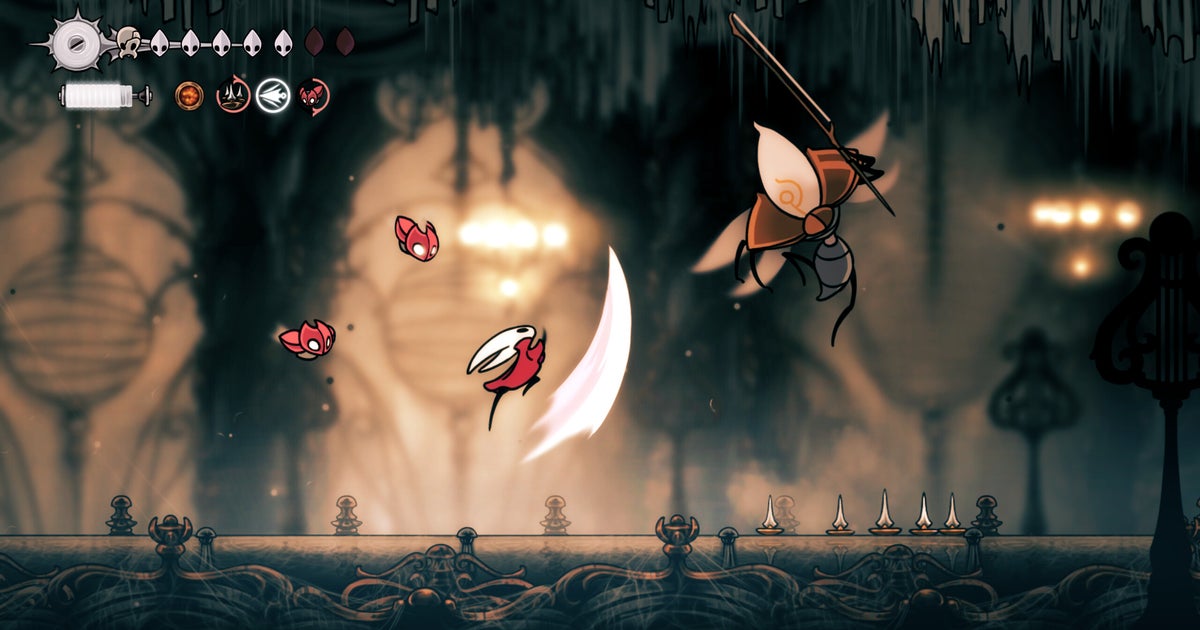
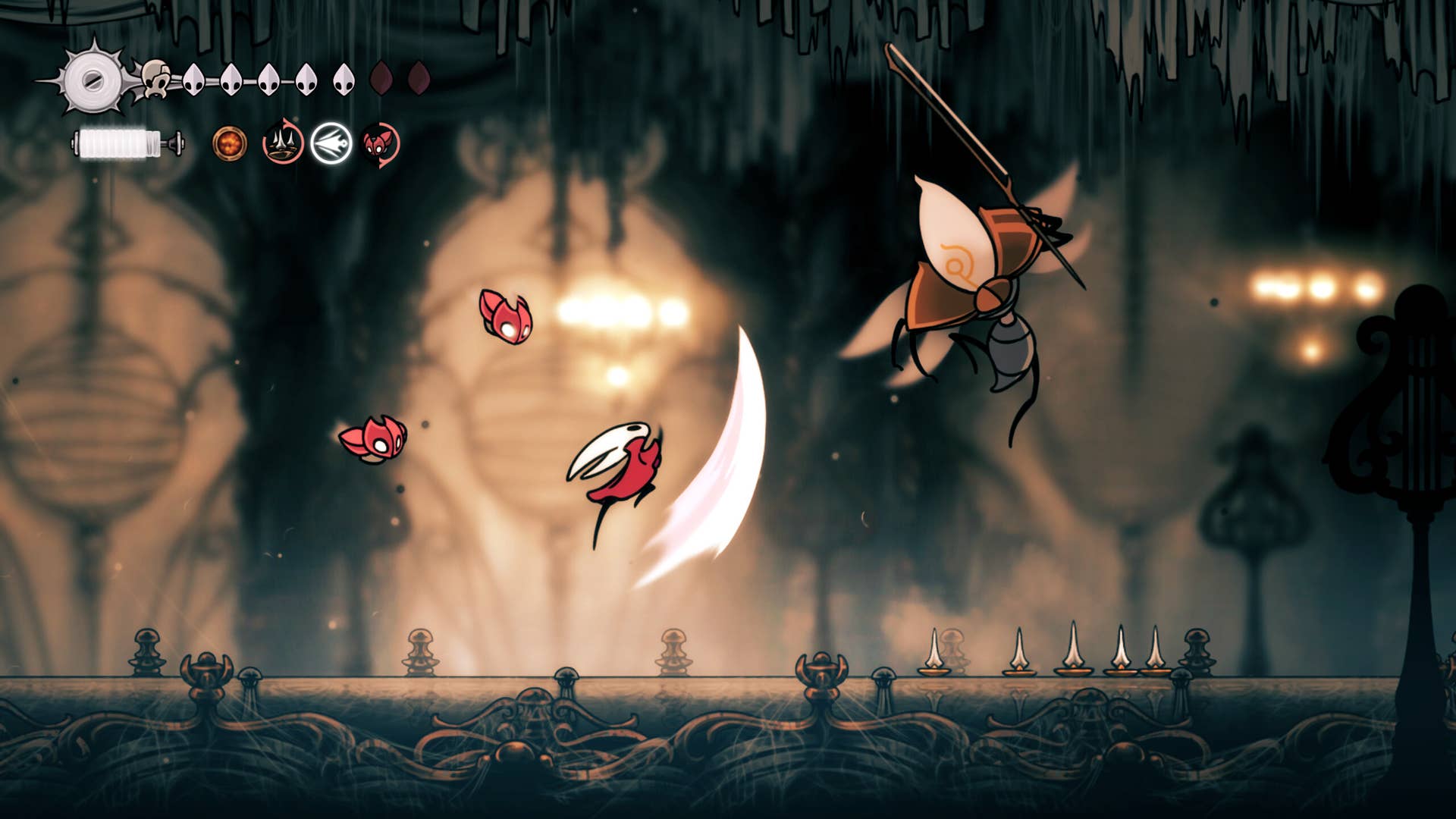
The demo included a boss battle against a dive-bombing wasp queen, adhering to familiar mechanics: learning and exploiting attack patterns, managing environmental hazards, and dealing with summoned minions. The core gameplay remains true to “Hollow Knight.”
However, “Silksong” introduces subtle changes to the combat system. The new protagonist, Hornet, is more agile and vocal than the Knight. Her abilities include diagonal strikes after jumps that allow her to deal damage and quickly return to the ground. Binding, Hornet’s equivalent of healing, uses “thread” instead of soul, offering quicker healing, even in mid-air, to allow her to return to combat faster.
These changes don’t make “Silksong” more forgiving. In fact, the new healing system feels harsher, as health is not as readily available. While the original allowed small amounts of soul to be converted into quick heals, “Silksong” requires a full strand of thread before binding. This means players will spend more time vulnerable while building up enough resources for healing. Furthermore, being hit while binding forfeits the entire strand’s healing potential.
Enemies also seem faster, responding to Hornet’s increased mobility. While only a few early areas were sampled, and without exaggerating the difference, nimbler enemies appeared more frequently compared to the opening of “Hollow Knight,” including charging shieldbearers, aerial attackers, and fast-moving larvae.
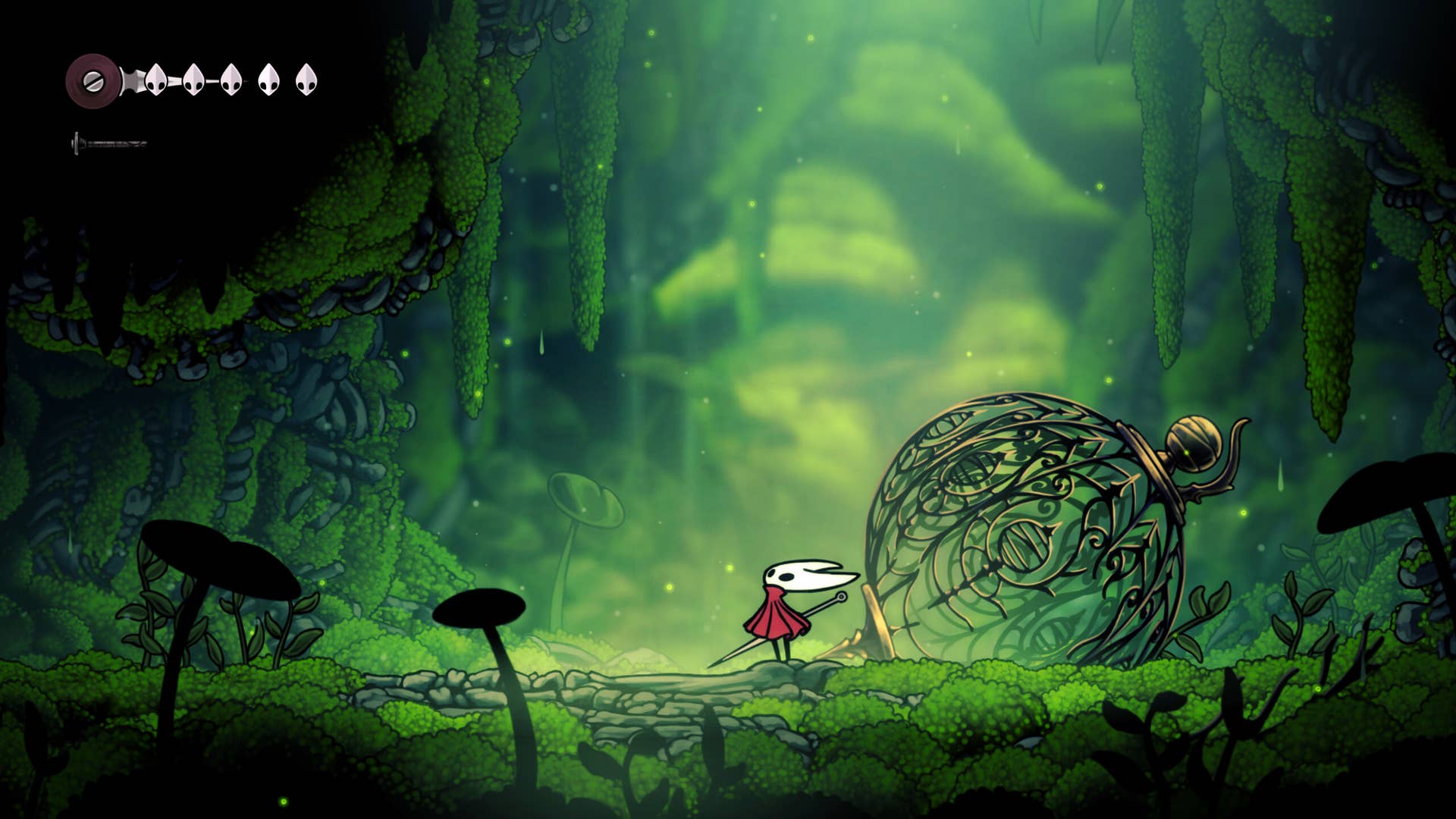
Alongside the increased difficulty, “Silksong” is visually stunning. The initial moss cave is a vibrant landscape filled with detailed trees, giant mushrooms, and lush vegetation, all enhanced by a striking parallax effect that surpasses the original game. The later-visited forge city, though darker, is equally detailed, with intricate pipes and draped chains. While “Hollow Knight” was visually impressive, “Silksong” elevates the art style.
After years in development, expectations are high. While new abilities and their impact on platforming and combat remain to be seen, the initial experience is familiar. This might satisfy some fans, but may also disappoint others.
However, disappointment is unlikely. By staying true to its roots, “Silksong” retains the tactile pleasure of the original’s action, with its precise controls and responsive feedback. “Hollow Knight” felt great, and “Silksong” continues that legacy. Any complaints are minor, and the excitement for the full release remains high.
Visit our Gamescom 2025 hub for all the latest news and previews from the event in Cologne.