

Blockchain and Cryptocurrencies: Reshaping Modern Economies
Blockchain is a groundbreaking technology serving as a secure, transparent, and unchangeable digital record-keeping system. It functions as a decentralized database, spread across numerous computers, where information is organized into blocks and linked chronologically. Each block contains a collection of transactions, a timestamp marking its creation, and a unique cryptographic “fingerprint” called a hash, which connects it to the preceding block, forming a continuous chain.
Due to its decentralized design, no single organization or person controls the blockchain data. Every participant within the network possesses an identical copy of the ledger. This structure makes transactions nearly impossible to tamper with, as altering any block necessitates modifying all subsequent blocks and achieving consensus from a majority of the network. Sophisticated cryptographic techniques and consensus methods, such as proof of work or proof of stake, safeguard the blockchain, verifying transactions without a central gatekeeper.
Originally conceived as the foundational technology for Bitcoin in 2009, blockchain has broadened its scope significantly, supporting diverse applications beyond cryptocurrencies. It facilitates the execution of smart contracts—self-executing agreements written directly into the blockchain’s code. Blockchain is transforming industries like finance, supply chain management, healthcare, and electoral processes. Its capacity to provide transparency, fortify security, and minimize the reliance on intermediaries positions it as a disruptive technology with the ability to revolutionize how information and value are exchanged on a global scale. Cryptocurrency, a digital or virtual form of currency, utilizes cryptography for security and runs on decentralized networks, often driven by blockchain technology. Unlike traditional currencies issued and overseen by governments or central banks, cryptocurrencies operate independently of a central authority, making them resistant to control and interference.
Fundamentally, cryptocurrency serves as a digital medium of exchange, allowing individuals to directly exchange money without relying on intermediaries like banks. Transactions are recorded on a blockchain, guaranteeing transparency, immutability, and security. Each user has a digital wallet consisting of a private key for fund access and a public key serving as their payment address.
Cryptocurrencies commonly use consensus mechanisms such as proof of work or proof of stake to validate transactions and uphold blockchain integrity. Bitcoin, the pioneering cryptocurrency created by the pseudonymous Satoshi Nakamoto, aimed to establish a decentralized and open financial system. Since then, numerous cryptocurrencies have emerged, each offering unique characteristics and applications, from smart contracts on platforms like Ethereum to stablecoins engineered to minimize price fluctuations.

Cryptocurrencies serve diverse purposes, including online shopping, investments, international money transfers, and decentralized financial activities. While offering advantages such as reduced transaction costs, individual financial control, and global access, they also encounter obstacles like regulatory uncertainty, price instability, and scaling challenges. Despite these issues, cryptocurrencies have become a significant catalyst in the worldwide economy, sparking innovation and questioning established financial frameworks.
Why Cryptocurrency Regulation is Necessary
Cryptocurrency regulation is vital because of the rapid expansion and widespread use of digital assets, presenting both benefits and hazards for people, organizations, and governments. While cryptocurrencies provide various advantages, including wider access to financial services, decentralized financial solutions, and international transactions, their distinct characteristics also generate issues requiring oversight to maintain the fairness, stability, and security of financial systems.
A key reason for regulation is the need to protect consumers and investors. The cryptocurrency market exhibits high volatility, with prices undergoing significant fluctuations. This instability puts investors at risk, and the absence of oversight has resulted in numerous instances of fraud, scams, and Ponzi schemes. Regulation can introduce safeguards, such as mandating that exchanges implement transparency, security protocols, and equitable practices, thus shielding users from financial harm.
Another crucial aspect of regulation is the effort to combat illegal activities. The pseudonymous nature of cryptocurrencies can make them appealing for money laundering, financing terrorism, tax avoidance, and other unlawful actions. By enforcing Know Your Customer (KYC) and Anti-Money Laundering (AML) rules, regulators can diminish these risks and ensure that digital assets are not exploited for criminal purposes.
Regulation is also necessary to improve market stability and confidence. The crypto space has experienced occurrences such as exchange breaches, sudden bankruptcies, and the downfall of major projects, leading to significant disruptions and a decline in confidence within the ecosystem. Regulatory structures can bolster the resilience and security of the infrastructure underpinning cryptocurrencies, creating a more stable setting.
Additionally, as cryptocurrencies become increasingly integrated into the global economy, regulation is essential for preserving financial stability. Unregulated digital assets could disrupt traditional economic systems, challenge monetary policies, and introduce systemic risks. By establishing clear rules governing the interaction between cryptocurrencies and conventional finance, regulators can prevent market manipulation and reduce risks to the wider economy.
Finally, regulatory clarity can boost legitimacy and acceptance. A well-regulated cryptocurrency market can attract institutional investors, encourage innovation, and create opportunities for businesses, while also alleviating concerns among skeptics and governments. Consistent and well-defined regulatory frameworks can also ensure fair competition and enable the cryptocurrency industry to coexist alongside traditional financial systems.

Cryptocurrency regulation is required to protect users, prevent misuse, stabilize markets, secure economies, and encourage wider adoption. Finding the right balance is crucial for supporting innovation while addressing risks, enabling cryptocurrencies to reach their full potential as a transformative financial instrument.
The Future of Global Crypto Regulation
Global cryptocurrency regulation is evolving with varied approaches from governments and regulatory bodies worldwide, spanning acceptance, restriction, and oversight. The decentralized nature of cryptocurrencies complicates region-specific regulation. Governments are enacting digital asset rules, with organizations like IOSCO and the WEF advocating for global standards. IOSCO has proposed 18 key recommendations for managing crypto and digital assets, while the WEF highlights the necessity of international coordination in overseeing this rapidly growing sector.
Despite ongoing discussions around crypto assets, recent crises such as the collapse of crypto-friendly banks and platforms like FTX have emphasized the need for clear rules and stricter accounting and reporting standards.
Certain countries are adopting pro-crypto strategies, recognizing its potential for economic growth. These nations are establishing clear regulatory frameworks to encourage blockchain development while mitigating risks such as fraud and money laundering. Switzerland, Singapore, and El Salvador offer favorable environments for blockchain startups and ICOs.
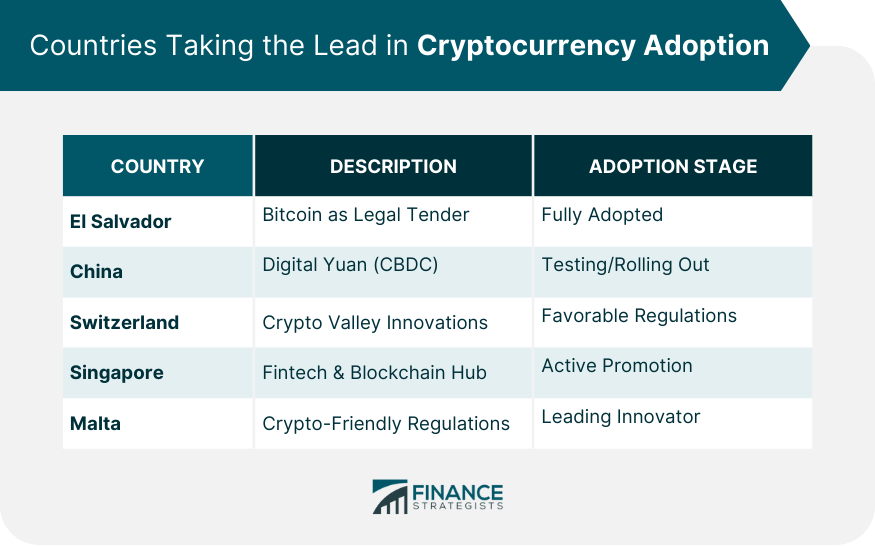
Conversely, other nations are restricting or banning cryptocurrencies outright due to concerns over financial stability, capital flight, and environmental impacts. Many countries are implementing bans on trading and mining, along with stricter KYC and AML requirements. The FATF is introducing guidelines to harmonize regulations and combat financial crimes by requiring cryptocurrency exchanges to implement customer identification and transaction reporting. Central banks are exploring CBDCs to provide the benefits of cryptocurrencies while maintaining centralized control.
Overall, global cryptocurrency regulation is dynamic and fragmented, reflecting diverse priorities. While some countries embrace cryptocurrencies, others prioritize control. The future of crypto regulation likely involves a mix of international cooperation and national policymaking to balance innovation and address the challenges of this technology.
Let’s consider a few regulatory examples.
Progress of US Cryptocurrency Regulation
The US is gradually establishing a regulatory framework for cryptocurrencies, with legislative efforts like FIT21 and the Blockchain Regulatory Certainty Act aiming to classify cryptocurrencies and clarify oversight. While these bills have not gained traction, they serve as a foundation for future regulatory advancements.
Donald Trump’s incoming administration has pledged to position the US as a leader in cryptocurrency innovation, with plans including a Bitcoin strategic reserve, revitalizing crypto mining, and pursuing deregulation. The potential appointment of Paul Atkins as SEC chair has raised hopes for a collaborative and forward-thinking approach to digital asset regulation.

While deregulation is a priority, new rules are still required to address the complexities of the sector. Key areas include defining when crypto assets qualify as securities and refining enforcement strategies to focus on fraud prevention without stifling innovation. Addressing the treatment of secondary crypto trading under securities laws could further enhance the competitiveness of US-based exchanges and keep crypto projects in the country.
By balancing deregulation with safeguards, the administration could foster an environment of growth while ensuring compliance and investor protection, potentially shaping a thriving future for the US cryptocurrency landscape.
Russia Enhances Cryptocurrency Regulations
Russia has regulated cryptocurrency by introducing new rules that integrate digital assets into its financial system while maintaining economic stability. Starting January 11, 2025, the Bank of Russia requires contracts involving digital rights used in foreign trade to be registered with authorized banks for contracts over RUB 3 million (imports) and RUB 10 million (exports), balancing oversight with operational efficiency.

The regulations also require residents to provide documentation on crypto transactions, including records of digital asset transfers or receipts used as payments. This scrutiny enhances transparency and mitigates risks, aligning with Russia’s broader goal of a secure and efficient digital asset framework.
While this could promote wider cryptocurrency adoption, it also imposes compliance obligations on businesses. As digital assets become prominent, Russia aims to leverage their potential while ensuring responsible use within its financial system.
The Bank of Russia’s initiative is a pivotal moment in the evolution of the nation’s digital financial landscape. Market participants will need to adapt as Russia positions itself at the forefront of crypto regulation.
China’s Approach to Cryptocurrency Regulation
China’s relationship with cryptocurrency is complex, having been a large market for Bitcoin transactions before a crackdown in 2017. The blockchain industry in China remains strong with over 5,000 related companies. China restricts cryptocurrency trading and ICOs due to concerns over volatility. Major blockchain companies like Binance and Huobi remain influential.
Legally, China views cryptocurrencies as virtual commodities rather than legal tender, restricting trading and investor participation. The government emphasizes the risks of trading virtual currencies.

China taxes cryptocurrency profits as property transfer income, requiring individuals to report purchase prices and taxes. This approach demonstrates China’s ongoing control over cryptocurrency activities.
Despite restrictions, China’s blockchain sector remains influential. The government is managing risks while fostering blockchain innovation.
EU’s Comprehensive Crypto Framework
The EU unveiled the Markets in Crypto-Assets Act (MiCA) in 2020. Approved by the European Parliament in April 2023, with an enactment date set for December 30, 2024. MiCA aims to create legal clarity and consistency across the EU.
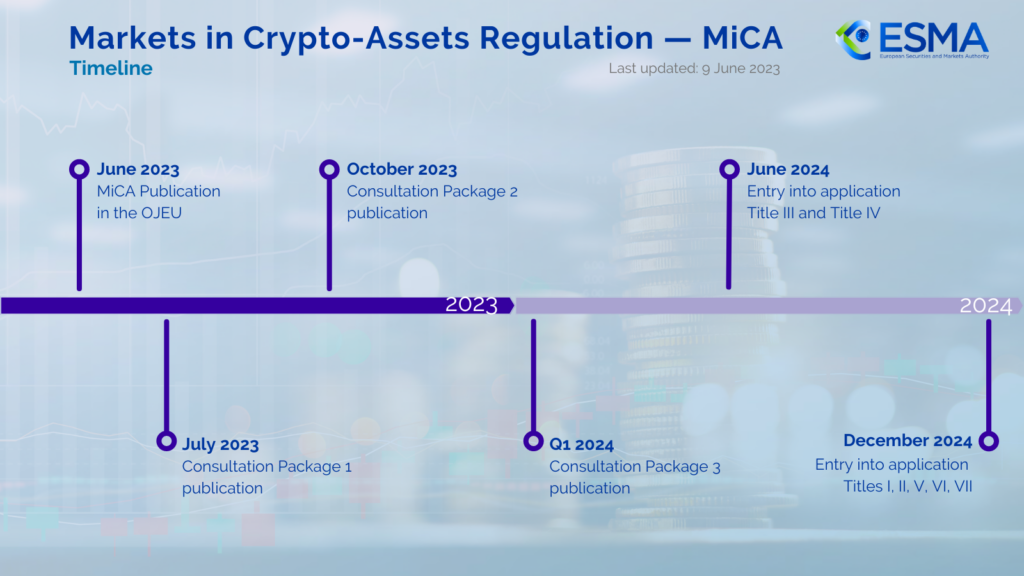
MiCA covers crypto assets outside traditional EU financial regulations, including electronic money tokens (EMTs) and asset-referenced tokens (ARTs), and does not automatically apply to NFTs unless they share characteristics with other regulated assets. Decentralized applications (dApps), DeFi projects, and decentralized autonomous organizations (DAOs) may not be fully subject to MiCA, unless they do not meet the criteria for decentralization.
Businesses that offer crypto-asset services (CASPs) will need to obtain authorization to operate across the EU. These businesses can then offer services across the EU, complying with governance, capital, anti-money laundering, and data protection requirements.
MiCA introduces provisions for stablecoins, particularly fiat-backed stablecoins which must be backed by a 1:1 liquid reserve. Algorithmic stablecoins are banned. Issuers of EMTs and ARTs will need to obtain authorization and provide whitepapers. MiCA aims to protect consumers, reduce market manipulation, and ensure security and transparency.
This shift is expected to reshape the crypto landscape in the EU, offering protections and encouraging integrity. As MiCA comes into effect in 2025, its impact is likely to extend beyond Europe, influencing other nations.
Japan’s Evolving Crypto Regulations
Japan is considering lighter regulations for crypto intermediaries that are not crypto exchanges. The FSA recently proposed this to the Financial System Council, following Japan’s early crypto regulation after the Mt. Gox hack. Currently, crypto intermediaries must register as crypto asset exchange service providers (CAESPs), even if they do not handle customer funds directly.
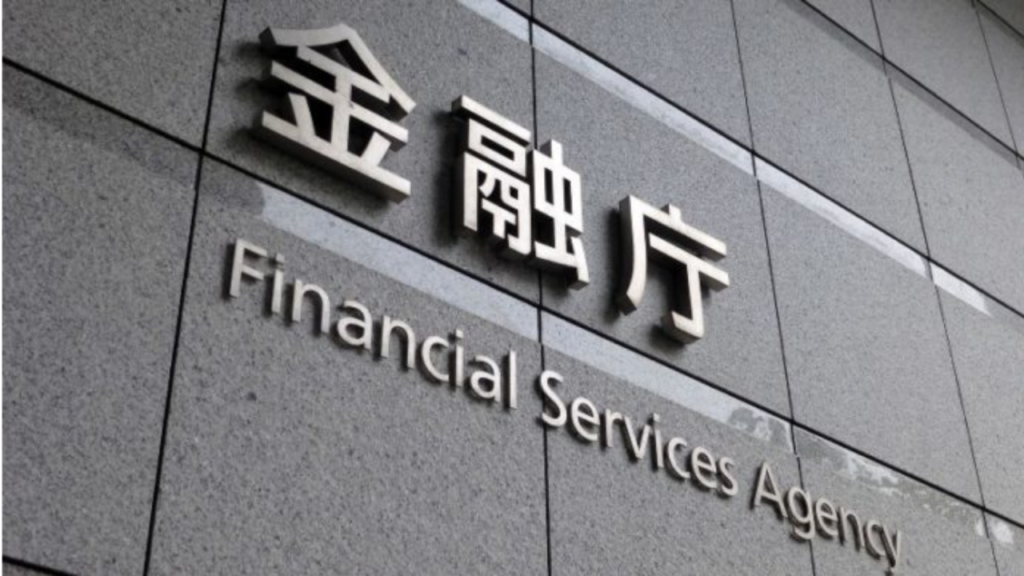
To reduce the burden, the FSA is exploring a system where intermediaries would register, provide user information, and follow advertising restrictions. This proposal aims to create a more flexible framework for crypto-related businesses.
Brazil’s Crypto Market Law
In late 2022, Brazil approved a bill regulating the cryptocurrency market, focusing on competition, governance, security, and consumer protection. The Central Bank of Brazil (BCB) and the Securities and Exchange Commission (CVM) will oversee its implementation. Companies will require licenses, registration with the CNPJ, and reporting of suspicious activities to the COAF.

The regulation mandates KYC and KYT practices to combat money laundering, and aligns with Brazil’s Penal Code, enforcing penalties for fraud and crimes. Exchanges must separate client assets from company assets.
The law took effect between May and June 2023, with full implementation expected by 2025. The new regulatory framework aims to offer greater security and attract more investors to the market.
UK Push for Crypto Regulation
The UK regulates digital currencies, requiring companies to obtain authorization from the FCA. This is part of establishing a secure framework for digital assets. Focus is on stablecoins, digital currencies pegged to stable assets.

The Bank of England has proposed new regulations for stablecoins to maximize benefits while addressing potential risks. These rules ensure stablecoins do not pose risks to consumer protection or financial integrity.
This highlights the UK’s approach to digital asset regulation, aiming to foster a secure environment for cryptocurrencies. The efforts also underscore the UK’s commitment to consumer protection, safeguarding those engaging with digital currencies. With a comprehensive approach, the UK positions itself as a leader in integrating digital currencies into traditional finance.
Kenya’s Crypto Regulation Attempt
Kenya’s journey with cryptocurrency regulation has evolved from scepticism to recognizing its potential benefits. Initially, the CBK viewed cryptocurrencies with caution. Nearly 10% of Kenyans owned cryptocurrency by 2022, driven by financial inclusion and blockchain technology.

Kenya began assessing money laundering risks associated with virtual assets and introduced a draft National Policy on Virtual Assets and Virtual Asset Service Providers (VASPs), outlining a regulatory framework.
The regulations include licensing requirements for exchanges and wallet providers, along with measures to prevent money laundering and terrorist financing. Consumer protection and cybersecurity are central. The draft regulations are open for public consultation.
Kenya’s path reflects a trend towards digital financial innovation, positioning itself as a leader in Africa’s digital financial revolution, fostering economic growth and financial inclusion, like M-Pesa.
The Imperative of a Global Regulatory Strategy
The international nature of cryptocurrency markets poses regulatory challenges. Cross-border activities increase fraud risks, highlighting the need for global standards. The WEF emphasizes that international collaboration is necessary to maximize benefits and mitigate risks.

Differences in market maturity and regulatory capacity complicate alignment. Organizations stress the role of international bodies in fostering a unified framework, enhancing consumer protections, and creating an environment conducive to innovation.
Governments and international organizations are balancing innovation and regulation. By addressing digital asset challenges through coordinated efforts, the global community aims to create a stable and secure financial environment.