
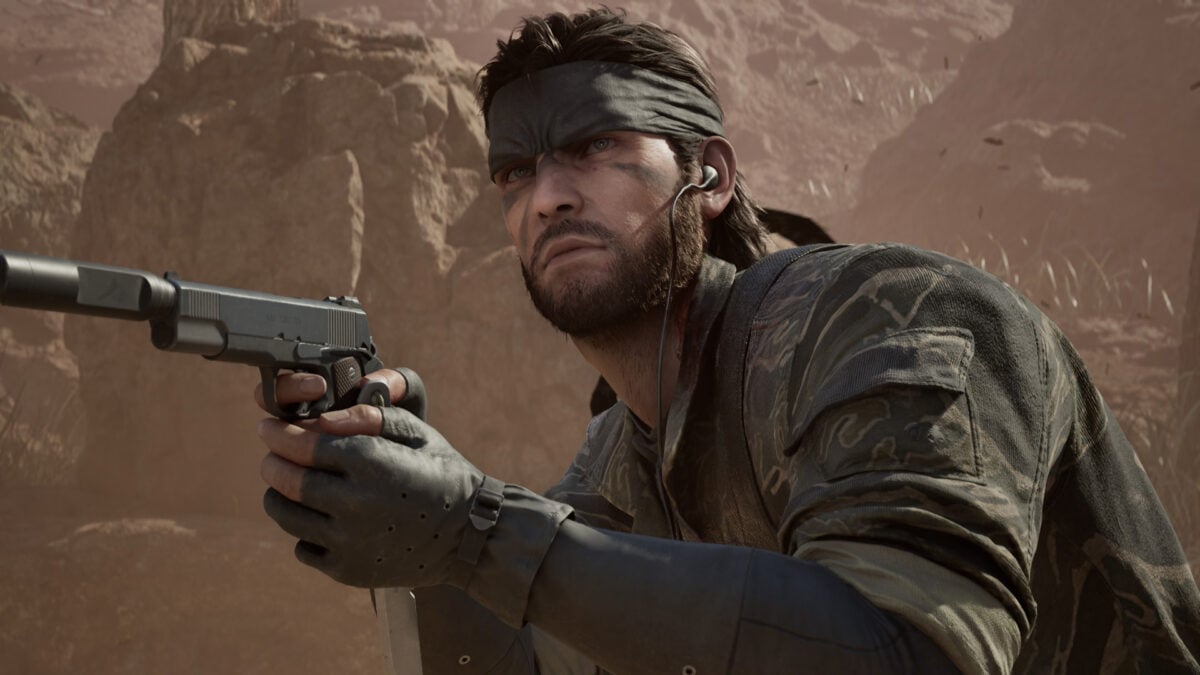
As a dedicated fan of Metal Gear Solid, I’m incredibly excited about the upcoming release. Not only are we getting a reimagining of a highly acclaimed MGS title, but we’re also seeing a fresh perspective on the core stealth mechanics that made the series iconic. Earlier in the month, I, along with several other members of the gaming press, attended a special Metal Gear Solid Delta: Snake Eater preview event. We had extended hands-on time with the game and explored a fantastic installation at New York City’s Lightbox studio, which featured a recreation of the memorable flower bed from the game’s climactic scene. I joined Michael McWhertor from Polygon and Destin Legarie of The Destin Channel to interview Delta’s producers, Noriaki Okamura and Yuji Korekado.
Dive Deeper: Metal Gear Solid Delta: Snake Eater: The Kotaku Analysis
Below is a transcript of our roundtable discussion, lightly edited for conciseness and clarity. Konami provided a translator for the duration of the interview.
Michael McWhertor, Polygon: With so many remakes appearing recently, particularly from Konami, I’m curious: when you began work on this project, how much emphasis did you place on reinterpretation versus a straightforward remake? Were you aiming to expand upon the original, or to recreate Metal Gear Solid 3 through a contemporary lens, say, for 2025? What was the general philosophy?
Noriaki Okamura, Producer, Metal Gear Solid Delta: Snake Eater: From the very beginning, we thoroughly considered the best approach to remaking MGS3. The core concept we settled on for Delta is to introduce new players to the original game in as authentic a way as possible. Naturally, we incorporated modernization to ensure the game is fluid and appealing to contemporary gamers and their playstyles. However, to honor what made the original so exceptional, our priority was to preserve its essence as closely as possible.
Destin Legarie, The Destin Channel: Following the preview sessions, you’ve received feedback from the online community. What adjustments have you been able to make based on that feedback?
Yuji Korekado, Creative Producer, Metal Gear Solid Delta: Snake Eater: The announcement of the remake generated a significant response from Metal Gear fans, and one recurring theme stood out: the desire for the return of certain modes that had been removed in previous re-releases. Specifically, there was strong demand for the return of modes like Snake Versus Monkey and the Secret Theater videos. Recognizing the enthusiasm for these features, we investigated how best to reintroduce them and are exploring those possibilities.
Destin Legarie: I’ve noticed quite a bit of feedback regarding facial animations, specifically. Has that been taken into consideration?
Yuji Korekado: Absolutely, that feedback was clearly received. Following the release of early trailers, it was a common point of discussion. Our aim is to deliver an experience that mirrors the impact the original had on its players, retaining that “wow” factor. Therefore, we are actively working to ensure the quality meets the standards expected of a Metal Gear game.
Claire Jackson, Kotaku: How challenging was it to strike a balance between modern stealth mechanics and the original game’s stealth challenges?
Explore Further: A Comparison: Metal Gear Solid 3‘s Remake Gameplay Vs. Metal Gear Solid 5
Yuji Korekado: In Delta, we’ve introduced two distinct “Play Styles.” The Legacy Style offers a similar camera and control scheme to the original, while the New Style features modern controls and a third-person camera perspective. Integrating this new play style required adjustments to the game’s balance, as the revised map visibility impacts how players hide and what they can observe. We modified character animations, movements, and the AI’s reactions and responses. Providing a different camera angle and play style affects the tension and sense of vulnerability associated with remaining undetected. This necessitated extensive testing and leveraging modern technology to recreate the feeling of tension from the original style, but with updated controls and camera.
Destin Legarie: Are you concerned that the modernization might make the game too easy? The GameCube remake of Metal Gear Solid, The Twin Snakes, was criticized for its easier gameplay due to the enhanced perspective.
Yuji Korekado: We were definitely aware of that possibility. To address it, we’ve carefully rebalanced the Legacy and New Styles to ensure a consistent level of challenge regardless of the chosen play style, avoiding making the game overly easy or difficult.
Claire Jackson: Does the team have a preference for the original overhead camera or the third-person perspective?
Yuji Korekado: Personally, I appreciate both. Modern gamers are typically more comfortable with a third-person camera and contemporary controls. Therefore, we recommend that new players begin with the New Style to ease them into the world of Metal Gear. After completing the game, they can then revisit it in Legacy Style, discovering a completely different way to experience the game. We encourage players to enjoy both Play Styles.
Michael McWhertor: Were there any particular technical hurdles encountered during the development of specific aspects of the game? I’m specifically thinking about how easily players could manipulate the PlayStation 2’s date settings to defeat The End, the sniper boss, whereas this is more difficult on contemporary consoles or PC due to internet connectivity. Have you devised a workaround for this, or have any other technical challenges arisen?
Yuji Korekado: We’ve adapted the game to the current console and PC platforms, incorporating features specific to each. For example, we appreciate the enhanced rumble feedback on the PS5’s DualSense controller. We focused on leveraging the capabilities of each platform to enhance the experience. Regarding technical challenges, we didn’t encounter any major issues.
Destin Legarie: Given that we’re here to discuss Delta, and our time is limited, I’d be remiss if I didn’t inquire about Metal Gear [Solid] 4. Can you offer any hope for fans who wish to see MGS4 included in Volume 2 of the Master Collection, or are there any plans to work on it in some capacity?
Noriaki Okamura: We’re constantly evaluating the future of the Metal Gear series and understand that many fans desire the return of MGS4, given that it’s currently inaccessible on contemporary hardware. We intend to address this at some point, ensuring fans can experience it once again. Unfortunately, we can’t provide any further details at this time, but it’s something we hope to achieve in the future.
Claire Jackson: Were there any unique difficulties or surprises encountered while recreating the cinematic style of the original [Metal Gear Solid 3]?
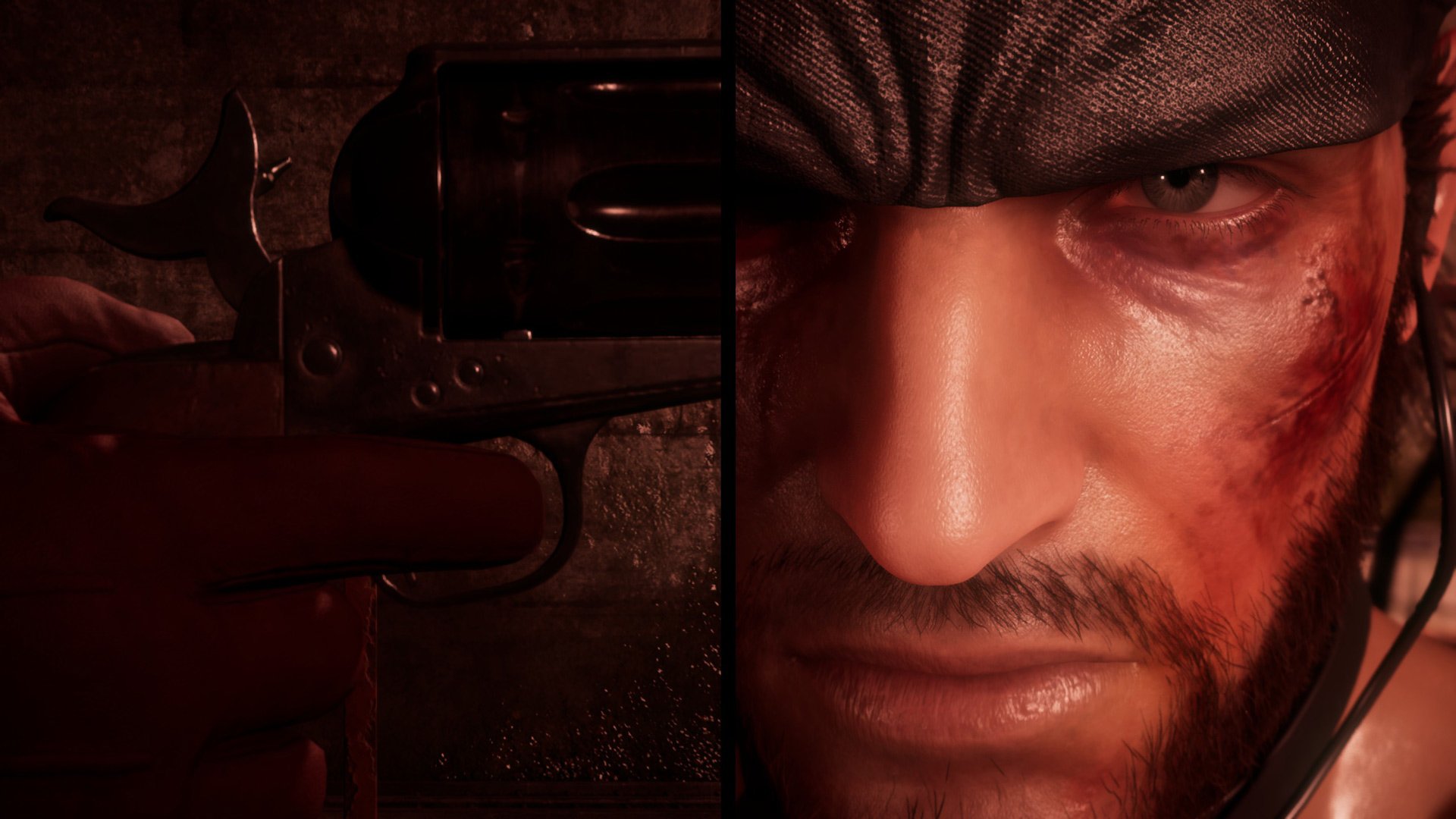
Yuji Korekado: We had to rebuild the cutscenes from the ground up, recreating the character models, levels, and stages. Our initial concern was that, even with improved visuals, maintaining the original camera angles and compositions might not hold up. However, once we finalized everything and rendered the cinematics using the same camera work, music, and voice acting, we were amazed. The original Metal Gear Solid 3 was designed perfectly, and the modern graphics only enhanced its existing brilliance. We were surprised that the original design remained so effective and required virtually no alteration.