

The Bitcoin (BTC) Corporate Treasury Strategy: A Growing Trend involves entities like businesses, organizations, and even national governments holding significant quantities of Bitcoin. These holdings serve as components of their liquid assets, strategic holdings, or enduring investment strategies.
This approach began to gain traction around 2020, spearheaded by MicroStrategy’s pioneering choice to integrate Bitcoin (BTC) as a core component of its financial holdings. This move subsequently motivated other prominent enterprises, such as Tesla, Block (previously known as Square), and GameStop, to incorporate Bitcoin within their financial reserves.
Notably, this trend isn’t exclusive to publicly traded firms. Several nations have also begun to recognize Bitcoin as a valuable strategic asset. El Salvador made history as the first country to formally recognize Bitcoin as legal tender and incorporate it into its national treasury.
Key Takeaways
- 💡 What is Bitcoin as Treasury? – A methodology employed by companies, institutions, and sovereign nations to store Bitcoin (BTC) within their cash equivalents or extended investment portfolios. Its rise coincided with MicroStrategy’s adoption starting in 2020.
- 🌍 Global Corporate Adoption – By 2025, corporations collectively possess 979,333 BTC (representing 4.66% of the total available supply). MicroStrategy remains the preeminent holder with 629,376 BTC.
- 🏛️ Top Countries with Significant Bitcoin Reserves – The U.S. (approximately 200,000 BTC), China (approximately 190,000 BTC), Bhutan (approximately 12,500 BTC), the U.K. (approximately 61,000 BTC), El Salvador (approximately 6,000 BTC), and Iran (thousands of BTC).
- 📑 Regulatory Environment & Taxation – The EU’s MiCA framework and the U.S. SEC’s green light for spot Bitcoin ETFs are crucial. Furthermore, the FASB’s amendment to accounting procedures in December 2023, embracing fair value accounting, enhances clarity on corporate balance sheets.
- 🇮🇩 Adoption Trends in Indonesia – As of the first quarter of 2025, the number of cryptocurrency investors reached 14.16 million (placing Indonesia third globally), with monthly transactions totaling Rp35.61 trillion. The Indonesian government is considering incorporating Bitcoin as a segment of its national reserves.
Leading Global Companies Embracing Bitcoin as a Treasury Asset
Latest figures from CoinMarketCap indicate that corporations collectively hold 979,333 BTC. This sum constitutes 4.66% of Bitcoin’s total supply, which is capped at 21 million BTC.
The following table outlines the top 10 companies with the most substantial Bitcoin holdings:
| Company | Bitcoin Holdings |
|---|---|
| MicroStrategy | 629,376 |
| MARA Holdings, Inc. | 50,639 |
| XXI | 43,514 |
| Bitcoin Standard Treasury Company | 30,021 |
| Bullish | 24,000 |
| Riot Platforms, Inc. | 19,287 |
| Metaplanet | 18,888 |
| Trump Media & Technology Group Corp. | 15,000 |
| CleanSpark, Inc. | 12,703 |
| Coinbase Global, Inc. | 11,776 |
Why Businesses Opt for Bitcoin as a Reserve Asset
The Bitcoin corporate treasury strategy is gaining traction, as it offers corporations enhanced financial and operational adaptability. Primary reasons include:
- Enhanced Global Liquidity and Flexibility
Bitcoin’s accessibility allows it to be traded globally, 24/7. For global corporations, possessing Bitcoin streamlines international transactions and ensures swifter liquidity access. - Inflation Protection
With a fixed issuance of 21 million coins, Bitcoin is viewed as resistant to inflation compared to fiat currencies that can be infinitely printed. Bitcoin’s remarkable performance in recent years solidifies this stance. - Portfolio Diversification & Growth Prospects
Companies can allocate funds to Bitcoin to diversify beyond conventional asset classes like stocks or bonds. An increasing number of investors and firms now perceive BTC as a viable long-term investment, akin to gold or equities. - Attracting Traditional Investment
By incorporating Bitcoin into their financial statements, companies become more appealing to institutional investors that may not be able to directly purchase digital assets. Instruments like Bitcoin-linked stocks and convertible bonds enable conventional investors to gain regulated exposure to cryptocurrencies.
Potential Risks of Incorporating Bitcoin into Corporate Treasuries
Despite the growing number of companies holding Bitcoin, thoroughly evaluating the potential risks is crucial:
- Price Volatility
Wild price swings can significantly affect a company’s financial health and liquid reserves. Rapid declines in Bitcoin’s valuation can weaken a business’s economic position, based on its specific approach. - Potential Distraction from Core Activities
Too much emphasis on Bitcoin may divert management’s attention from its primary activities, potentially impeding its long-term strategic vision.
Leading 6 Countries Accumulating Bitcoin in 2025
Bitcoin adoption has now grown beyond individual corporations to nation-states. A Coingecko study from April 2025 indicates governments now collectively possess roughly 463,000 BTC, representing 2.3% of its total distribution.
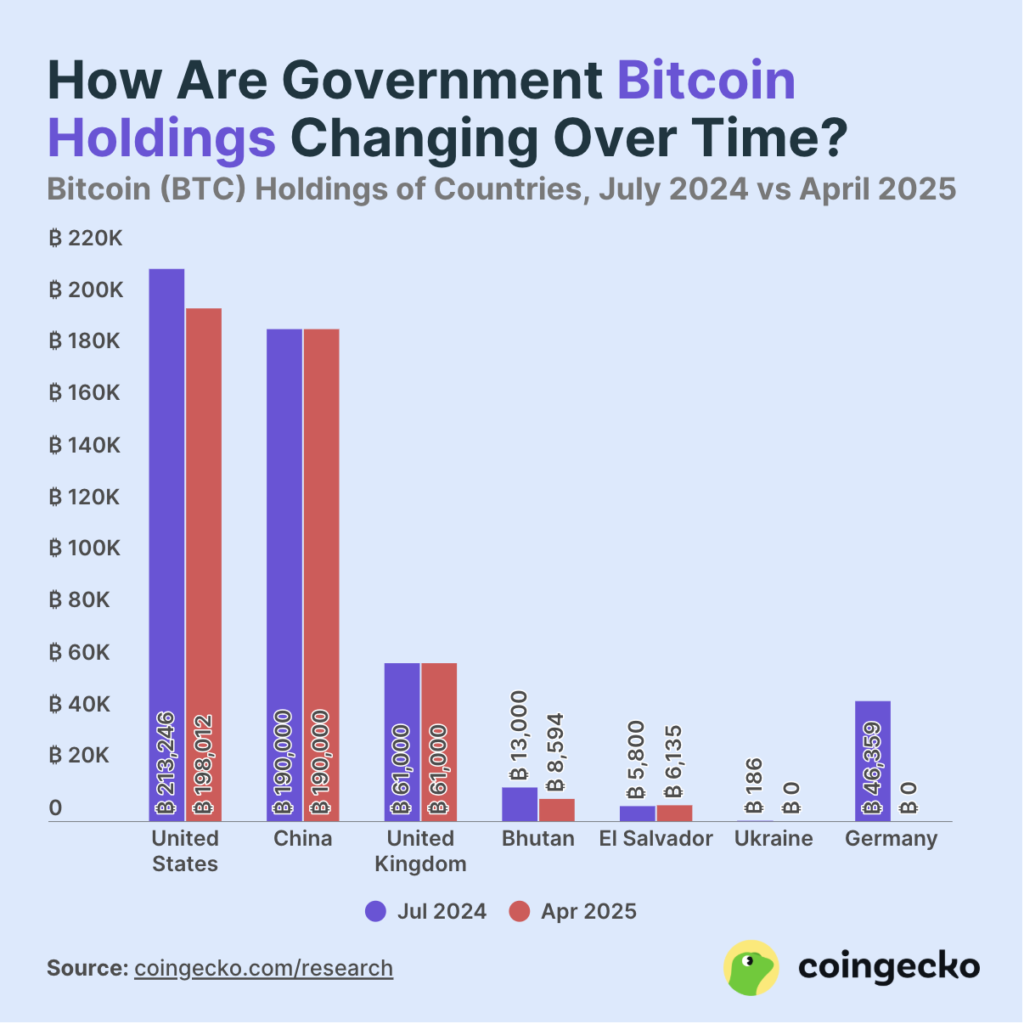
| Country | Estimated Holdings | Source of BTC | Key Notes |
|---|---|---|---|
| United States | ±200,000 BTC | Seized assets (Silk Road, ransomware, etc.) | Launched Strategic Bitcoin Reserve in March 2025 |
| China | ±190,000 BTC | Confiscated from PlusToken scam (2019) | Stored offline, despite overall crypto ban |
| Bhutan | ±12,500 BTC | Mining powered by green energy (hydropower) | Constitutes 30–40% of GDP, overseen by Druk Holding & Investments |
| United Kingdom | ±61,000 BTC | Seized from money laundering cases (2021) | Managed by Metropolitan Police & CPS, reserved for potential stores |
| El Salvador | ±6,000 BTC | Direct government buys | Initiated “1 BTC per day” strategy, despite having reversed its legal tender status |
| Iran | Thousands (est.) | Legalized mining, later sold to Central Bank | Controlled up to 4–7% of global hashing power at its peak |
Bitcoin versus Conventional Reserve Assets
For a long time, commodities like gold and oil served as the bedrock of national reserves, delivering monetary and energy stability. Now Bitcoin (BTC), which boasts a fixed supply and decentralized governance, is starting to challenge these older norms.
Each resource—gold, oil, and Bitcoin—presents unique traits, regarding valuation, liquidity, volatility, storage overhead, and importance in global economics.
| Aspect | Gold | Oil | Bitcoin (BTC) |
|---|---|---|---|
| U.S. Reserves Value | 8,133 tons (Rp12,842T) | 372M barrels (Rp455T) | 200,000 BTC (Rp258T) |
| Liquidity | Very high, > Rp3,200T/day | Related to industries & geopolitics | High, Rp487–Rp812T/day |
| Volatility | Low–moderate | High, impacted by OPEC/geopolitics | Very high, influenced by speculation |
| Storage Costs | Expensive (vault, insurance, transport) | Very costly (SPR infrastructure) | Relatively cheap (digital custody) |
| Security Risks | Theft, authenticity issues | Depreciation, contamination | Cyberattacks, lost private keys |
| Strategic Role | Inflation hedge, monetary reserve | Energy/geopolitical stability | Inflation hedge, decentralized alternative |
| Availability | Limited but still mined | Limited & dependent on geopolitics | Fixed 21M BTC |
Consequences of Bitcoin Adoption for Market Price and the Cryptocurrency Sector
Wider Bitcoin (BTC) adoption significantly accelerated in 2025, stimulated by institutional investors, the approval of Bitcoin ETFs, and rising interest among governments recognizing its value as a reserve.
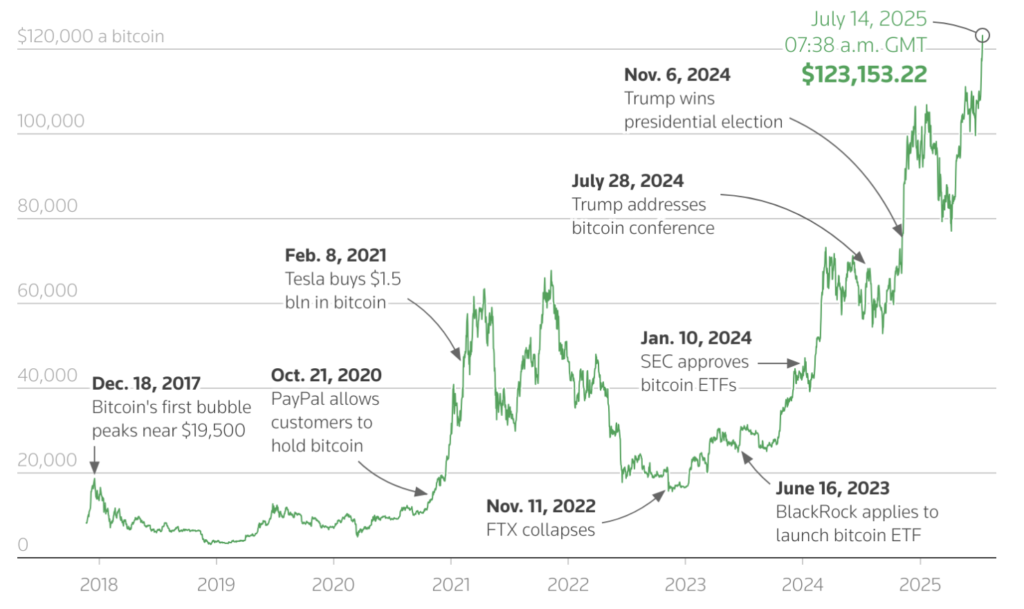
On July 14, 2025, Bitcoin attained a record price of $123,153 (roughly Rp2 billion), reaching its most impressive performance to date.
MicroStrategy’s Bitcoin Holdings Soar to $77.2 Billion
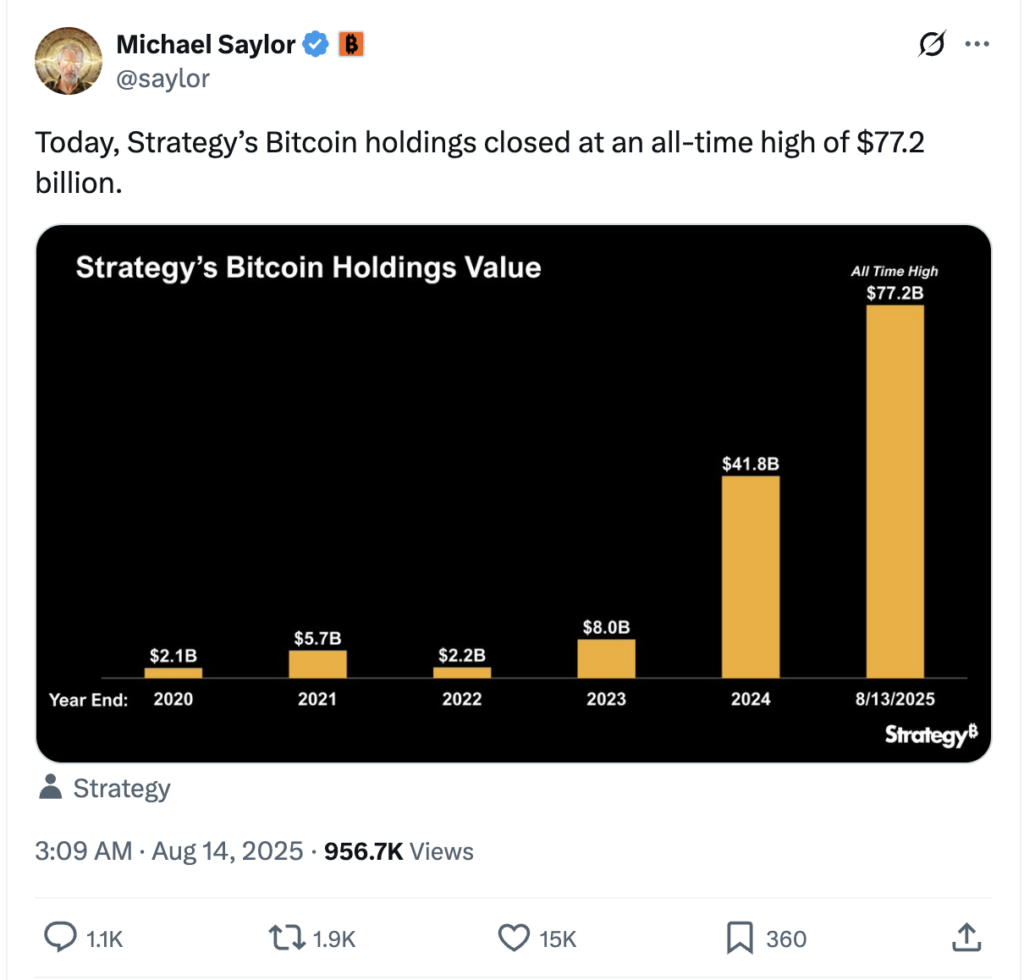
MicroStrategy, helmed by CEO Michael Saylor, has the greatest total corporate Bitcoin stockpile, with 629,376 BTC. Since August 2020, the firm has consistently upped its holdings.
As the price of BTC climbed, MicroStrategy’s holdings surged to a record-breaking $77.2 billion—marking a substantial increase of $35.4 billion compared to its previous peak of $41.8 billion recorded in 2024.
El Salvador’s Bitcoin Assets Reach $768 Million
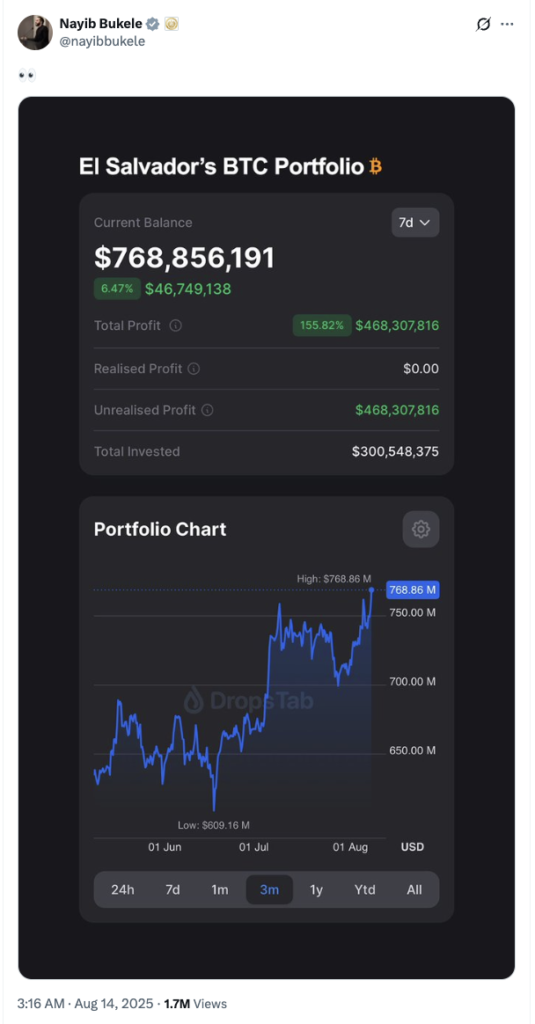
El Salvador’s strategic push into Bitcoin has likewise seen remarkable outcomes. President Nayib Bukele reported unrealized returns of $468.3 million derived from the nation’s Bitcoin holdings.
Having initially invested $300.5 million, El Salvador’s assets are currently worth $768.8 million. The country hailed this achievement as a sign that their Bitcoin strategy is “paying off.”
Legal Oversight and Taxation of Corporate Bitcoin Treasuries
Developing cryptocurrency regulations globally have bolstered investor and corporate confidence in embracing Bitcoin (BTC) as treasury capital. Comprehensive structures, like the EU’s MiCA regulation and the U.S. SEC’s approval of Bitcoin ETFs in January 2024, deliver regulatory clarity and market openness.
Moreover, the Financial Accounting Standards Board (FASB) amended the accountancy procedures for virtual assets in December 2023. Through fair value accounting, Bitcoin can now be registered at its current market evaluation.
Previously, firms could only report impairment losses without acknowledging increases. The changed rule delivers a more precise representation of Bitcoin’s actual worth on financial records, enhancing financial openness.
Bitcoin Uptake in Indonesia and Across the Globe
In Q1 2025, Indonesia had 14.16 million crypto investors, placing it third worldwide for adoption of digital assets. Monthly crypto trades totaled Rp35.61 trillion. These figures suggest rapid adoption, anticipated to include 16.98% of its population by 2026.
Business involvement is also gathering momentum. In 2025, Bitcoin accumulation by firms surpassed flows from smaller investors and ETFs, establishing corporations as key drivers of wider adoption.
Indonesia Considering Bitcoin for National Reserves

The Indonesian government is exploring Bitcoin as a component of their central reserve holdings. The Bitcoin Indonesia association was invited to showcase its project at the Office of the Vice President.
They highlighted feasible projects, like Bitcoin mining powered by renewable energy (hydro and geothermal). Such an initiative could stimulate economic growth and promote job creation, similar to what has been witnessed in nations embracing Bitcoin on a national scale.
Expert Opinions on Worldwide Crypto Uptake
A report by Chainalysis (Oct 2024) demonstrated the various levels of crypto adaptation worldwide, because of financial factors, policies, and resources. Forbes noted that policies would be critical in advancing global adoption further.
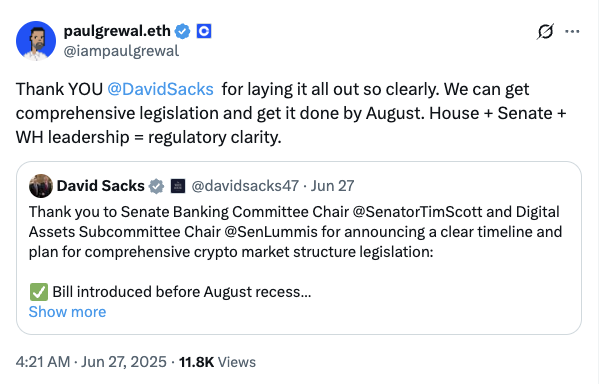
Coinbase’s CLO Paul Grewal optimistically suggested on platform X that thorough crypto policies could be approaching in the U.S., by having Congress and the White House collaborate.
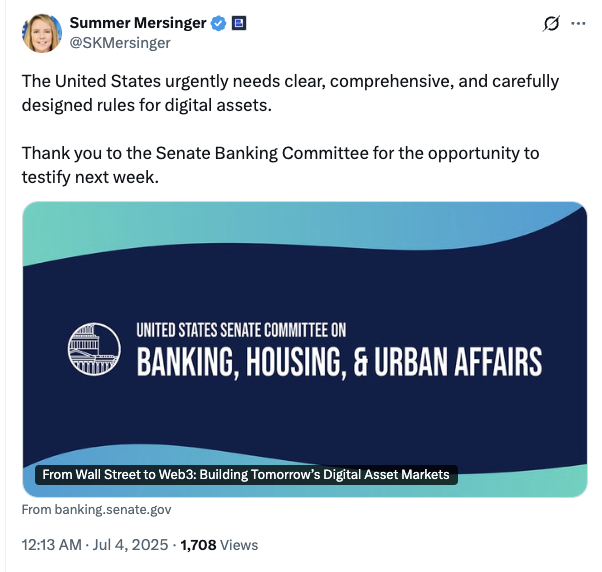
Similarly, Blockchain Association CEO and ex-CFTC Commissioner Summer Mersinger has said regulations concerning digital assets are critically needed.
On a different angle, Alex Gladstein of the Human Rights Foundation highlighted Bitcoin’s collaborative and open nature. He claimed Bitcoin can provide greater access to finance, increase economic strength, and defend human rights everywhere.
In Conclusion
The movement to incorporate Bitcoin as a reserve is picking up pace, as evidenced by its adoption not just among corporate giants like MicroStrategy and Tesla but by national governments like El Salvador, the U.S.A., and China.
Because of its supply cap, ease of liquidity, and role as protection from currency declines, Bitcoin is getting considered a strategic alternative to mainstays such as oil and gold.
Even though risks, like market instability and the complicated regulatory picture, have to be factored in, the 2025 environment points to the growing significance of Bitcoin to global finance, making it an exciting prospect for corporate and national strategy.
💡 Disclaimer: All educational articles from Pintu Academy are meant only for guidance purposes; they should not be taken as financial advice.
References:
- Bitcoin Magazine. Bitcoin Price Breaks $123,000, Bullish Momentum Targets $125,000. Accessed August 25, 2025.
- Binance Academy. What Is a Bitcoin Treasury Strategy?. Accessed August 25, 2025.
- Business Indonesia. Crypto Investor Reaches 14 Million in Indonesia, Ranks Third in Global Crypto Adoption. Accessed August 25, 2025.
- Cointelegraph. US Bitcoin reserve vs. gold and oil reserves: How do they compare?. Accessed August 25, 2025.
- Coingecko. Governments Now Hold 2.3% of All Bitcoin. Accessed August 25, 2025.
- Forbes. What Is Crypto Adoption, And Is It Increasing? Examining Global Growth In 2025. Accessed August 25, 2025.
- Ledger. Bitcoin Treasury. Accessed August 25, 2025.
- Trust. Why is MicroStrategy Buying Bitcoin?. Accessed August 25, 2025.