
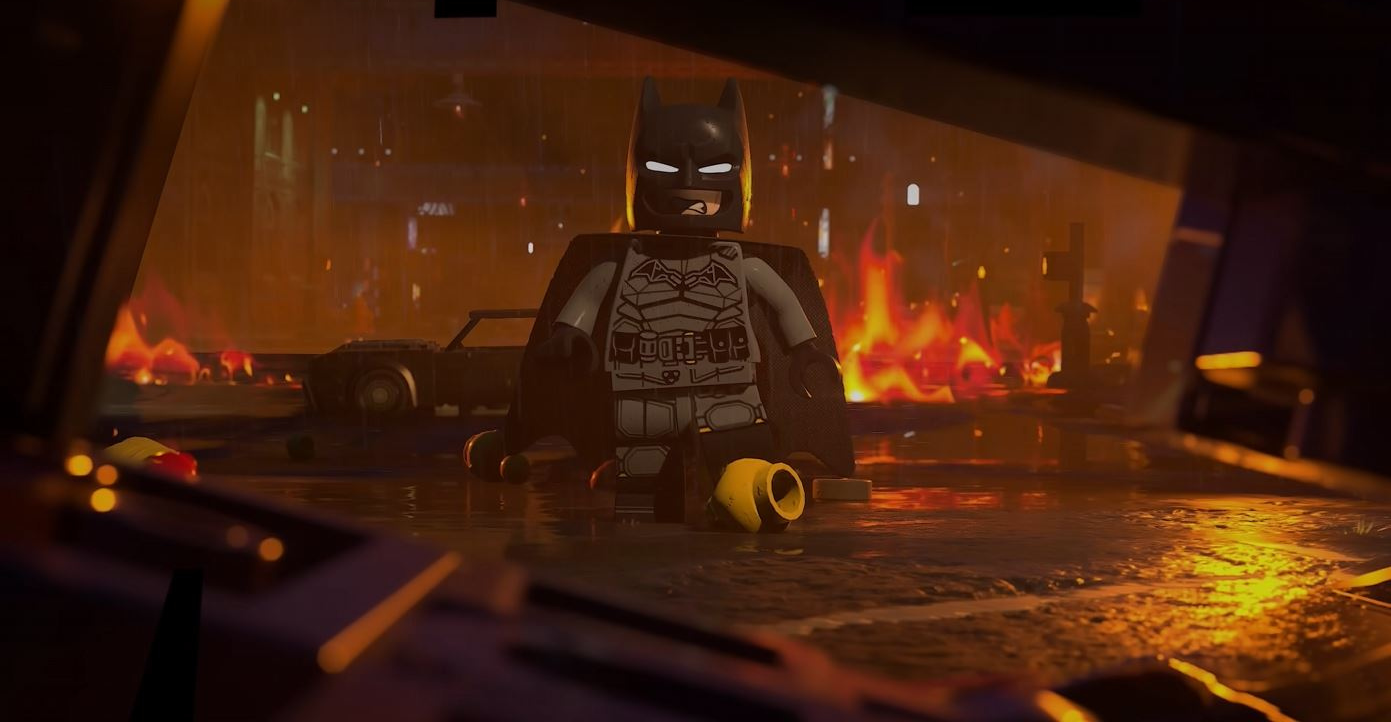
As major gaming events like Gamescom approach, it’s often predictable which major releases will steal the show. However, the unexpected buzz around a new Lego title is taking center stage, and for a compelling reason.
Following the unveiling of Lego Batman: Legacy of the Dark Knight by TT Games at Gamescom Opening Night Live, the reaction was instantaneous. Fans are hailing it as the spiritual successor they’ve longed for since Rocksteady’s Arkham series. For dedicated Batman fans who have been disappointed by recent game releases over the past decade, this is an unexpected beacon of hope.
The Arkham franchise was celebrated for its engaging narratives and open-world environments that evolved alongside the story, coupled with responsive combat that built momentum. Rocksteady’s 2015 release, Batman: Arkham Knight, the series’s fourth installment, has been lauded as the quintessential Batman experience, potentially even the best game of its generation. Critics frequently used terms like “masterpiece” and “groundbreaking” to describe it. It dominated Game of the Year lists in 2015 and is generally considered the gold standard for comic book adaptations in gaming. Its art direction still wows players, and gamers still regularly marvel over its impeccable art direction, acknowledging how current titles often fail to capture the same gritty essence of Gotham’s underbelly.
While Arkham Knight was the fourth game, the impact of the entire Arkham series is broad. If you’ve ever engaged in fisticuffs with a foe, used stealth tactics, or unraveled a mystery in a big-budget game, you’ve likely experienced the influence of the Arkham series. Yet, an entire decade has passed since Rocksteady’s open-world triumph, without a direct sequel. Although Rocksteady declared that Arkham Knight would be their final Arkham installment, the lack of a follow-up is quite astonishing in an industry that loves sequels and reboots.
As evident in the comment sections of Batman: Legacy of the Dark Knight‘s reveal trailer, or whenever the DC Universe is discussed among fans, the desire for a new Arkham-style game remains strong and unmet. This yearning has been amplified by the games that have tried to step into Arkham’s position. For example, Rocksteady’s Suicide Squad: Kill The Justice League, set within the same continuity as the acclaimed Batman franchise, left Arkham fans puzzled when the studio, primarily known for single-player narrative-driven action games, shifted towards a multiplayer format.
Rocksteady even avoided labeling the game’s genre, only reassuring players that the heart of the Arkham series would be present in Suicide Squad. Nevertheless, Suicide Squad faced immediate challenges in 2024. A month after launch, player counts dwindled to around 1,000 on certain platforms. A Joker DLC, featuring repetitive and tedious mission structures, only intensified player frustration. Unlike success stories like No Man’s Sky, Suicide Squad didn’t turn things around. Instead, it became a cautionary tale of a misstep that could have been avoided had Rocksteady remained true to its strengths. The game joined a growing list of live-service disappointments.
As Suicide Squad struggled, WB Games did little to reassure fans that it understood the core elements that made its past hits successful. Gotham Knights, released in 2022, was met with lukewarm reception, with many considering the co-op experience to be mediocre. Despite prioritizing narrative within the Batman universe, its gameplay failed to engage many players. While it avoided the pitfalls of live-service models, Gotham Knights still became a victim of industry trends. Its quest design, crafting systems, and repeatable missions attempted to mimic the “endless” nature of series like Diablo and Borderlands. Unfortunately, the core content wasn’t compelling enough to retain player interest. Unlike Arkham Knight, which used delightful Riddler puzzles to flex the game’s narrative and gameplay strengths, Gotham Knights only provided busywork with little payoff.
While the last decade hasn’t been defined only by disappointing Batman games that were completely overshadowed by Batman: Arkham Knight, some players have fond memories of the VR Batman title released in 2016, for instance. The immersive game enabled players to truly feel like they were examining crime scenes and encountering iconic villains in a distinct dimension. However, Batman: Arkham VR was a short experience, lasting only 90 minutes, and restricted to a VR platform not widely accessible. Ultimately, Arkham VR offered, at best, a brief diversion.
Throughout the various setbacks and teases, one truth has persisted: Players yearn for a new Arkham-style adventure. The void left behind by the series has created an ideal environment for Lego Batman: Legacy of the Dark Knight. While some comparisons between the two games are based on wishful thinking, it should be noted that Lego titles are usually lighthearted, poking fun at their source material. The Arkham series, on the other hand, were intense narratives that delved into Batman’s troubled mind, featuring disturbing elements that a Lego game could never truly replicate. Still, if a new Arkham game isn’t on the horizon, this could be the closest alternative. Perhaps, after years of frustration, it could be cathartic to see Lego satirize the drama.
The echoes of the Arkham series in Legacy of the Dark Knight appear to be intentional. The game seemingly blends iconic elements from various Batman interpretations, like Robert Pattinson’s intimidating gait from The Batman to Bane’s theatrical pronouncements from The Dark Knight Rises. Consequently, TT Games is evidently drawing inspiration from the acclaimed Arkham games, which is apparent in the publicly shown gameplay.
TT Games’ version of Gotham showcases the same striking visual style that defined the Arkham series. Both games offer open-world environments, with reports suggesting that the Lego version will be even more expansive than the Arkham series. Gotham will be filled with Riddler puzzles, though it remains to be seen if these will be as challenging as those in the Arkham games. Given their likely inclusion of elements like teddy bears, the Lego Riddler puzzles will undoubtedly be more whimsical.
The combat system also features familiar elements: precise combos, satisfying counters, and seamless crowd control as Batman gracefully battles groups of enemies. However, in this iteration, enemies explode into tiny studs when defeated. Additionally, players will grapple and glide through Gotham’s streets, just as they did in the Arkham games.
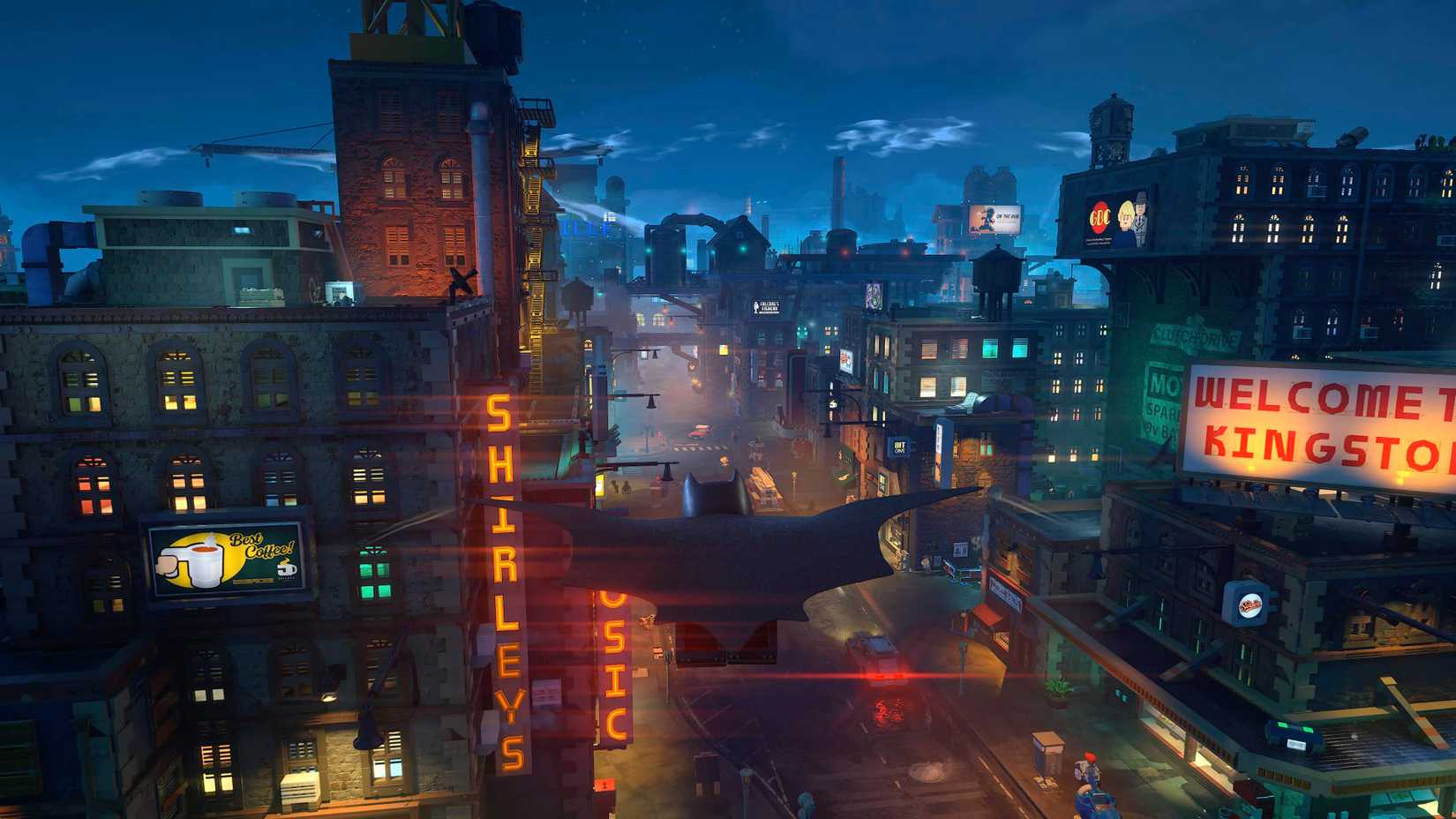
There’s even a possibility that Legacy of the Dark Knight might surpass the Arkham series in at least one aspect: the Batmobile. Long-time fans remember that the Batmobile was one of the biggest issues of the almost perfect Arkham Knight. Encounters with popular villains often devolved into frustrating “tank” battles using the Batmobile. By focusing these encounters on driving and shooting, these segments failed to capture the essence that made those Batman characters so memorable. Players often found themselves stuck in these sections, making the Batmobile a frustrating mechanic.
You’d expect that fans would groan at the sight of the Batmobile roaring to life again, but instead, there’s excitement in response to footage of players cruising in the Lego Batmobile, as shown by a short clip on X that has garnered 7.9 million views:
One of the top comments reads, “Close enough, welcome back Batman Arkham Knight.”
The Lego Batmobile brings back memories of speeding through the streets in Arkham, and how Rocksteady subtly showcased the gang wars plaguing Gotham. It also exemplifies how the Arkham series is remembered within the fandom. Enough time has passed that even aspects people disliked a decade ago are now fondly remembered. It has been long enough that some may even have forgotten that the Arkham series ostensibly reached an apex that will not likely be matched.
As our 2015 review stated, “After Arkham Knight, seeking further substance in the Batman universe would be a futile endeavor.”
However, maybe Legacy of the Dark Knight doesn’t need to equal or outdo its inspiration. Firstly, there are rumors that Rocksteady is developing a new Batman game. But even if that wasn’t the case, it may be enough that TT Games is continuing its approach of crafting games with broad appeal that includes adults.
While children can easily play Lego games like these and laugh at the way Batman uses a frying pan to incapacitate a thug, it’s the adults who are most aware of Batman’s extensive pop-culture history, from Tim Burton to Christopher Nolan, who are best equipped to appreciate the hidden references that Telltale has incorporated. However, adults familiar with Lego Star Wars also know that no prior understanding of the source material is necessary to enjoy a TT game. If anything, Lego games can serve as an ideal entry point to a universe with an extensive history.
One comment on the official trailer reads, “Lego Batman game, inspired by EVERYTHING, Arkham-style gameplay…Lord, you’re too kind.”
A post on X states, “You know they’ve created something special when all the adult Batman fans are fully prepared to buy it.”