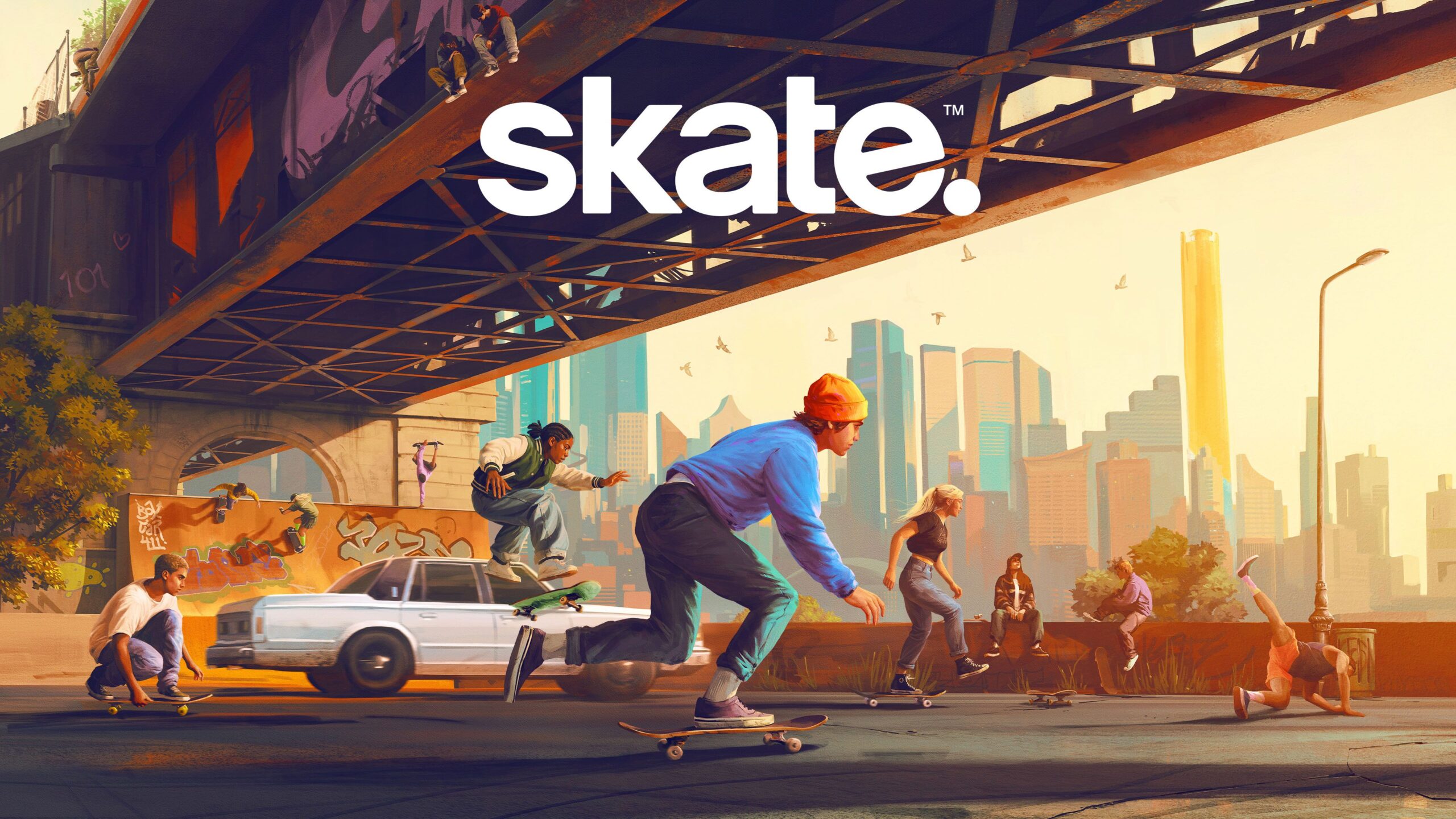
It’s safe to say some games generate immense buzz, but few carry the weight of expectation like those born from sheer fan desire. This is precisely the case with the highly anticipated successor to Skate 3, a game practically willed into existence.
Instead of a straightforward “Skate 4,” the developers have crafted a massively multiplayer experience. The goal is to transform this Skate installment into a dynamic live-service platform, designed for lasting engagement.
The “live service” label can be daunting, especially when applied to a beloved franchise like Skate. Skepticism is understandable.
However, despite being an early access version with room to grow to reach the iconic status of past games, the time spent in San Vansterdam was surprisingly enjoyable. While the soundtrack might lack the Band of Horses vibe this time, Skate is far from Ready for the Funeral.
The Streets Remember
The Skate series has provided some amazing skateboarding environments, evolving into a leading sports game. Players cherish memorable spots from Port Carverton to San Vanelona.
The challenge for this new Skate was crafting another engaging and creative city for players to explore. While San Vansterdam has some promising areas, it doesn’t quite hit the mark yet.
The current four-district map offers a solid base with various ledges, rails, ramps, and downhill sections. The skating feels good in San Vansterdam, more due to the refined mechanics than the city’s design itself.
The map lacks those iconic landmarks that made previous games so popular, like Danny Way’s Megapark, Hartley Stadium at the University District, or Park n’ Play downtown. While there are attempts to replicate these spots, none quite capture the same magic.
The success of Skate during early access and beyond will rely on expanding the existing world. The live service model implies regular, Fortnite-esque map updates to maintain player interest.
This is especially important because the repetitive challenges could quickly become tedious, similar to daily tasks in MMOs.
Smooth Like Butter
While San Vansterdam didn’t fully win me over, it showcased the buttery smooth mechanics improved since Skate 3. As a skater, I’m more critical, but the overall impression is positive.
The highlight of Skate is its transition skating. No other game captures the fluidity and fun of riding ramps and bowls like this series, and that’s still present in the new iteration.
Whether carving a bowl and performing quick melon grabs, or launching off a mega ramp with a Christ air backflip, the seamless flow between tricks never gets old.
Street skating also feels smoother, with the flick-it system offering accessibility for simple tricks while still rewarding players who master more complex maneuvers like inward heels and laser flips.
Even the small detail of automatic reverts adds a satisfying touch, making imperfect landings feel significant.
Combine this with a user-friendly DIY spot editor for quick customization, plus the return of stalls, footplants, and other technical tricks, and there are plenty of ways to express your skating style.
Essentially, if you’ve played Skate before, the mechanics follow an “if it ain’t broke, don’t fix it” approach, which is appreciated. It’s a major reason Skate has retained its dedicated fanbase.
Minor adjustments could further enhance the experience. Adjustable physics settings, similar to Session, would cater to players seeking more realistic gameplay with accurate gravity and board rotations.
While parkour and climbing add a new dimension, the “push up to climb” mechanic feels clunky. Fast travel points that don’t require unlocking would be preferable.
For players simply seeking a new Skate playground with familiar mechanics, this version delivers. This alone will likely satisfy many fans.
It’s The Company You Keep
The move to a live service model has been a major topic for those following the game’s development. Initially, this decision raised concerns about a potential cash-grab scheme.
However, based on the early access preview, the live service model appears to be well-implemented. There are no pay-to-win elements. Learning a Varial Heelflip doesn’t require endless grinding, nor do you need to spend money to unlock new areas. All unlocks are cosmetic, and obtainable without real-world currency.
This was a primary concern, and it has largely been addressed. However, the game strongly encourages multiplayer participation, almost punishing players who prefer solo play.
A single-player element exists, featuring series characters like Shingo and Slappy to teach the basics, but it serves mainly as an extended tutorial. The multiplayer focus is the core substance of the game at this stage.
There’s a limit to how many times the same challenges can be repeated, and the appeal of unlocking cosmetics diminishes without an audience. Therefore, solo players might find the experience lacking. However, as a group activity, it’s undeniably fun.
The option to connect with anyone in the server for a free skate session, head-to-head challenge, or a simple hangout makes Skate less about challenges and unlocks, and more about shared experiences.
Players get out what they put in, and the social possibilities are vast, boosting confidence that this game can find its place in the competitive live service market.
A Few Skatestoppers To Angle Grind Off
The biggest issue is that the game feels unfinished. It’s more of a fun distraction than an immersive skateboarding experience that could consume hours.
The game feels very much like early access, with rough textures, glitches, awkward UI, and other problems that detract from an otherwise enjoyable experience.
These issues are somewhat tolerable by adjusting settings or accepting minor flaws. However, the server performance was a major problem.
Even during an invitation-only preview with relatively few players online, the game frequently stuttered before crashing or disconnecting me.
This leads to the question: why is an always-online connection necessary? Many players may prefer casual solo skating and will be forced to endure these server issues, potentially leading them to quit.
This is particularly concerning, as developers confidently claimed in a pre-preview Q&A that the servers could theoretically host “Ten Billion Players.” This claim was met with skepticism, given past experiences with unreliable servers in other games.
This confidence may be misplaced, and the “always online” requirement could be the biggest obstacle for casual players uninterested in multiplayer.
The Verdict:
“While this new live service Skate is far from complete, my confidence has increased after experiencing San Van. The gameplay is familiar, with quality-of-life improvements for newcomers without changing the core formula. San Van provides a solid foundation, though it needs more depth. The multiplayer is excellent for those inclined, but solo players may find the experience lacking. Overall, if you love the series and want to skate on modern systems, this new Skate will satisfy that desire.”
Skate.
- Released
-
2025
- Developer(s)
-
Full Circle