
For the creative minds at Tiny Bull Studios, the core concept behind The Lonesome Guild remained a constant beacon throughout its developmental journey: exploring the theme of solitude.
“The game’s underlying ideas and even the gameplay mechanics themselves are crafted around this intriguing tension between isolation and collaborative effort,” explained producer Luca Cafasso in a recent video interview with Polygon. He emphasized, “It was a priority to treat this theme with maturity, despite the game’s charming and whimsical art style. This was a fundamental principle for us.”
The germination of The Lonesome Guild began in 2021, driven by the “concept of loneliness,” as noted by producer Simone Pellegrini. Initially, the team experimented with various gameplay styles before settling on the isometric action RPG format. “We initially envisioned something similar to Pokémon Mystery Dungeon, but then transitioned towards a turn-based tactical RPG,” Pellegrini recounted.
A year later, Don’t Nod joined as the publisher. At the time, the game still adhered to the tactical RPG blueprint. However, the development team came to the realization that this gameplay style “didn’t effectively serve the narrative,” according to Pellegrini.
The interplay of loneliness and camaraderie takes center stage in The Lonesome Guild, with the developers meticulously ensuring that the gameplay experience amplifies this theme. Pellegrini elaborated, “We prioritize defining features that complement the narrative,” explaining how Tiny Bull transitioned to real-time action gameplay, compelling players to strategically leverage their entire party for combat success. “The combat system is designed to encourage and necessitate the utilization of all party members, as individual performance is significantly diminished.”
The diverse cast consists of six playable characters, all charming animal figures, complemented by Ghost, an amnesiac spirit grappling with his lost identity and unfamiliar surroundings. He finds himself in a forest where he encounters Davinci, the initial member of the game’s party.
Ghost’s inability to physically connect with his companions deepens his feelings of isolation, making him a central figure in Tiny Bull’s exploration of loneliness. Pellegrini emphasizes, “What could be more isolating than yearning for physical interaction with friends, yet being unable to attain it?”
Pellegrini further notes, “While each character confronts loneliness, their individual experiences are unique.” Davinci, a rabbit equipped with mechanical wings due to his natural winglessness, “feels abandoned by his celestial community, striving to return to his family from whom he has been separated for many years.”
In contrast, the irascible Mr. Fox endures a personal tragedy, compelling him to “enter into exile as he believes himself unworthy of leading his people. The narrative will eventually force him to confront his community and overcome his specific form of loneliness,” explains Pellegrini.
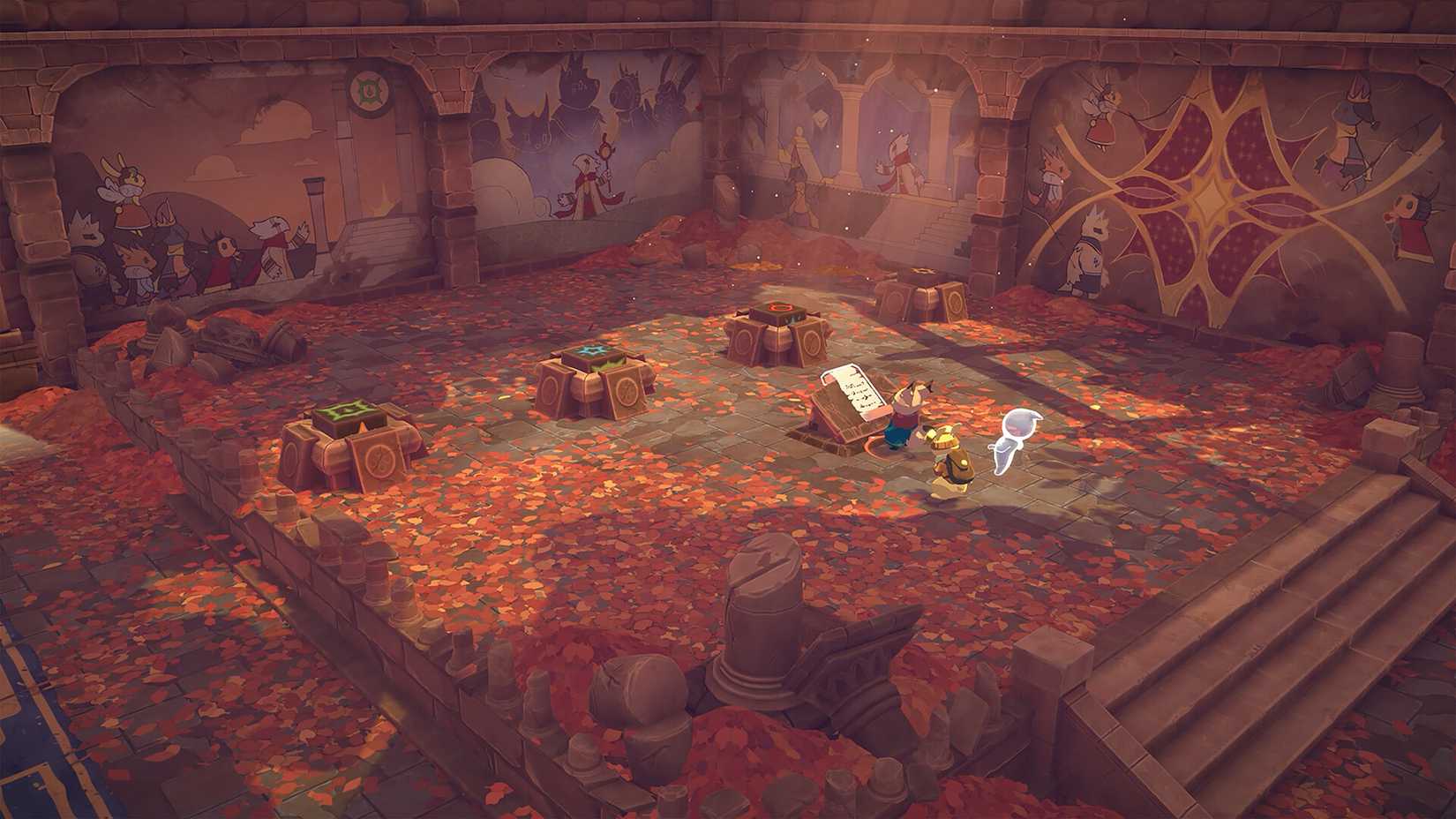
While one might expect the producers to struggle with playing favorites, Cafasso and Pellegrini demonstrate a clear preference for certain characters. “We intentionally created a diverse array of heroes to foster personal connections,” Cafasso explained, expressing his fondness for Ran Tran Trum, a Capybara sporting punk hair and a torn vest. “His experience of loneliness stems from a conflict with his family, provoking him to react with resilience and determination. This resonates with me personally, as I reflect on my own experiences growing up in the ’90s when video games were often viewed negatively, yet now I earn a living from them.”
Pellegrini confessed, “My favorite is undoubtedly Mr. Fox. I am drawn to his cynical outlook, witty humanism, and the underlying narrative of responsibility towards those around him, which I find personally relatable.”
With favorites come least favorites, and Pellegrini readily expressed his disaffection. “I may have a personal aversion towards Davinci, as his excessive optimism and talkativeness clash with my own personality. Therefore, he doesn’t particularly appeal to me.” The contrasting personalities of the optimist Davinci and the grumpy Mr. Fox are prominently displayed, as they are the initial two characters to join the party. However, Cafasso defended the bunny, “The effectiveness of Mr. Fox is amplified by Davinci. The cynicism of Mr. Fox wouldn’t be as impactful without Davinci, thanks to the dialogues crafted by our narrative designer.”
“Yes, but I still don’t like him,” Pellegrini promptly retorted.
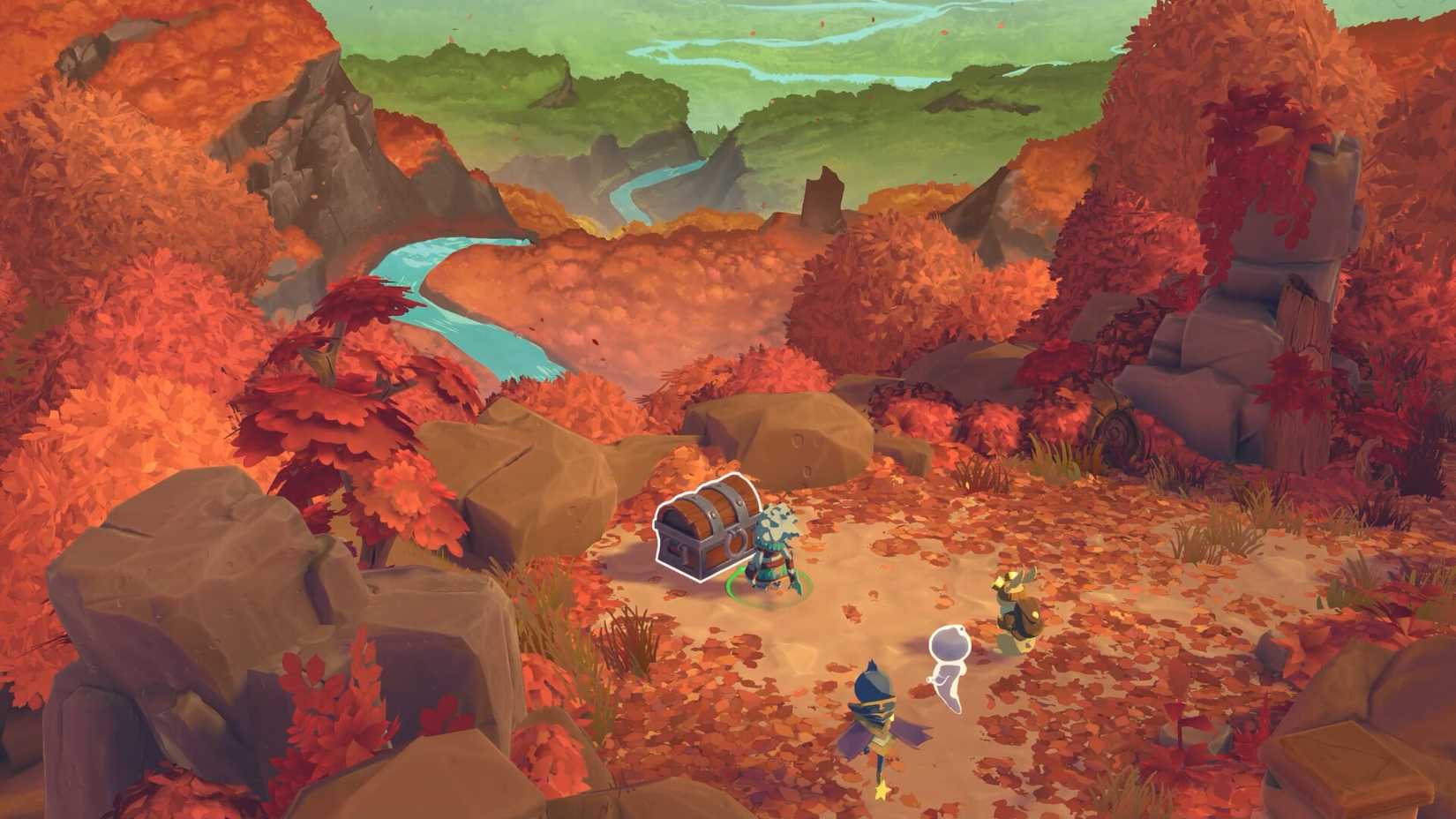
The genesis of The Lonesome Guild occurred during the height of the COVID-19 pandemic. Cafasso recounted, “Italy was severely impacted by COVID early on, being the first Western country to experience its severity. The initial lockdown significantly affected social interactions and forms of entertainment, leaving a lasting impression. When our writers proposed the idea of exploring loneliness, it solidified our decision to prioritize this project over other concepts we had at the time.”
Nonetheless, the team emphasized that “the portrayal of loneliness within the game should resonate beyond the specific circumstances of a lockdown.” Cafasso noted that loneliness and isolation are “prevalent in modern life,” highlighting the team’s awareness “that handling the thematic of loneliness without seriousness could be a missed opportunity.”
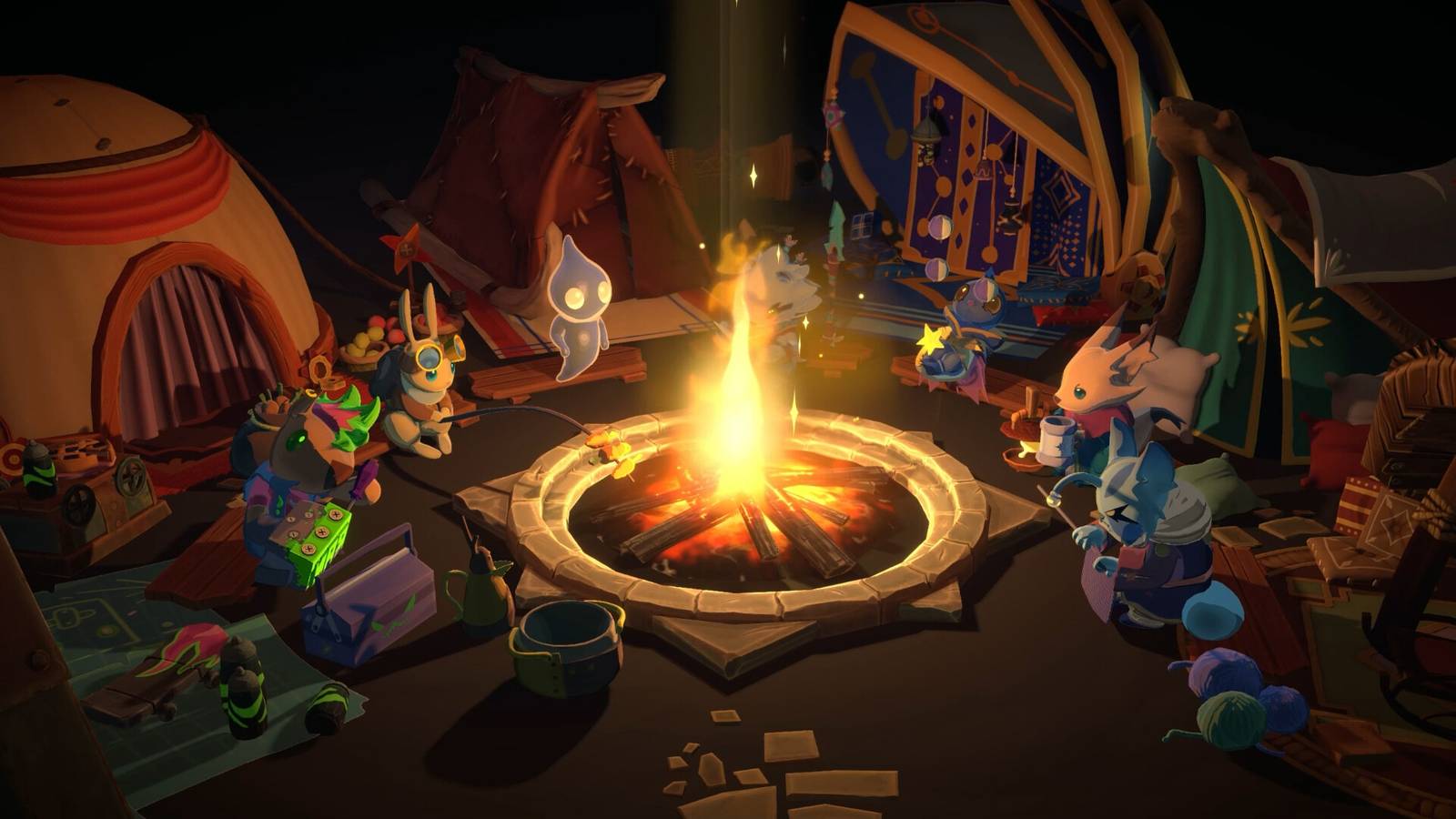
The game provides campfire conversations as an opportunity to forge bonds between characters. Ghost and the party will gather around the fire, and establishing friendships with Ghost will gradually unlock the characters’ skill trees. Cafasso explained, “We wanted to incentivize teamwork and togetherness through the gameplay.” Characters will grow stronger as their bonds deepen, but players have the freedom to respec the skill tree at any time.
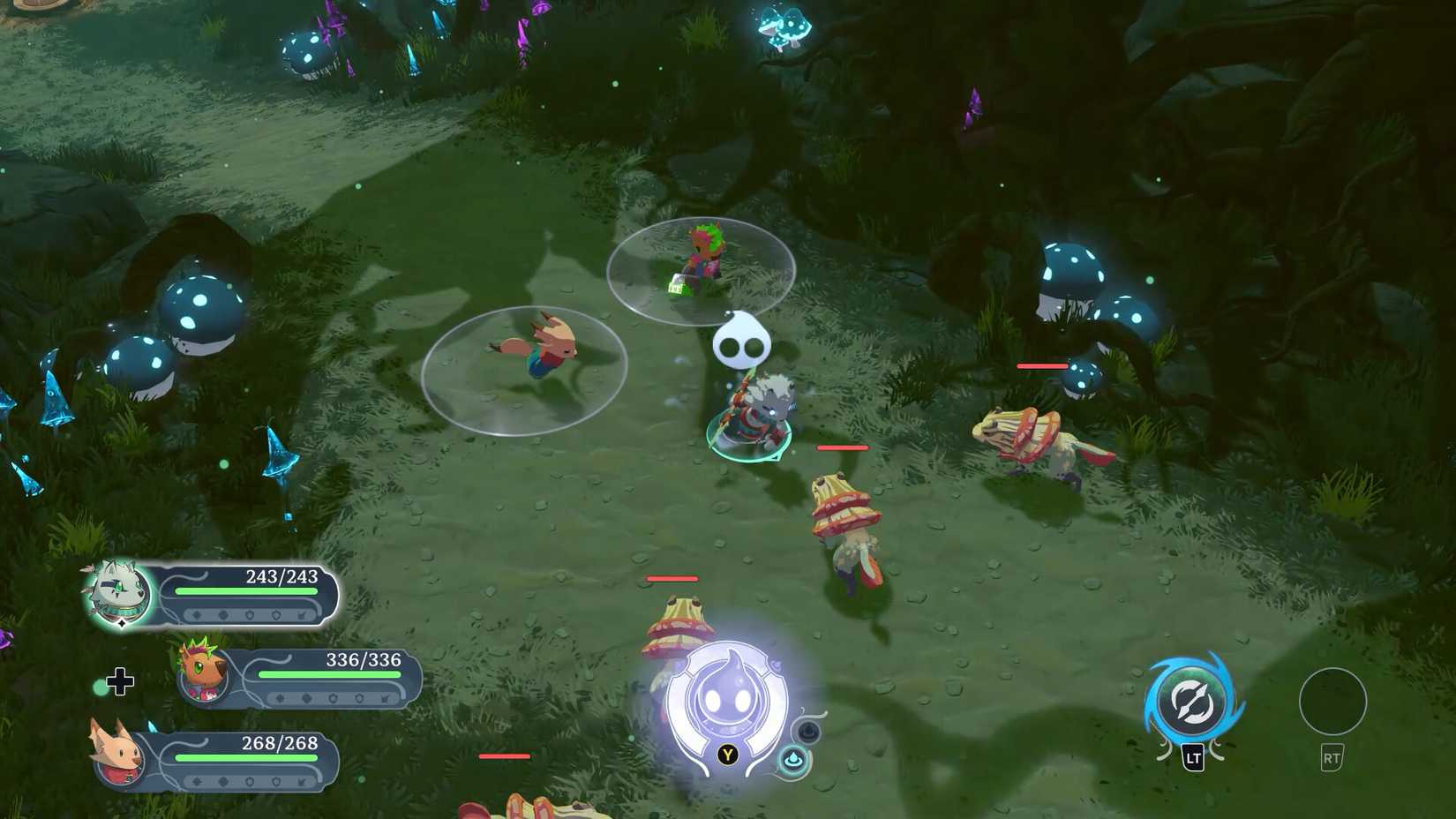
Davinci, Mr. Fox, and the other party members will exhibit their unity and prowess in combat, aided by Ghost, who can empower the characters’ abilities through possession, a mechanic conceived by the game’s writers. Cafasso asserted, “Ghost’s power represents the pinnacle of togetherness.” As Ghost, you can seamlessly transition between characters to enhance their performance, “motivating players seeking efficiency to utilize the entire team as a cohesive unit, rather than relying solely on their favorite character,” according to Cafasso.
Fans of acclaimed indie isometric titles like Tunic and Death’s Door will discern their influence on The Lonesome Guild. Pellegrini acknowledged these games, as well as other notable indie titles such as the Ori series, as sources of inspiration. He also reiterated that Pokémon Mystery Dungeon inspired The Lonesome Guild‘s art style, aiming to create characters with a similar level of charm.
Cafasso reflected on the impact of childhood games on The Lonesome Guild, stating, “When a team has the opportunity to develop a game reminiscent of those played during their youth, naturally, every department will draw inspiration from those games and media that left a lasting impression.”
The Lonesome Guild aspires to join the ranks of these beloved games upon its release on October 23. Currently, the team remains committed to this date, even with the imminent launch of Hollow Knight: Silksong, which has prompted other indie studios to reschedule their game releases. Pellegrini playfully stated, “We hope everyone enjoys playing Silksong on day one, allowing them to freely experience our game on October 23rd.”
The game will be available on PlayStation 5, Windows PC, and Xbox Series X. Similar to some of Tiny Bull’s indie contemporaries, the studio has not yet received a Nintendo Switch 2 devkit, despite having requested one. Cafasso and the team are dedicated to “making this story accessible to as many players as possible” and hope to eventually bring it to the Switch 2 to achieve this goal.