
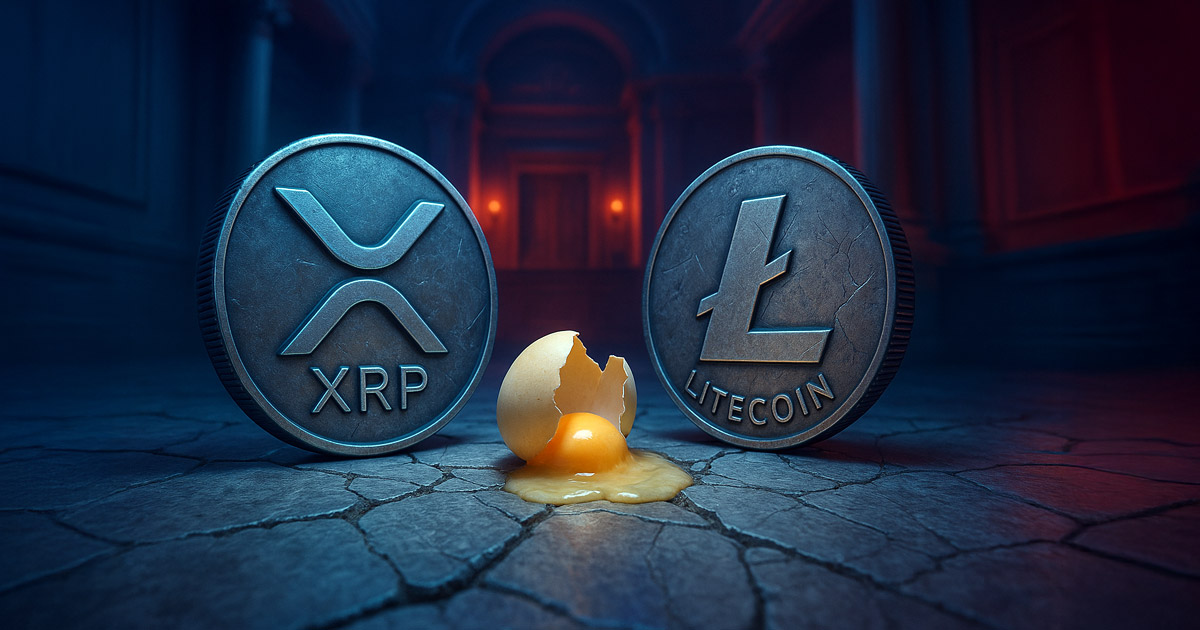

The XRP community has responded with significant disapproval following a post from the official Litecoin X (formerly Twitter) account. The post, which compared XRP to the odor of spoiled eggs, has been widely criticized.
On August 29th, the Litecoin account posted what it described as a “fun fact,” noting that comets possess a scent reminiscent of rotten eggs, urine, burnt matches, and almonds.
The account then drew a parallel between this odor and XRP, implying that its promotion as a banking solution deceives ordinary investors into overvaluing the system itself compared to the value of the money transferred using it.
In the same social media post, Litecoin ridiculed Ripple’s long-held assertion that XRP could potentially replace SWIFT as a digital solution. The post also mocked CEO Brad Garlinghouse, referring to him as “Brad Garlicmouse.”
These remarks sparked considerable outrage among XRP supporters, who perceived them as both demeaning and provocative.
Within hours, the XRP community retaliated. Some members even suggested the possibility of legal action. Others attempted to contrast the performance records of both digital assets, highlighting XRP’s participation in a White House crypto roundtable, an event that Litecoin did not attend.

Litecoin Responds to Criticism
Following the resulting backlash, Litecoin explained that its initial remarks were part of a series of light-hearted “roasts” directed towards various blockchain projects.
The account indicated that it had previously targeted Solana and had even made jokes at its own expense. These earlier incidents elicited mixed reactions, ranging from amusement to mild disapproval.
However, the post referencing XRP triggered what Litecoin characterized as an intense outpouring of negativity that lasted for two full days, accompanied by frequent mentions of market capitalization rankings and Ripple’s governmental outreach efforts.
Litecoin further suggested that critics had misinterpreted the remarks by taking them too literally. In a subsequent statement, they emphasized that the campaign was intended as satire rather than genuine animosity.
This exchange highlights the continuing presence of inter-project rivalry displayed publicly on social media platforms. Here, the branding narratives and community identities frequently clash, which impacts the broader perceptions of legitimacy and widespread utilization of each digital currency.