
Sony’s involvement with Evo, a major event in the fighting game scene, has come to a close with the sale of its majority stake. This move concludes what some considered a pandemic-era detour for the electronics giant. The Evolution Championship Series (Evo) is now under the shared ownership of RTS, a talent agency, and NODWIN Gaming, a company based in India. However, a new development has shifted the landscape.
Qiddiya Gaming, financially supported by Saudi Arabia’s Public Investment Fund (PIF), has acquired complete control of RTS. This acquisition positions Qiddiya Gaming as a significant stakeholder in Evo. Muhannad Aldawood, the Chief Strategy Officer, expressed that this is a “strategic step” to strengthen their esports presence and unlock fresh possibilities within the wider gaming ecosystem.
Aldawood further stated that this acquisition will allow Qiddiya Gaming to boost the growth of the Evolution Championship Series (EVO), identified as the foremost fighting game competition worldwide since its inception in 1996, enabling “unlimited potentials.”
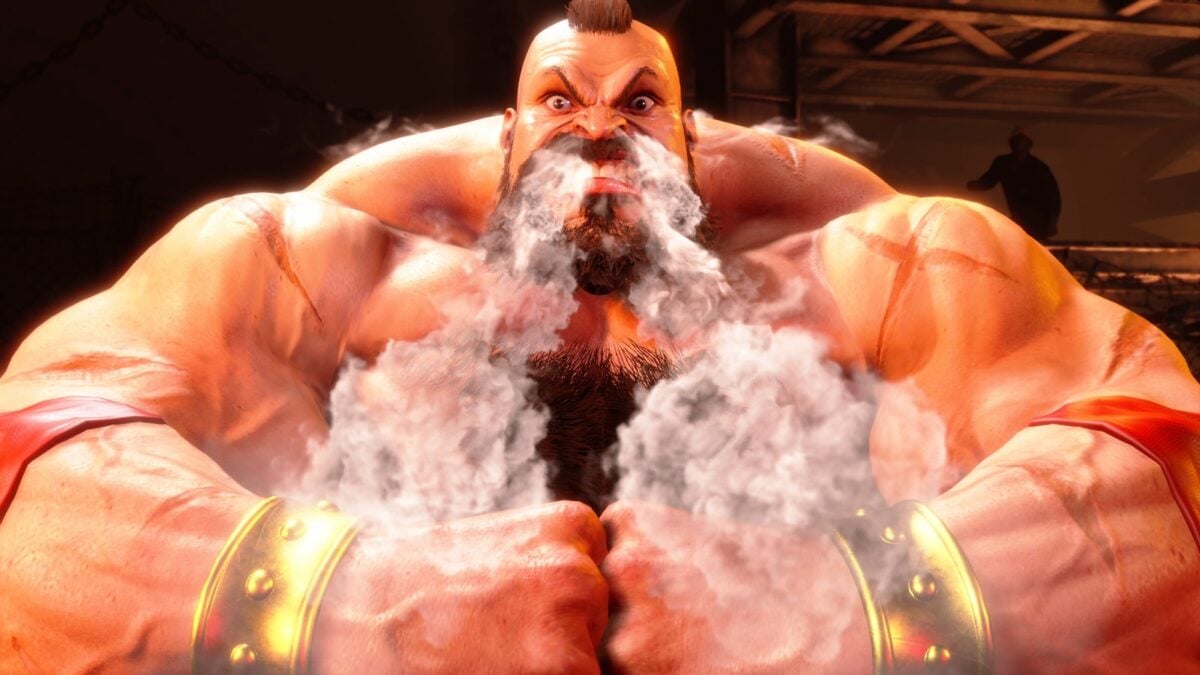
This change places major fighting game titles like Street Fighter 6 and Tekken 8 at the center of a controversy. Saudi Arabia’s actions are being scrutinized as attempts to “sportswash” the country’s human rights record and its status as a monarchy in 2025. These efforts include merging with the PGA Tour, deals with World Wrestling Entertainment (WWE), and offering soccer player Cristiano Ronaldo a substantial contract reportedly worth $700 million to play in Riyadh.
Significant investments have been made in the gaming sector as well. These involve pouring billions into companies ranging from Nintendo and Capcom to Electronic Arts and Nexon Gaming. Earlier this year, they purchased Pokémon Go developer Niantic’s mobile games for around $3.5 billion. SNK Corporation, the company behind King of Fighters and Metal Slug, was also acquired, and Ronaldo was seemingly added into the upcoming Fatal Fury: City of the Wolves video game.
The focus on competitive gaming has also increased. The company acquired ESL FACEIT, a major tournament organizer, in 2022, and secured a 30 percent share in the Chinese esports business Hero Esports in 2023. They recently hosted the inaugural Esports World Cup in 2025, aiming to create a significant esports event through enormous prize pools, surpassing even those during the esports boom of the late 2010s.
While some communities have chosen to boycott the event, others have embraced the attention and financial benefits during a difficult period for professional gaming. A documentary promoting the 2025 EWC was released on Amazon, but the Saudi Arabian version omitted mentions of LGTBQ+ topics and concerns.
Team Liquid, a professional gaming organization with teams in League of Legends, Overwatch 2, and Apex Legends, stated their disappointment after learning that the Saudi broadcast of Esports World Cup: Level Up had been altered to remove images of their Pride jersey, as well as important parts of their Co-CEO Steve Arhancet’s story as a gay man in esports.
While Saudi Arabia’s investment fund holds a minority stake in Evo, the long-term impact of this ownership change is uncertain. It is likely that Saudi Arabia will be added to the list of countries that currently host annual Evo tournaments. The reactions of professional players are still pending.
Fighting games hold a unique position in the esports scene. With a history dating back to the arcade era, and communities established through local connections rather than corporate efforts, Evo has always been a special competitive gaming event. Now it must address the moral implications of having co-owners accused, among other things, of a recent increase in extra-judicial executions.