
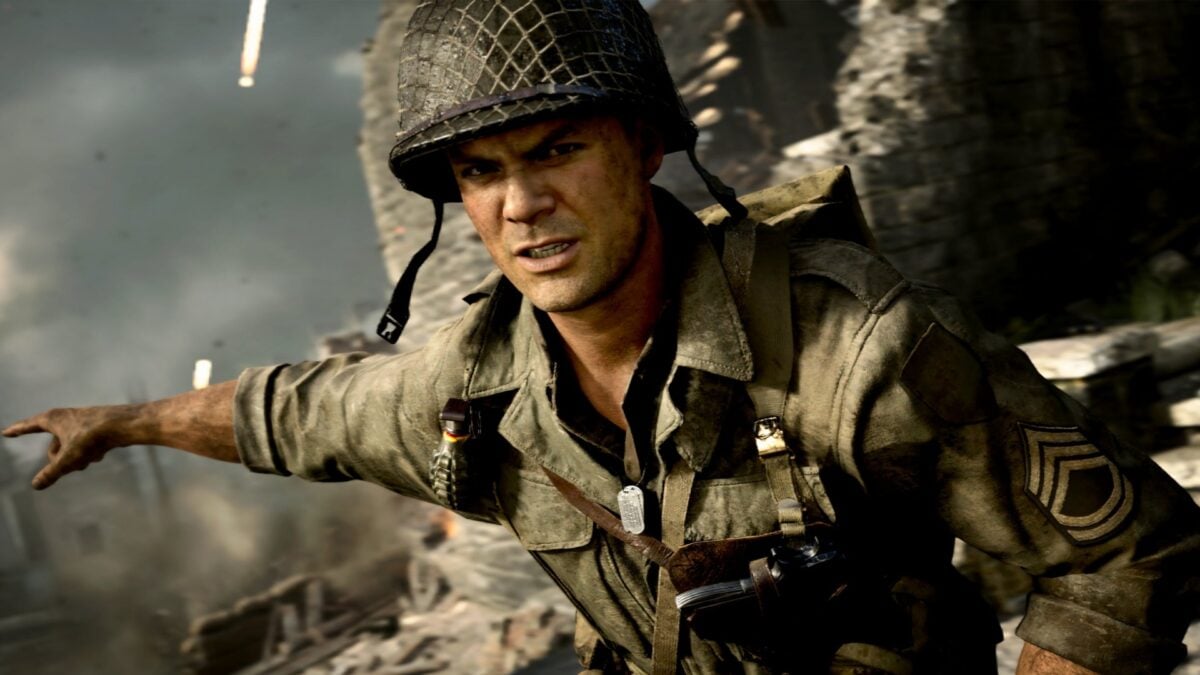
The surge of video game adaptations into film is finally leading to a Call of Duty movie, but the creative team behind this highly anticipated Hollywood debut remains a mystery. Puck News reports that Steven Spielberg expressed interest in directing, only to be rejected by Activision. The acclaimed director and three-time Oscar winner sought complete creative autonomy, a condition the publisher was reportedly unwilling to concede. The news has sent shockwaves through the Call of Duty fanbase.
“This has to be one of the biggest blunders in video game movie history,” exclaimed one user in one of the top threads on the Call of Duty subreddit. Another wrote, “Can you believe they turned down the director of Saving Private Ryan in favor of the studio that created the Halo show?”
Numerous studios vied for the opportunity to adapt the blockbuster franchise, including Universal, whose proposal included Spielberg as director. According to Puck News, Activision, now a part of Microsoft, hesitated at the “Spielberg Deal,” which granted the Schindler’s List director extensive control, namely “top-tier economics, final cut authority, and total control over production and marketing.” Consequently, Activision ultimately partnered with Paramount, the studio behind the widely successful military action film Top Gun: Maverick released in 2022.
Fans have highlighted the rich irony of Call of Duty opting against a collaboration with Spielberg. The original Call of Duty game was born as a competitor to the Medal of Honor series, which Spielberg himself produced the first three installments of. Activision then recruited members from the team behind Medal of Honor: Allied Assault to establish Infinity Ward, and develop its own WWII game. Iconic moments from Saving Private Ryan, particularly the Normandy landing scene, heavily influenced the core of a classic Call of Duty action sequence. And then, nearly a quarter of a century later, Activision essentially turned down the source of inspiration and said, “no thanks”?
Adapting video games for the big screen is already a complex undertaking, and turning down a director with a proven track record and a clear vision seems particularly risky. While Paramount may still deliver financial success for Activision, and there is no doubt plenty of high-profile directors are willing to compromise creative control for a lucrative deal, some Call of Duty enthusiasts might never forgive the company for passing up what could have been a truly special project.