
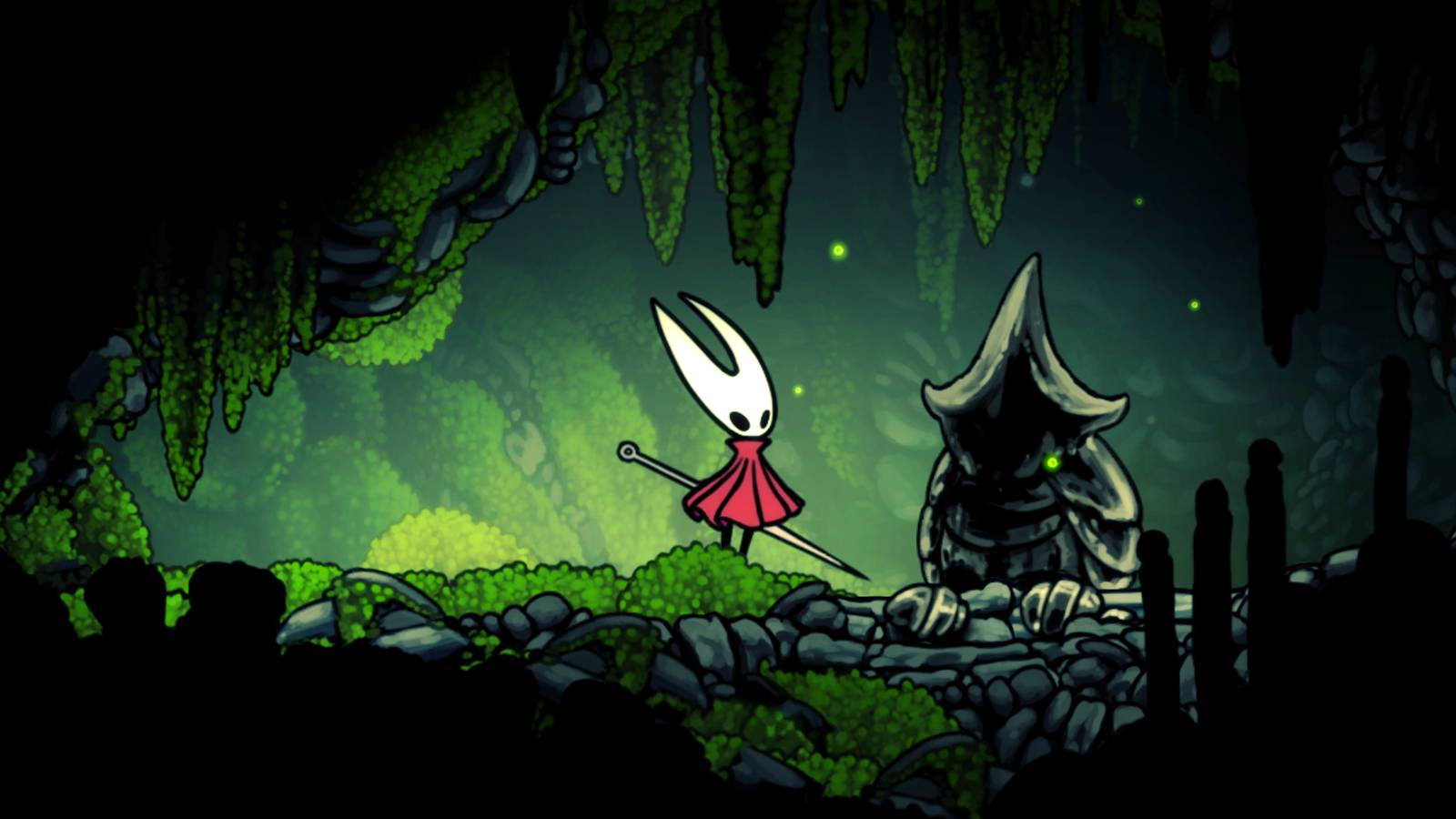
Gamers, prepare for the age-old debate: game difficulty! This time, the spotlight’s on Hollow Knight: Silksong. While no one anticipated an easy adventure, players venturing into Pharloom are finding it surprisingly challenging. The interesting part? Even experienced Hollow Knight players feel this way.
Across social media platforms like X and Reddit, and in discussions with gaming experts, a common sentiment emerges: Silksong demands a shift in mindset. It’s not necessarily considered *too* hard, but players are adjusting their expectations. This game presents a unique obstacle for players.
One popular Reddit comment states, “Taking damage feels more severe, movement requires precision and feels a tad awkward until you master it. The skill ceiling is much, much higher. I’m really enjoying it, though.”
Echoing this, a viral post on X reads, “Silksong is like starting with the hardest parts of Hollow Knight.”
The changed damage system seems to be a major factor. In Hollow Knight, basic enemies typically inflict one “mask” of damage, while bosses and stronger foes dealt more. Health regeneration, tied to focus time, complicated the exact number of hits a player could sustain. The ability to regain health mid-battle added another layer.
However, early areas in Silksong introduce enemies capable of dealing two masks of damage to Hornet right away. Even environmental hazards can inflict this amount! This significant damage from the start can psychologically impact players used to Hollow Knight. It raises the question: Why do standard enemies hit as hard as bosses did in the previous game? Adding to this, some basic enemies require four or five hits to defeat within the first hour, which explains the shifting perceptions.
For many, the difficulty stems from gauging immediate danger. It’s not so much that Hollow Knight set different expectations, but that general gaming conventions often penalize environmental deaths less severely than combat deaths. This distinction changes how the player adapts.
There are several things to consider when discussing Silksong’s challenge. When did you last play Hollow Knight, if at all? Seven years is a significant gap, potentially blurring memories of the original.
Even if you’ve played Hollow Knight recently, remember that Silksong started as DLC. The initial tuning was for late-game content, assuming players had mastered Hollow Knight’s challenges. While Team Cherry likely rebalanced the game as a standalone title, some of the original DLC’s inherent difficulty might remain.
Another key detail is that Hornet controls differently than the Knight. She’s quicker, and her downward attack has a unique angle. Adapting to Hornet takes time, and Silksong is still relatively new. While some struggle, others are mastering the Metroidvania elements. Speedrunners are already discovering faster movement techniques and skipping sections, enhancing their gameplay experience.
How does the game’s presentation influence player perception? In Hollow Knight, health recovery was a slower process. The UI showed souls gradually depleting. In contrast, Hornet’s healing is faster, but she only has one charge before needing to replenish. While both characters might sustain similar damage overall, the presentation can suggest otherwise.
It’s also possible that perceptions of Silksong’s difficulty are simply inaccurate. Some players feel overwhelmed while navigating the world. However, data miners have discovered that Silksong has twice as many resting spots as Hollow Knight. It would be insightful to hear Team Cherry discuss their design choices, especially considering a hidden mechanic in Hollow Knight that subtly assists players. If intentional, they may have created a game that is technically more accessible but gives the impression of being extremely difficult.
However, perhaps players aren’t just imagining things. Team Cherry describes Hornet as being designed for faster action while maintaining balance. Hornet binds quickly and can heal in the air, regaining three masks at once, empowering players during challenging moments. This requires a genuine sense of danger, right?
“Hornet’s healing ability matches her Hunter identity, flipping battles from moments of near defeat to empowered strength in an instant!” Team Cherry wrote in a 2019 blog post. “It’s a tense, lethal flow.”
This suggests that the game’s excitement is intertwined with Hornet’s vulnerability. Perhaps players are experiencing Hornet precisely as Team Cherry intended.