The dream of building blockchain-based utopias, often envisioned as self-governing “cities on a hill” where code dictates law, has proven elusive. Many such projects have faltered, encountering regulatory hurdles, unrealistic expectations, and other unforeseen challenges that led to their early demise.
For years, ambitious founders have sought to establish blockchain-centric communities. While some initiatives have focused on practical applications, such as utilizing blockchain for land registration, others have ambitiously aimed to construct entire cities governed by blockchain technology and cryptocurrencies.
One recent example, generating considerable debate, involves a plan reportedly considered by former U.S. President Donald Trump. This plan allegedly proposes developing a “Gaza Riviera” in the Gaza Strip, integrating a token-based system for fundraising and property investment.
MS Satoshi Bitcoin cruise founders due to maritime regulations
The allure of a freer, less constrained existence on the open sea has long captivated individuals, from historical pirates to celebrities. In October 2020, three Bitcoin proponents – Grant Romundt, Rüdiger Koch, and Chad Elwartowski – purchased the cruise ship *Pacific Dawn*, a 245-meter vessel, for $9.5 million. Their vision: transform it into a Bitcoin-centric floating community anchored off the coast of Panama.
The envisioned floating city aimed to unite digital nomads and Bitcoin enthusiasts within a “seasteading” environment, a movement popular among tech entrepreneurs who advocate for establishing independent communities on the high seas as the next phase of human development.
The former cruise ship offered amenities like restaurants, swimming pools, cafes, and a fitness center. Residents would have the opportunity to mine cryptocurrency and conduct transactions using Bitcoin for all goods and services, free from traditional governmental oversight.
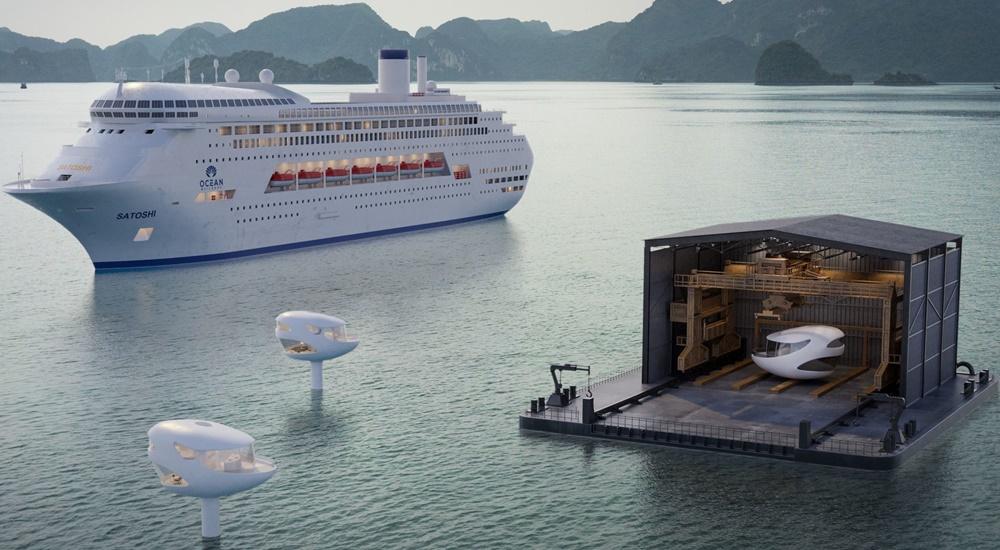
Ultimately, the project faced insurmountable challenges. Insufficient investor interest hampered their ability to cover operational expenses. The daily cost of fuel alone reached $12,000. Moreover, the onset of the COVID-19 pandemic created logistical obstacles they couldn’t overcome. The founders also underestimated the stringent maritime regulations applicable to cruise ships.
“We were like, ‘This is just so hard,’” Romundt told The Guardian.
The MS Satoshi was sold by December 2020.
Trump’s “Gaza Riviera” Proposal and Tokenized Land
The Washington Post reported on August 31st that the Trump administration was considering a plan, known as the Gaza Reconstitution, Economic Acceleration and Transformation Trust, for the development of the Gaza Strip under U.S. oversight.
The 38-page document outlines a vision proposing various technology-driven initiatives designed to revitalize the economy of the Gaza Strip, an area impacted by famine and conflict.
Among proposals for a deep-sea port, a “Trump touristic riviera,” and zones for electronic vehicle manufacturing, the document suggests a “voluntary” program for Palestinians to contribute their land to the trust. In exchange, they would receive tokens redeemable for relocation or housing in one of eight planned “smart cities” within Gaza.
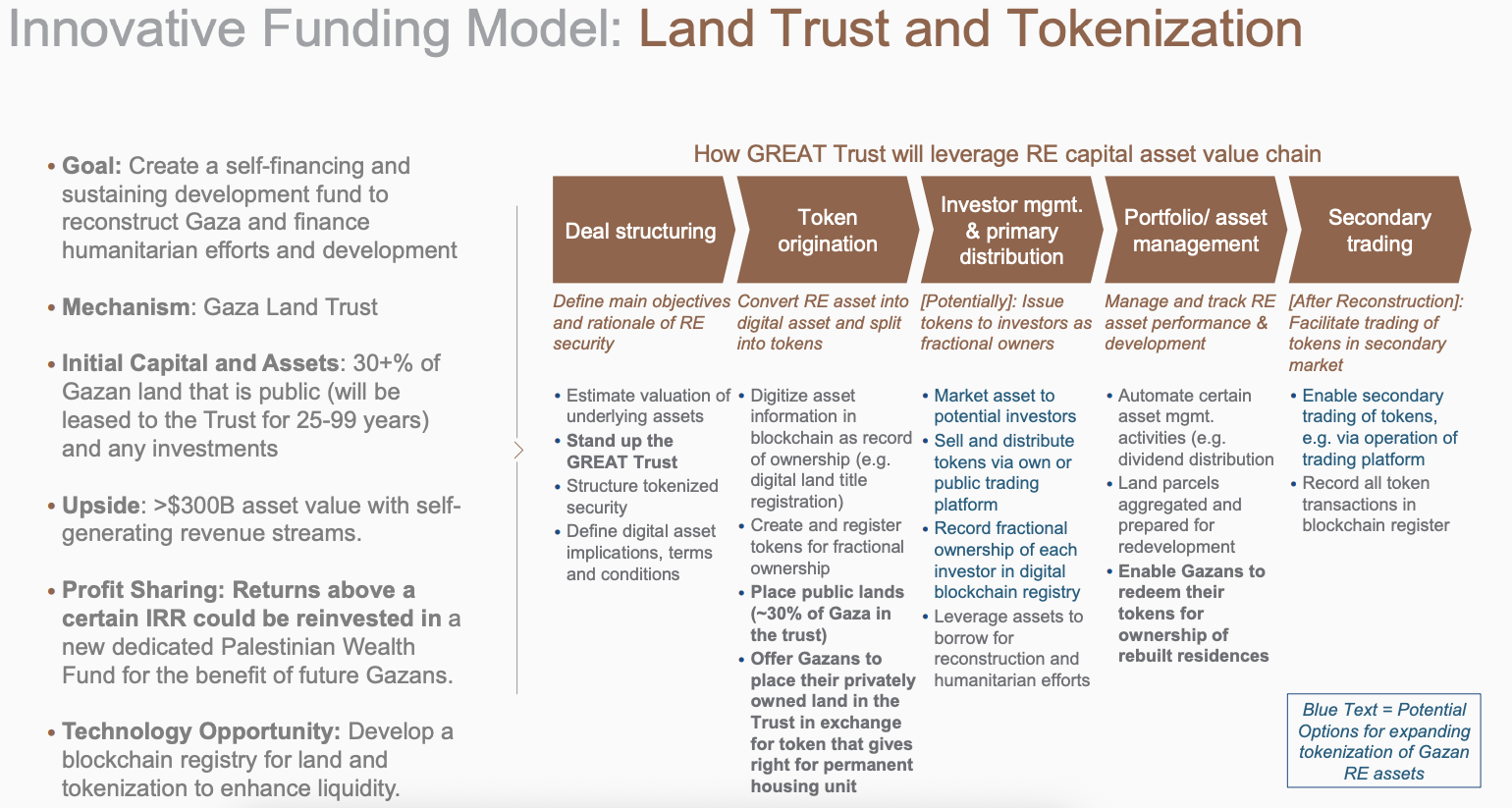
This plan has not yet been implemented. UN experts have alleged that the trust, developed by the Israel-backed Gaza Humanitarian Foundation (GHF), serves as a guise for “covert military and geopolitical agendas” that potentially violate international law.
Related: Report: Trump administration contemplates post-war Gaza redevelopment plan with land tokenization
Liberland: A Self-Proclaimed Libertarian Micro-nation on the Danube
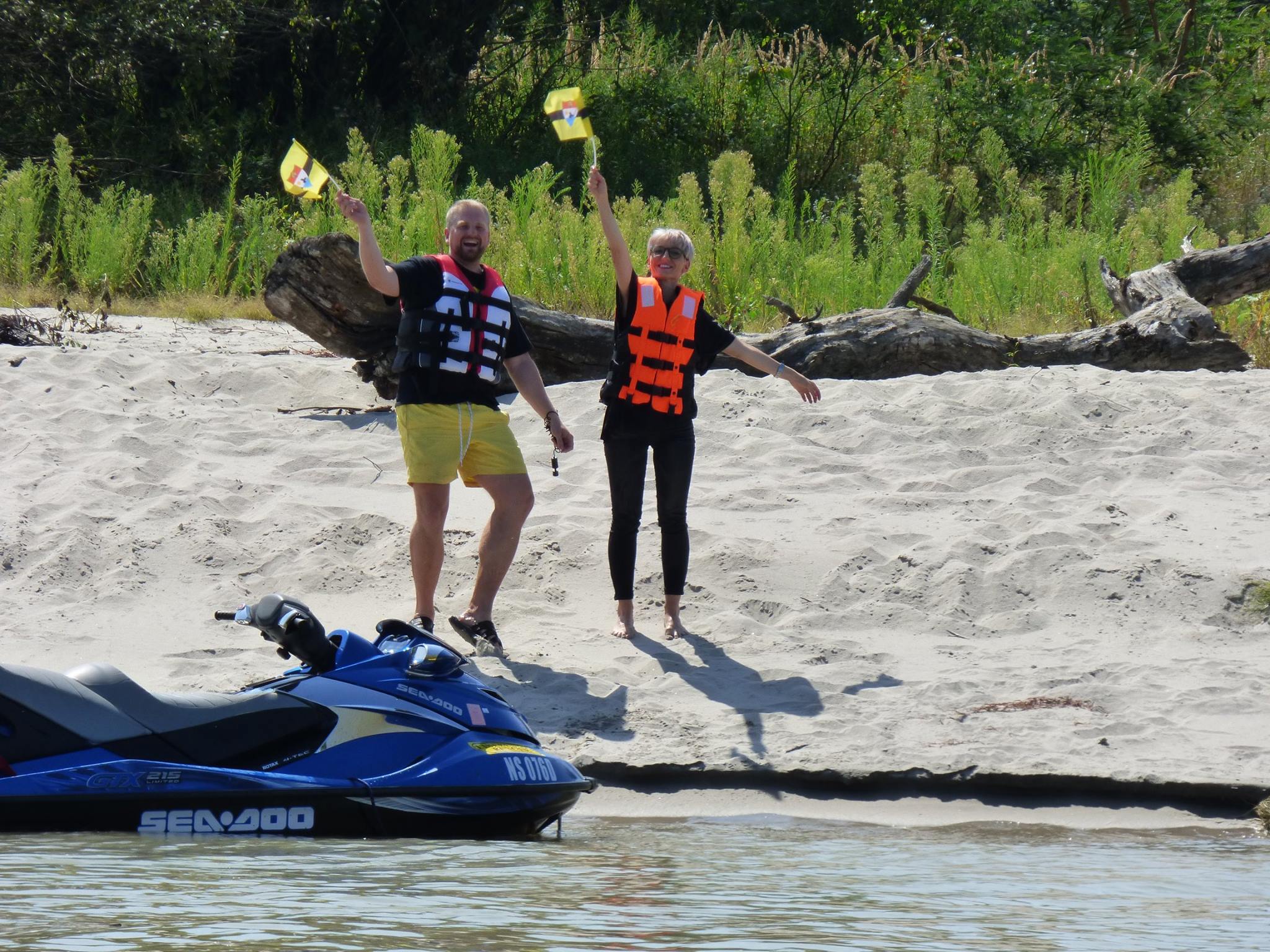
In 2015, Vít Jedlička, a Czech libertarian politician, laid claim to an unoccupied section of floodplain on the Danube River situated between Croatia and Serbia.
Due to historical alterations in the Danube’s course during the 19th century, this seven-square-kilometer area remained unclaimed by either nation. Based on the principle of *terra nullius* (nobody’s land), Jedlička declared the formation of the Free Republic of Liberland, assuming the role of its first president.
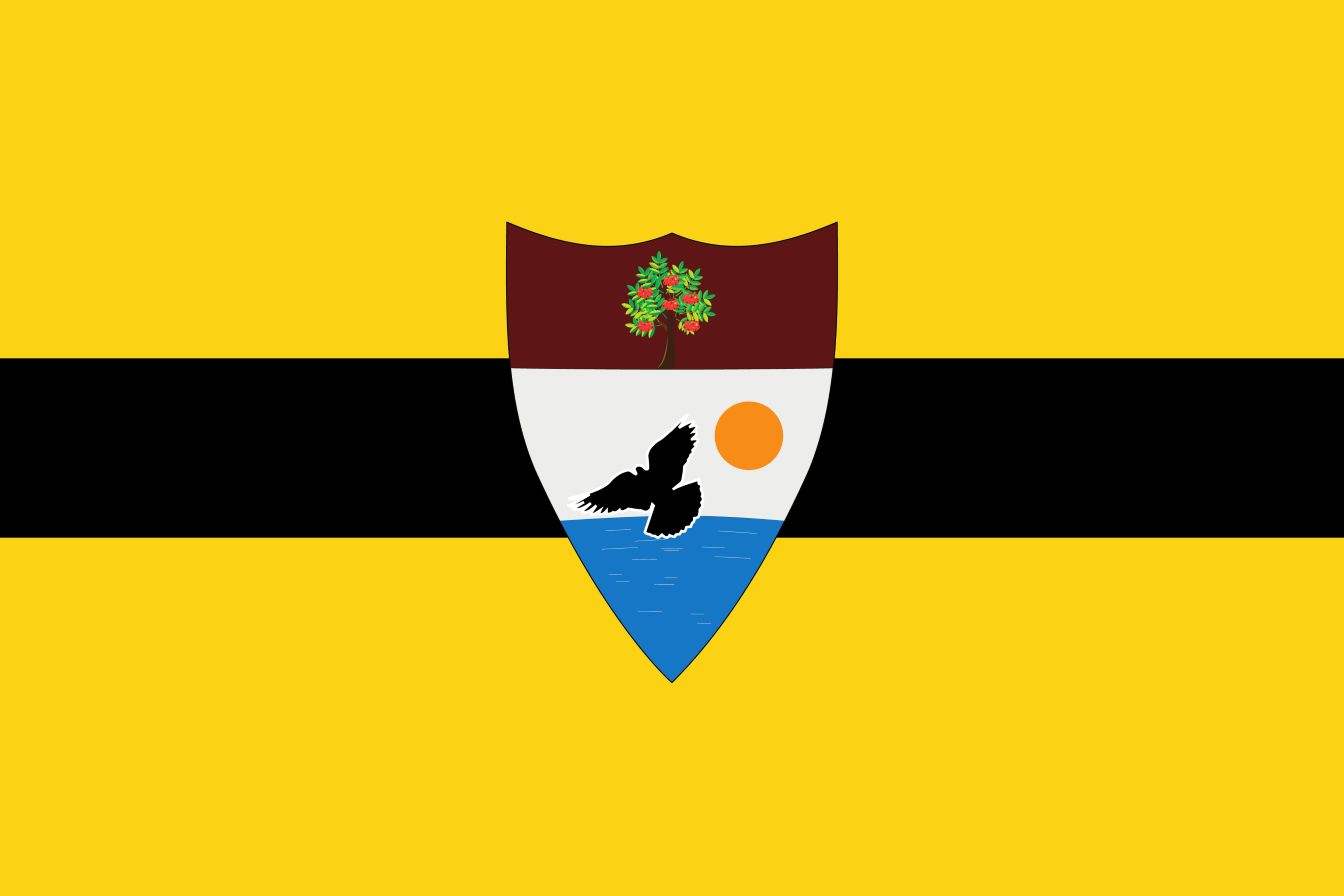
The project gained traction among crypto enthusiasts, as the self-declared micro-nation introduced its own cryptocurrency, the Liberland Dollar (LLD), and advocated for a minimalist, *laissez-faire* approach to governance. On September 2, 2025, the LLD token became available for trading on the cryptocurrency platform Alchemy Pay.
Although neither Croatia nor Serbia officially recognizes Liberland, both countries have expressed disapproval of the project. The founders, journalists, and activists associated with Liberland have encountered repeated confrontations with border police when attempting to enter the territory via the Croatian border.
Magazine: Breaking into Liberland: Dodging guards with inner-tubes, decoys and diplomats
Following numerous attempts to gain access to the land and multiple encounters with Croatian authorities, Jedlička was barred from entering Croatia for a period of five years due to alleged “extremist” activities.
CityDAO, Wyoming: A Decentralized Autonomous Organization Tests the Waters
The increased attention surrounding blockchain technology and cryptocurrencies amid the COVID-19 pandemic during 2020 and 2021 prompted several US states, including Wyoming, to create legislation governing decentralized autonomous organizations (DAOs). In April 2021, Wyoming Governor Mark Gordon officially signed a bill legally recognizing DAOs.
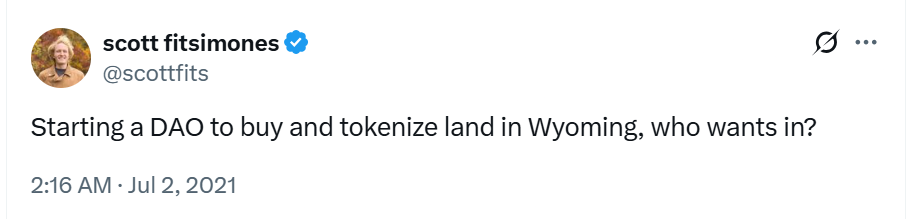
The law took effect on July 1, 2021. On the same day, software engineer Scott Fitsimones posted:
CityDAO aimed to demonstrate the viability of DAOs in acquiring and managing land, streamlining municipal decision-making, and effectively resolving disputes.
Within a month, the project successfully raised over $250,000 through the sale of “Citizen NFTs.” Support from influential figures within the cryptocurrency space, like billionaire Mark Cuban and Coinbase CEO Brian Armstrong, fueled increased interest.
By October of that year, more than 5,000 individuals from across the globe contributed a combined $8 million to purchase 40 acres of land in Wyoming and begin “building the city of the future on the Ethereum blockchain.”
However, the community faced unexpected challenges. The majority of its members believed the purchased land, designated as “Parcel 0,” should be prioritized for conservation and wildlife preservation.
A hacking incident in January 2022, where scammers stole $95,000 through a fake “land drop” on Discord, further damaged the project’s reputation and long-term prospects.
Zoning laws also presented a significant obstacle. Even if the DAO had decided to pursue development, Wyoming residential zoning regulations limited the 40-acre plot to a single-family home.
While CityDAO achieved the milestone of becoming a legally recognized DAO, it ultimately fell short of its ambitious, utopian vision.
Akon City: A Vision Unfulfilled
One of the most widely publicized crypto city projects involves Akon City, spearheaded by Senegalese-American musician Akon.
Akon initially announced the launch of the “Akoin” cryptocurrency in 2018, intended to support African creatives and entrepreneurs. In 2020, he revealed that Akoin would serve as the backbone of his futuristic “Akon City” project in Senegal.
The Senegalese government allocated Akon 2,000 acres of land for the $6 billion smart city project, where Akoin would facilitate all transactions for residents and visitors.
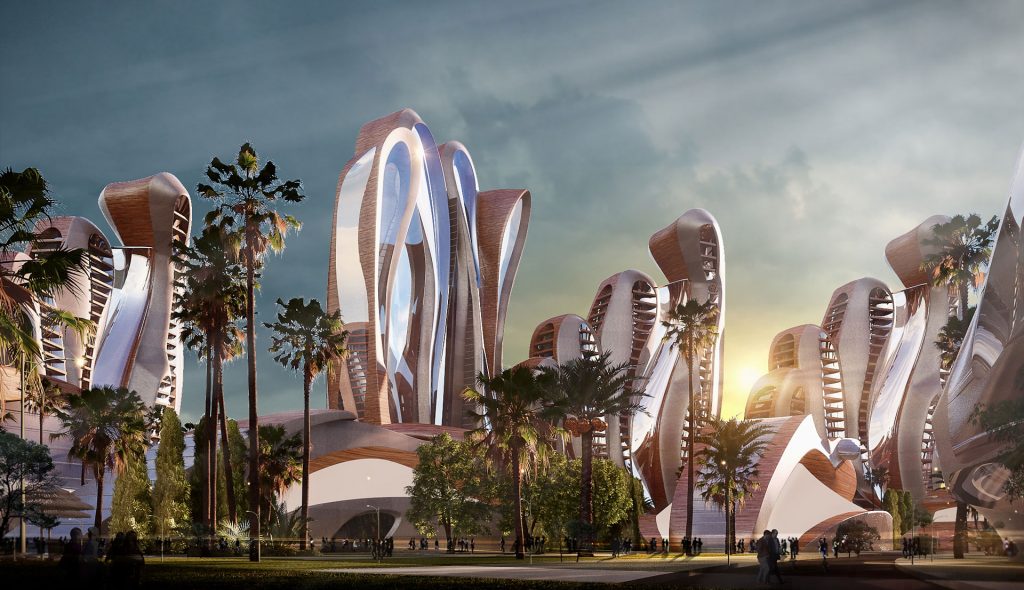
By 2029, Akon City aimed to feature a state-of-the-art hospital, business parks, a university, and high-end residential areas, all housed within futuristic skyscrapers along the Senegalese coastline.
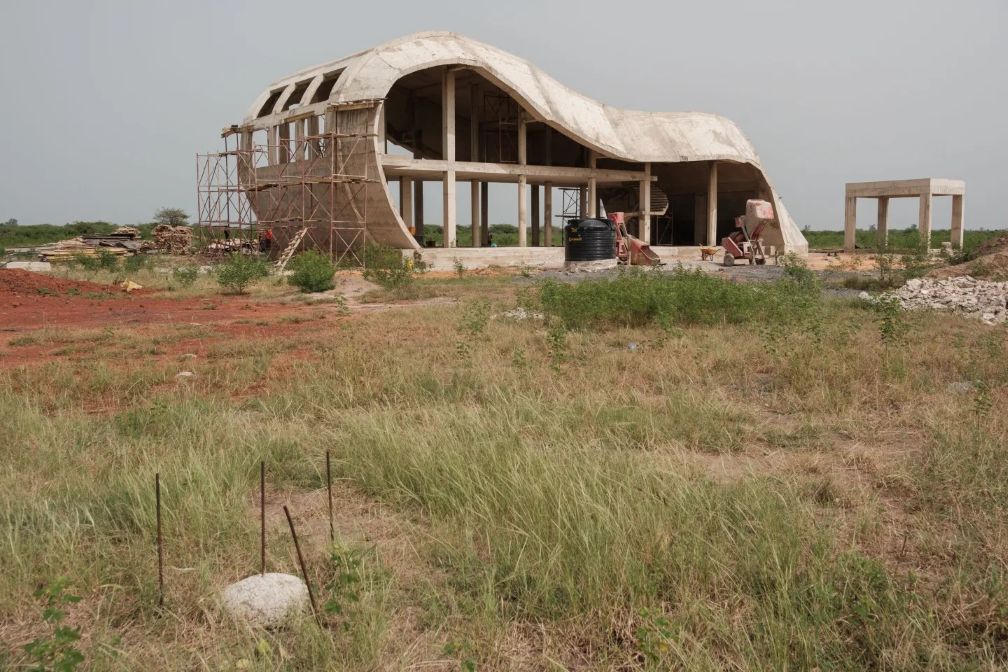
Unfortunately, progress stalled significantly. The COVID-19 pandemic disrupted construction, and by 2024, only the welcome center had been partially completed.
By August 2024, Akoin’s value had plummeted. The Senegalese government demanded that Akon either begin substantial construction or return the land. As of July 2025, the Akon City project has officially been abandoned.
Blockchains LLC’s Nevada Crypto City: A Vision Dries Up
In February 2021, Blockchains LLC, a blockchain incubation and investment firm, announced an ambitious endeavor to construct a blockchain-based city. The company acquired over 67,000 acres of land in Storey County, Nevada, for $170 million, with the aim of developing homes and business parks.
CEO Jeffrey Berns envisioned a community where residents would conduct all financial transactions using cryptocurrency. Tax records, medical information, and employment histories would be recorded and managed on the blockchain.

The company planned to break ground in 2022, beginning with the construction of 15,000 residences and 3 million square meters of commercial and industrial space.
However, the project’s proposed water supply relied on a 100-mile pipeline. Kyle Roerink, executive director of the Great Basin Water Network, explained that such a pipeline would involve “a lot of rights-of-way on federal lands in addition to those tribal considerations … It would be a very long process, likely with a lot of litigation involved.”
Furthermore, Berns’ vision depended on changing Nevada law to establish “innovation zones,” which would grant companies the authority to function as county governments, including the power to levy taxes, create courts, and make land and water usage decisions.
Lawmakers and the public were generally unsupportive of this plan. Critics argued that these proposed “innovation zones” resembled company towns. Berns acknowledged the plan’s lack of support, stating that “one of the biggest problems the proposed legislation encountered was it appeared to have no champion.”
Liberstad, Norway: A Rare Success Story
In 2015, John Holmesland and Sondre Bjellås founded Liberstad, commencing development in March 2017. The land was purchased using donations made to the Liberstad Drift Association, which was formally established in June of the same year.
Built upon anarchist and voluntaryist ideals, the project aims to establish “a new and improved society that champions peace and liberty.”
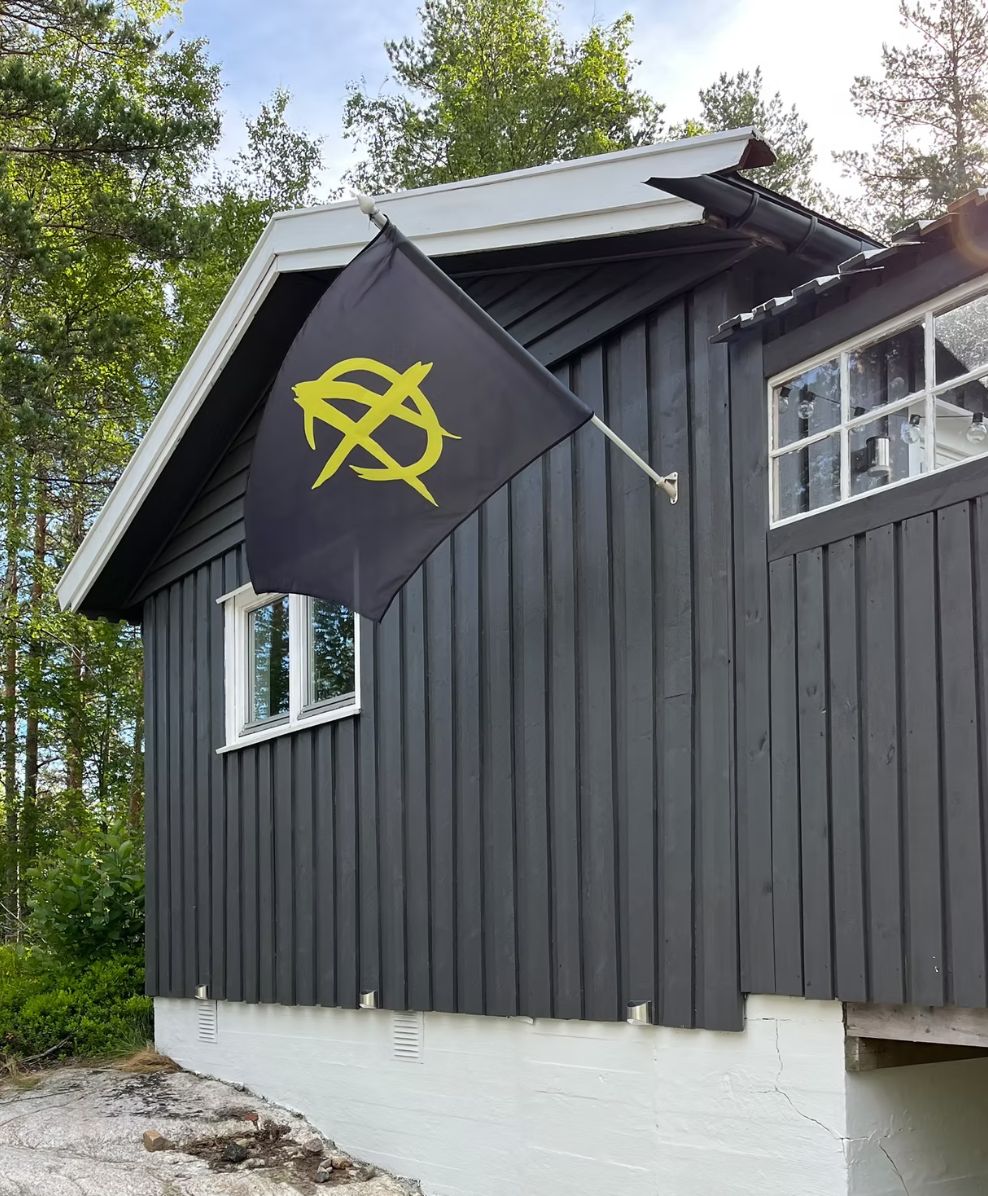
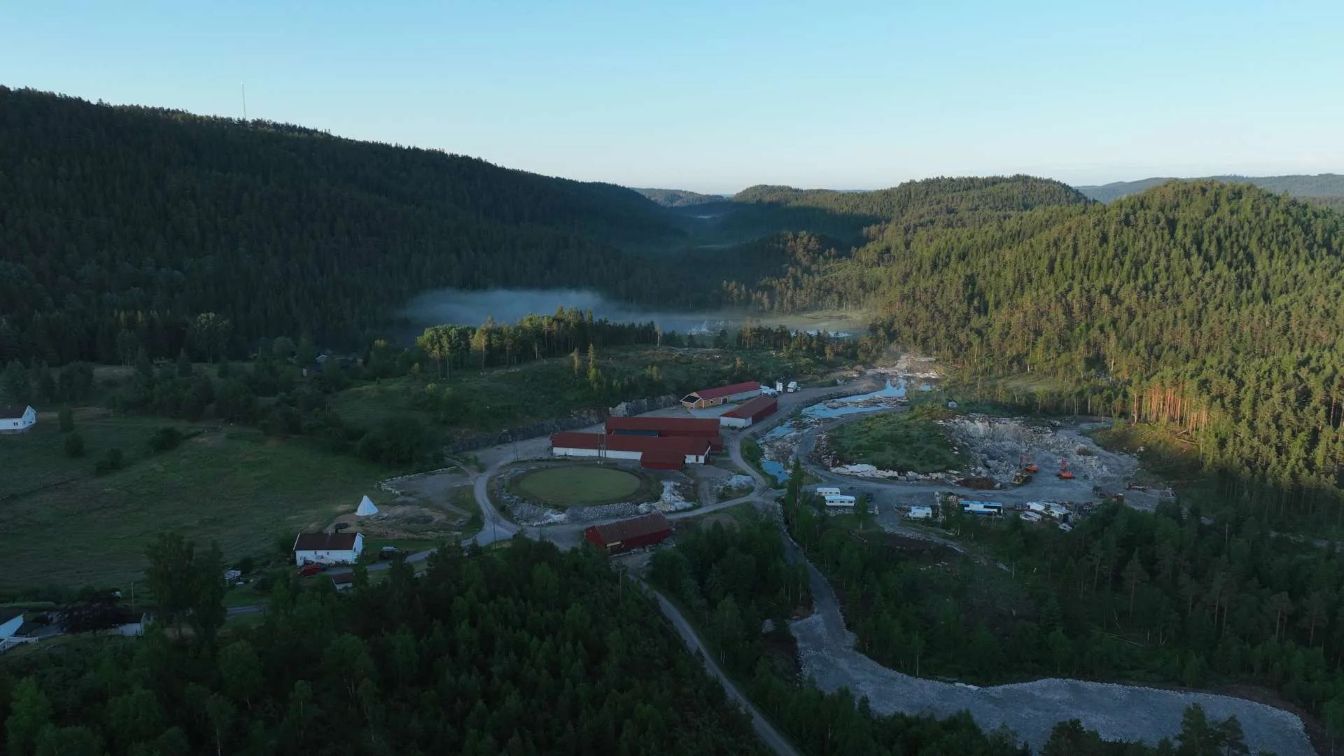
Liberstad, located in southern Norway near Kristiansand, comprises 150 hectares of land that accommodates both visitors and permanent residents as it continues to expand.
The initial land acquisitions were made using Bitcoin, and the “city’s” exclusive medium of exchange is City Coin (CITY), adopted in 2019.
Liberstad owns and manages its own land, has a permanent population, and employs its own blockchain technology for its economy. While relatively small, it represents a noteworthy success compared to many other ambitious crypto city projects.