
The SNES, known as the Super Nintendo Entertainment System in North America, arrived stateside in the summer of ’91, a bit after its Japanese debut as the Super FamiCom in late 1990. When considering processing power, the SNES was a solid performer, landing respectably in the console landscape but not surpassing its predecessor. While the hardware itself isn’t the most talked-about in Nintendo’s history, a good number of its games are remembered as all-time classics.
Boasting better tech and visuals than the NES, the SNES ushered in a fresh wave of gaming. Expect richer narratives, improved gameplay, and expansive, connected worlds. Several titles from the SNES era remain as stellar examples of gaming excellence, still delivering a great experience even today.
Therefore, while a Nintendo Switch Online membership is mainly for playing modern Switch and its successor’s games online, missing the opportunity to revisit these amazing retro SNES games would be a real shame.
10
Harvest Moon
Pioneering the Cozy Farming Genre
Relaxing farming games are wildly popular these days. It’s become a successful genre, and it’s important to acknowledge the game that started it all: Harvest Moon, released on the SNES in 1996.
In Harvest Moon, players step into the shoes of a young character who inherits a farm from their deceased grandfather and is challenged to revitalize it. If that premise sounds familiar, remember that Harvest Moon set the standard. You’re in charge of managing and expanding your farm daily – from planting and harvesting crops, to raising livestock, and fostering connections with the local townspeople.
Time in Harvest Moon only moves forward when you decide. But don’t get complacent! Neglecting your duties will lead to withered crops and deceased livestock. It’s a farming game that combines low-pressure gameplay with serious responsibilities. It’s easy to become immersed in this unique balance.
9
Super Punch-Out!!
A Masterclass in Observing Your Opponent
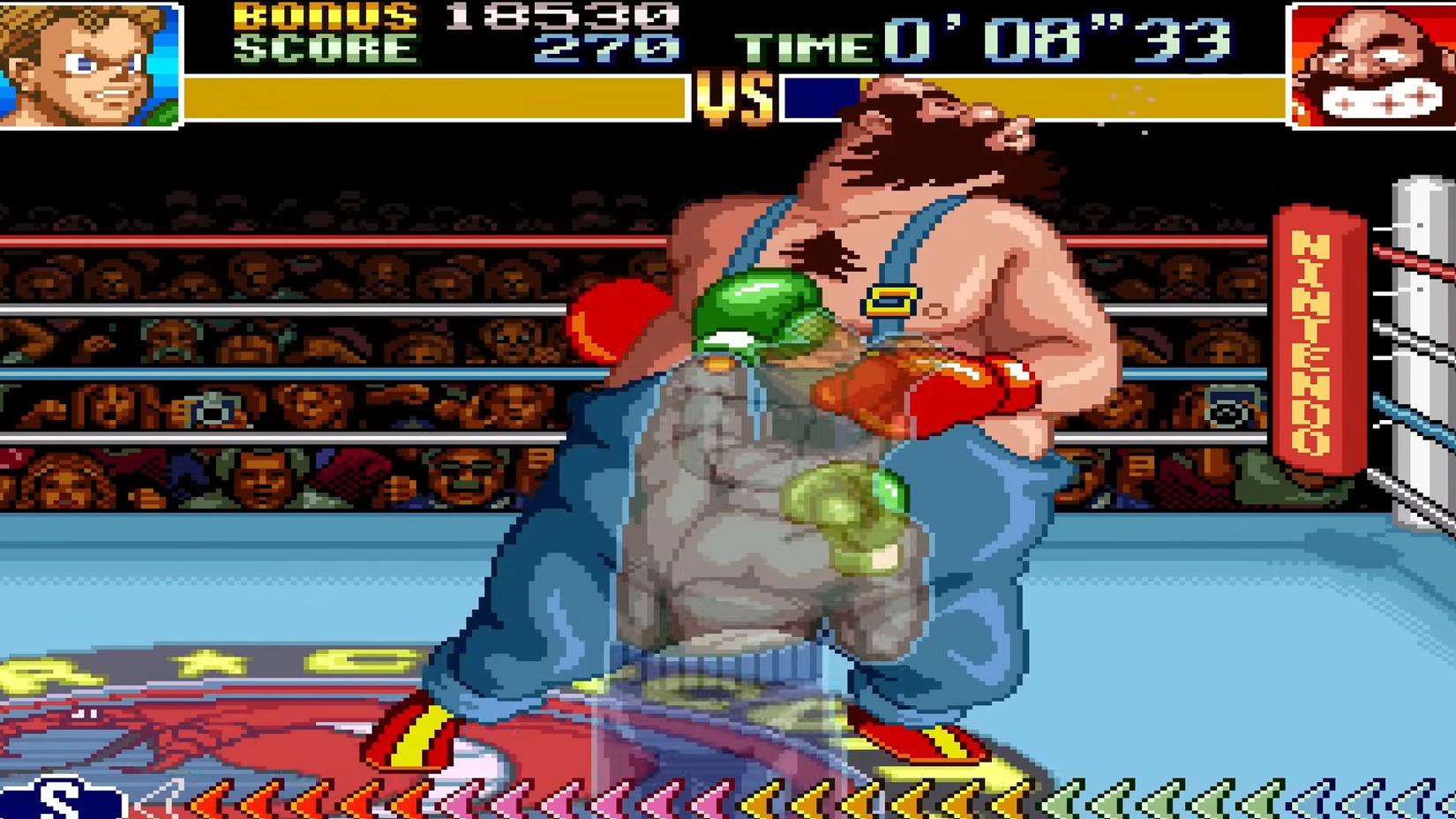
Nintendo experimented a lot during the 8 and 16-bit days. Many of their cherished franchises began in this period, but some are sadly overlooked today. One of the best IPs from that era, in my opinion, is the Punch-Out series, and specifically, Super Punch-Out.
Building upon the foundation of Mike Tyson’s Punch-Out for the NES, Super Punch-Out escalates the fast-paced, strategic boxing action with a complex system of blocks, dodges, and counter-attacks. Like the previous game, recognizing patterns is key. Each opponent boasts unique maneuvers and tells. Similar to modern roguelikes and Soulslikes, players probably won’t succeed on their first attempts, requiring dedication to observing and analyzing each foe.
As you exchange blows and discover your opponent’s habits, your advantage grows, culminating in a complete domination of the match. Few things are as satisfying as realizing you’ve finally understood an opponent, and they can no longer stand in your way.
8
Kirby’s Dream Course
Golf, With a Touch of Kirby’s Charm
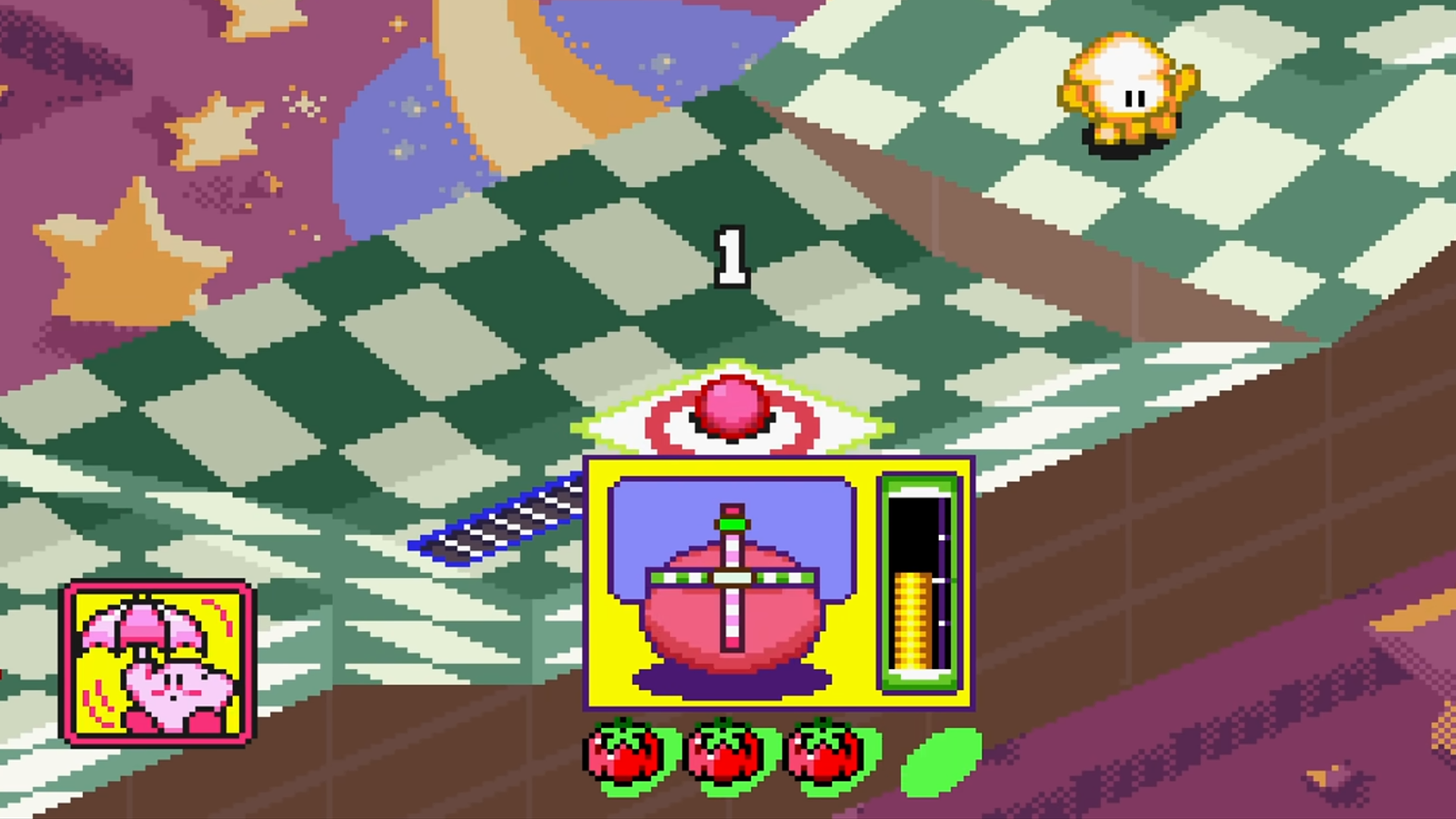
The NES and SNES eras were a golden age for Kirby. In addition to his main platformers, there were plenty of spinoffs for both home consoles and handhelds that featured Kirby. Even the simplest game is enhanced by his appearance. Look no further than Kirby’s Dream Course, which is like a Kirby-themed golf game.
The core gameplay of Kirby’s Dream Course involves navigating Kirby across a stage covered in enemies, slopes, obstacles, and hazards. With a limited number of strokes, players must propel Kirby around, defeat all enemies, trigger the exit portal, and sink the final shot to achieve victory. Early levels are straightforward, but as you progress, you’ll need to master tricky shots and copy abilities to reach par.
Kirby’s Dream Course is also a top-tier couch multiplayer game on the SNES. Two players compete to collect the most stars by defeating enemies before entering the exit portal. It’s surprisingly competitive, more so than a typical golf game, because you can interfere with each other’s turns.
7
Donkey Kong Country 2: Diddy’s Kong Quest
More Diddy, Less Donkey
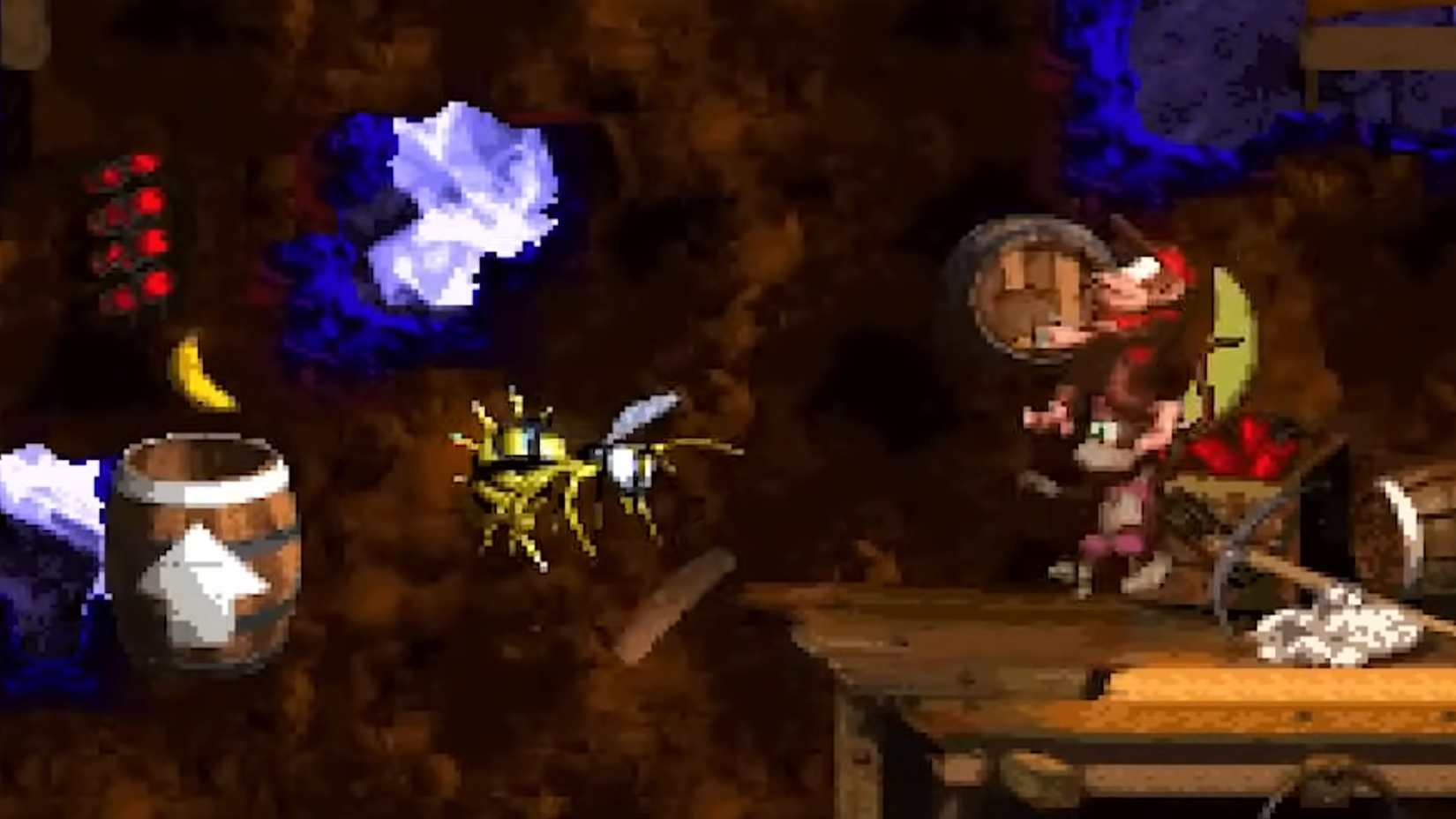
The SNES was home to the original trilogy of Donkey Kong Country games, the series which granted the famous ape the role of protagonist, following many years as an intermittent antagonist in arcades. Ironically, the best title of the three is the one where Donkey Kong isn’t the main character: Donkey Kong Country 2: Diddy’s Kong Quest.
The plot follows the events of the first Donkey Kong Country, with Diddy Kong and Dixie Kong venturing to Crocodile Isle to save DK from King K. Rool’s vengeful clutches. The gameplay is the same as the first game: a traditional platformer where you jump across platforms and on top of enemies to reach the end goal.
Compared to the first entry, Donkey Kong Country 2 features a wider array of settings and mechanics, which keeps the game engaging and fresh.
Donkey Kong Country 2 is also notorious for its difficulty, both then and now. While not impossible, seasoned players have been known to rage at the tricky jumps and perilous trap navigation. In its day, “Nintendo hard” was a level of difficulty all its own.
6
Super Mario Kart
Pushing the Limits of Mode 7 Graphics
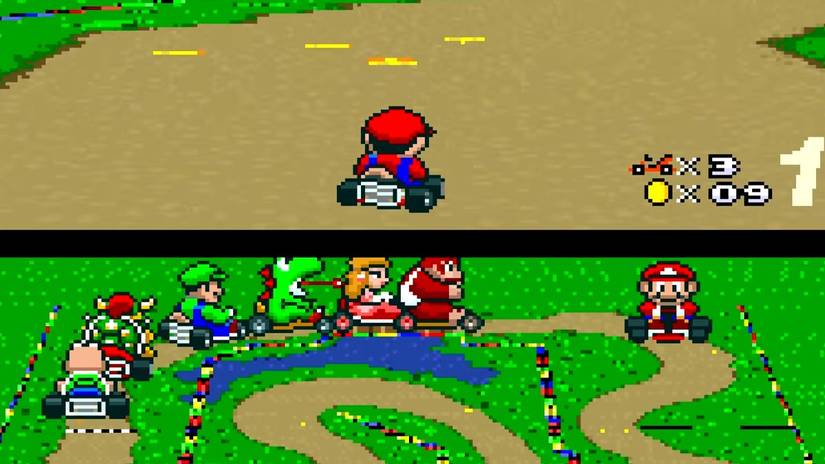
A remarkable feature of the SNES was Mode 7. In short, it enabled the system to manipulate a 2D picture by warping and scrolling it in a 3D space. Several SNES titles capitalized on this rendering technique to produce stunning visuals. However, Super Mario Kart, which established the gold standard for casual racing, certainly took the most advantage of Mode 7.
As the original Mario Kart, Super Mario Kart established both the series trademarks and the entire kart racing genre. You compete against CPU or player-controlled rivals, racing three laps across numerous tracks. Grab items and impede the progress of your competitors in a frantic rush to the finish line. Because the tracks are built from 2D overlays utilizing Mode 7, they emphasized challenging turns and bends rather than extreme hazards.
Some might argue that Super Mario Kart is obsolete with modern games like Mario Kart 8 or Mario Kart World available. But it provides a different style of racing which will give players a newfound appreciation for these newer entries.
5
Super Mario World
Adding a Spin
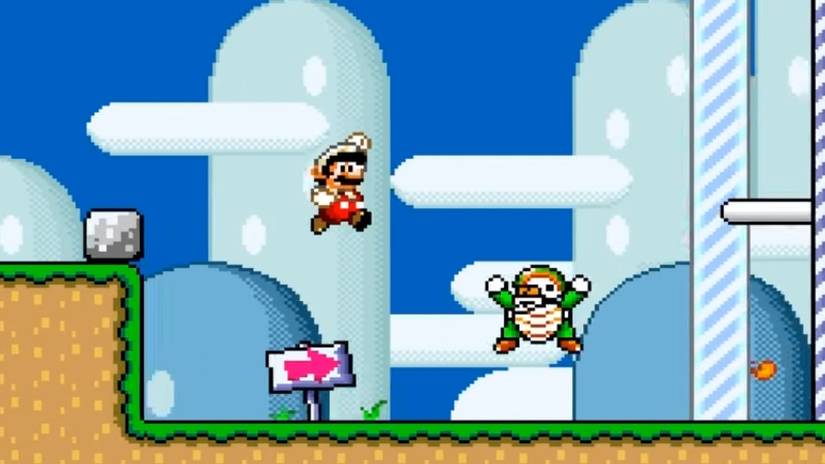
Each Nintendo console needs a flagship Mario game, as the character is a mascot. Without a new, updated Mario game to showcase its strengths, it simply wouldn’t do. Super Mario World for the SNES was the game that demonstrated the franchise’s advances in gameplay and graphics.
Super Mario World follows a similar structure to its predecessor, Super Mario Bros. 3, with a vast overworld map of interconnected levels, a reserve of power-ups for later use (although only one at a time), and the ability to dash-jump. However, World introduces new mechanics. The most important ones include Mario’s spin jump, which defeats spiked enemies, the Super Cape for gliding across great distances and flipping enemies, and Yoshi, everyone’s favorite dinosaur.
Super Mario World is also surprisingly full of secrets, with a number of levels that lead to hidden regions of the world map via hidden routes. You need to return to previous levels to uncover the secret Switch Palaces, which trigger switches affecting the block arrangement in all other levels.
4
Earthbound
The Cornerstone of Quirky RPGs
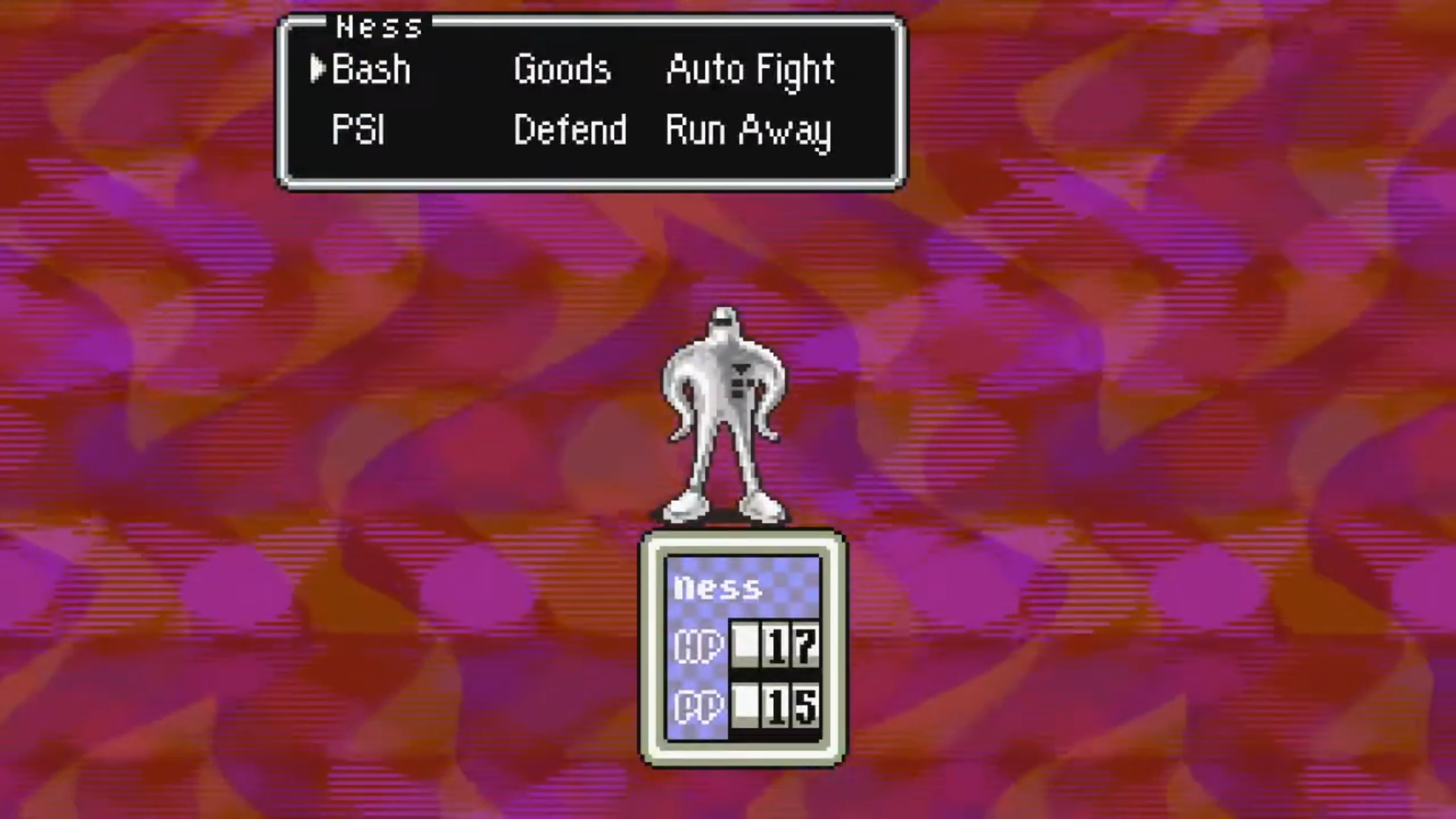
From the mid-2010s well into today, we’ve experienced a steady stream of eccentric RPGs and JRPGs, some designed in RPG Maker, others from the ground up. All of these games, including popular titles such as Undertale, can trace their roots back to a single source: Earthbound, also known as Mother 2 in Japan.
Earthbound stood out when RPGs were mainly about swords and magic. It featured a typical boy with supernatural abilities who lives in a small Midwestern town. It’s also filled with unusual characters and humorous lines.
The unique nature of the battle system requires practice, but becomes strategic and rewarding as you face progressively weirder enemies with a range of supernatural skills and playground equipment.
However, Earthbound’s charm is its heart, the characteristic that many eccentric games have tried to imitate ever since. Although it starts as a lighthearted adventure, the game surprises you with heartfelt moments and conversations. The tagline in the original Japanese advertisement was “no crying until the end,” and you’ll understand why after you finish it.