
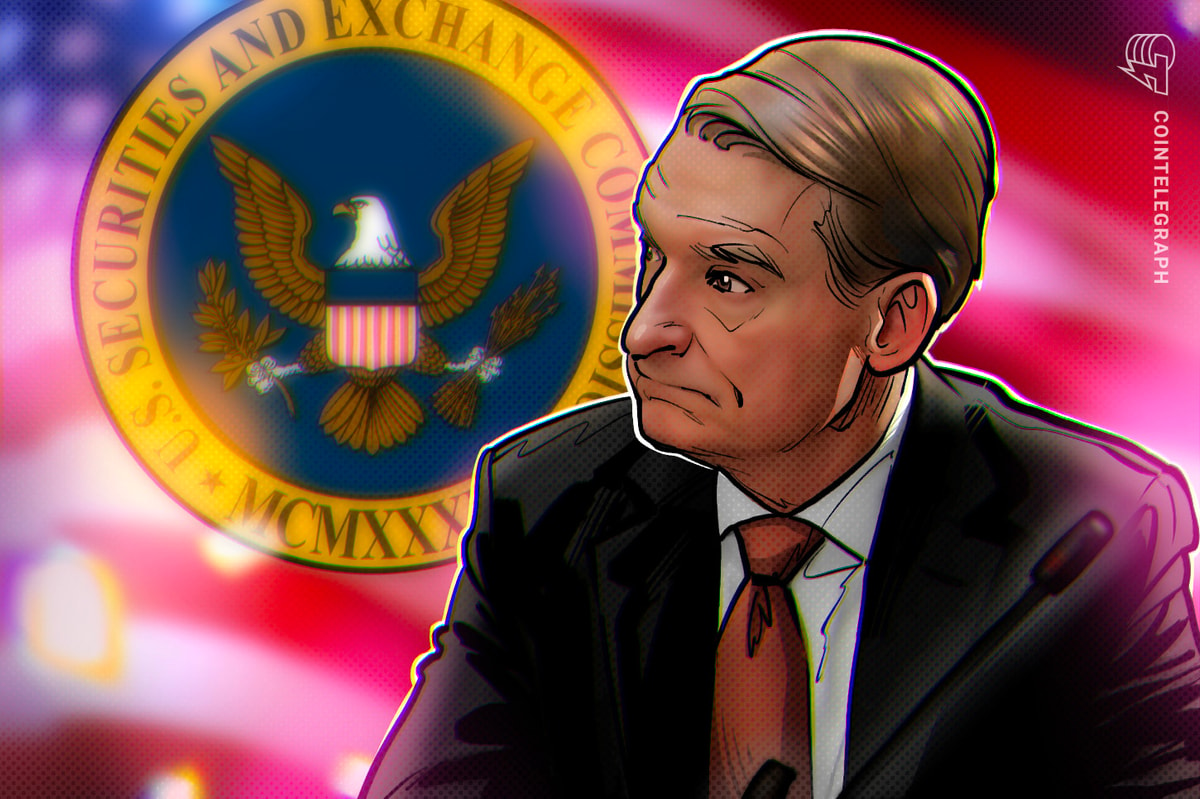
The current head of the U.S. Securities and Exchange Commission (SEC) is implementing a different regulatory strategy for the cryptocurrency sector, marking a shift from the previous focus on immediate enforcement actions.
In a recent interview featured in the Financial Times this week, SEC Chairman Paul Atkins indicated that the agency is moving away from the aggressive enforcement policies that characterized the tenure of former SEC Chair Gary Gensler under the prior presidential administration.
According to Atkins’ statements in the FT interview, businesses operating in the US cryptocurrency space can anticipate receiving preliminary warnings regarding technical compliance issues before the SEC takes any formal enforcement measures.
Atkins explained, “The approach shouldn’t involve abruptly targeting businesses without warning, particularly for minor technical infractions.” He emphasized the new approach will involve providing companies with a preliminary notification first, allowing an opportunity to respond.
These remarks represent a clear divergence from the enforcement-centered approach favored by his predecessor, Gensler, who faced considerable criticism for what was perceived as regulating the crypto industry primarily through enforcement actions.
During Gensler’s time as chair, the SEC initiated several high-profile lawsuits against major players in the crypto market. These included legal action against Ripple Labs back in 2020, followed by suits against Terraform Labs in 2022, and against prominent crypto exchanges such as Binance, Coinbase, and Kraken in 2023. The legal costs for these cases ran into billions of dollars for those in the digital asset industry.
Related: Trump-linked WLFI’s 40% decline causes millions in losses for crypto whales: Finance Redefined
Prior SEC Actions Lacked Clear Foundation, Claims Atkins
Referencing the enforcement strategies of the previous leadership, Atkins suggested that critiques of the SEC over recent years were justified because the decisions made appeared “not based on established legal principles” or “predictable standards.”
“The method seemed to be to act first and investigate later,” Atkins remarked, suggesting a period of up to six months could be required before the regulator considers action against a company.
Related: London Stock Exchange launches blockchain platform for private funds
He also differed from the views previously held by Gensler, who asserted most digital currencies should be classified as securities. Atkins argued that most tokens do not meet the legal definition of securities. Further, he stated he plans to support the trading of tokenized assets, like stocks and bonds, affording them similar legal protections as their traditional counterparts.
Cointelegraph reported that Atkins was officially confirmed as the new SEC chair following a Senate vote held on April 9, with 52 senators voting in favor and 44 against.
Since then, the SEC has established a dedicated Crypto Task Force designed to collaborate with the cryptocurrency industry on regulatory matters, and it has also dropped several of the crypto investigations and enforcement actions initiated during Gensler’s term.
Magazine: SEC’s U-turn on crypto leaves key questions unanswered