
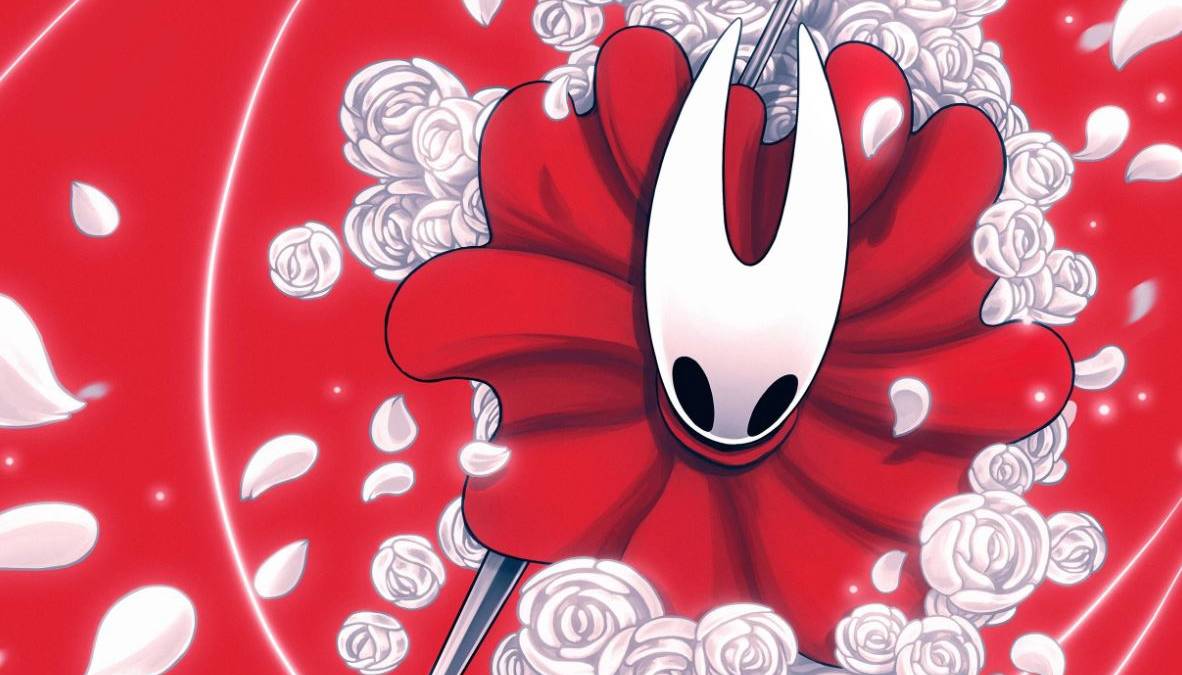
Hollow Knight: Silksong presents a unique kind of challenge, almost daring players to engage with its world. It’s a game that sparks a potent mix of frustration and determination, beckoning players to respond with skillful maneuvers, epic battles, and unwavering resolve. Yet, Silksong resists easy victory, instead reflecting the player’s own limitations back at them.
After nearly 60 hours immersed in Silksong, I confess that without the duty of this review, I might have given up long ago. This mirrors my initial experience with the original Hollow Knight, a game I played in intense bursts, returning only when the initial frustration had faded. It’s quite possible a significant portion of my time with Silksong wasn’t actively playing, but rather…
…hours spent with aching thumbs and simmering anger, silently protesting the game’s trials. Hours researching strategies, connecting with others to share in shared suffering. Hours taking deep breaths, trying to regain composure. Hours spent convincing myself to press on, and hours questioning the point of it all. This introspective struggle, a battle with oneself, forms an integral part of the Silksong experience.
A Bleak and Intriguing Realm
Hollow Knight: Silksong is a captivating Metroidvania game, steeped in enigma. You take on the role of Hornet, a character who is part insect, part deity, thrust into a kingdom scarred by echoes of capitalist exploitation. The lower-class insect inhabitants tirelessly slave away, clinging to the hope that their relentless work will elevate them to a higher state. Their efforts feed the Citadel, a sacred city that draws pilgrims. However, most will never step within its gates, nor are they intended to. Pharloom is a hostile world, eager to tear its inhabitants apart. Those who survive are eventually consumed by silk, an otherworldly substance that enslaves them. The people of Pharloom exist in a mindless daze, becoming hostile at any interruption to their labor, an event Hornet frequently causes.
While real-world parallels are present, Silksong never feels preachy. The bleakness of the world unfolds subtly, such as when the game requires payment for save benches within the supposedly affluent Citadel. These simple, yet effective narrative moments are interwoven into item descriptions and environmental details. You can ignore the story entirely, and familiarity with the first game isn’t essential. Even seasoned fans of the original Hollow Knight’s lore are still deciphering Silksong‘s deeper meanings.
Ultimately, the game avoids overt exposition. Pharloom’s ambiance is akin to browsing a thrift store, where even ordinary objects suggest untold stories. The meticulously crafted visuals clearly demonstrate why Silksong‘s development spanned seven years. The lush moss clinging to ancient stones, the melancholic drizzle and fog shrouding a cemetery, the golden glow of mechanical gears—Silksong achieves a potent sense of place and evocative aesthetic.
The dedication Team Cherry poured into Silksong‘s visual design shines brightest in its characters. Fleas, moths, arthropods, arachnids – Silksong‘s unique blend of insect life creates a world simultaneously believable and alien. These are endearing creatures struggling to survive in a world determined to break them. Even amidst the ever-present tragedy and sorrow, their existence kindles a small spark of hope. This beauty makes navigating Silksong‘s confusing maze all the more worthwhile, particularly during stretches where exploration yields little reward.
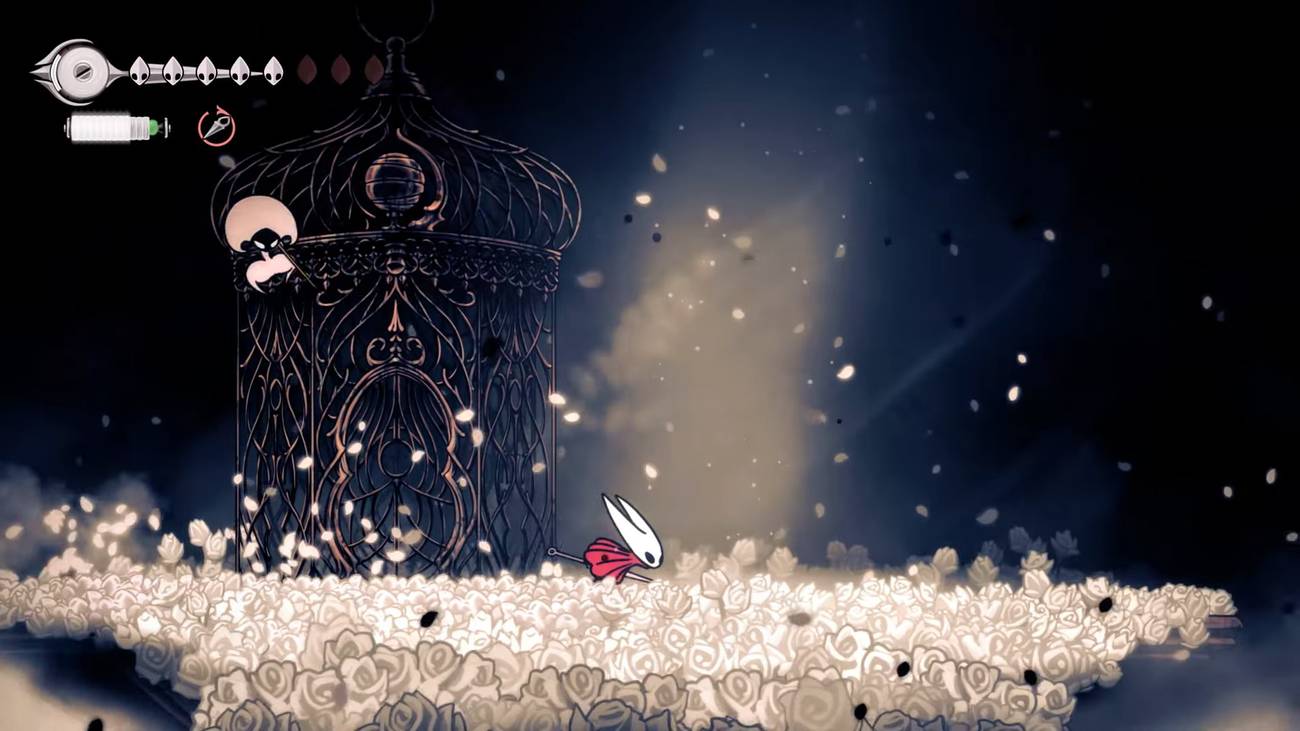
The gameplay itself is brilliantly fluid and responsive. While you might not start with all the expected platforming moves, the core actions like jumping, dashing, and hovering are all present. These actions, while basic on the surface, are executed with a depth and precision reminiscent of iconic games like Super Mario 64. Even after dozens of hours, I continue to be amazed by the possible jumps I can achieve through subtle variations in button presses and stick movements.
Despite being a demi-god, Hornet is surprisingly fragile. Her weapon of choice is a needle, wielded with rapier-like accuracy. Combined with her acrobatic movement abilities, combat feels like a sophisticated dance, akin to fencing but far more thrilling. A major element in this is Silksong‘s contentious damage and healing system. Hornet can only withstand a few consecutive hits from enemies or environmental hazards. Regardless of skill level or upgrades to Hornet’s abilities and health, damage always accumulates rapidly.
Even the most basic enemies appear designed to anticipate a player’s actions. If a flying enemy swoops down, your instinct might be to jump to avoid it. However, enemy attack patterns frequently target the paths players might take in a panic. The correct response is often counterintuitive, such as dashing towards an enemy rather than away.
Much of my time in the game was spent near death, my hands clammy with anxiety. In these tense moments, the awareness of my vulnerability was intense. Thankfully, Silksong allows Hornet to generate silk with each attack, and when the gauge is full, she can heal. Healing takes a few seconds to initiate, but Hornet can perform it even mid-air. This constant cycle of near-death experiences punctuated by life-saving healing creates exhilarating moments of pure adrenaline.
Expectations Challenged
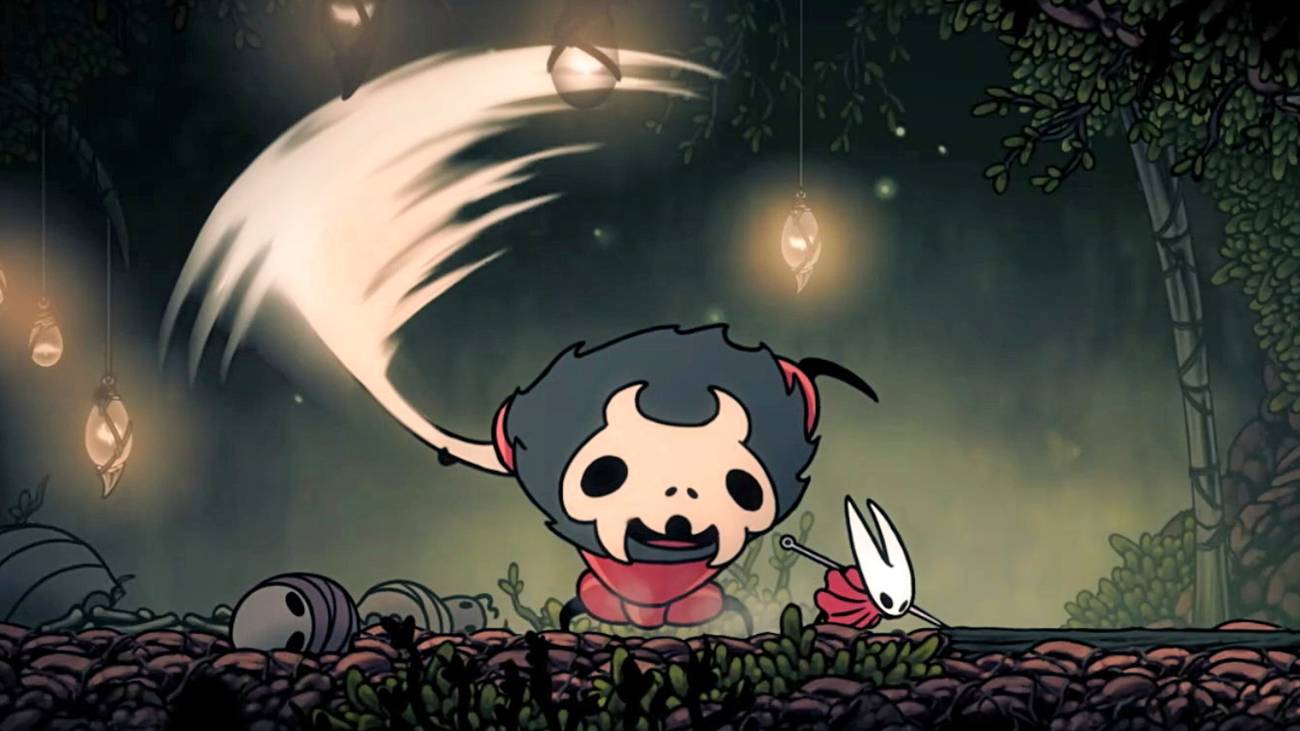
Nothing I’ve played this year can compare to the exhilaration of reaching the final phase of a boss battle in Silksong, witnessing Hornet visibly weakened, and barely managing to heal. Conversely, nothing has matched the frustration of repeatedly dying to common enemies and bosses alike.
Silksong directly engages with the platforming and Metroidvania genres, actively defying established conventions. This is the core of the ongoing player debates surrounding the game’s difficulty. This backlash stems from a sense of broken expectations: Team Cherry understands fan expectations, but Silksong uses this knowledge to subvert the established agreement.
A typical boss fight should have three stagger phases and a limited number of distinct phases. The reward – and there always should be a reward – should be proportional to the difficulty of the challenge. A game can be challenging, but should always feel fair. Players should feel empowered, or at least, entertained.
Many of us hold certain axioms, developed from years of gaming experience, as a measure of a game’s “quality”. These include “quality of life” design decisions that developers emphasize at industry conferences, aimed at maximizing player engagement.
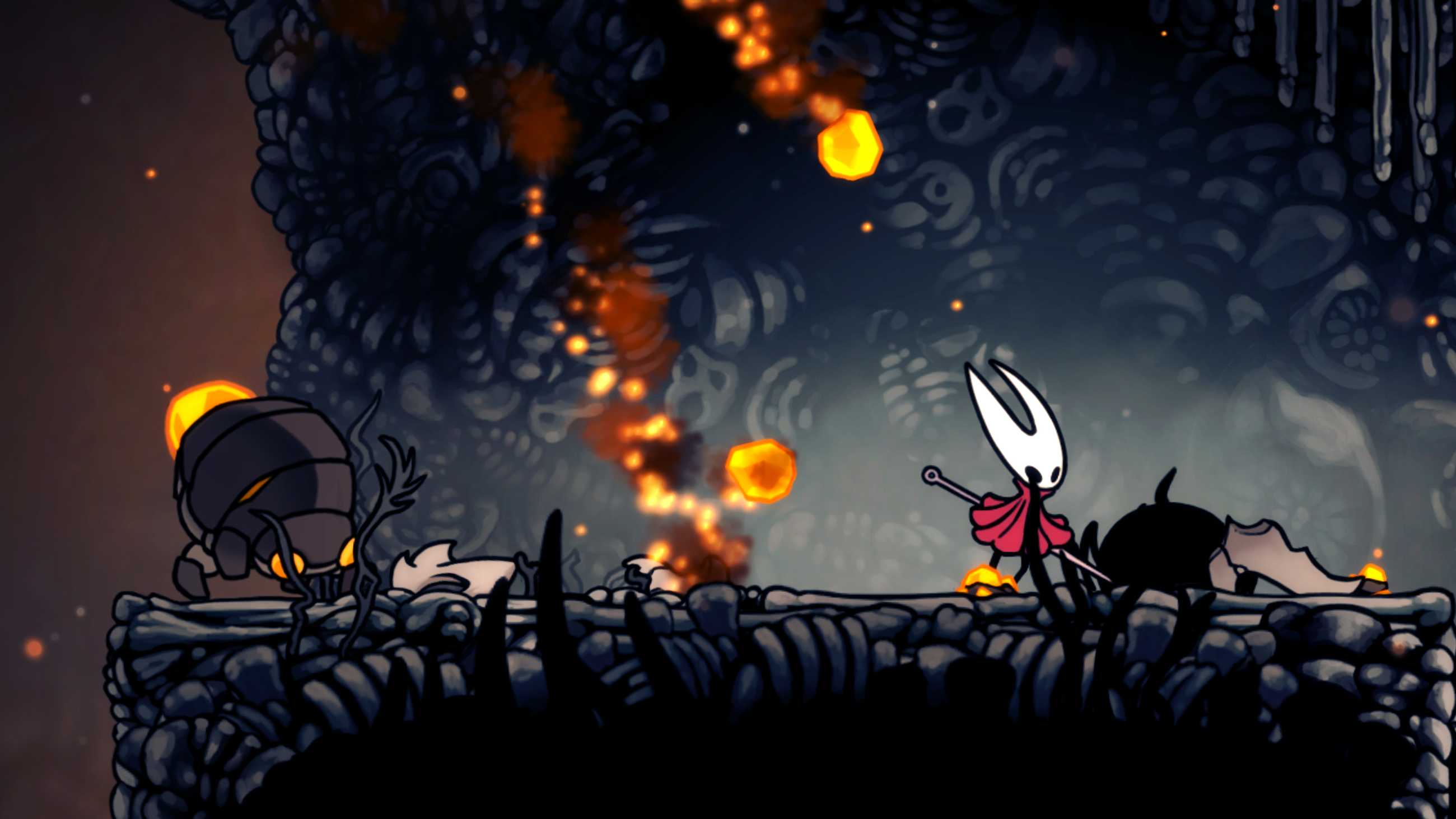
From my experience, Team Cherry disregards such notions. Silksong will throw you into frustrating boss fights lasting longer than they should, after challenging platforming sections you must repeat with each attempt. And you will retry these encounters for hours. You will spend what feels like forever trying to defeat a boss, only to have it explode at the end, taking you with it. And then you’ll do it all over again. You failed! Silksong will offer save stations only after you’ve already explored most of a new area, when it’s least helpful, and will charge you for the “privilege”. Silksong makes demand after demand, only to unceremoniously kill you when you thought you were safe.
Silksong‘s challenge borders on brutal. The closest comparison is Infinite Jest, a massive novel that almost dares you to read it. To attempt it means spending most of your time feeling lost. Most readers never finish it. David Foster Wallace was so absorbed in his own style that he devoted entire chapters to upsetting or absurd events. He placed key plot points within footnotes that readers might skip after too many instances of reading bone-dry medical jargon.
But no matter how much the book seems designed to troll you, DFW didn’t hate his readers. Quite the opposite. Much of the author’s life was spent combating cynicism and shallow entertainment. The intent of Infinite Jest wasn’t merely to frustrate the reader, but to challenge our idea of what a novel can be and to encourage reflection on how we consume media.
This helps me understand Silksong’s preference for ‘runbacks’ – the sections players must traverse before reaching a boss. Many modern games, including the notoriously difficult Souls series, have largely removed these. The encounter itself may be grueling, but most games place the player near the boss after death.
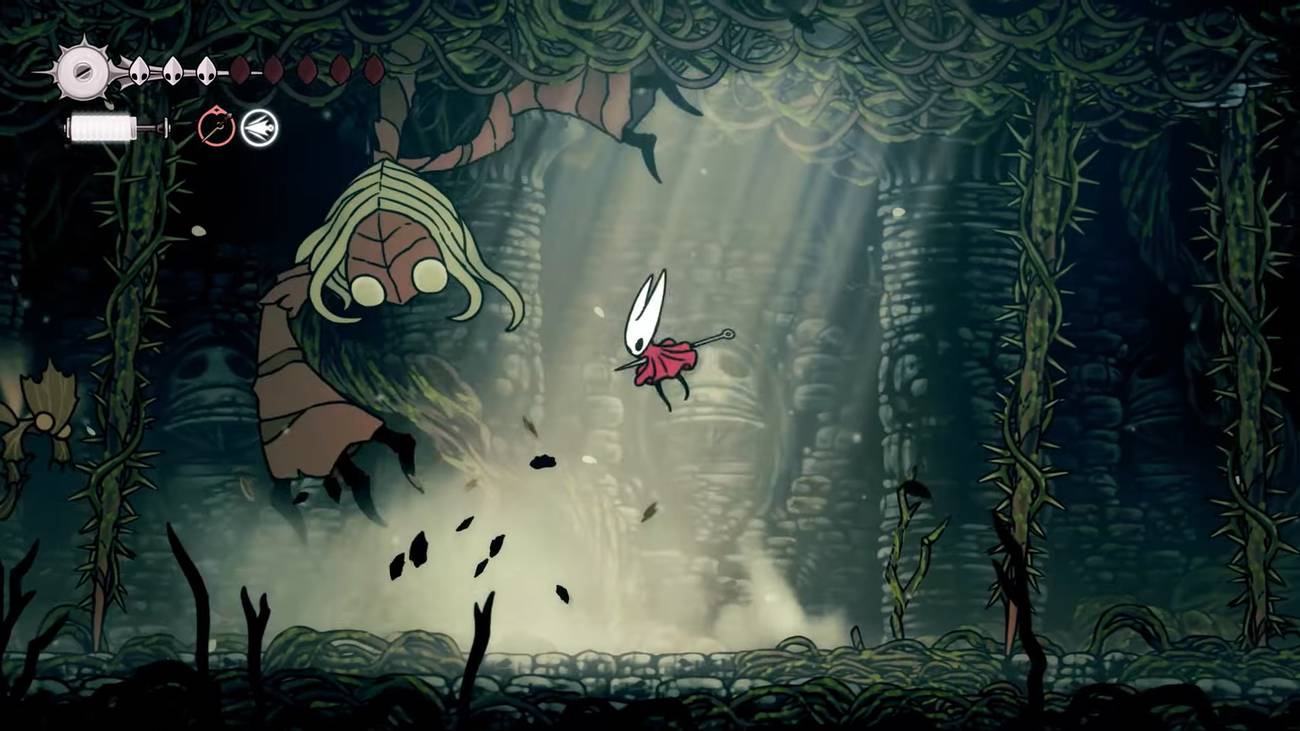
Silksong deviates from this. Every boss I’ve encountered requires a runback, and they become more elaborate further into the game. In some parts, the platforming is as difficult as the boss fight itself. In practice, this can mean that Hornet might have minimal health by the time you finally reach the boss room, if you get there at all. I’ve spent an embarrassing amount of time playing Silksong completely frustrated, descending into a stereotypical depiction of an angry gamer.
Does this design choice make Silksong inherently worse? Viewed from the standpoint of accessibility, assuming players should make reasonable progress with sufficient effort, then perhaps it’s not “good game design.” However, it makes me realize how limited my notions of what a game “should” be truly are. Somewhere along the line, I’ve begun associating convenience and comfort with quality.
Games can be art under this framework, but let’s be honest. Games built around player wants and needs are primarily entertainment. Silksong started as a passion project from a small Australian studio, then exploded well beyond its original intended audience. The first Hollow Knight began as a Kickstarter project with just 2,158 backers; it’s now sold 15 million copies. This exposure comes with pressure to conform and become easily digestible.
Resisting that pressure is commendable, a testament to Team Cherry’s creative vision. I say this as someone who may never beat Silksong, despite the post-launch patch aimed at easing early bosses. Such conviction is increasingly rare for games of this scope. Despite complaints, even Souls games don’t intentionally inconvenience the player as much as Silksong. Coincidentally, games like Elden Ring have never been more popular. The older Souls games, the ones that made the series a cult favorite, are transgressive in a similar way to Silksong. You can’t discuss Dark Souls 2 without mentioning its awful runbacks, which some diehard fans consider its best aspect.