
Key Points:
- The New York State Department of Financial Services (DFS) issued directives Wednesday advising banking institutions to utilize blockchain analytics solutions. This applies both to those currently involved in, and those contemplating engaging in, cryptocurrency transactions, with the aim of preventing illicit financial activities like money laundering and violations of sanctions.
- The NYDFS suggests banks explore the application of blockchain analysis tools when assessing potential vulnerabilities. This includes screening customer wallets, validating funds through virtual asset service providers, monitoring the crypto landscape for potential illegal activities, managing risks associated with third-party relationships, strengthening oversight to compare projected versus actual customer activity (e.g., dollar amounts involved in crypto), and evaluating potential risks linked to specific crypto products or services.
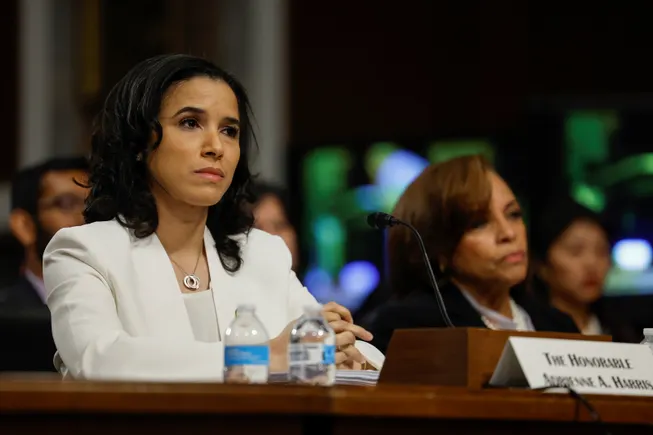
- According to a press statement from Superintendent Adrienne Harris, as traditional banks increase their involvement in digital currency activities, their compliance frameworks need to evolve. This requires the integration of new tools and technologies to effectively mitigate the distinct risks inherent in the crypto space.
Deeper Analysis:
This guidance, expanding on the NYDFS’s 2022 recommendations for “virtual currency business entities,” focuses on required compliance standards. Harris’s office encourages those entering or already operating within crypto to leverage advanced, tech-driven control measures. These tools can improve compliance programs and deter illegal activities as banks increase their crypto activity.
The NYDFS acknowledges “an upswing in the acceptance of virtual currency,” correlating with a regulatory climate that is increasingly receptive to cryptocurrency, leading more financial institutions and businesses to investigate digital asset activities.
Consequently, New York-based banks must consider blockchain analytics as a necessary tool for risk mitigation, according to Harris’s office. The regulatory body stressed the importance of routinely re-evaluating risk management protocols, specifically “in light of evolving business strategies, novel client profiles, and the emergence of new entities in the marketplace.”
The guidelines state that “new technologies present novel and developing threats necessitating innovative tools, like blockchain analytics, with superior capabilities to aid in identifying and mitigating risks. With increased virtual currency adoption, Covered Institutions play a vital role in protecting the financial system’s integrity to prevent illicit activities like money laundering, terrorist financing, and evading sanctions.”
It was also highlighted that all implemented controls must align with each bank’s unique business model, acceptable level of risk, and specific operational processes.
Last August, the NYDFS fined Paxos $48.5 million due to failures in due diligence related to its prior association with Binance, and for systemic weaknesses identified in Paxos’ anti-money laundering (AML) procedures.
In April, the NYDFS found payments technology firm Block in violation due to inadequate oversight of its Cash App peer-to-peer payment platform, including deficiencies in effectively monitoring Bitcoin transactions; as a result, the company agreed to a settlement of $40 million.
Harris stated in the release, “As a regulatory leader in the digital currency sector, the DFS will continue to set clear and transparent expectations for institutions. This is to protect consumers, maintain market integrity, and ensure that banking organizations regulated in New York are both resilient and competitive.”