
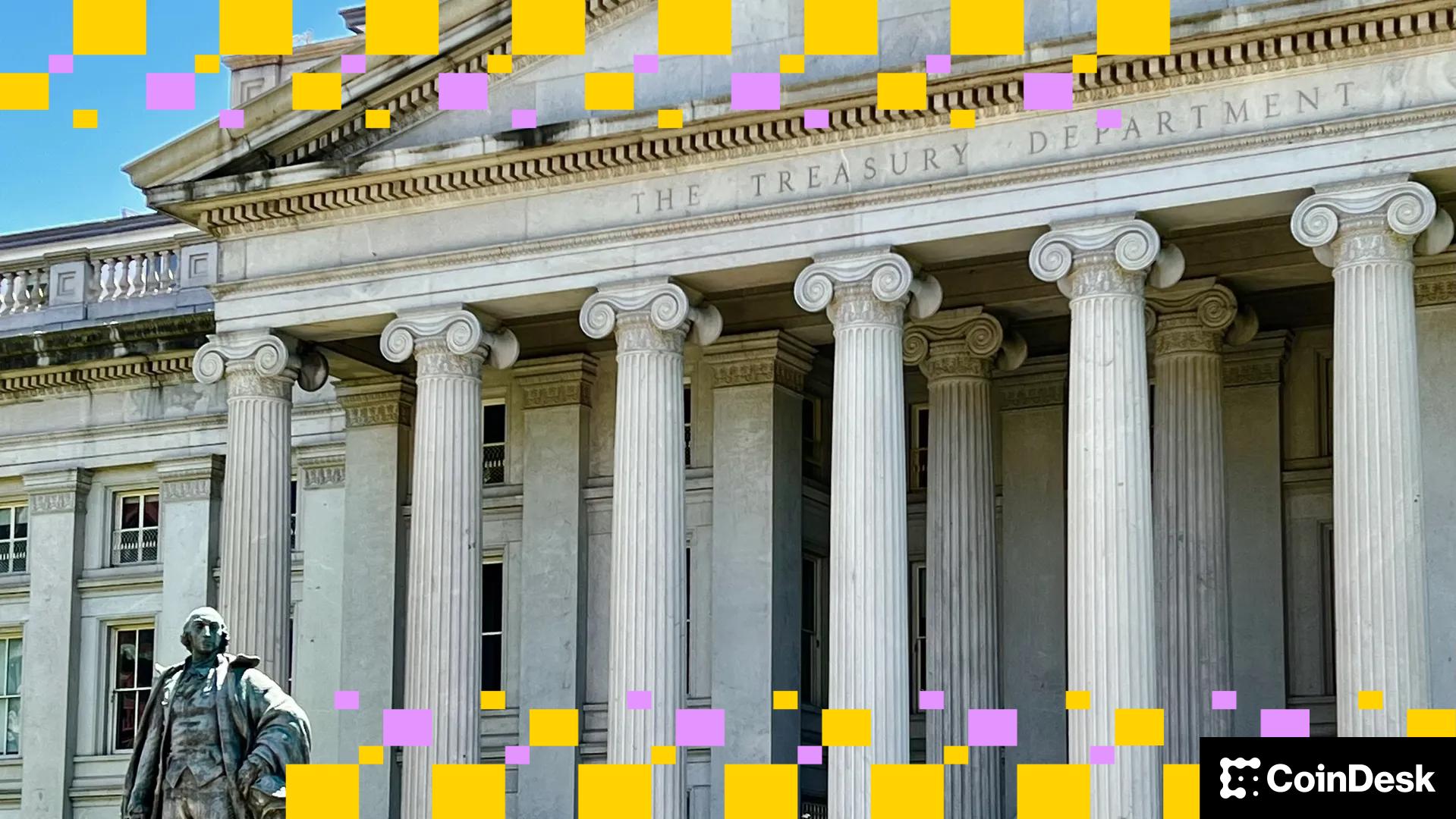
The U.S. Department of the Treasury is moving forward with a brief public comment phase concerning its initial work on crafting regulations for stablecoins, following the recent enactment of stablecoin legislation.
This division of the executive branch, under the direction of President Donald Trump’s administration, initiated what’s termed an “advance notice of proposed rulemaking” this past Friday. This is an exploratory step to gather crucial information that will inform the development of a formal regulatory proposal. Specifically, the government is seeking input and details on how to implement the Guiding and Establishing National Innovation for U.S. Stablecoins Act (GENIUS Act). Areas of focus include potential restrictions on issuers, adherence to sanctions, compliance with anti-money laundering (AML) protocols, the appropriate distribution of regulatory authority between state and federal entities, tax implications, and whether the stablecoin industry needs more precise guidelines.
A one-month window is now open for the public, particularly crypto-related businesses, to submit their opinions on these multifaceted issues. The deadline for submissions is October 20th. The official notice includes numerous detailed questions, such as: “Is further clarification needed regarding the degree to which reserve assets must, or should, be held in custody?” and “Are there any existing or developing regulatory or supervisory frameworks for foreign payment stablecoins that are comparable to the framework outlined in the GENIUS Act?”
The Treasury Department holds a significant role under the GENIUS Act, including mandates to address sanctions compliance, tax considerations, and the interplay between U.S. regulations and those of other nations. This recent action builds upon a preliminary information-gathering phase initiated last month, aimed at identifying effective methods for detecting illicit activities involving cryptocurrencies.
The GENIUS Act represents the first major piece of U.S. crypto legislation to become law, marking a significant achievement for the industry. Attention has now shifted to a broader legislative undertaking aimed at establishing comprehensive regulatory frameworks for the entire digital asset sector. This broader market structure bill is a key priority for bipartisan groups within the Senate, who are also in consultation with members of the House of Representatives. The House previously passed the Digital Asset Market Clarity Act, a similar piece of legislation.
Republican members of Congress and leading figures within federal financial regulatory bodies are prioritizing the prompt implementation of President Trump’s directives to foster supportive crypto regulations, aiming to position the U.S. as a leading global hub for the cryptocurrency industry.
In related news released on Friday, JP Morgan analysts suggested in a research report that substantial expansion across the broader cryptocurrency market is necessary to sustain growth within the stablecoin sector; otherwise, newly introduced stablecoins risk competing for market share at the expense of existing ones.
Further Reading: U.S. Treasury Department Starts Work on GENIUS, Gathering Views on Illicit Activity