

The complexity involved in mining Bitcoin (BTC), known as the mining difficulty, has reached a record high. As of Friday, the difficulty level for successfully adding new blocks to the Bitcoin blockchain stands at an unprecedented 142.3 trillion.
This surge in mining difficulty follows a trend of record-breaking climbs observed in August and September. This increase is largely attributed to a substantial increase in computing power dedicated to the Bitcoin network in recent weeks.
According to data from CryptoQuant, the Bitcoin network’s hashrate, representing the total computational power used to secure the decentralized system, also peaked on Friday, exceeding 1.1 trillion hashes per second.
The escalating mining difficulty, combined with the continuous demand for significant energy and powerful computing resources necessary for network security, presents growing obstacles for individual miners and larger companies alike. This fuels concerns about the potential for increased centralization within the Bitcoin mining landscape.
Related:
Bitcoin mining firms are performing better than Bitcoin itself, boosted by Artificial Intelligence investment.
Governments and Energy Suppliers Increase Competition
Smaller-scale miners, and even public companies focused on mining, are facing ever increasing pressure from national and local governments, who often enjoy access to cut-rate energy. Furthermore, entities in the energy sector are increasingly integrating Bitcoin mining operations into their business models.
Several governments, including Bhutan, Pakistan, and El Salvador, are actively engaged in Bitcoin mining or investigating opportunities to mine utilizing excess or renewable energy sources.
Earlier this year, Pakistan’s government revealed intentions to dedicate 2,000 megawatts (MW) of surplus electricity to Bitcoin mining activities, aligning with the country’s broader regulatory shift towards embracing digital assets and cryptocurrencies.
In Texas, energy suppliers are incorporating Bitcoin mining into their operations to help regulate electricity loads in partnership with the Energy Reliability Council of Texas (ERCOT).
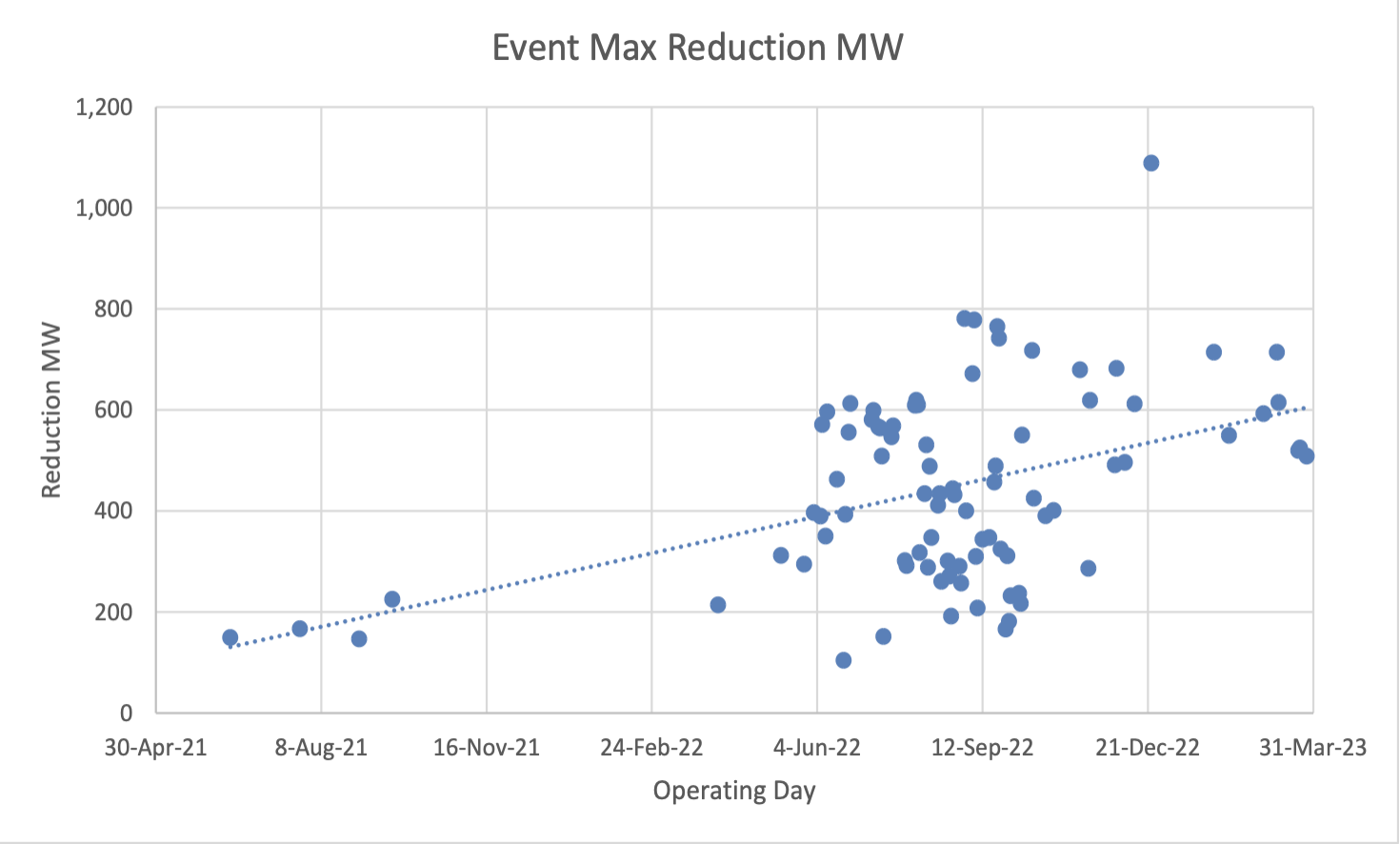
Power grids can experience deficits in energy supply during periods of high consumer usage or excessive surplus energy when demand is low, potentially causing damage and safety hazards if not managed effectively.
Energy companies in Texas utilize Bitcoin mining as a controllable load, balancing the grid by consuming excess energy during low-demand periods and halting mining operations during peak demand.
This approach generates revenue for these energy providers while mitigating concerns about fluctuating energy costs, providing a considerable advantage over publicly traded mining businesses that are required to pay market prices.
Deeper Dive:
Is Bitcoin mining a viable long-term business strategy? Seven reasons why it might not be.