
A new high for Bitcoin! The premier digital currency has surpassed the $120,000 mark, reaching this important level just before a week that could reshape the entire crypto landscape.
Starting July 14th, “Crypto Week” will see the US House of Representatives considering three distinct proposals aimed at fostering innovation in the blockchain and cryptocurrency sector. Approval of these bills is expected to establish a comprehensive regulatory framework for digital assets within the United States, a development long sought by industry participants.
Recommended Stories
list of 4 itemsend of list
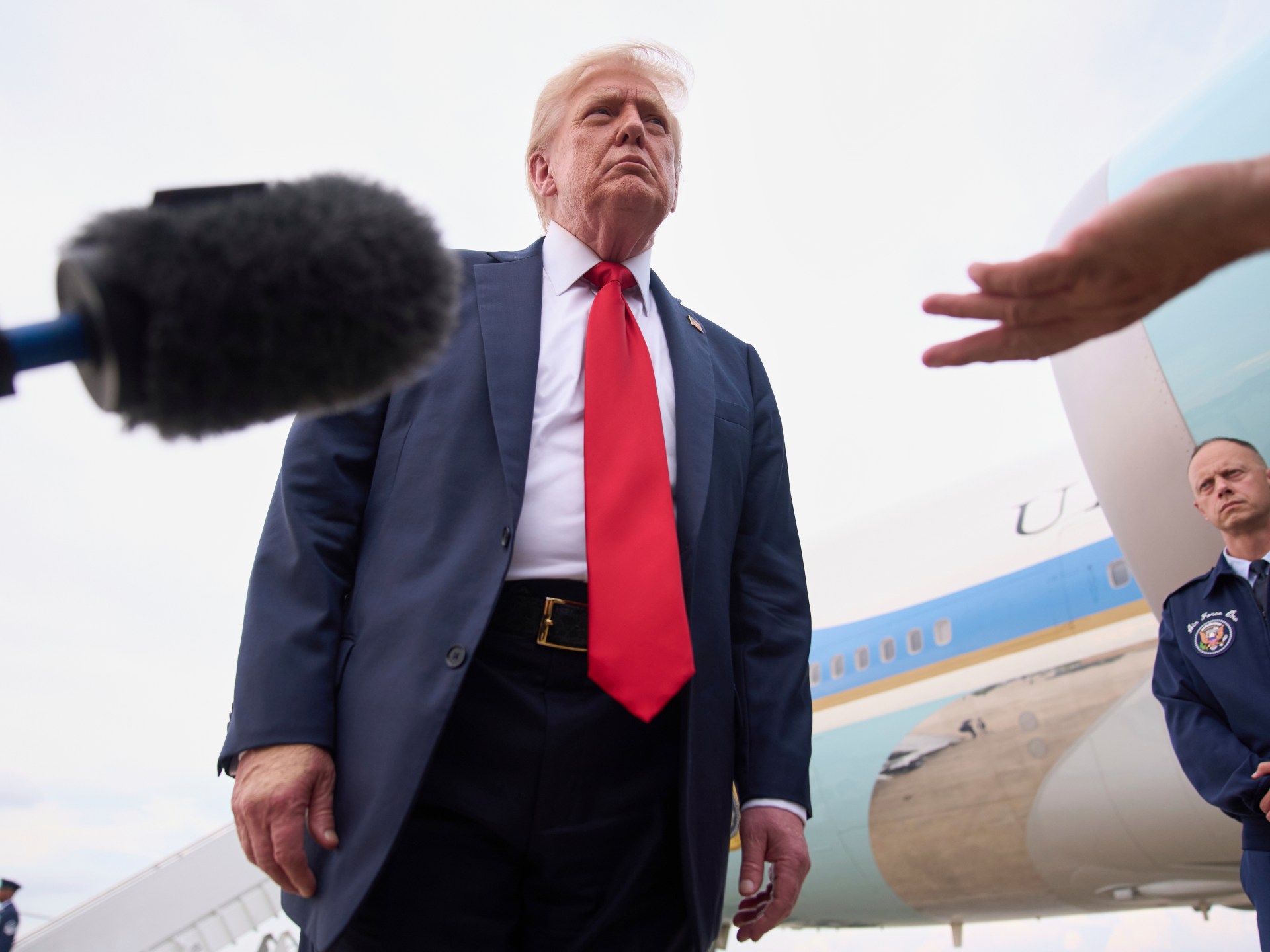
President Trump has publicly encouraged lawmakers to overhaul existing regulations. He believes the current approach, characterized by numerous lawsuits initiated by the Securities and Exchange Commission (SEC) under the previous administration (2021-2025), is detrimental to the industry and needs reform.
Anticipation of positive legislative changes has contributed to Bitcoin’s strong performance. The cryptocurrency has increased in value by 29% year-to-date, recently reaching a peak of $122,055 on Monday. Launched in January 2009, Bitcoin initially traded at a value of just $0.004.
This bullish momentum has extended to other digital currencies. Ether, the second-largest cryptocurrency by market capitalization, reached a five-month high of $3,048.2 on the same day.
Collectively, the cryptocurrency market now boasts a total valuation of around $3.8 trillion, according to data from CoinMarketCap.
Cryptocurrencies offer a decentralized system of exchange, enabling individuals to transact directly without the involvement of central banks or traditional financial institutions.
What’s Being Decided?
During “Crypto Week,” US representatives will deliberate on three crucial pieces of legislation:
- The GENIUS Act: This seeks to clarify the classification of digital assets, determining whether tokens are considered securities or commodities. By providing clear guidelines, it intends to reduce legal risks for emerging crypto companies. The Guiding and Establishing National Innovation for US Stablecoins (GENIUS) Act has previously secured approval in the Senate.
- The Clarity Act: It aims to limit the ability of federal agencies to expand regulatory authority based on court rulings. The intention is to ensure that Congress has the primary role in defining the classification and regulation of crypto assets.
- The Anti-CBDC Surveillance State Act: This bill would prevent the Federal Reserve from creating a central bank digital currency (CBDC), citing concerns that it could facilitate government monitoring of financial activities and compromise individual privacy.
This represents a notable shift for a sector that, at one point, considered moving operations outside the US due to perceived regulatory hostility and overly strict enforcement.
Crypto businesses have frequently asserted that existing US financial regulations, especially those from the SEC, are unclear or contradictory.
According to Jag Kooner, head of derivatives at the Bitfinex crypto exchange, “We anticipate a resurgence of capital that was previously withheld due to regulatory ambiguity, even if the final approval of the legislation is delayed.”
These legislative discussions could pave the way for easier creation and trading of new digital asset products.
Are There Opponents to the Bills?
Amendments to the GENIUS and Clarity Acts are anticipated from Democratic lawmakers.
Some critics believe the Trump administration is being too accommodating to the cryptocurrency industry.
Senator Elizabeth Warren, a Democrat, expressed concern during a Senate Banking, Housing, and Urban Affairs Committee hearing on July 9th, stating, “I fear that my Republican colleagues are pursuing another corporate giveaway.”
She urged Congress to prohibit public officials, including President Trump, from issuing, supporting, or profiting from cryptocurrency tokens.
Warren also cautioned that the revised crypto rules shouldn’t create a loophole that undermines established securities laws or allows volatility from the crypto market to destabilize the broader financial system.
She further emphasized the importance of applying anti-money laundering regulations to the crypto industry, given that users are identified by alphanumeric wallet addresses rather than names, which allows wrongdoers to conceal the origins of illicit funds.
The prior Biden administration adopted a firm regulatory stance, treating digital assets as securities subject to the same oversight as traditional stocks and bonds.
Why is Trump Supporting Crypto?
President Trump, initially a skeptic of cryptocurrencies, has become a prominent supporter, particularly during his recent presidential campaign. He was the first major-party presidential candidate to accept campaign contributions in the form of digital assets.
During the 2024 election cycle, crypto industry insiders reportedly spent close to $250 million to support political allies and oppose candidates unfavorable to their interests, according to Federal Election Commission records.
In March, President Trump announced plans to establish a “crypto reserve” comprising five cryptocurrencies (including Bitcoin), with the goal of making the US the world’s “crypto capital.”
Furthermore, the Trump family business has launched various cryptocurrency meme coins, assets with fleeting value inspired by online jokes or cultural references, such as $Trump and $Melania.
President Trump has faced criticism regarding potential conflicts of interest arising from his family’s business ventures. For example, World Liberty Financial, a crypto group backed by President Trump and his sons in 2024, has reportedly generated $57 million for the president.
Separately, Trump Media & Technology Group has submitted filings to the SEC, seeking approval to launch a “Crypto Blue-Chip ETF,” an exchange-traded fund holding Bitcoin and other major digital currencies.
Bitcoin’s Performance Since Trump’s Re-Election
If Bitcoin were recognized as a nation, its GDP would rank among the top ten globally, similar to the economies of Brazil ($2.17 trillion) and Canada ($2.14 trillion).
Since President Trump’s re-election in November 2024, Bitcoin has experienced a significant increase of 75%, rising from approximately $69,539 on Election Day to its present all-time high. It crossed the $100,000 threshold for the first time last December.
The cryptocurrency briefly fell below $90,000 on February 25th due to market anxieties surrounding President Trump’s announcement of new tariffs impacting various countries and industries. However, it recovered following President Trump’s “crypto reserve” announcement.
Bitcoin’s recent rise is also occurring amidst broader economic uncertainties, including global disruptions from President Trump’s tariffs on key trading partners and the ongoing conflicts in Ukraine and the Middle East.
According to a recent research note by Citibank analysts, “Bitcoin has demonstrated resilience this year, recovering in accordance with its macro exposures following tariff announcements.”