
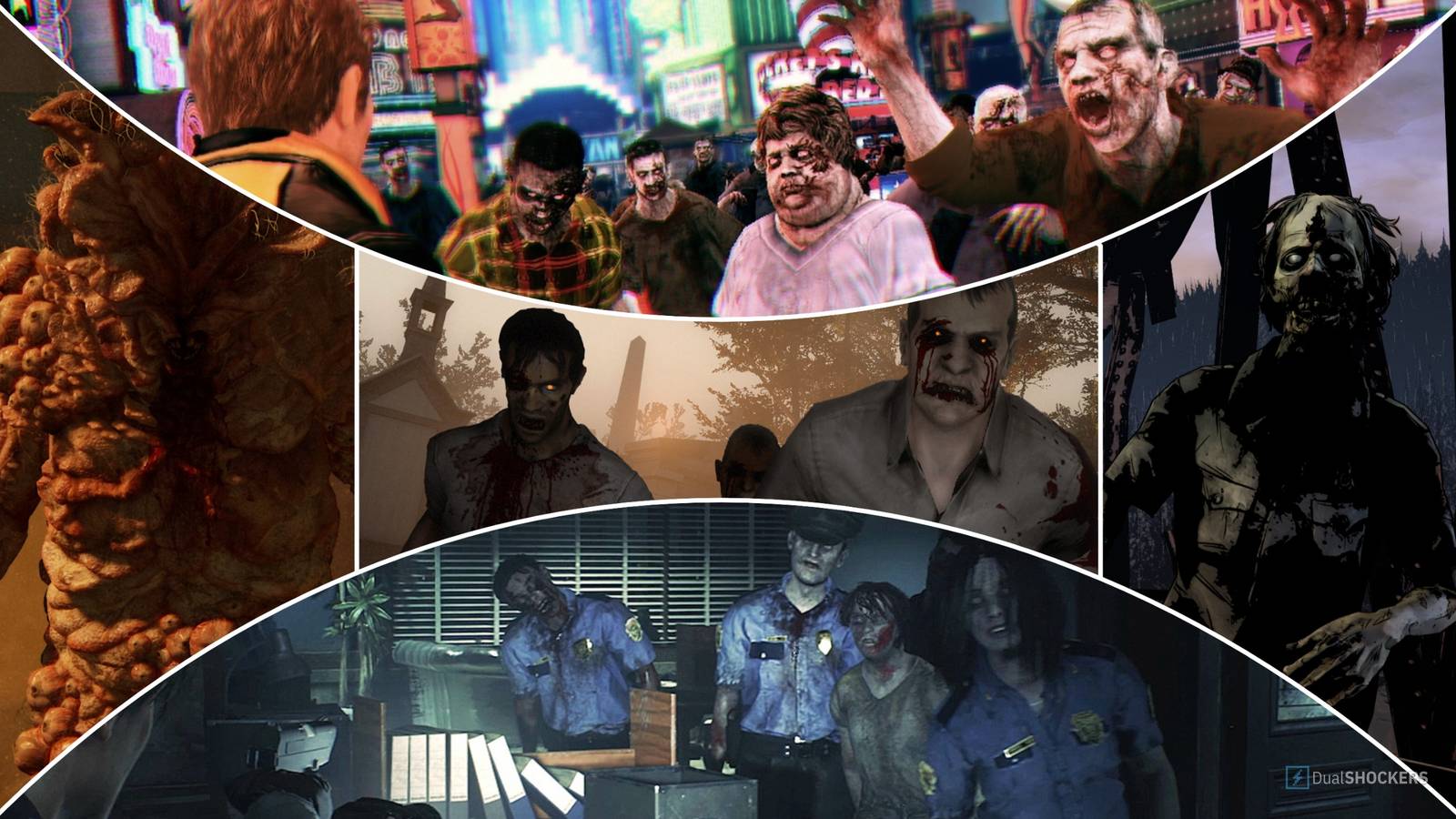
The enduring popularity of zombies in contemporary media, spanning from cinema to video games, stems from their utility as a conflict catalyst. They present a morally unambiguous scenario where humanity is pitted against a statistically significant portion of its own, creating an “us versus them” dynamic. Whether the situation involves a localized outbreak or a full-blown zombie apocalypse, the infected turning marks a shift to a survival-of-the-fittest landscape.
From an objective standpoint, the danger presented by fictional zombies varies across franchises. These variances arise from distinctive characteristics, special abilities possessed by specific undead types, or simply overwhelming numerical superiority.
For the sake of analysis, this article will examine the zombies found in several notable zombie-themed video games, ranking their potential threat level. This structured approach could even prove helpful should a real-world zombie outbreak ever occur.
Important Notes: This ranking is purely based on the danger posed by the zombies themselves and does not reflect the overall quality of the games. Additionally, the focus is exclusively on games centered around zombies, not games where zombies are merely one element among many (e.g., Dark Souls, Castlevania).
10
Telltale’s The Walking Dead
Bog-Standard Walkers
The Walking Dead franchise is built on examining the realism of a zombie apocalypse. In line with this premise, the Walkers found within are intentionally designed to adhere to traditional zombie archetypes, a trend continued within the Telltale Walking Dead series.
These Walkers exhibit the expected characteristics of zombies: they are slow-moving, lack sophisticated cognitive abilities, and pose a threat primarily when they are in groups or manage to take victims by surprise. Their danger stems from opportunistic ambushes rather than strategic planning, and a single, well-placed blow to the head is usually sufficient to eliminate them.
The infection spreads primarily through bites. A bite can take approximately half a day to kill a healthy individual. The presence of an airborne element to the contagion means that anyone who dies, regardless of the cause, will reanimate. This adds an element of surprise, though planning can minimize this effect.
9
Project Zomboid
Clumsy, Yet Persistent

George A. Romero’s works, such as “Night of the Living Dead”, are commonly credited as having popularized the modern zombie concept. The undead in Project Zomboid are heavily inspired by this classic portrayal. However, their inspiration from these classics does not mean that these zombies are harmless.
The origin of the Knox Infection in the game is largely a mystery, it originated in Kentucky. The virus was initially transmitted through fluids, but quickly evolved into an airborne version. An infected individual initially experiences severe flu symptoms for approximately three days before succumbing and subsequently reanimating.
While not remarkably intelligent or physically resilient, these zombies are persistent. They are drawn to any sign of humans, visual or auditory, and will relentlessly pursue them until distracted. This can quickly lead to a large horde of zombies closing in on survivors.
8
Dead Rising 2
Fragile, Yet Plentiful
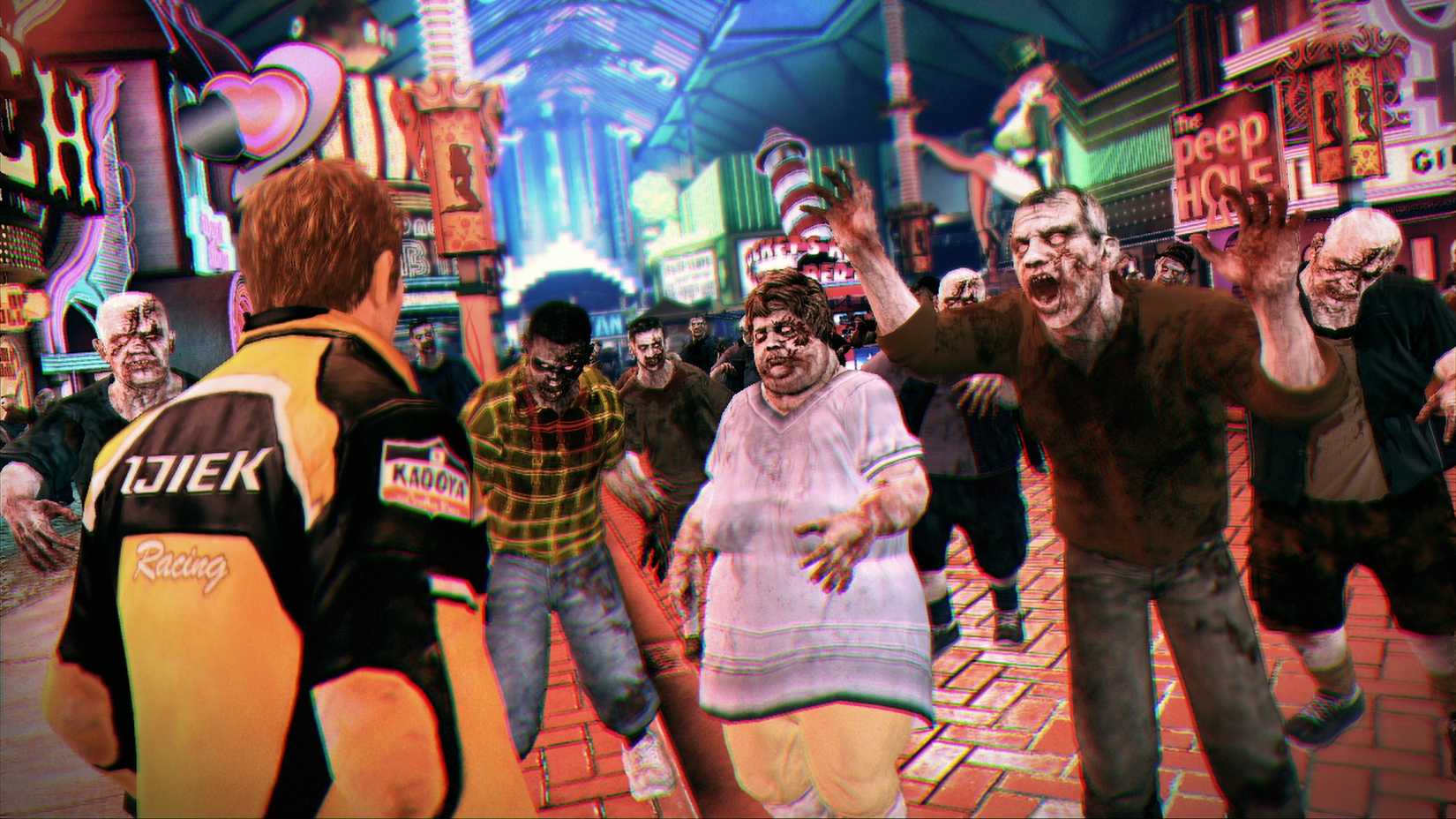
The origins of the Dead Rising series’ zombies are both natural and unnatural. The initial outbreak in Santa Cabeza resulted from a mutant species of wasp escaping and infecting humans. Subsequent outbreaks, such as Willamette and Fortune City, were intentionally engineered using existing zombies, indicating a low likelihood of spontaneous outbreaks.
These zombies appear fragile. Chuck can easily dismember them with improvised weapons. Gameplay mechanics may affect this, as Chuck can get bitten without always becoming infected. These zombies appear frequently and in large numbers, making navigation difficult and dangerous. They become more aggressive at night.
These zombies are also susceptible to biological manipulation, as demonstrated in Dead Rising 2’s climax, where a gas causes rapid mutation. This requires external intervention, further reducing their inherent threat.
7
Resident Evil 2 (2019)
Slow, But Sturdy
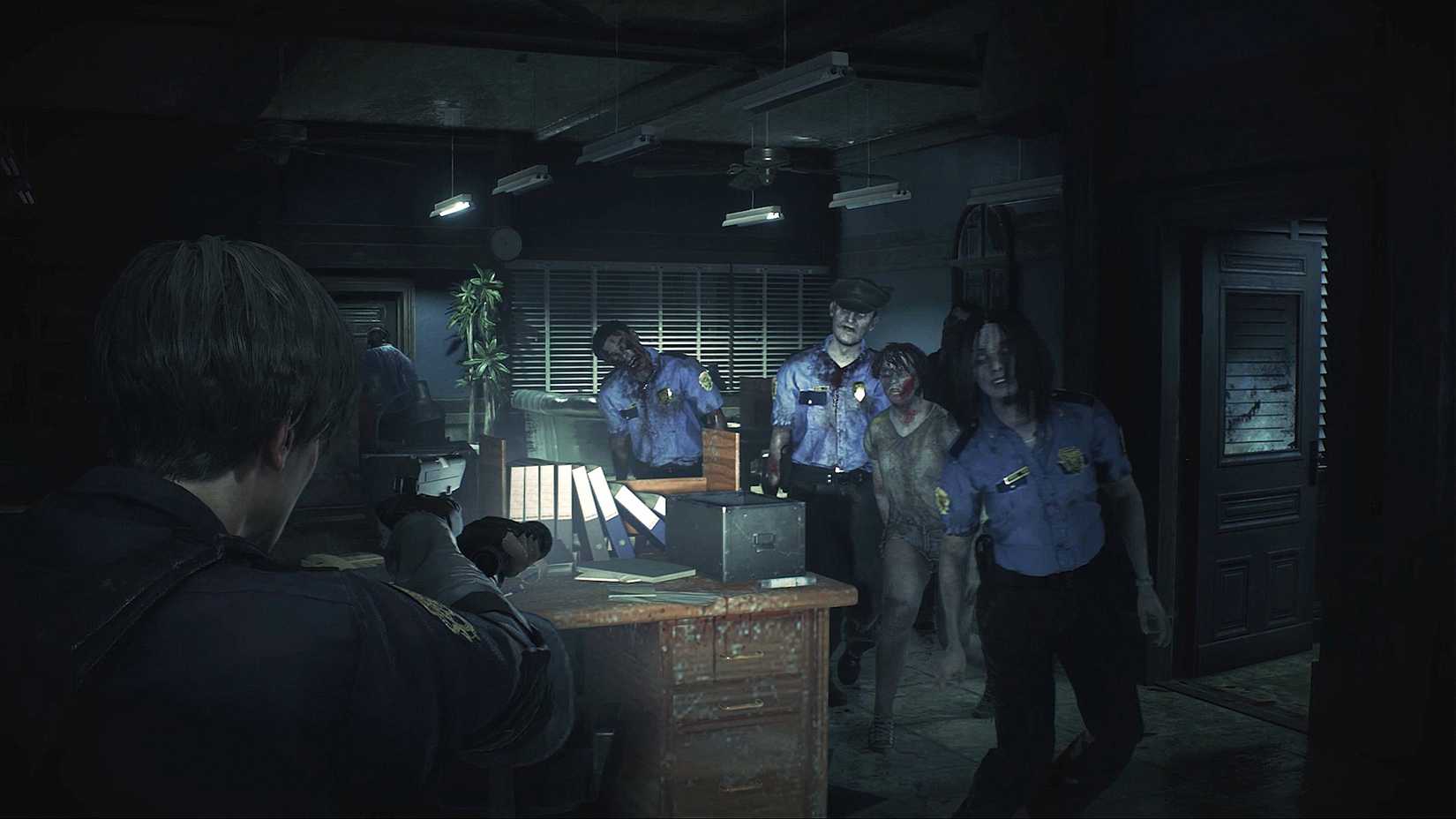
The zombification in the original Resident Evil trilogy is caused by the Tyrant Virus, or t-Virus. It was initially developed as a bioweapon. Although research shifted to creating intelligent Tyrants, the t-Virus is effective, as evidenced in Resident Evil 2.
t-Virus zombies, infected either by the virus itself or bites, are exceptionally resilient. While they still move slowly, they are difficult to kill, even with headshots. Some t-Virus strains can cause stronger mutations like the Lickers of Racoon City PD.
t-Virus zombies function as weapons designed to weaken an army from within. Despite their slow movement, their durability requires considerable ammunition, hindering organized resistance.
6
7 Days To Die
More Than Just Humans
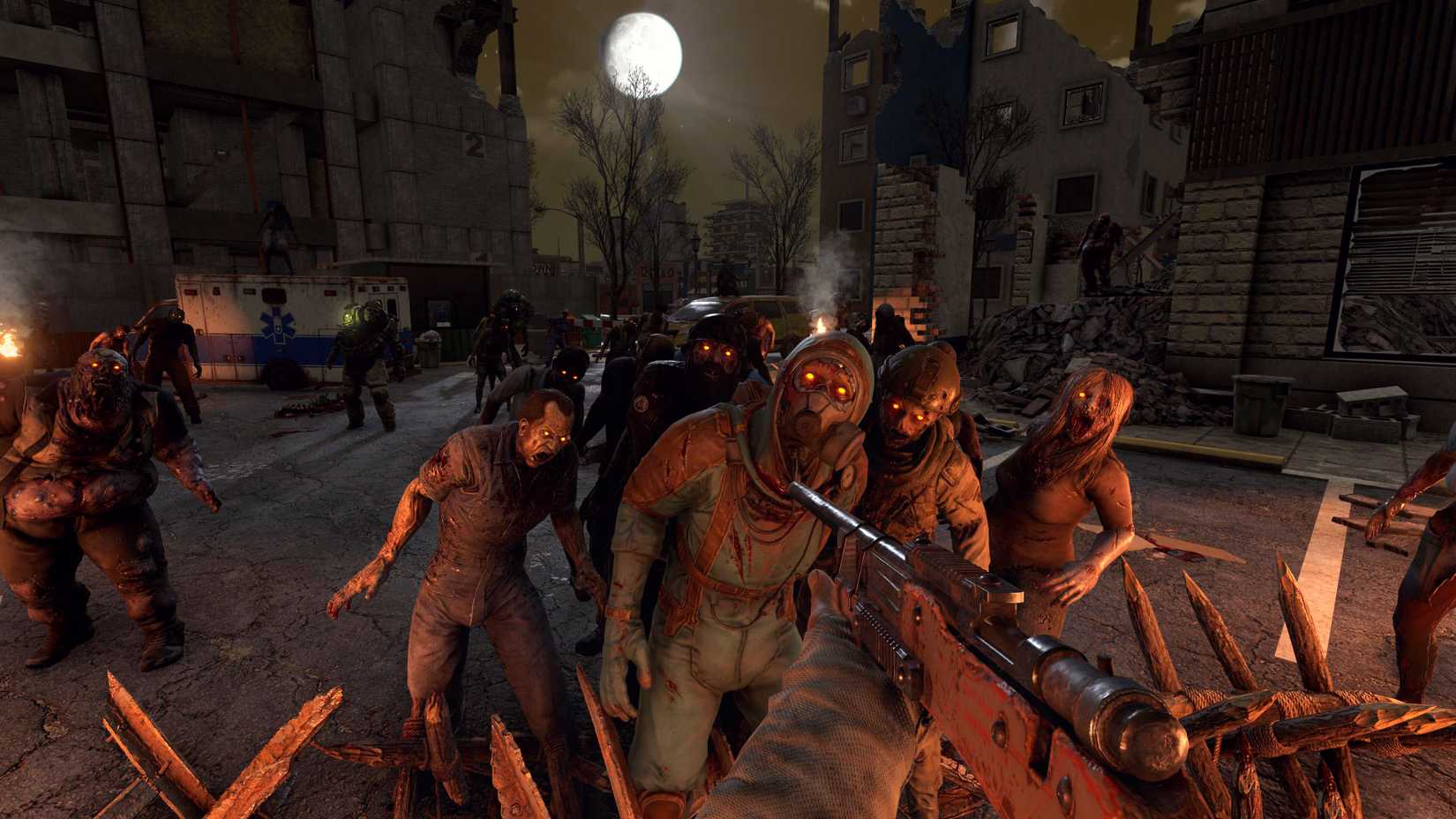
In many zombie settings, humans face the undead while other creatures carry on. However, when the infection spreads to other sentient creatures, things get more dangerous, as is demonstrated by the events in 7 Days to Die.
In 7 Days to Die, a virus has zombified most of humanity and various animal species, including dogs, wolves, vultures, and even bears. With numerous carriers hungry for flesh, the world is dangerous, providing a fitting backdrop for a survival game.
Human zombies vary based on their previous lives. Some are decomposed shamblers, while others are muscular sprinters or have been parasitized. These zombies have become Earth’s dominant species and apex predators, either quickly or slowly.
5
Dead Island
Dangerous Even Before Turning
 Share.