
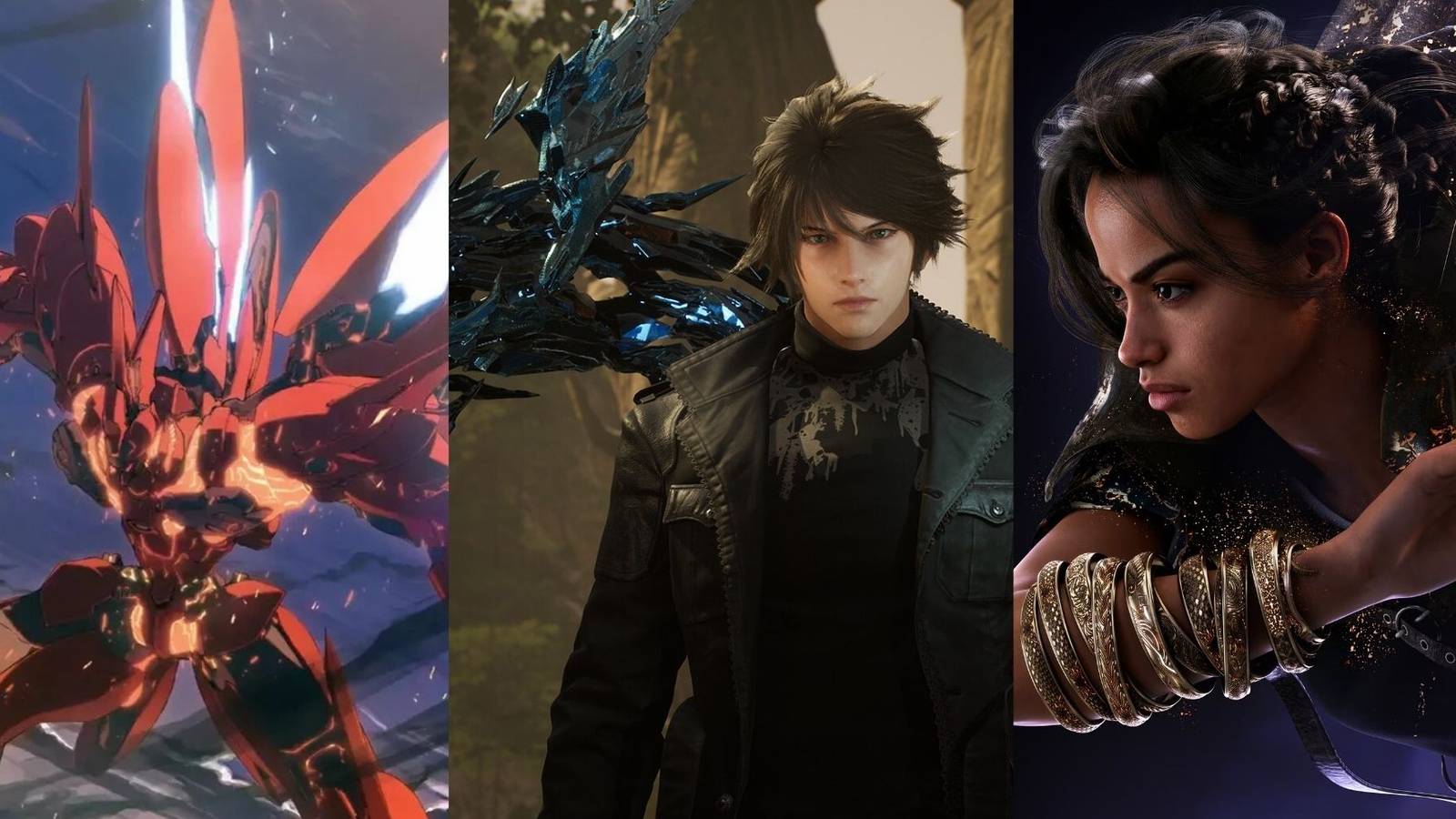
Certain games redefine the landscape. Think of titles like Call of Duty, Fortnite, Halo, Gears of War, Elden Ring, and Baldur’s Gate 3 – they set new standards.
This often leads to the search for “the next [game title].” Since the mid-90s, the benchmark was the Final Fantasy series. While not the originator of the JRPG, it undeniably became the genre’s most popular and enduring franchise.
Numerous developers have aspired to create the next Final Fantasy. Some efforts were commendable, but none have replicated the unique charm and sustained success of the Final Fantasy lineage.
Let’s examine some of these ambitious attempts to claim the JRPG throne.
Our focus isn’t on inherently bad games, but rather on those that aimed to establish themselves as long-lasting series capable of competing with the Final Fantasy juggernaut, yet ultimately lacked the necessary staying power and broad appeal.
10
The Legend of Dragoon
A Familiar Feel
During the late 90s, many developers sought to emulate Final Fantasy’s success. Back then, we often received a new Final Fantasy installment yearly, a golden era for fans. However, this saturation left limited space for competitors to gain traction.
The Legend of Dragoon stood out among the contenders. Featuring a blond, spiky-haired hero, a brunette love interest, a silver-haired antagonist, and a pivotal mid-game character death, it seemed to mirror key elements that made Final Fantasy 7 iconic.
While its combat and story had unique elements and appeal, it failed to resonate as widely. Intended to be a flagship JRPG series, its timing and visual presentation hindered its potential. As gaming technology advanced, its dated graphics fell short, preventing it from achieving the impact Sony envisioned.
Ultimately, it didn’t become the next Final Fantasy, but instead, garnered a cult following, remembered fondly by its dedicated fanbase.
9
Lost Odyssey
A Missed Opportunity
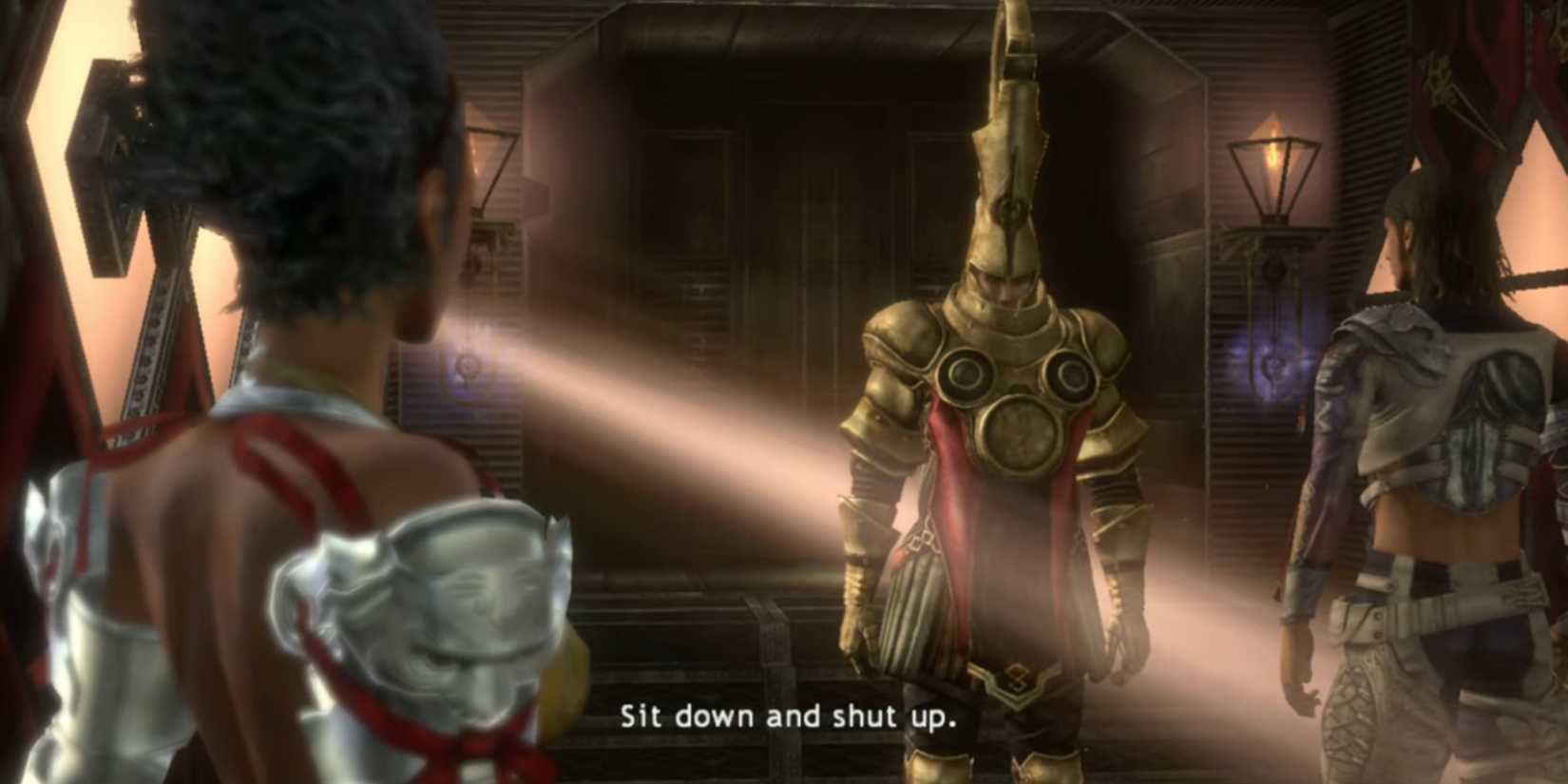
Lost Odyssey is a well-crafted game that borrowed heavily from the Final Fantasy blueprint. It featured a protagonist with amnesia, warring magical nations, plot twists, and compelling music, unsurprising given the involvement of Final Fantasy veterans.
However, its release in 2008 coincided with a shift in gaming preferences. Open-world experiences gained prominence, while traditional turn-based JRPGs with random encounters faced declining popularity.
Lost Odyssey, unfortunately, became a victim of this trend. Despite its unique, timing-based combat, excellent writing, and impressive visuals, it was perceived as more of the same. Had it been released today without any alterations, it might have achieved greater success, highlighting the significance of timing and market trends.
8
Lost Soul Aside
Development Challenges
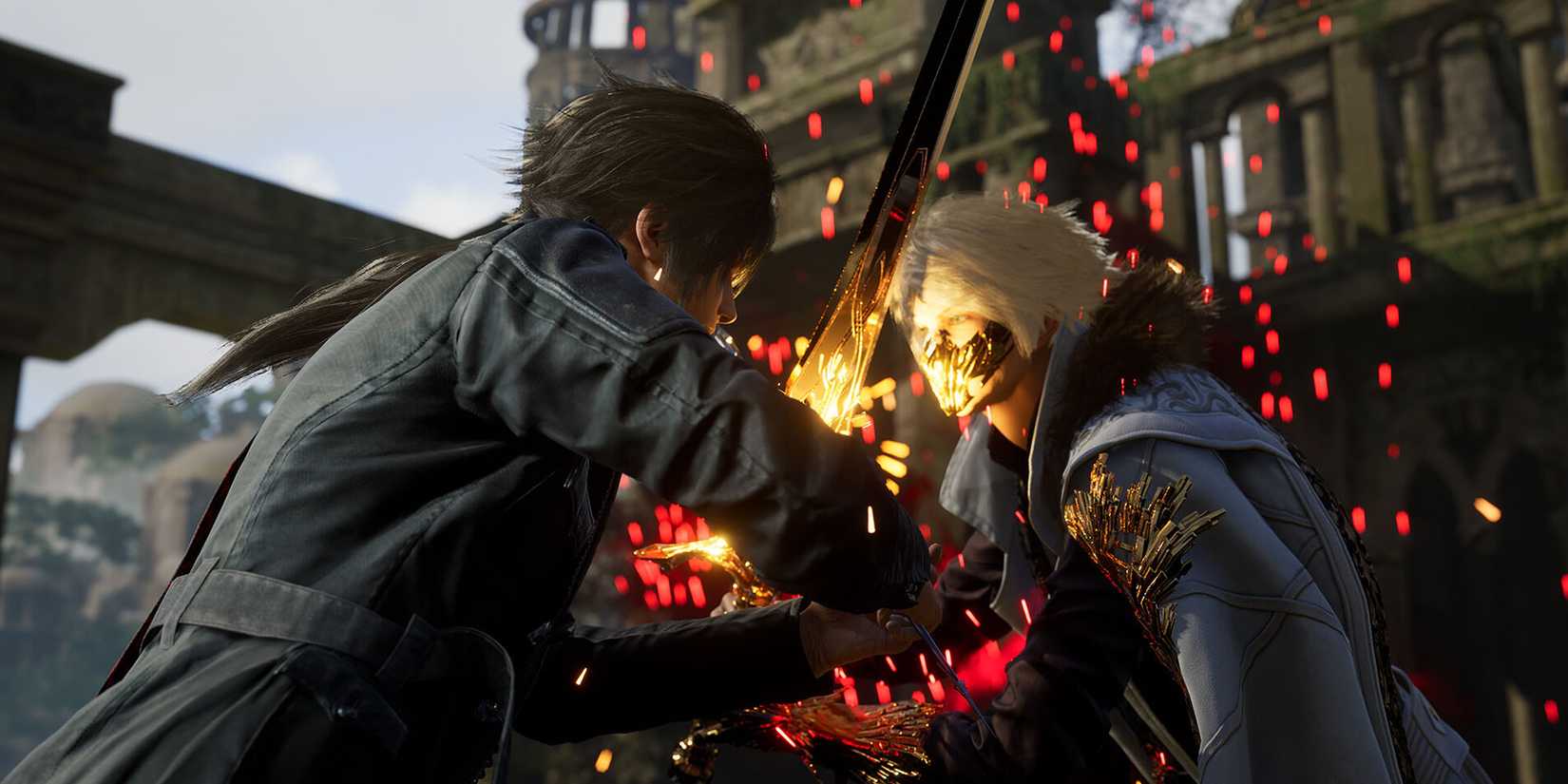
Lost Soul Aside faced a challenging development journey. Inspired by a Final Fantasy 15 trailer, Yang Bing embarked on this project a decade ago, aiming to create something similar.
In a parallel to Final Fantasy 15’s long development cycle, Lost Soul Aside encountered its own hurdles. Unfortunately, the final product didn’t live up to its initial aspirations.
Originally envisioned as a sprawling adventure with high production values, impressive visuals, and a combat system akin to Final Fantasy 16, Lost Soul Aside aimed for AAA status with a vast open world and engaging cities.
However, development challenges led to the abandonment of the open-world concept and a shortened storyline. The final product is a character action game boasting excellent combat and boss encounters but lacking depth in other areas. While the combat shines, the story, voice acting, and enemies are uninspired.
The initial plot involving an underground revolutionary group fighting a powerful empire quickly gives way to an alien invasion, diverting the story significantly. Despite its shortcomings, there’s hope that the development team will get another opportunity to realize the full potential of this series with adequate resources and direction.
7
Forspoken
A Disappointment
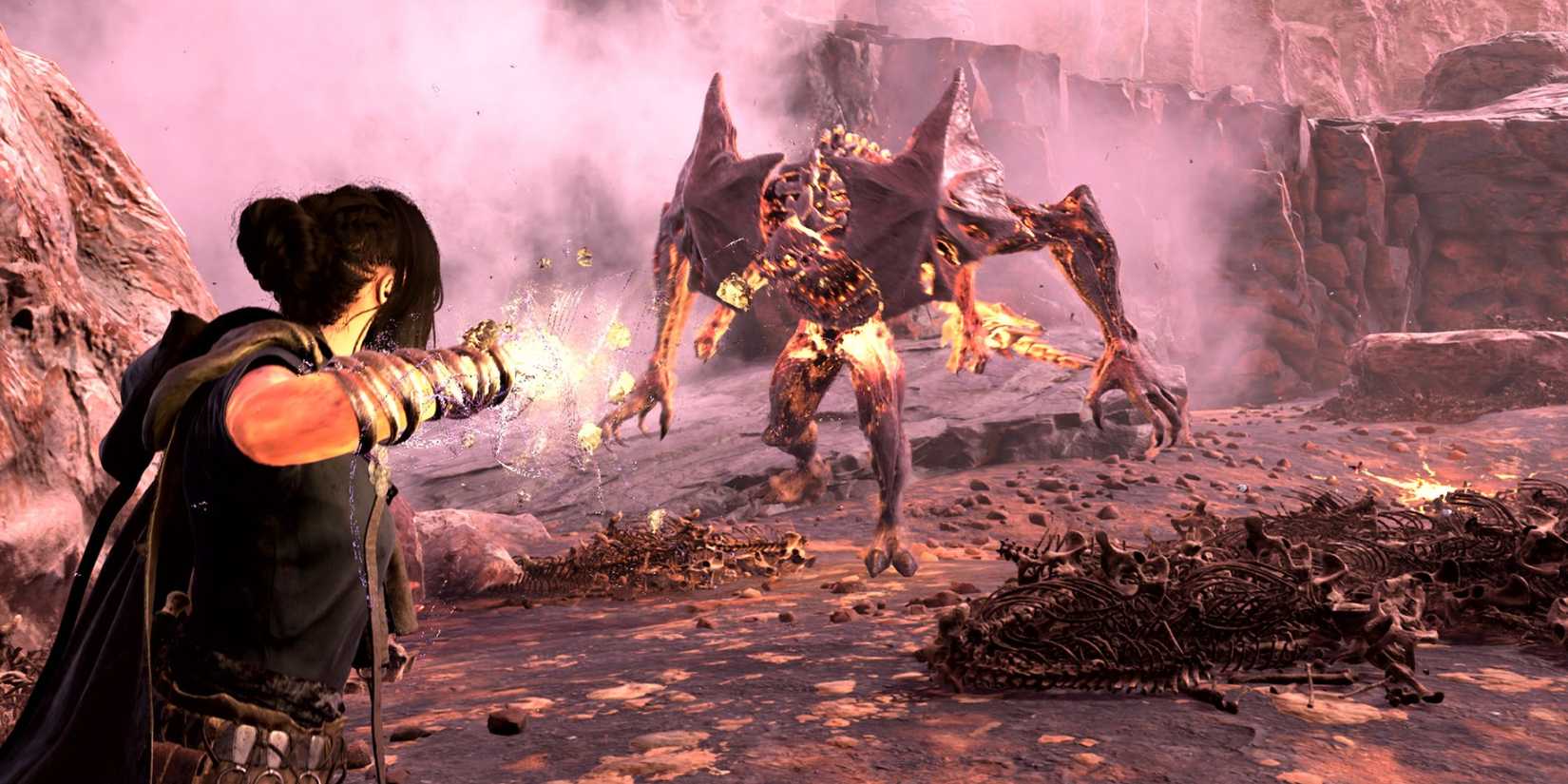
Forspoken mirrors Final Fantasy in its atmosphere, narrative, visuals, and combat. Yet, it exemplifies that a game’s quality extends beyond its individual components.
Forspoken became a frequent target of criticism in 2023, ironically the same year that Final Fantasy rebounded with Final Fantasy 16. Its most significant flaw was its writing, which prevented it from becoming a major series. Its dialogue was often cringeworthy, made worse by an unlikeable protagonist.
While the combat eventually offered some enjoyment, the uninspired enemies, excessively long boss battles, and reliance on cinematic sequences detracted from the experience. The game’s attempt to blend Final Fantasy elements with a Game of Thrones-style tone resulted in an awkward and disjointed experience.
Final Fantasy 16 later achieved this blend with greater success, highlighting the importance of the development team’s vision. Despite the effort invested in Forspoken and a decent DLC, it’s unlikely to become a leading franchise anytime soon.
6
Bravely Default
Nostalgic Appeal
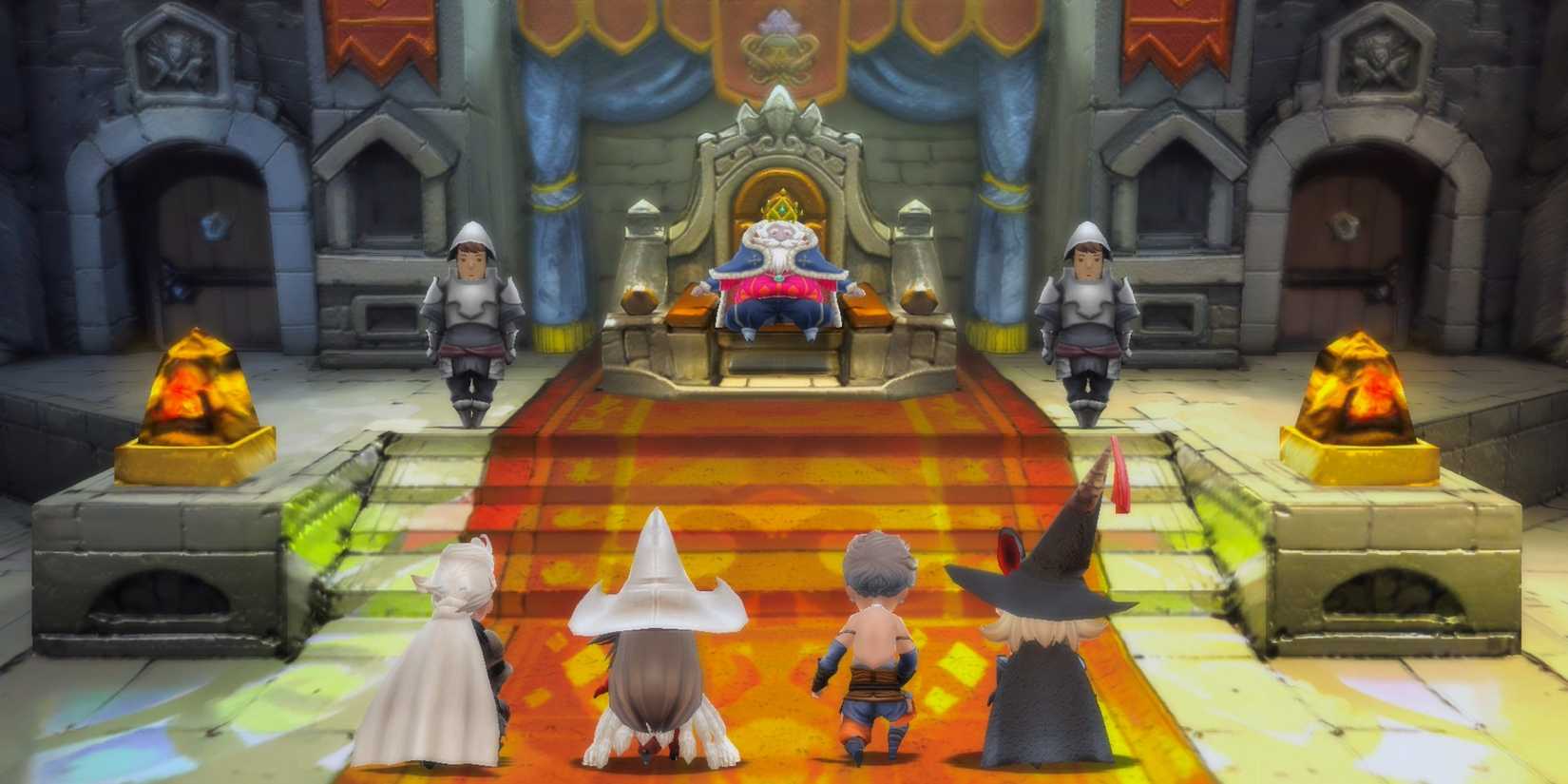
In 2014, the JRPG genre was in a slump, with its golden age behind it and modern gaming trends shifting away from traditional turn-based games.
Silicon Studios, with the backing of Square Enix, sought to revive the spirit of classic JRPGs. Bravely Default draws heavily from early 90s Final Fantasy games, emulating their art style, tone, attacks, and combat abilities.
It successfully evokes nostalgia in certain aspects. The combat system, with its risk-reward mechanics, provided an engaging and strategic experience.
However, its platform limited its potential to become the next Final Fantasy. Released on the 3DS, a successful handheld console, it overlooked Final Fantasy fans who had largely moved on from handheld gaming.
The game failed to attract the core Final Fantasy audience, who were primarily focused on the PS4. While spawning a sequel years later, Bravely Default remains a relatively obscure Final Fantasy clone.
5
Xenogears
A Missed Masterpiece?
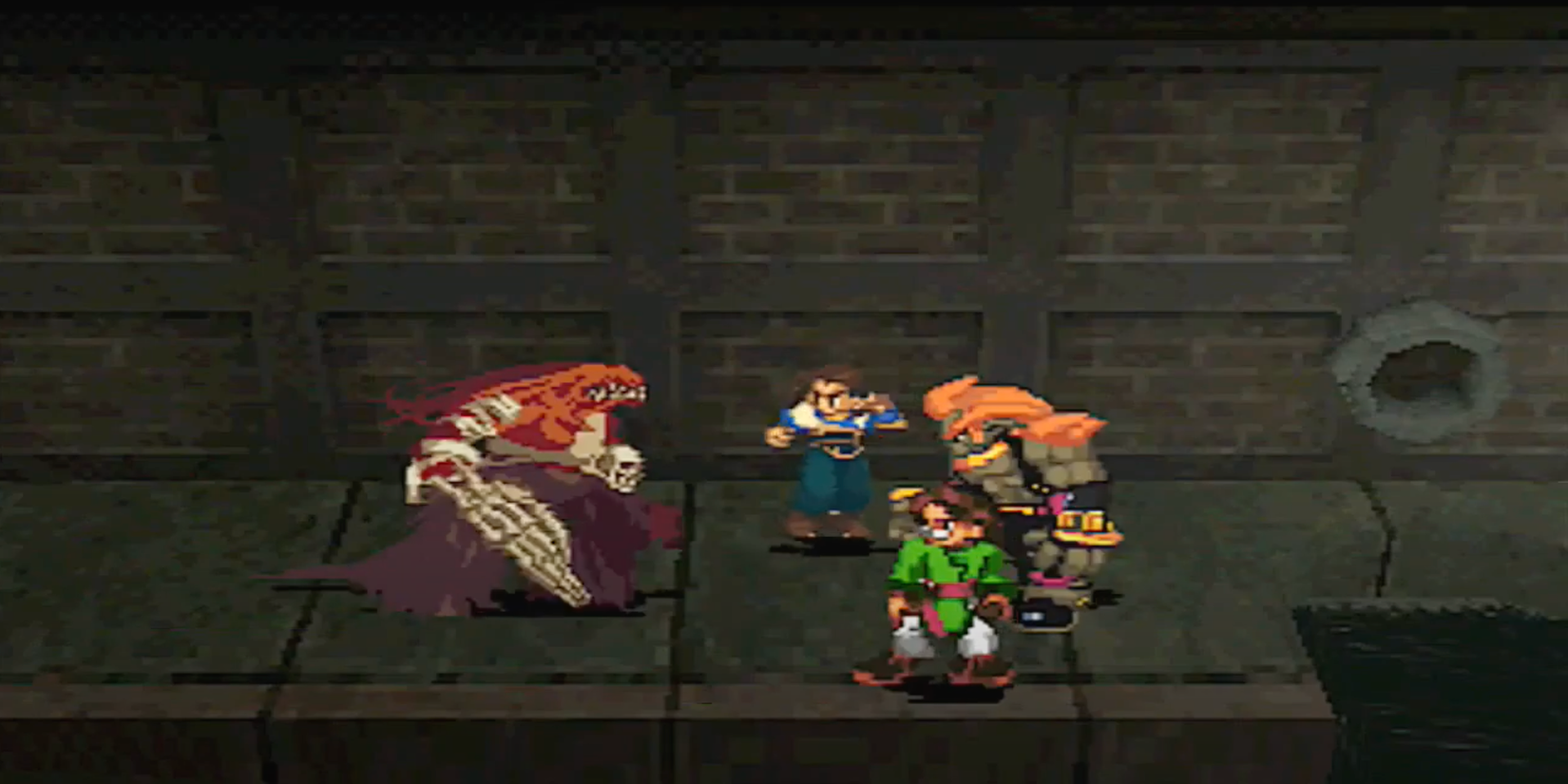
Xenogears holds a special place for many. Originally conceived as Final Fantasy VIII, its darker themes led developers to pursue a different path.
The result was Xenogears, initially planned as the fifth episode in a six-part series. However, rushed development hampered the storytelling, particularly on the second disc. Despite these challenges, the game achieved success.
Its mature themes, exceptional writing, well-developed characters, and intricate narrative set it apart. Its combat system, featuring customizable combos and mech battles, was engaging.
Square Enix’s failure to allow the development team to complete the series is seen as a major missed opportunity. With its potential popularity and global appeal, it could have rivaled Final Fantasy. The team behind it went on to form Monolith Soft, creating the Xenosaga and Xenoblade Chronicles series, which draw heavily from Xenogears and have become a defining JRPG franchise.
4
Breath of Fire
Distinctive Style
 Share.