

Digital currency generation has undergone a remarkable transformation, yet it continues to be a favoured method for procuring digital assets. While the initial days of the first cryptocurrency could be initiated from a standard home computer, today’s ecosystem demands more specialised equipment and advanced knowledge for successful participation. For those venturing into digital currency generation, selecting an optimal coin is essential for your endeavours.
This guide provides a detailed overview of the mechanics underpinning the creation of seven popular digital currencies. We’ll examine critical elements that creators need to evaluate, like equipment demands, creation software, block reimbursements, and projected costs, so you can discern which coins provide the greatest potential.
Each digital currency operates with distinct difficulty grades, reimbursement configurations, and profit margins. This guide will aid in ascertaining the top digital coin to generate based on individual goals. Whether you’re considering ASIC or GPU-driven generation, this overview will assist in assessing potential and intricacy for each.
What is Digital Currency Generation?
Digital currency generation is the process wherein the distributed ledger network forms new coins and appends transactions to a ledger. It includes resolving intricate cryptographic puzzles that validate and secure transactions on a decentralized network, like Bitcoin or Ethereum Classic. This process is critical for maintaining the integrity and security of the ledger as generators compete to resolve these problems in exchange for reimbursements in the form of newly minted digital currency. Discernment of the most profitable digital currency to generate necessitates careful examination of multiple factors, such as block reimbursements and electricity costs.
Generation operates on a Proof-of-Work (PoW) consensus mechanism, where generators contribute computational power to resolve cryptographic challenges. This ensures the system remains decentralized and resistant to tampering. Depending on the digital currency’s algorithm, generation usually necessitates specialized equipment, such as ASICs (application-specific integrated circuits) or GPUs. Acquaintance with the equipment involved is critical when selecting a digital currency for generation.
Once a generator successfully resolves a cryptographic puzzle, they append a new block to the ledger, and the network reimburses them with digital currency. Generation is energy-intensive, and profitability hinges on various factors, including equipment productivity, electricity costs, and market prices of the generated digital currency. Many hobbyists wonder which is the superior coin to generate at home, balancing cost-effectiveness with ease of setup.
You can also watch our video on how Bitcoin creation functions:
7 Prime Coins To Generate in 2025
We’ve compiled a roster of seven leading coins that propose varying grades of accessibility and reimbursement. These digital currencies provide a range of choices for both new and seasoned generators looking to maximize their efforts in the coming year.
| Digital Currency | Creation Algorithm | Complexity | Equipment Required | Current Block Reimbursement | Average Block Duration | Estimated Equipment Cost |
|---|---|---|---|---|---|---|
| Bitcoin | SHA-256 | Extremely complex | ASIC | 3.125 BTC | 10 minutes | $3,000 – $6,000 |
| Litecoin | Scrypt | Complex | ASIC | 6.25 LTC | 2.5 minutes | $10,000 – $15,000 |
| Monero | RandomX | Easy | CPU | 0.6 XMR | 2 minutes | $500 – $1,500 |
| Dogecoin | Scrypt | Medium | ASIC | 10,000 DOGE | 1 minute | $10,000 – $15,000 |
| Ethereum Classic | Etchash | Medium | GPU | 2.56 ETC | 15 seconds | $1,500 – $5,000 |
| Zcash | Equihash | Easy | GPU/ASIC | 3.125 ZEC | 75 seconds | $2,000 – $10,000 |
| Dash | X11 | Medium | ASIC | 2.68 DASH | 2.5 minutes | $3,000 – $7,000 |
1. Bitcoin (BTC)
Bitcoin, the pioneering digital currency, continues to be the most recognized and widely generated digital asset. Its utility stems from functioning as a decentralized peer-to-peer network that enables trustless transactions without intermediaries such as financial institutions. Bitcoin possesses a fixed supply of 21 million coins, with roughly 19 million already in circulation. The current Bitcoin network is secured through a Proof-of-Work (PoW) consensus, where generators compete to resolve intricate mathematical problems and append new blocks to the ledger.

Equipment
Generating Bitcoin typically necessitates high-performance ASIC (Application-Specific Integrated Circuit) equipment, the exclusive equipment capable of efficiently handling Bitcoin’s creation complexity. Popular choices include models such as the Antminer ASICs, which can cost anywhere from $3,000 to $6,000, depending on availability and specifications. These machines boast high hash rates (over 150+ TH/s), enabling them to compete in the increasingly difficult Bitcoin creation environment. Employing underpowered equipment, like CPUs or GPUs, is no longer feasible for Bitcoin, as the network complexity demands specialized, potent machines.
Creation Software
For Bitcoin, some of the most favoured creation software includes:
- CGMiner: A versatile and widely utilized software for ASIC generation that offers extensive customization.
- BFGMiner: A modular software designed explicitly for ASIC generation, providing monitoring and dynamic clocking.
These programs allow generators to configure their equipment, participate in creation pools, and monitor performance while connected to the Bitcoin network.
Concepts
One key concept specific to Bitcoin generation is halving — a scheduled event roughly every four years, which reduces the block reimbursement by half. This reduces the rate at which new Bitcoin is introduced into circulation and increases its scarcity, which typically impacts its market value. The 2024 halving reduced the block reimbursement to 3.125 BTC, making it more difficult for generators to sustain profitability unless Bitcoin’s price rises.
Cost
Establishing a Bitcoin creation rig can cost $3,000 or more, depending on the equipment purchased and the power costs of the location. ASICs are expensive, and other operational costs, such as electricity, cooling, and maintenance, can increase expenses. Additionally, regions with cheaper power offer generators a competitive advantage.
Return
The current block reimbursement for Bitcoin generation is 3.125 BTC, distributed to the generator who successfully validates a block. Generators can maximize their returns by investing in more efficient equipment, as higher hash rates increase the probability of resolving cryptographic problems faster. Larger-scale generators often participate in creation pools to combine their computational power and share the reimbursements, which increases their likelihood of consistently earning Bitcoin but with reduced individual payouts.
While you’re here, examine:
2. Litecoin (LTC)
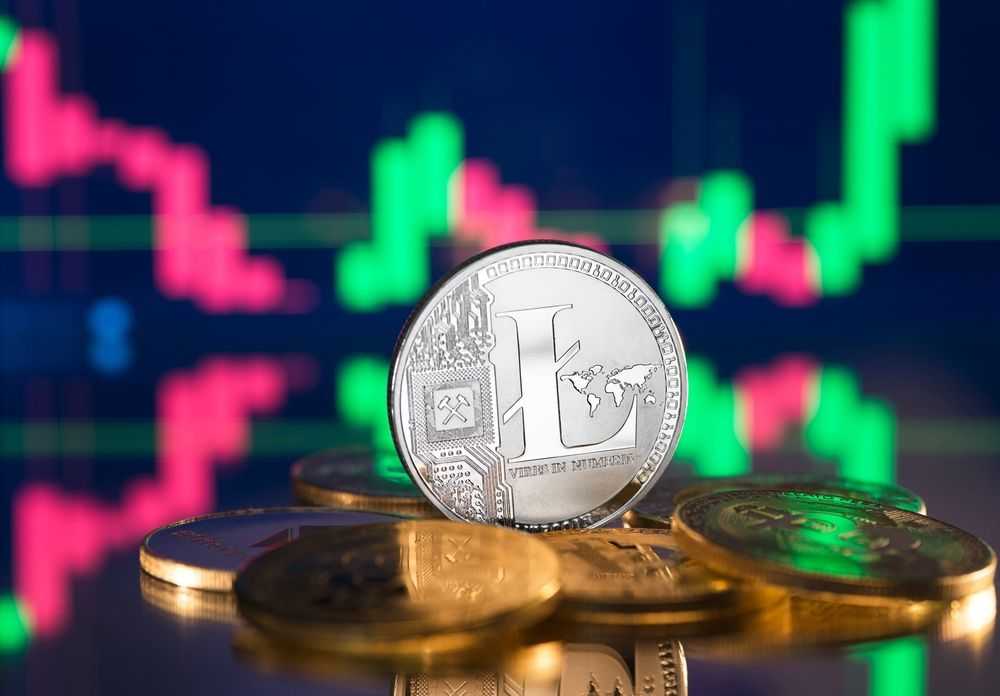
Litecoin is a peer-to-peer digital currency created by Charlie Lee in 2011 as a “lighter” version of Bitcoin. It shares multiple similarities with Bitcoin but proposes faster transaction speeds and lower fees, making it a more scalable choice for everyday payments. Litecoin uses the Scrypt algorithm, which is more memory-intensive than Bitcoin’s SHA-256, making it more accessible for GPU and CPU generators in its early days.
However, due to increasing network complexity, ASIC generation has become more common for Litecoin. The total supply of Litecoin is capped at 84 million, four times that of Bitcoin, and the block reimbursement halves every four years. The current block reimbursement is 6.25 LTC per block, and the next halving is expected in 2027.
Equipment
In Litecoin’s early days, generators could employ CPUs and GPUs to generate effectively due to the Scrypt algorithm. However, the network has become highly competitive, and now ASIC generators dominate the landscape. Popular choices for Litecoin generation include the Antminer ASICs, which are priced at over $11,000 and upwards, depending on the specifications.
ASIC equipment is essential for Litecoin generation as it dramatically enhances efficiency compared to GPUs or CPUs, which are no longer viable due to the network’s rising complexity.
Creation Software
Multiple software choices are accessible for Litecoin generation:
- EasyMiner: A graphical user interface (GUI)-based software for Windows, Linux, and Android, designed to simplify Litecoin generation.
- CGMiner: A versatile software also compatible with Litecoin’s Scrypt algorithm, permitting customizable generation configurations.
- MultiMiner: Another GUI-based generation software that supports both ASIC and GPU generation.
These programs offer the ability to connect to the Litecoin ledger, manage equipment performance, and participate in creation pools.
Concepts
Litecoin employs the Scrypt hashing algorithm, which differs from Bitcoin’s SHA-256 in its memory usage. This makes Scrypt ASICs less power-intensive than Bitcoin ASICs, but specialized machines are still required to remain competitive. The faster block duration of 2.5 minutes (compared to Bitcoin’s 10 minutes) makes Litecoin an attractive choice for generators seeking more frequent reimbursements.
Cost
The cost of establishing a Litecoin generation rig can vary widely depending on the equipment selected. With ASIC generators like the Antminer L7 costing around $10,000 to $15,000, combined with the high power consumption, running a profitable operation necessitates a significant upfront investment. Additionally, power costs can vary depending on the geographical location.
Return
Litecoin’s current block reimbursement is 6.25 LTC per block, and generators can maximize returns by participating in creation pools, which allow them to combine their computational resources with others to increase the chances of earning consistent reimbursements. Since the block duration is much shorter than Bitcoin’s, generators may see more frequent payouts, even if each payout is smaller.
Examine our Litecoin-centric articles:
3. Monero (XMR)
Monero (XMR) is a privacy-focused digital currency that aims to provide secure, anonymous transactions by obscuring sender, receiver, and transaction amounts using advanced cryptographic techniques like RingCT and stealth addresses. Unlike Bitcoin, where transaction histories are public, Monero ensures that all transactions remain confidential, making it one of the most favoured digital currencies for privacy advocates. Monero’s total supply is uncapped, with a tail emission introducing new XMR into circulation over time to reimburse generators. This makes Monero continuously attractive for generators, even in the long term.

Equipment
Monero is one of the few major digital currencies that can still be generated employing CPUs. It employs the RandomX algorithm, designed to be ASIC-resistant, ensuring decentralization by allowing more participants to generate employing standard equipment. Although GPU generation is possible, CPUs are generally sufficient for RandomX. A mid-range CPU like the AMD Ryzen 9 series (priced around $400 to $500) can be effective for Monero generation, while high-end CPUs such as the Intel Core i9 series (costing around $600 to $700) offer better performance but at a higher initial investment.
Creation Software
Multiple software choices are accessible for Monero generation:
- XMRig: One of the most favoured generation software programs for Monero, optimized for RandomX and supporting both CPU and GPU generation.
- MinerGate: A user-friendly generation software with multi-coin support, including Monero, ideal for beginners.
- XMR-Stak: A well-known open-source generation software that supports RandomX and multiple equipment setups.
Concepts
Monero’s focus on privacy signifies that the RandomX algorithm is designed to decentralize generation by discouraging ASICs, keeping the network open to more participants. Monero’s tail emission also ensures that generators will always receive reimbursements, even after the initial supply has been fully distributed. Monero is unique compared to Bitcoin and Litecoin, which have fixed maximum supplies.
Cost
The cost of establishing a Monero generation rig is significantly lower than that for digital currencies like Bitcoin and Litecoin due to the ability to employ consumer-grade CPUs. Depending on the equipment choice, a decent Monero generation rig could cost between $500 and $1,500. Power costs will also vary based on location, but Monero’s lower equipment requisites make it a more accessible choice for small-scale generators.
Return
Monero generators currently earn 0.6 XMR per block, with block durations averaging around 2 minutes. As Monero doesn’t have a fixed supply, its tail emission provides steady reimbursements. Generators can increase their portion of the block reimbursements by investing in more efficient CPU setups or by participating in creation pools, such as MineXMR or SupportXMR, to combine computational power with other generators.
Want to learn more? You can browse the following article:
4. Dogecoin (DOGE)
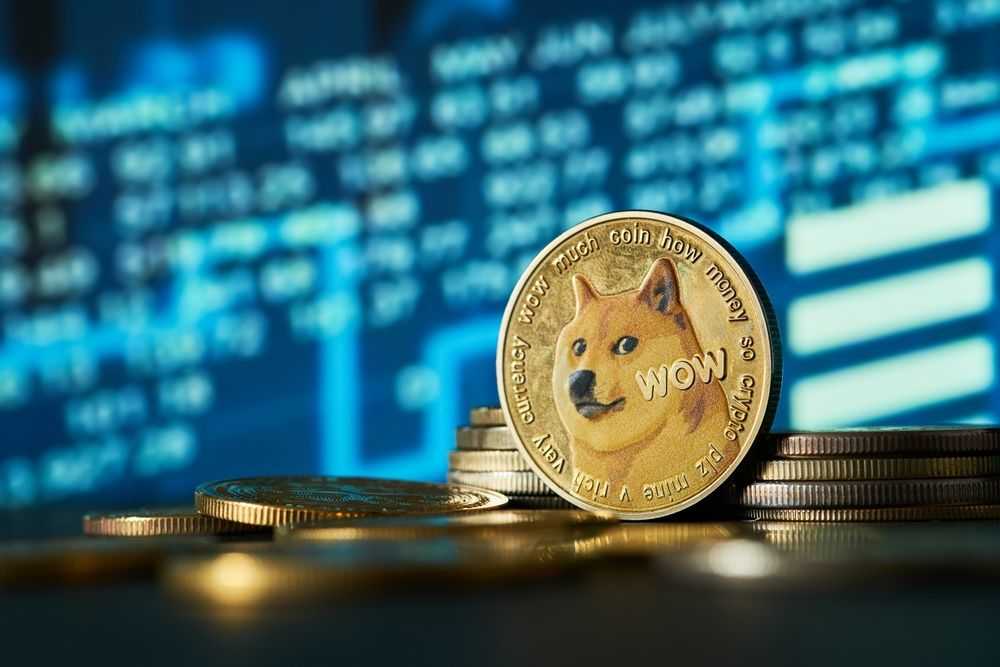
Dogecoin (DOGE) is a decentralized, peer-to-peer digital currency originally created as a light-hearted, meme-inspired alternative to Bitcoin. Launched in 2013 by software engineers Billy Markus and Jackson Palmer, Dogecoin quickly gained popularity due to its friendly community and low transaction fees.
Dogecoin is employed for microtransactions, tipping content creators, and charitable donations. It operates on a Proof-of-Work (PoW) consensus mechanism, much like Bitcoin and Litecoin, but with a much faster block duration of 1 minute. Dogecoin’s inflationary supply model (no maximum cap) ensures that generators continue to receive reimbursements indefinitely.
Equipment
Initially, Dogecoin could be generated employing CPUs and GPUs, but as network complexity increased, most generation shifted to ASICs. Since Dogecoin employs the same Scrypt algorithm as Litecoin, the same equipment can be employed to generate both digital currencies. A popular choice is the Antminer L7, which costs between $10,000 and $15,000 and can efficiently generate both Dogecoin and Litecoin. This equipment is essential because Dogecoin’s growing network complexity signifies potent ASIC generators must stay competitive.
Creation Software
For Dogecoin generation, the most widely utilized software includes:
- CGMiner: Compatible with Dogecoin’s Scrypt algorithm, permitting efficient generation with ASIC devices.
- MultiMiner: A GUI-based generation software that supports Dogecoin and allows switching between multiple coins like Litecoin.
- EasyMiner: A user-friendly choice for beginners that supports Dogecoin generation alongside other Scrypt-based coins.