

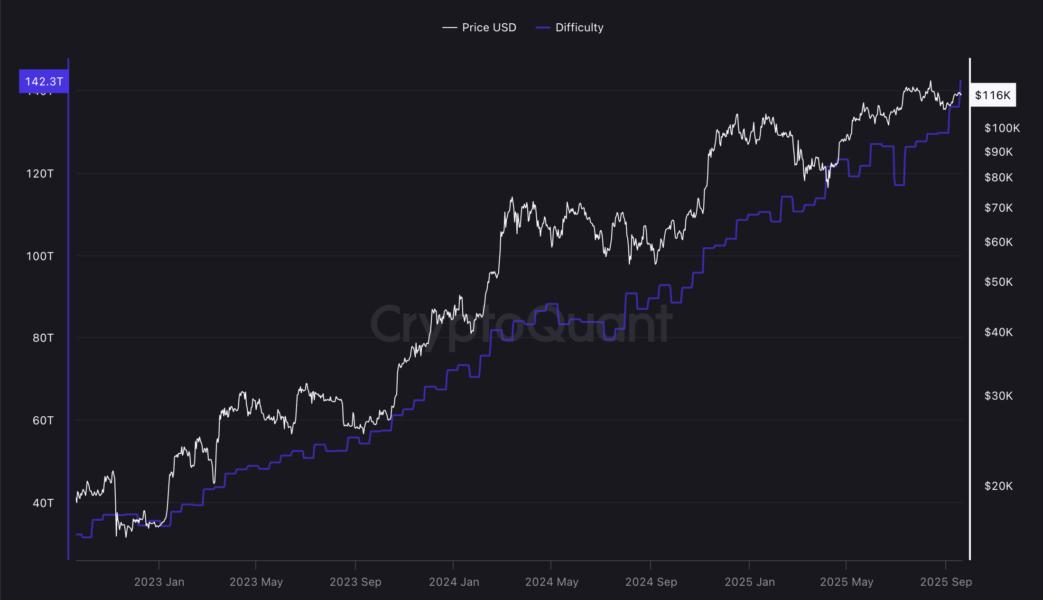
The computational puzzle required to add new blocks to the Bitcoin BTCUSD blockchain, known as mining difficulty, reached a record high of 142.3 trillion on Friday.
This measure of mining complexity surged to previous peaks in both August and September, fueled by a recent influx of processing power dedicated to the network.
Simultaneously, the Bitcoin network’s hashrate, which reflects the total computing power securing the cryptocurrency, also attained an all-time high, exceeding 1.1 quintillion hashes per second on Friday, according to data from CryptoQuant.
The escalating mining difficulty, coupled with the persistent need for power-intensive computing infrastructure to maintain the network’s security, is creating a more challenging environment for individual miners and even larger companies. This raises concerns regarding the potential centralization of Bitcoin mining.
Publicly traded companies facing heat from governments and energy infrastructure providers
Smaller independent miners, and even publicly traded firms, are facing increasing pressure from government entities with access to low-cost energy sources, as well as energy infrastructure providers that are integrating Bitcoin mining directly into their business models.
Several nations, including Bhutan, Pakistan, and El Salvador, are already actively involved in Bitcoin mining or are exploring the use of surplus energy resources for this purpose.
In May, the Pakistani government unveiled plans to allocate 2,000 megawatts (MW) of excess electricity for Bitcoin mining operations, signaling a shift in regulatory approach towards embracing cryptocurrencies and digital assets.
In the US state of Texas, energy companies are also integrating Bitcoin mining into their operations to help balance the electrical grid in conjunction with the Energy Reliability Council of Texas (ERCOT).
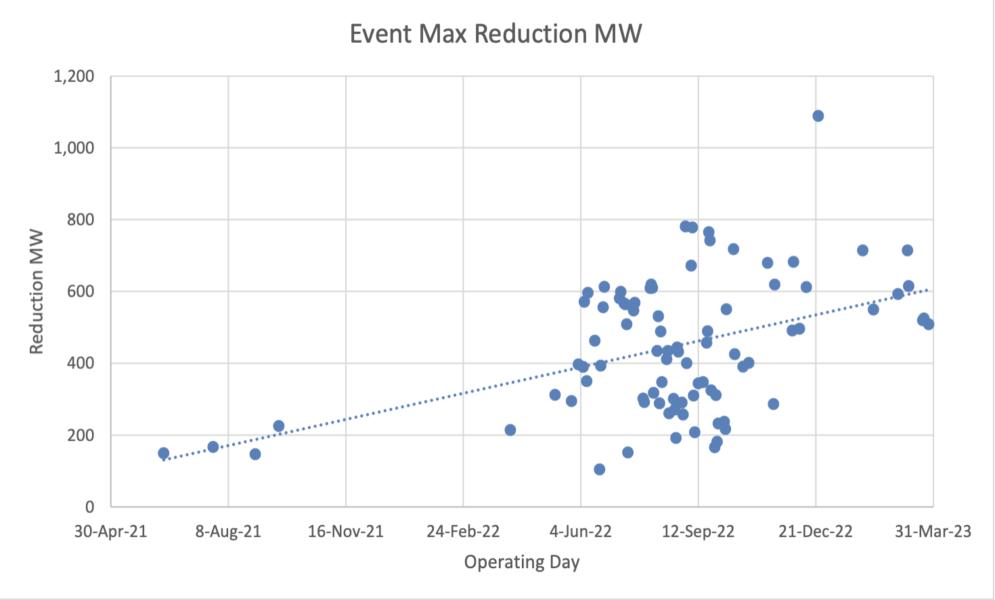
Power grids can experience instabilities due to insufficient energy supply during periods of peak demand, or excessive energy generation when consumer demand is low. This surplus, if not managed, can potentially damage grid infrastructure.
Texas energy providers are using Bitcoin mining as a flexible load management tool to address these imbalances. They consume excess power during low-demand periods and curtail mining activities when consumer demand spikes.
This allows electricity providers to generate revenue without the uncertainty of fluctuating energy costs, giving them a significant competitive edge over publicly traded mining companies that are required to purchase power.
Magazine: 7 reasons why Bitcoin mining is a fundamentally flawed business model