
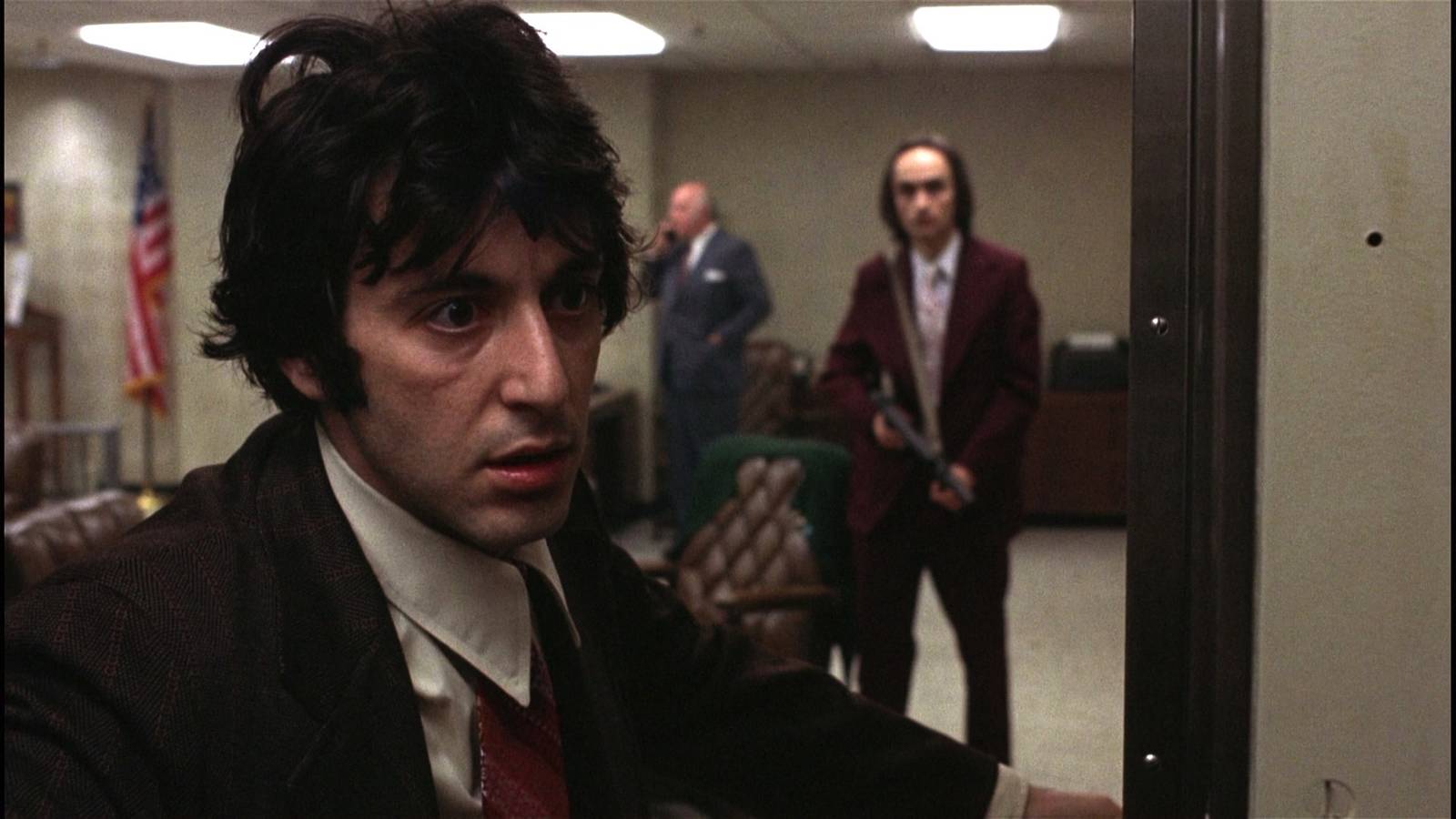
Visiting the location of the Brooklyn bank featured in Al Pacino’s memorable crime film, Dog Day Afternoon, reveals a residential building in a popular neighborhood. The area bears little resemblance to the gritty urban landscape shown in the movie from almost fifty years prior. (However, a screening might happen close by; Nitehawk Cinema Prospect Park often has showings.) This transformation is expected, as cityscapes rarely remain unchanged for even a decade, let alone five. Despite this, Dog Day Afternoon resonates with modern audiences more than one might anticipate from a film rooted in true events.
Pacino portrays Sonny, a troubled Vietnam veteran attempting a bank robbery in Brooklyn. The motive? To finance gender-affirming surgery for his partner, Leon (Chris Sarandon). Leon isn’t directly involved in the crime. Sonny enlists Sal (John Cazale) and Stevie (Gary Springer) to assist. While Sonny seems to possess a rudimentary plan based on prior bank experience, his association with Sal and Stevie appears tenuous, as if he recruited the first individuals he recognized. (In a humorous scene, Stevie abandons the heist upon seeing the weapons, lamenting his transportation difficulties when Sonny forbids him from using the getaway car.) Sonny’s situation intensifies upon discovering the bank’s vault is empty and the police have been alerted, leading to a tense standoff with law enforcement and the bank employees held hostage.
The unfolding drama attracts a crowd, highlighting the film’s relevance. Set long before the era of 24-hour news or the internet, Dog Day Afternoon captures the public’s fascination with sensational events. The bystanders initially sympathize with Sonny, particularly as he interacts with them during his brief forays outside, even tossing some stolen cash to the onlookers. The pizza delivery driver revels in the attention he receives when delivering food to the hostages, prompting Director Sidney Lumet to focus on him, emphasizing his fleeting moment of fame.
While the movie does touch upon fame and media influence, the core themes go far beyond. The movie points out the sensationalism that is part of modern life. During a pivotal moment, Sonny incites the crowd by shouting “Attica! Attica!” referencing the 1971 prison riot stemming from deplorable living conditions. (The movie is set in 1972, echoing the real-life inspiration.)
The connection appears spontaneous, intended to galvanize Sonny’s supporters. Pacino’s dynamic portrayal early in the film, shows a man scurrying about the bank and juggling tasks, reveals his underlying motivations and frustrations. In a dialogue with a local news reporter, he references his struggles to secure worthwhile employment.
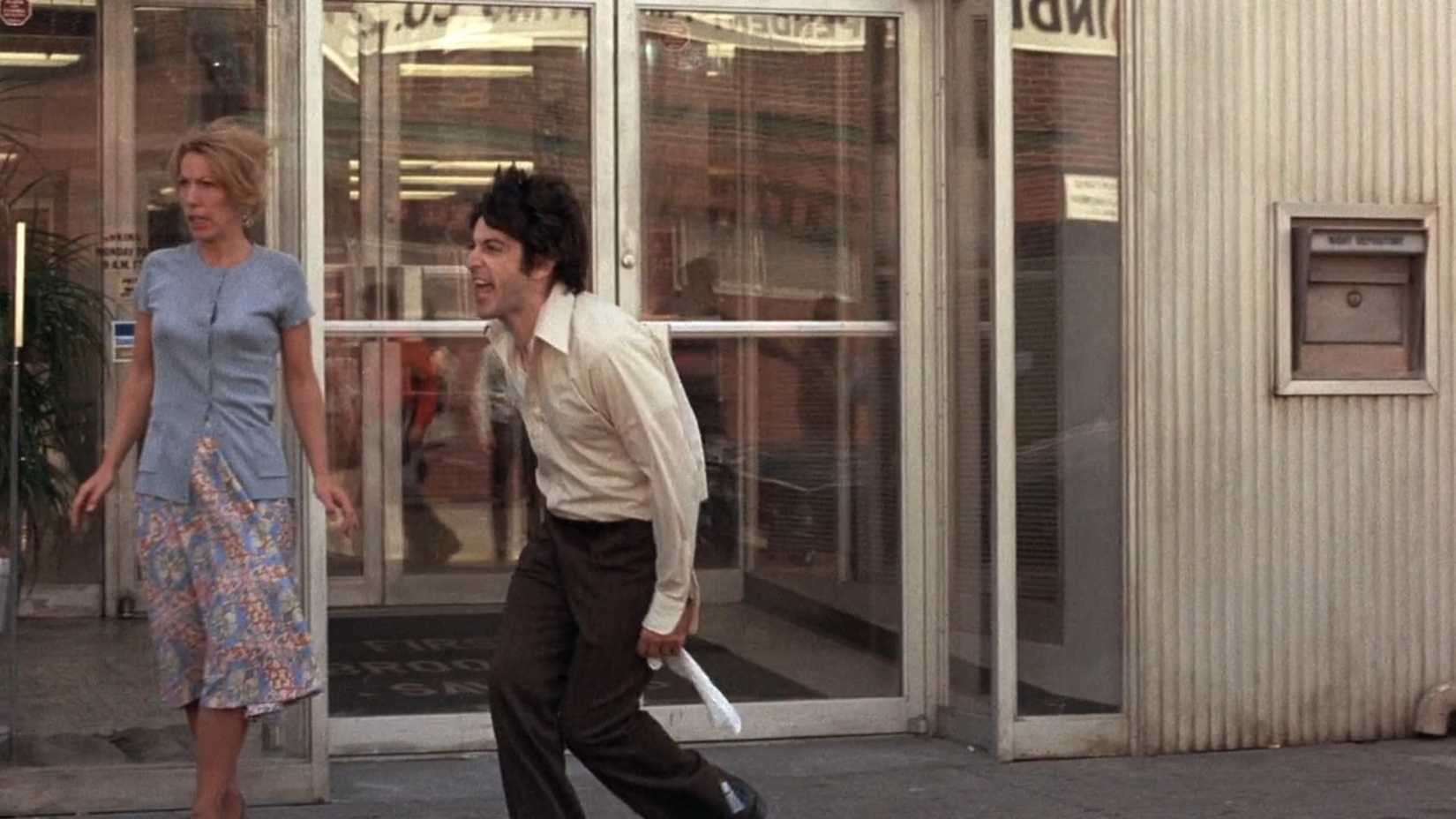
Reflecting a social media-esque phenomenon, the crowd’s support for Sonny diminishes when his bisexuality is revealed. This shift, coupled with his existing family, tarnishes his image and reflects a disquieting realism that resonates even today. The film’s portrayal of a transgender character stands out as remarkably progressive, showing that Leon is struggling, just as Sonny is. Chris Sarandon’s scenes convey that the two are just trying to live a life. Money for the operation becomes a goal, but is half-baked, and makes Sonny’s fate worse.
The opening act of Dog Day Afternoon is frequently humorous, due to its comedy-of-errors tone. Lumet and Pacino ground it, making it more impactful. This approach mirrors classic heist movies, where audience belief in the protagonist’s potential success is crucial for engagement.
Sonny’s predicament, akin to a news event spawning social media jokes before the somber reality sets in, grows increasingly dire, and the thriller elements come back. His fleeting popularity won’t save him, neither will his rapport with the hostages. Although the police try to claim they want to help, they won’t save him.
Lumet maintains a balanced perspective. The movie never misleads the audience into expecting a positive outcome for Sonny. Nevertheless, his desperation never makes him unsympathetic, as it is palpable from Pacino’s initial scenes. Sonny’s primary obstacle is a lack of funds, vital for both his family and Leon. Like many desperate individuals, his chosen solution is illogical but stems from deeply rooted feelings. The historical details may have faded, but Dog Day Afternoon’s central message persists: the film is about people backed into a corner, feeling as though they have no other option.
Dog Day Afternoon is currently available for streaming on HBO Max.