
The horror genre struggled through the early nineties. The wave of slasher films from the ’80s had subsided, and the start of the new decade brought concerning signs. In 1991, we saw what seemed like final sequels for iconic villains like Freddy Krueger and Chucky the killer doll. Then, in 1992, celebrated director John Carpenter offered his take with a movie about an invisible man, featuring Chevy Chase in a role far from monstrous. By 1993, looking at top-grossing films, the closest thing to horror was The Nightmare Before Christmas. And in 1994, Sony’s attempt to revive the classic Universal monsters with big-budget, star-studded films aimed at adults faltered when Mary Shelley’s Frankenstein underperformed. This set the stage for Scream in 1996 to revive the slasher subgenre and revitalize horror overall.
However, the true resurgence of horror began a year prior with the release of Seven in 1995. David Fincher’s movie, a serial killer tale starring Morgan Freeman and Brad Pitt as detectives investigating murders based on the seven deadly sins, wasn’t explicitly marketed as horror. While it is a police procedural, a mystery, and a thriller, it’s also arguably one of the most deeply unsettling films ever released by a major studio within these categories. In the growing horror-themed collectible market, you won’t find John Doe figurines. But looking back 30 years later, Seven’s significance within the horror landscape becomes more and more apparent.
Serial killer films were popular around this time. A film featuring Sigourney Weaver and Holly Hunter, titled Copycat, unfortunately was released just after Seven. Through the 90s, actors like Michael Douglas, Denzel Washington, Bruce Willis, and many others all took their turn hunting these kinds of outrageous personalities. These films stemmed from the neo-noir and erotic thrillers of the ’80s, though the emphasis often moved from sex to acts of violence.
Seven certainly contains these elements. What little sex is hinted at within the story is linked to horrific violence. The tone and style of the film redirect it to the noir genre that inspired numerous thrillers of the 80s and 90s; thrillers that shared German Expressionism characteristics with early horror. Fincher takes it a step further. While on-screen murders aren’t explicitly shown, the precisely created crime scenes that Detectives Mills (Pitt) and Somerset (Freeman) investigate are incredibly gruesome and disturbing.
Many serial killer movies have been violent without truly feeling like horror, but Fincher elevates the film to a point beyond movies like The Bone Collector (or even Silence of the Lambs, which is often regarded as a significant horror achievement and Oscar winner). The city where the murders happen is constantly drenched in rain, thick with shadows, and filled with the remnants of damaged lives. When Mills seeks comfort at home with his wife Tracy (Gwyneth Paltrow), their apartment regularly shakes from the trains passing by. Even in the warmest scenes, nothing in the movie feels pure or clean.
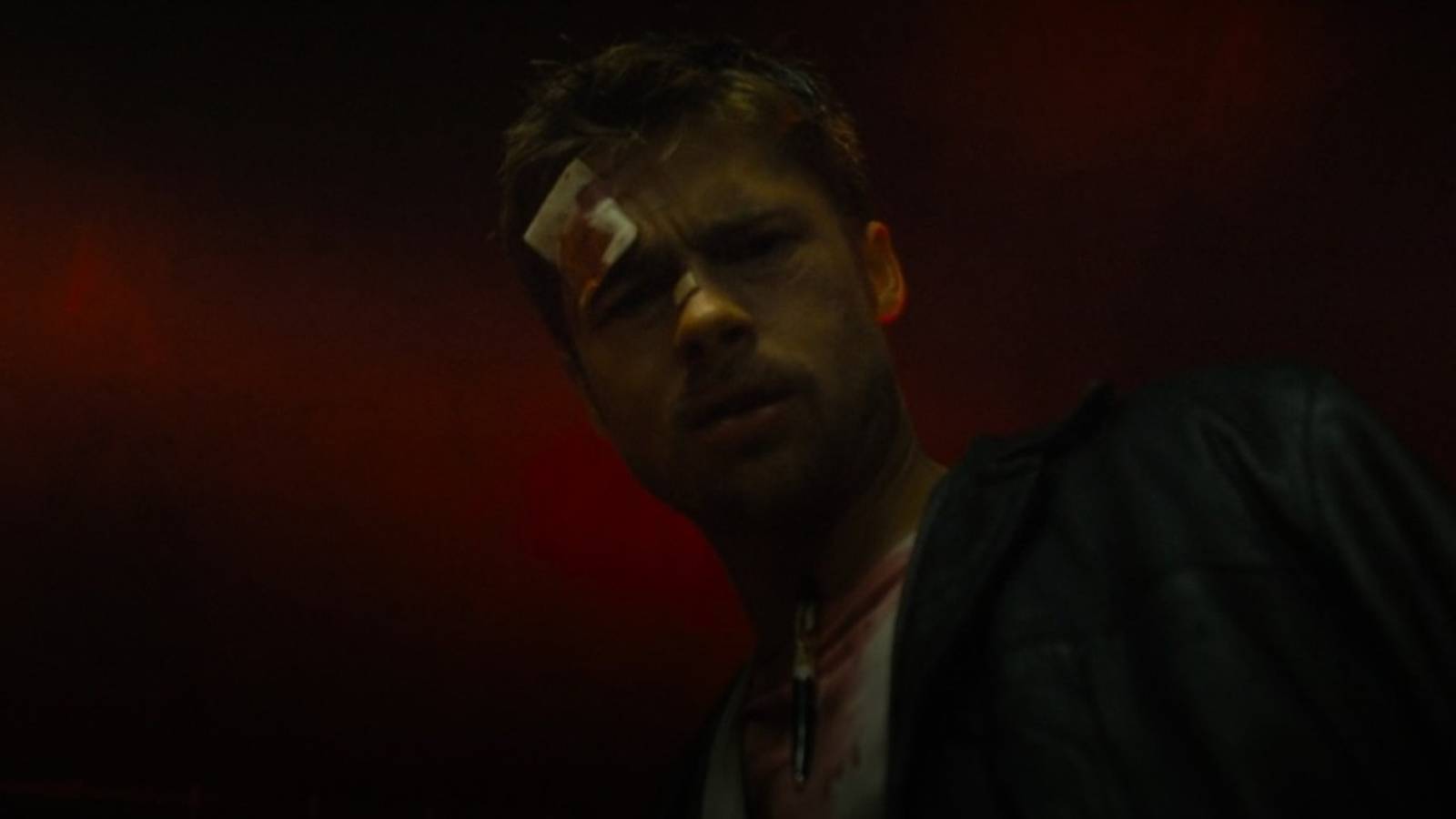
Naturally, the killer’s apartment is far worse. Lit only by police flashlights, a red neon cross, and other (mostly red) lights in a makeshift darkroom, it’s a real house of horrors shrunk down. During the extensive tour – the film spends a full seven minutes in this setting – Mills finds more photos developing in the killer’s bathtub. They are photos of him, suggesting that a mysterious figure the detectives met earlier, and thought to be a tabloid photographer, was actually their suspect. They were just steps away from him. This mystery twist creates a chilling, spine-tingling moment of true horror. Of course, worse shocks are yet to come, and upon repeat viewings, the ending is even more disquieting. The shock wears off, and the film becomes an atmospheric march toward the inevitable, pulling dread from its first encounter with sunlight as the characters drive out of the city.
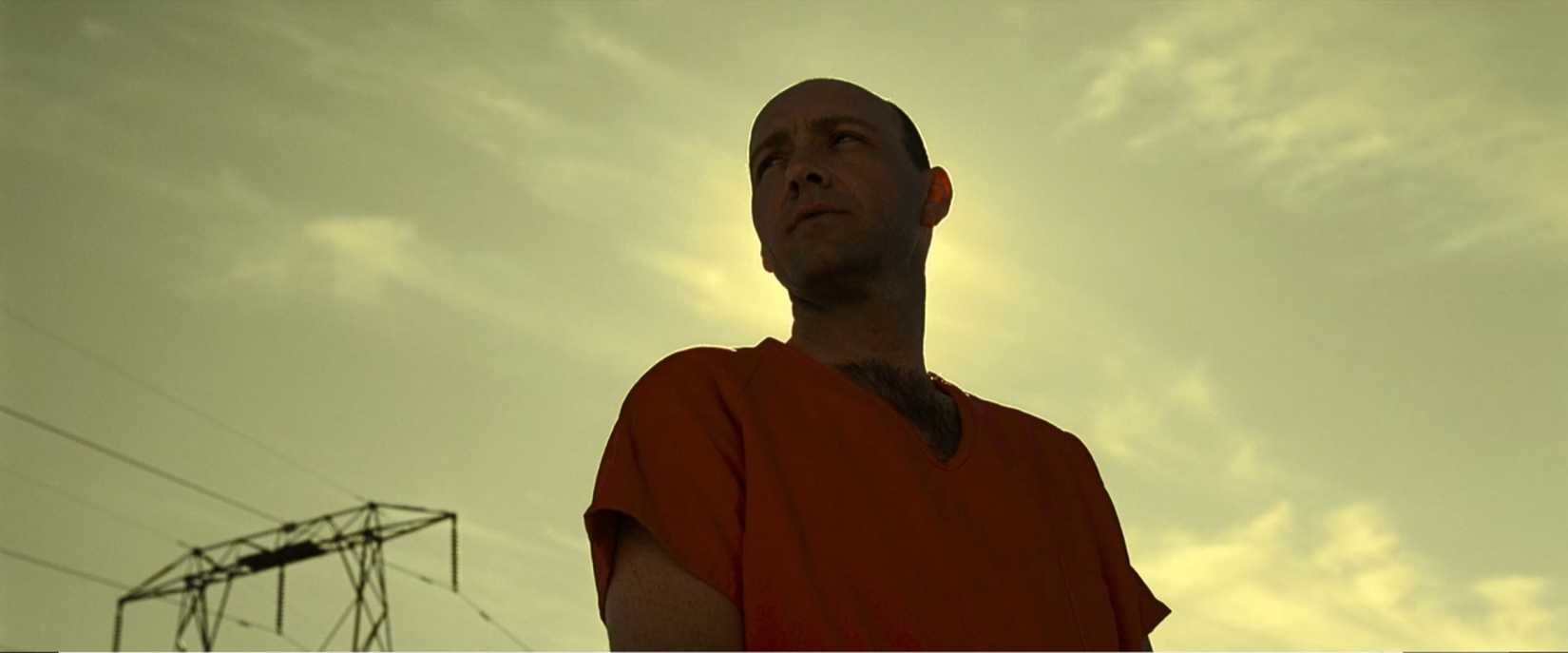
The city and its outer regions are a step or two worse than the hellish world of The Crow, visually. However, they’re even more frightening because Fincher’s film is grounded enough to resemble an imitation of reality, while intentionally refusing to be pinned down to any recognizable location. The film was shot in Los Angeles, but it doesn’t look like it. Fincher uses crowded interiors, shades of brown and green, and uncharacteristically dismal weather to eliminate any sense of typical Southern California happiness. The filmmakers are suggesting it could be any city, so watch out.
Looking back three decades later, at a time when news outlets and political figures are painting many cities as depraved and crime-ridden, Seven’s filmmaking sometimes feels like it’s supporting this viewpoint, next to John Doe’s victims. This makes more sense (or seems less exploitative) in a horror movie, which is inherently designed to play on our worst fears and instincts. Thrillers can also do this, as can any movie. But horror owns its manipulations. It feels less insincere when the movie acknowledges that it’s trying to frighten you, rather than spreading fear through friendlier genres.
In a sense, labeling Seven as a crime thriller undermines it. Not because it rises above the genre; its story isn’t that complex. The two main characters, while stock types, are portrayed with energy by Pitt and Freeman. (Has Freeman ever delivered so much with such a familiar role?) The killer’s motives come across as designed to impress teenagers, perfect for Kevin Spacey’s flamboyant performance as the killer. As philosophy, the killer’s philosophizing is quite shallow, and the screenplay doesn’t offer its own thematic critique. It’s a bleak world full of sin. As drama, Seven can feel self-congratulatory, particularly when compared to Fincher’s later masterpiece, Zodiac, a better film in virtually every way. As horror, however, Seven is an unforgettable experience that helped return the genre to its dread-filled roots.