
Discussing “Dying Light: The Beast,” the newest entry in Techland’s open-world, zombie-infested, parkour-driven saga, requires acknowledging its inception. Now sold at full price as a complete game offering approximately 20 hours of gameplay (which was enjoyable for the most part), “The Beast” began as a planned expansion for “Dying Light 2.” The latter title, over several years, has undergone significant evolution and adaptation, mirroring the ever-changing nature of its genetically enhanced, ferocious monsters.
Already a substantial game, though not reaching the originally stated scale by Techland, “Dying Light 2” has evolved into something akin to a live-service experience. This includes daily objectives, faction-based reputation systems, optional purchases, constantly escalating New Game Plus cycles, and even a roguelike game mode. “Dying Light 2’s” depictions of gore have grown more graphic, and its parkour has become more accessible (no longer constrained by a stamina meter). Furthermore, firearms have been integrated, contradicting the unique, quasi-medieval, post-apocalyptic setting.
Depending on individual viewpoints, these alterations have either saved or irreparably damaged the game. Regardless, the “Dying Light 2” available today is a vastly different product from the version experienced by Matthew Castle back in 2022. “The Beast” offers a fresh start, allowing Techland to retain desired features from “DL2’s” vast collection while discarding some of the initial game’s heavier elements.
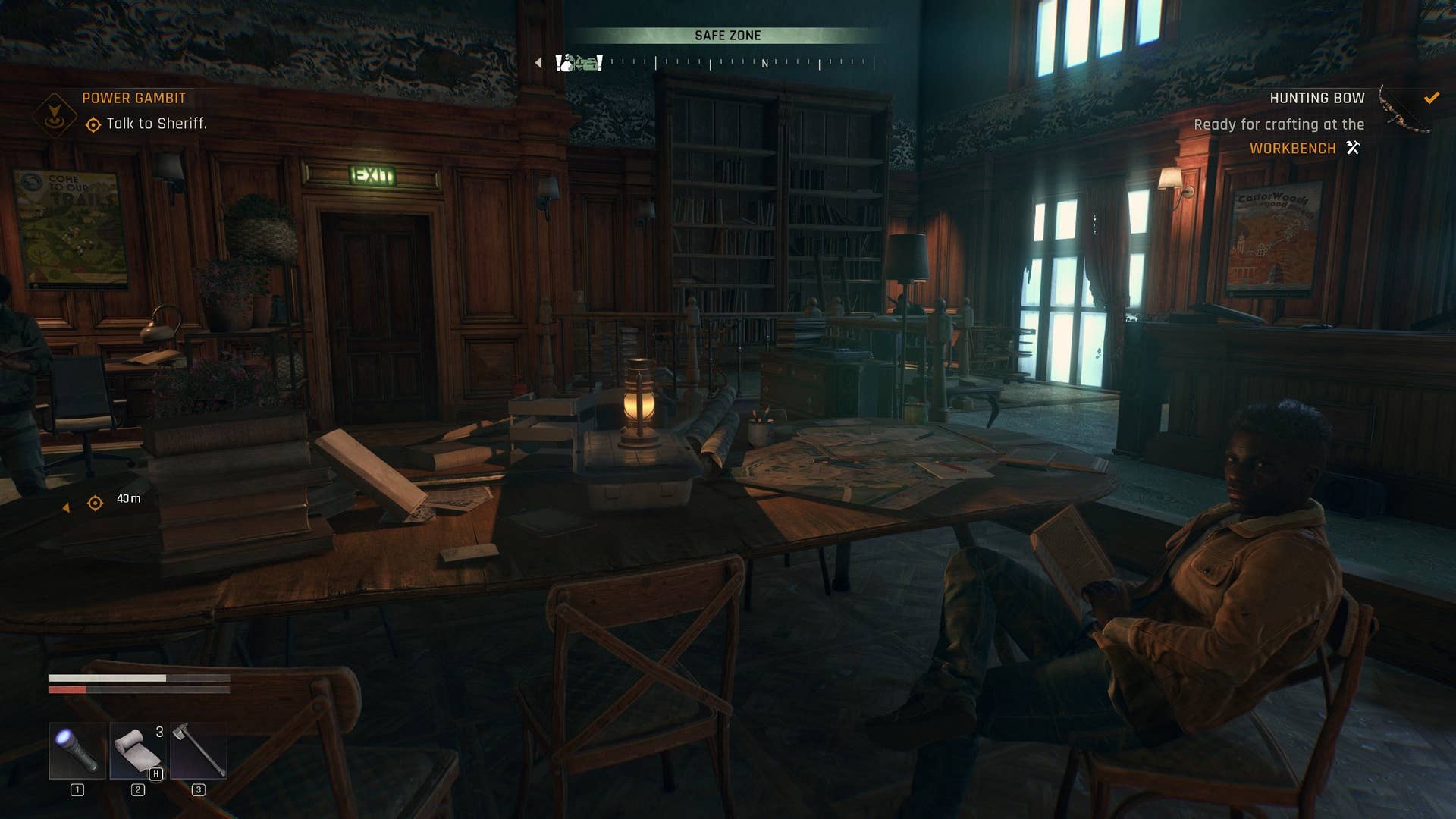
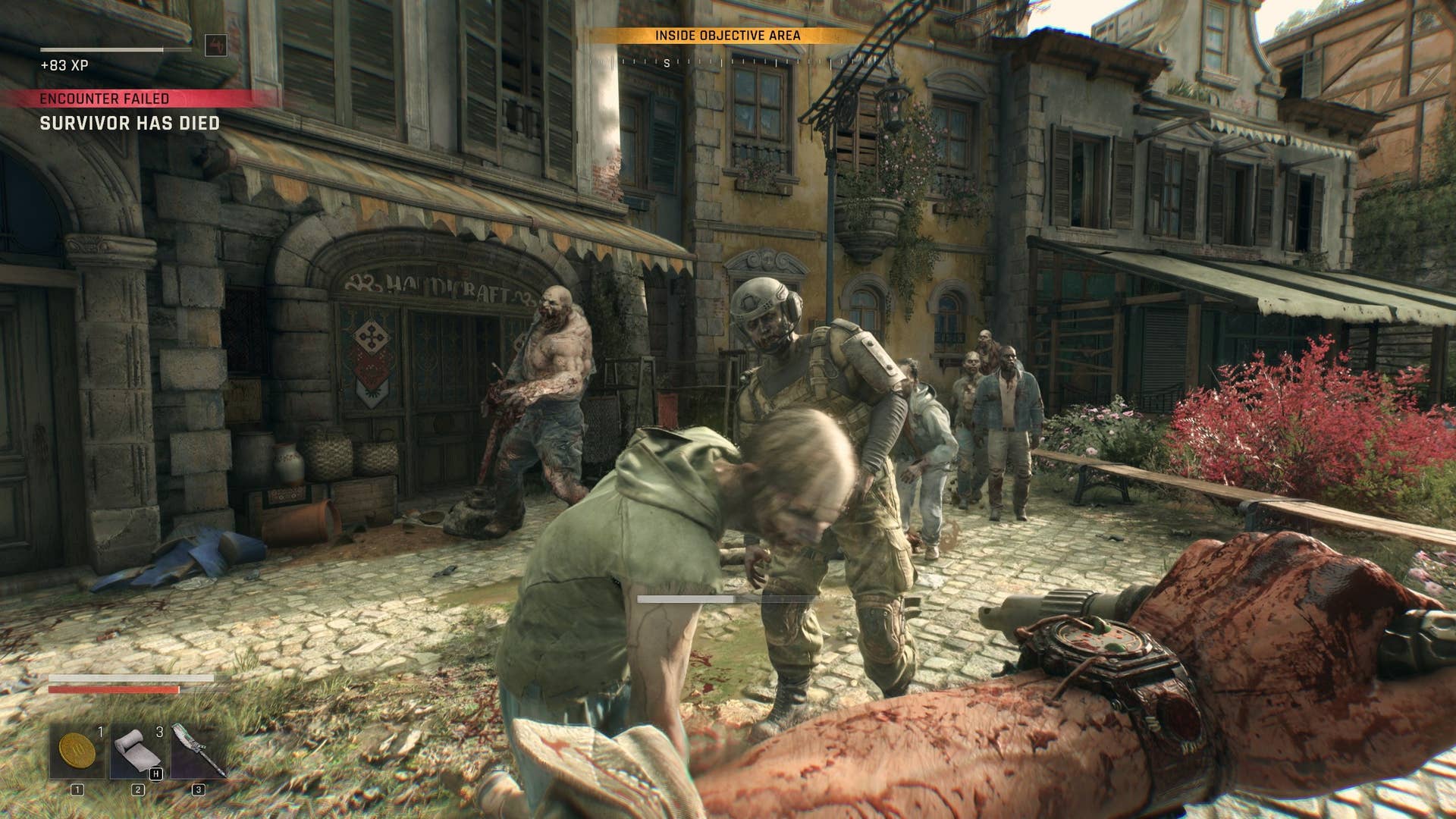
The game transports players to the Alps, specifically the picturesque Castor Woods nature reserve. This area encompasses a densely populated, historic tourist town, surrounded by smaller industrial and residential zones, as well as a combination of forests and mountain trails. Without the swarms of undead, it would serve as a peaceful location for a leisurely walk.
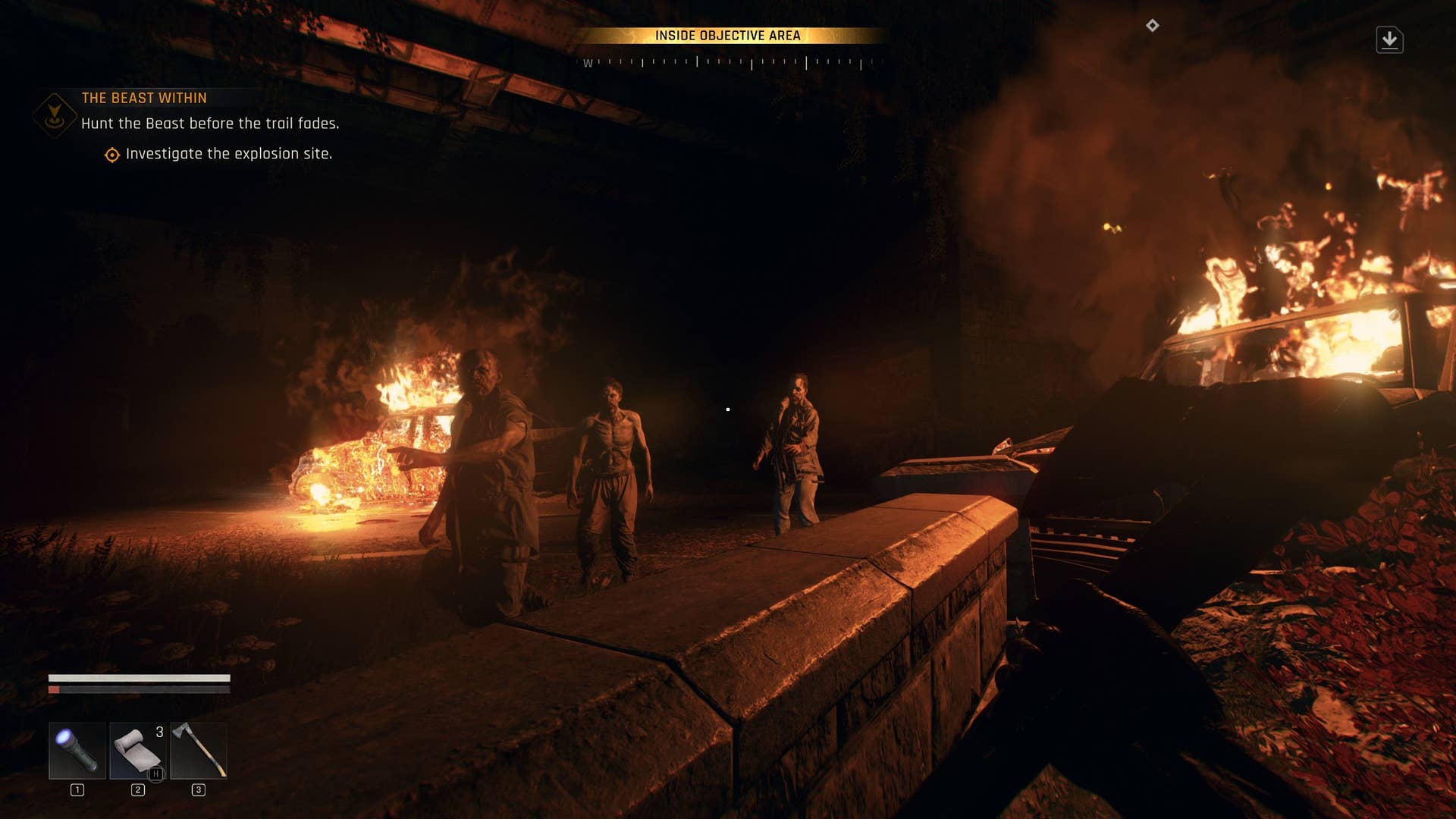
The game’s impressive lighting creates visually appealing experiences from sunrise to sunset. However, the night is almost pitch-black, infested with near-invulnerable ‘Volatile’ zombies, making it best to sleep through after returning to a secure safe room. Despite the marketing highlighting the return of terrifying nights, the majority of the time was spent avoiding them, except for a few mandatory stealth and pursuit sequences.
Vehicles, last seen in “Dying Light 1’s” sizable “The Following” expansion, assist in navigating the mountain trails. These cars are easy to find, easy to refuel, and offer relatively safe transportation between locations when rooftops are not available for traversal. However, “DL2’s” glider (useful for navigating between elevated rooftops) and fast travel, which aided in navigating the sequel’s large urban setting, are absent.
Strangely, the result isn’t a clear victory or defeat. Navigating on foot and constantly remaining aware of threats has a certain appeal, but the forests and fields surrounding the main town lack the navigational complexity found in Villedor’s streets and skyscrapers. The cars alleviate this less engaging travel, but in doing so, feel like a solution to a problem that didn’t need fixing.
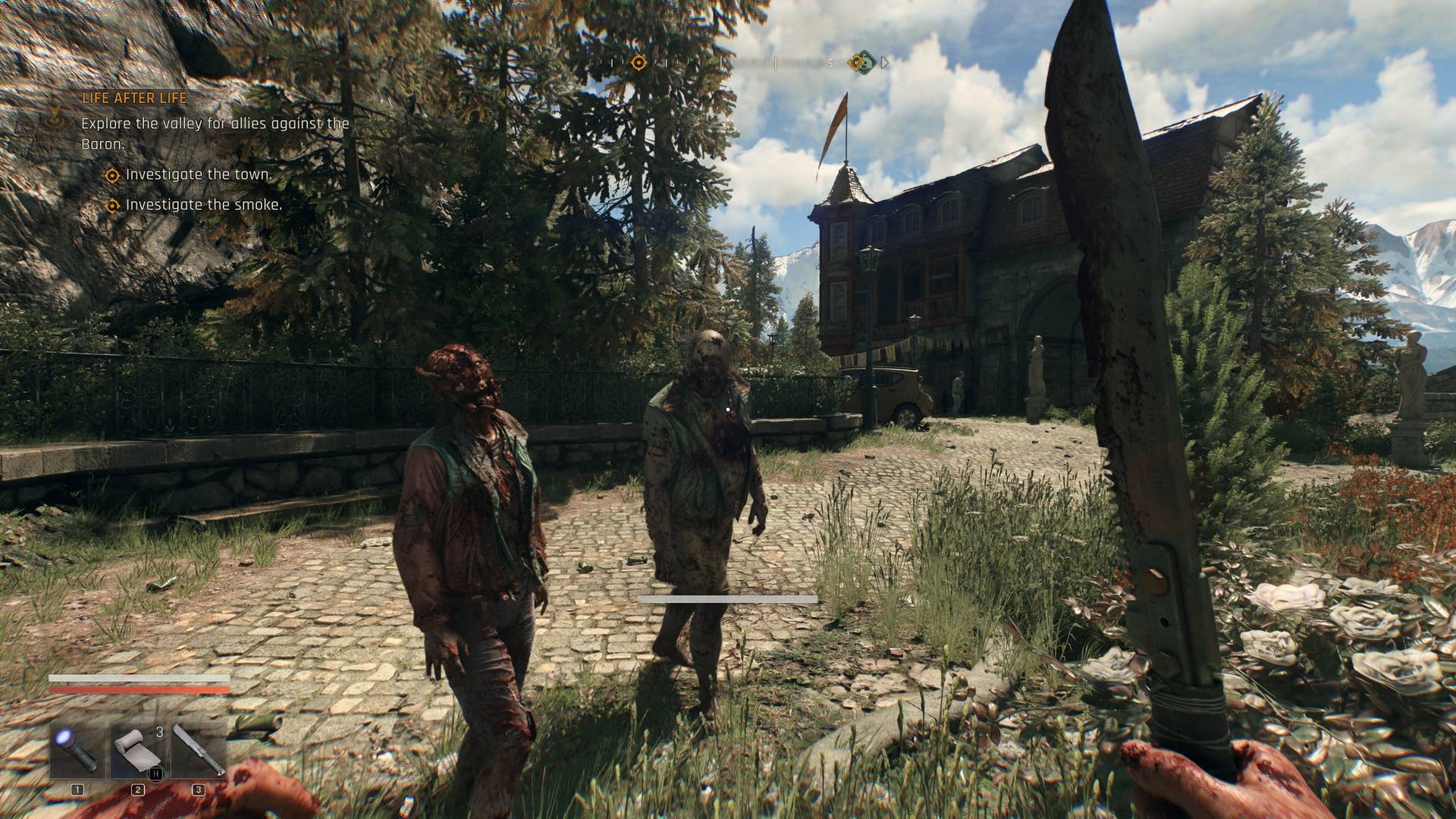
The shift towards more empowering combat options is another aspect that elicits a neutral response. Melee combat closely resembles the current state of “Dying Light 2,” with stamina solely used for combat actions, unlike the previous system where any intense or rapid movement would drain it. The combat remains satisfying, characterized by powerful impacts and gruesome audio feedback, and enhanced by exceptionally detailed damage modeling on the undead.
The introduction of on-the-fly weapon repair, practically free and instantaneous, further encourages constant combat. While any given melee weapon can only be repaired a limited number of times, the player will likely find replacements before a weapon breaks entirely, making the repair system largely inconsequential.
The main new addition is the ability to enter Beast Mode. By engaging in melee combat, players build up an anger meter on the HUD. When full, the character unleashes powerful attacks with bare hands (triggered automatically at first, then manually after defeating certain bosses) and gains temporary invincibility, tearing zombies apart.
It’s satisfying and extremely gory, functioning as both a room-clearing ability and a way to quickly deplete boss health. It is essentially an “I don’t want to deal with zombies today” button, in a game that revolves around battling zombies. While fast travel has been removed, it has been replaced with faster combat, which is further enhanced by defeating bosses.
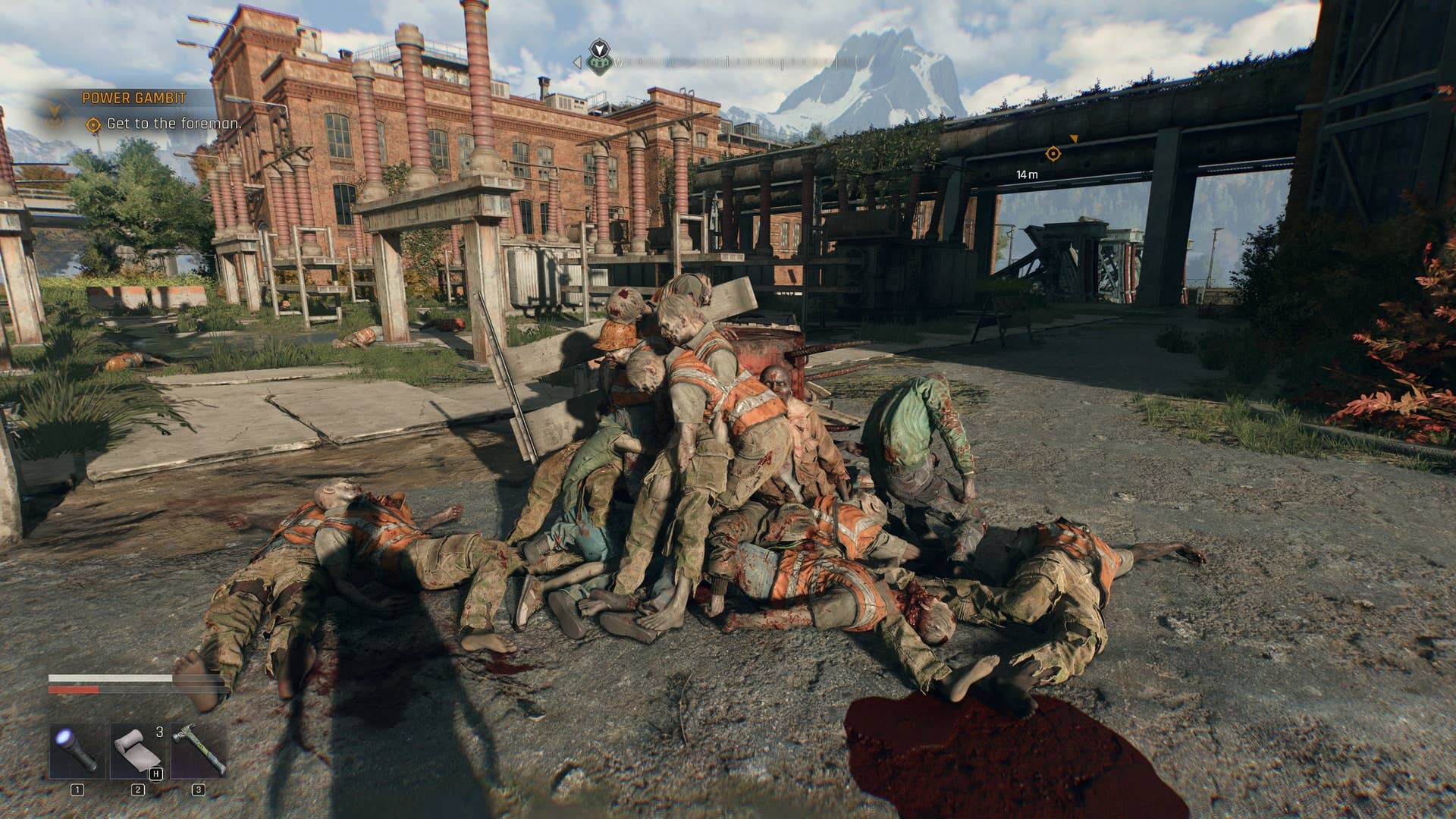
As someone who enjoys “Dying Light 2” in its current form, “The Beast” was also enjoyable, largely due to its leaner focus on the core “DL2” gameplay loop. Gone are the various factions, reputation grinding, daily quests, and other live-service elements of the main game. The only stat to really monitor is the player level (determining basic combat effectiveness). However, there were only a couple of instances where the player was deemed too weak to progress the main story, prompting a temporary detour to complete a side mission.
Even Dark Zones, the often expansive urban dungeons in “Dying Light 2,” have been reduced to larger-than-average interiors that can be cleared of zombies and searched for resources. Unlike “DL2”, there’s no need to wait until night to explore them. This game discourages lingering in any one location for too long. While the longer, more involved city dungeon dives are missed, the removal of unnecessary padding improves the pacing of the story, however cliché it might be.
Speaking of the story, it features the return of Kyle Crane from the original “Dying Light”. Previously a blandly optimistic protagonist, he has spent thirteen years being tortured and experimented on by The Baron, a gleefully unhinged scientist. After escaping and embracing his new identity, Crane seeks revenge and vows to achieve it at all costs.
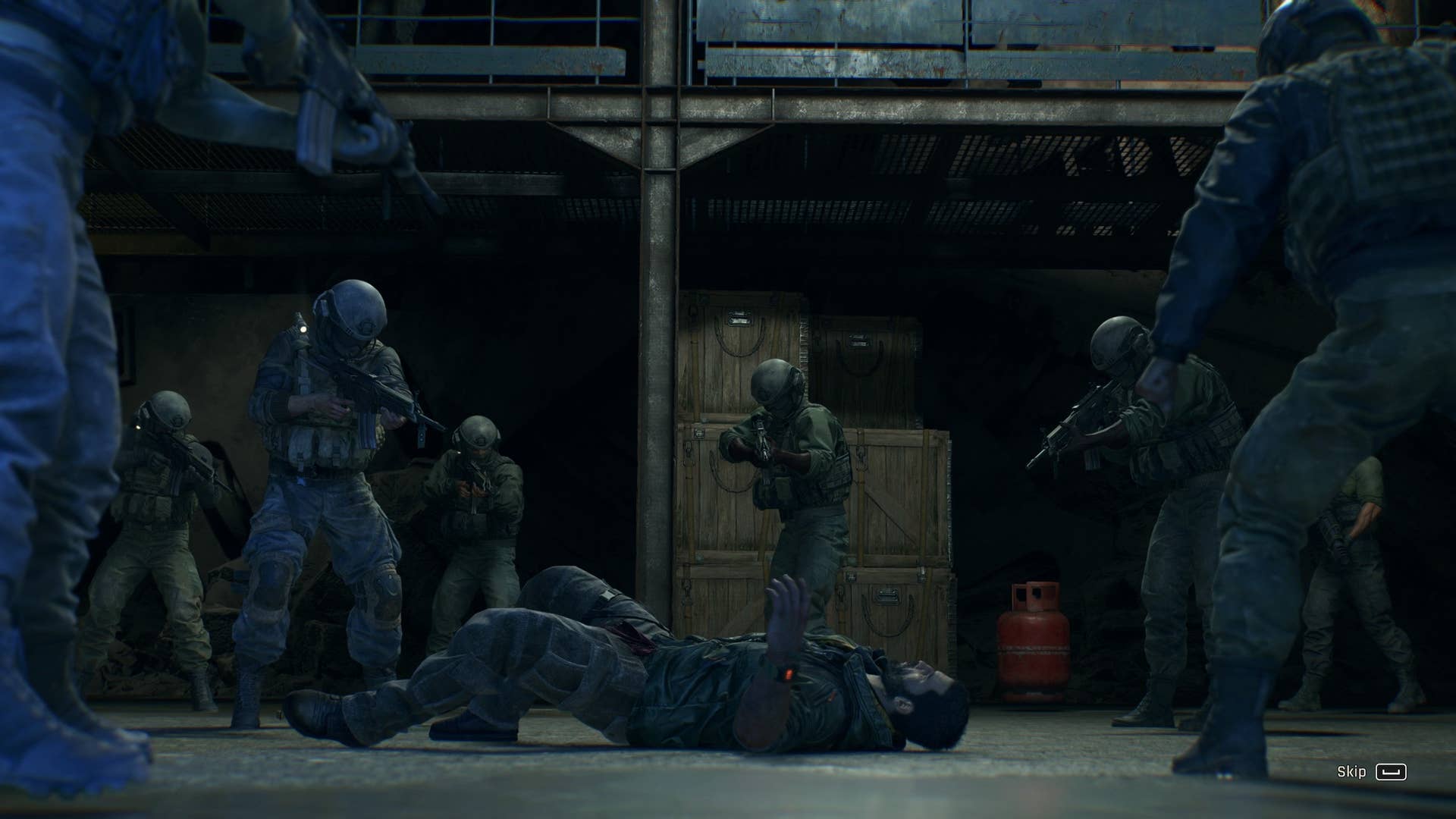
His solution is to befriend the local population, level up his abilities (to regain lost strength), and extract mutagenic power-ups from the boss monsters he defeats, which enhances his Rage Bar abilities.
Despite looking like a stereotypical grim, vengeance-driven action hero, Kyle possesses the personality of a golden retriever. Apart from passively referring to some women as ‘bossy’ and asking others to be concise, there is little in the dialogue to suggest that this man spent roughly a third of his life in a scientific torture facility. This encapsulates the series’ persistent issue of attempting to blend gritty personal drama (often in side quests) with comic book excess, but falling short of both. Fortunately, the villain elevates “The Beast” into a realm of campy action-horror.
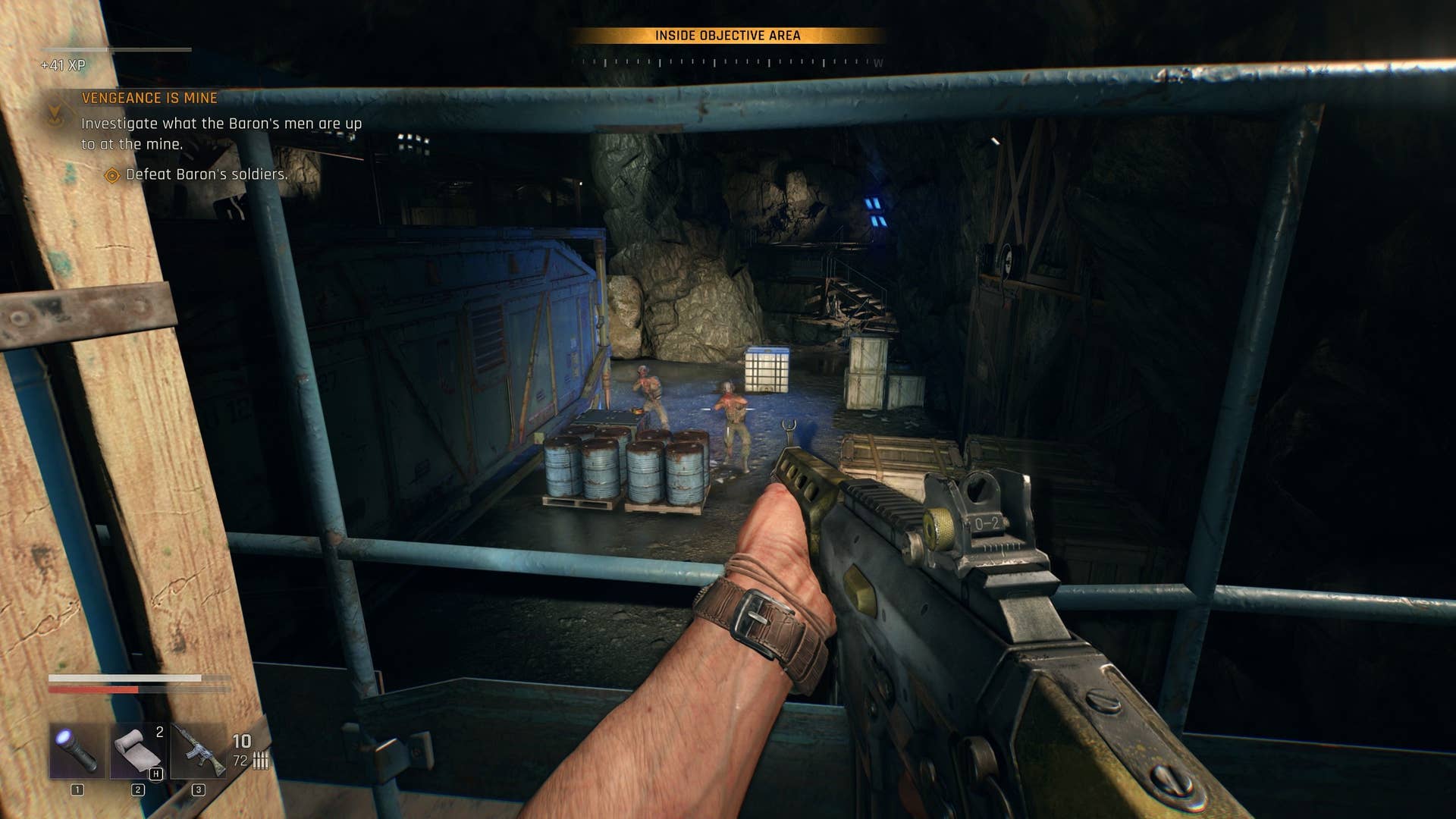
The Baron, fully embracing the role of an aristocratic evil genius with endless resources, a mountaintop villa, and a vast network of laboratories, is wonderfully over-the-top. His sole purpose seems to be creating progressively more dangerous mutants, most of whom escape confinement and slaughter his countless gun-toting soldiers, who seem to exist only to die and supply ammunition to the player.
He acts like Albert Wesker without any regard for consequences, unflappable in the face of his self-made disasters. He displays a particular disregard for workplace safety, even among zombie horror villains. He embraces each escaped creature as an opportunity to field-test a new monster. Even Umbrella Corp would be considering calling in OSHA inspectors after witnessing this man at work.
That ridiculousness drives “The Beast.” Although a few side quests attempt to deliver resonant personal stories, they never fully succeed. The Baron, however, always provides over-the-top antics and a new monster-of-the-week encounter to punctuate the campaign.
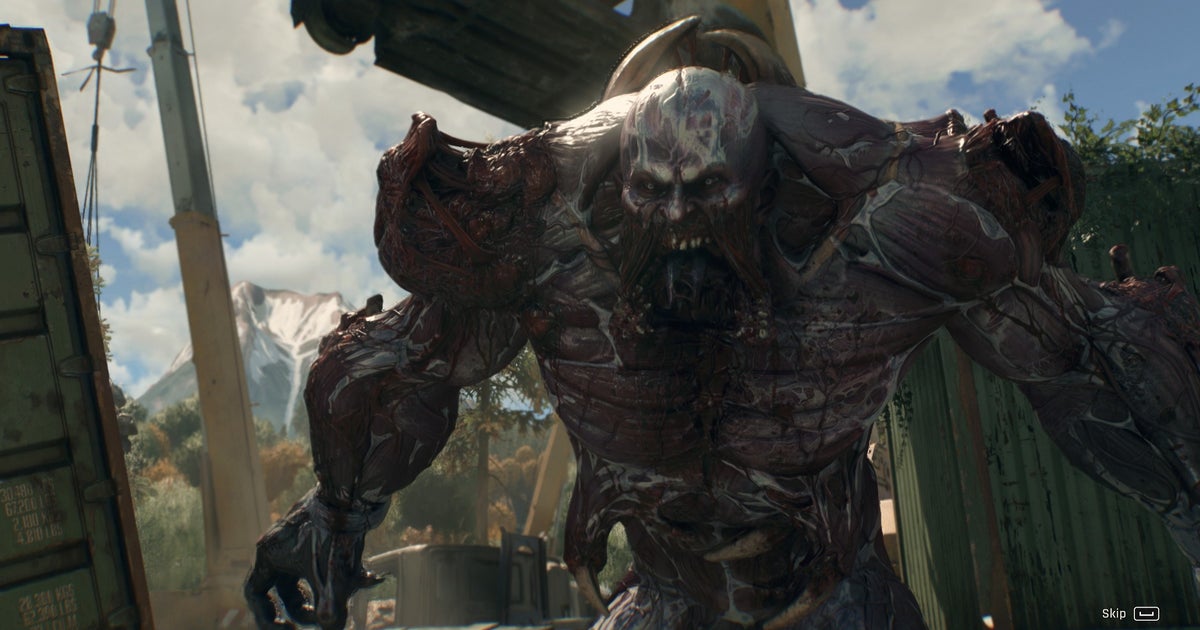
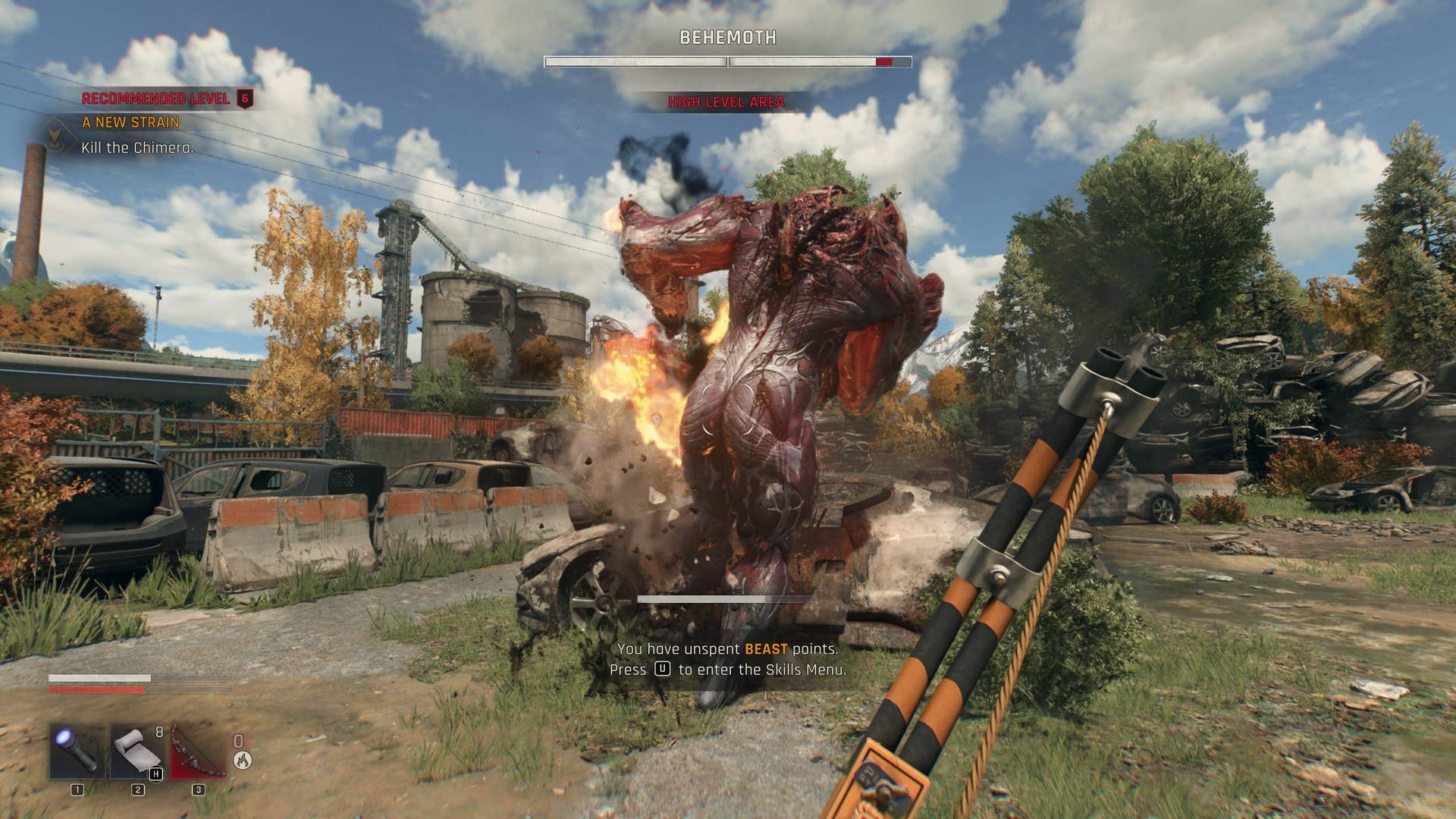
The boss fights usually involve enhanced versions of the various ‘special’ zombies encountered in the open world. These fights are dramatic, enjoyable excuses to use the consumable explosives and ammo packs that have been accumulated. However, they are somewhat lacking in imagination, particularly later in the game, with the hulking Behemoth (a large, skinless muscle-monster with Hulk-style ground slams) being reused multiple times.
Combat against Behemoths involves dodging a predictable sequence of attacks until the player can attack its muscular backside. The final stretch requires battling multiple Behemoths simultaneously. This limitation is reasonable for an expansion, but more imaginative, Resident Evil-inspired mutants with excessive limbs and shootable weak points would have been welcome, though that might deviate from Dying Light’s core melee gameplay.
The problem with “The Beast” is that, while its streamlined design is appealing on paper, some of the removed elements served a purpose. Despite its flaws (daily quests and weekly grinds), “Dying Light 2” created a sense of immersion, allowing players to feel as though they were living in the game world. Were it not for other demanding games, it could have been a comfortable go-to title. “The Beast,” however, feels all business.
The impressive lighting and dense foliage also have a performance cost. Even with a powerful PC (an RTX 4090), DLSS and frame generation were required to achieve consistently smooth frame rates at 3440×1440 ultrawide resolution. While a launch-day patch improved the situation, a powerful system is needed to experience the game at its full potential. Extracting thermal paste from other peoples PCs is probably not an option.
“The Beast’s” unusual position as a standalone expansion creates a complicated value proposition, although a much simpler one for those who purchased the Ultimate version of “Dying Light 2,” where it is heavily discounted. If you own the Ultimate edition, just go play it.
For those considering the £50/$60 price tag, “The Beast” is a good Dying Light game and a good open-world zombie game in general, featuring satisfying combat and simple but rewarding progression loops. Whether it’s the best in the series depends on how much the player disliked “Dying Light 2’s” overstuffed design, and whether the same mechanics without the filler sounds appealing. Newcomers may be better served by purchasing “Dying Light 2” during one of its frequent sales.
While “The Beast” was enjoyable to play through, I feel like I’ve had my fill of Techland’s style of open-world design for the time being. However, if the zombie parkour itch returns, I would prefer playing Dying Light 2.