
“I’m going to tear out your eyes, then drown you!” This menacing mantra, the chorus of a catchy tune by the Hades 2 in-game band, Scylla and the Sirens, has been echoing in my head for over a year. It’s an unbelievably infectious jingle, one that rivals even the most memorable pop hits.
Revisiting Hades 2 after its full release, I found those same lyrics stuck in my head just as persistently as when I first battled Chronos during the game’s early access period. While this deliberately irritating tune should, by all accounts, be annoying, it isn’t. Like so much of Hades 2, repeated journeys through the underworld and toward Olympus rarely become tiresome.
This isn’t due to any lack of effort on the part of the game’s challenging monsters, chatty deities, or formidable titans. Hades 2 presents a significant challenge, especially for those reluctant to utilize the optional God Mode, which gradually enhances Melinoë’s resilience, allowing her to withstand more damage. During my return to Supergiant’s anticipated sequel, I dedicated most of my time to exploring the extensive endgame content, often with God Mode enabled to varying degrees.
Following the recent conversations around difficult games, some might criticize me for using God Mode. However, Hades 2’s implementation, which reacts to player struggles, allowed me to experience the acclaimed challenge, albeit on my own terms. While some might argue the struggle isn’t genuine if it’s self-imposed, I’d argue that accessibility options allow more players to enjoy the game.
Returning to a more serious tone, Hades 2’s enduring appeal stems from its balanced approach. It provides ample encouragement alongside its challenges. While setbacks are frequent, they never feel like stagnation. Each defeat unlocks new strategies and opportunities to improve using acquired resources. Similar to the original Hades, Supergiant’s beautifully realized interpretation of Greek mythology contains hidden pathways and secrets revealed with repeated playthroughs or through strategic use of the Crossroads’ cauldron.
Having previously defeated Chronos and received a rather cryptic message suggesting the ending wasn’t yet available, I initially continued my playthrough with the victorious save. This led me into Melinoë’s more substantial task: permanently ending Chronos’s reign and repelling his siege on Mount Olympus. This involved navigating back to the House of Hades and collecting the necessary ingredients for a potion that would grant Melinoë immunity to the surface world’s lethal properties, enabling her to venture into the new areas introduced in the 2024 Olympic update.
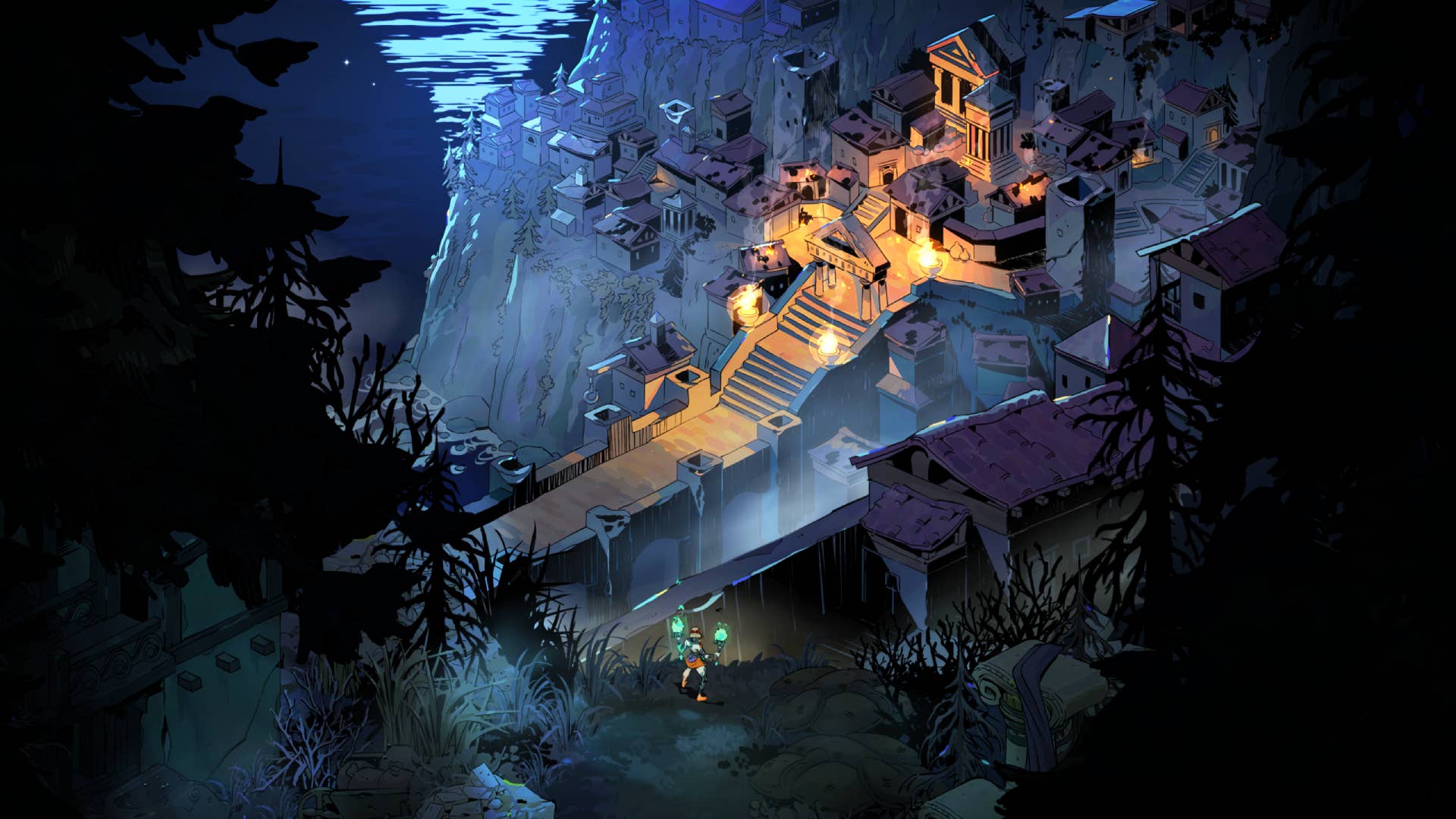
While it took some time to readjust to the gameplay, Hades 2’s memorable characters quickly reminded me of their initial appeal. Melinoë, while not as outwardly sassy as her brother Zagreus, possesses her own sharp wit, particularly evident in her interactions with the Siren sisters. Her stepmother, Hecate, and mentor, Odysseus, guide her on her quest to defeat Chronos, who has abducted her family and the forces of fate as part of his elaborate revenge plot.
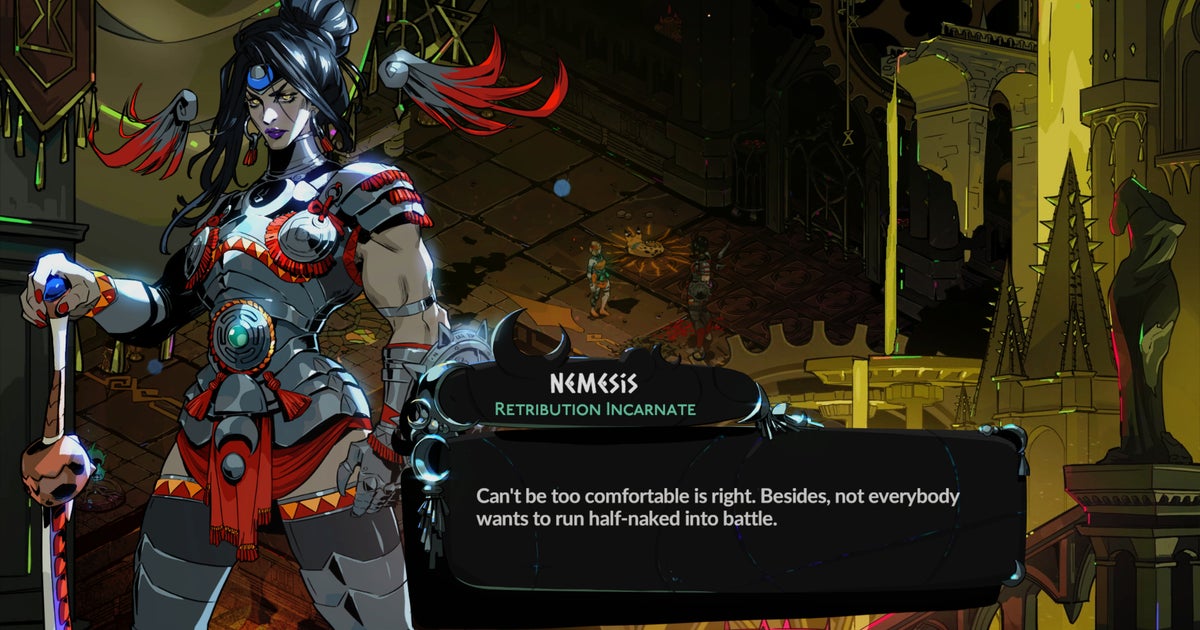
Everywhere you look, vibrant personalities, brought to life by excellent voice acting, enrich Melinoë’s journey. Witty household shade Dora injects comedic relief, balancing the weighty themes of fate and destiny. Returning and new Olympian gods offer boons, acting as quirky relatives bestowing powerful gifts. Nemesis, the surly older sister figure, stands out as a personal favorite. Her initial grumpiness evolves into a friendly rivalry as you build rapport, mirroring her growing affection for Melinoë.
Runs often present unique encounters; Nemesis may challenge you to withstand her attacks or defeat enemies within a time limit for a begrudging compliment. Later, you might stumble upon Dionysus hosting a pool party amidst the chaos of Olympus’s invasion. Nearby, a giant automaton, a fearsome beast, or an exceptionally aggressive rat awaits, ready to test your skills. While the two paths—one leading to Chronos, the other to the massive Typhon—remain constant, the game continuously introduces fresh encounters and challenges on each run.
The gameplay loop follows the familiar Hades formula: collect boons that augment abilities with divine powers, enhance weapons with Daedalus hammers, and boost health with Centaur Hearts. Dash through enemy-filled rooms, unleashing vibrant attacks. Take advantage of the new magick system to amplify strikes, casts, and specials. These magick-enhanced abilities require a longer charge time, initially frustrating those accustomed to immediate damage. However, mastering their use significantly enhances combat potential.
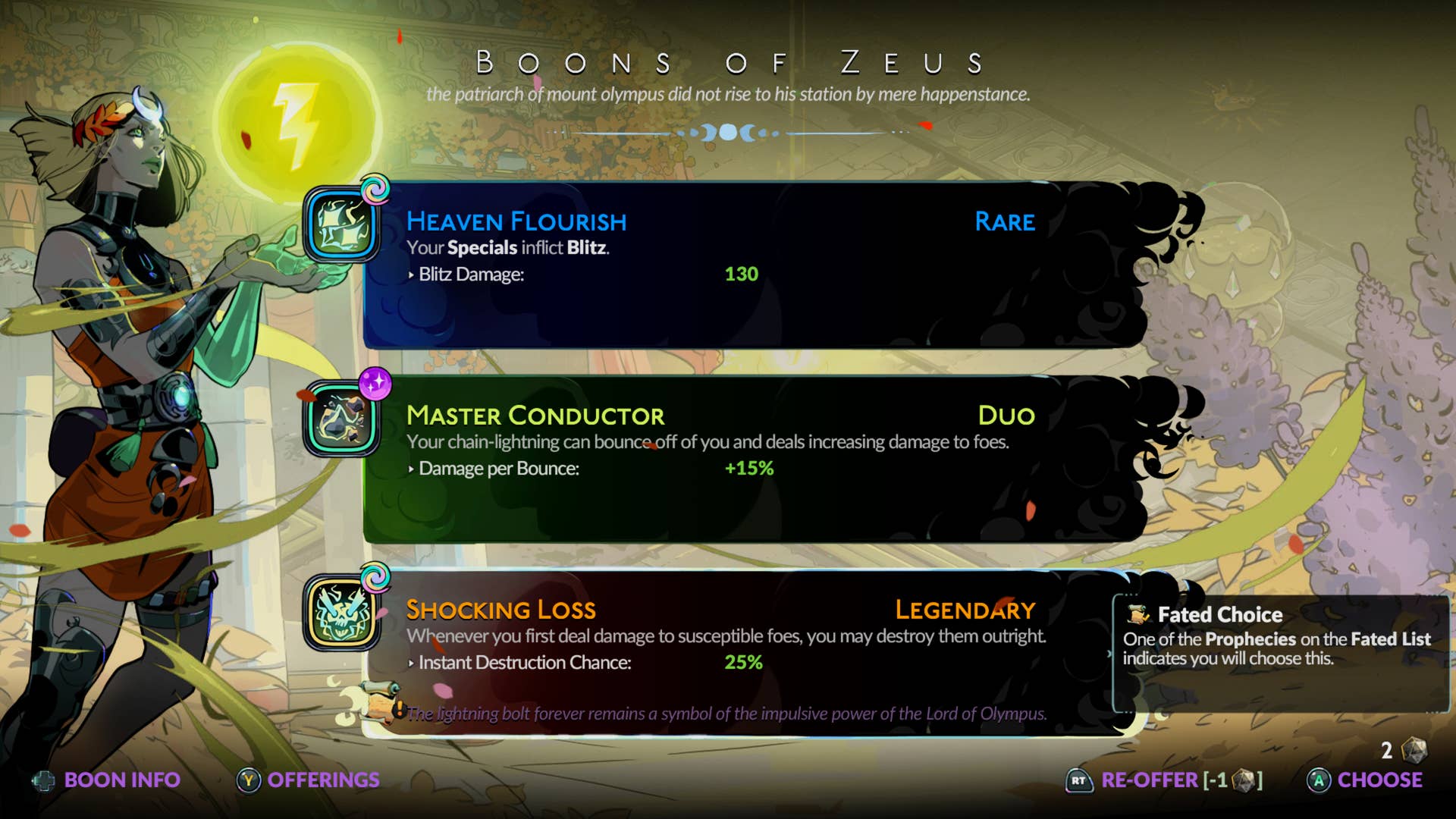
Many boons and abilities offer significant power in exchange for a portion of magick reserves, making the magick system useful even for players who prefer button-mashing tactics. I leaned towards this approach with the Sister Blades, my preferred weapon early on. As I delved deeper into the endgame, I branched out and experimented with other armaments.
Supergiant has skillfully balanced and refined the six main weapons throughout Hades 2’s early access updates, offering varied upgrades and combat styles. Despite my usual aversion to slower attacks, I enjoyed the powerful swings of the Moonstone Axe’s Aspect of Thanatos. The Argent Skull, functioning like a revolver, truly shines with its Aspect of Persephone, launching bursts of shells. It’s noteworthy that even after unlocking the potent Black Coat, with its missile-firing capabilities, it became part of a regular rotation rather than replacing other weapons entirely.
There doesn’t appear to be a weak link among the gods offering boons; nearly every run yields a viable and exciting build. Early on, I favored Demeter’s freezing abilities. My strongest builds have often combined those with Zeus’s lightning for sustained damage, Hestia’s burning effects, or Poseidon’s knockback. As you progress, fresh boons from Ares and Hera become available, providing welcome variety.
Conversely, unless specifically seeking boons from a particular god, I tended to rely on the same keepsakes at certain stages of each run. More compelling alternatives to items like the Silken Sash or Evil Eye might have encouraged greater experimentation. Additionally, Selene’s hex, designed for magick-heavy builds, proved somewhat divisive. While turning enemies into sheep is entertaining, its upgrade tree lacks the streamlined appeal of other augmentations.
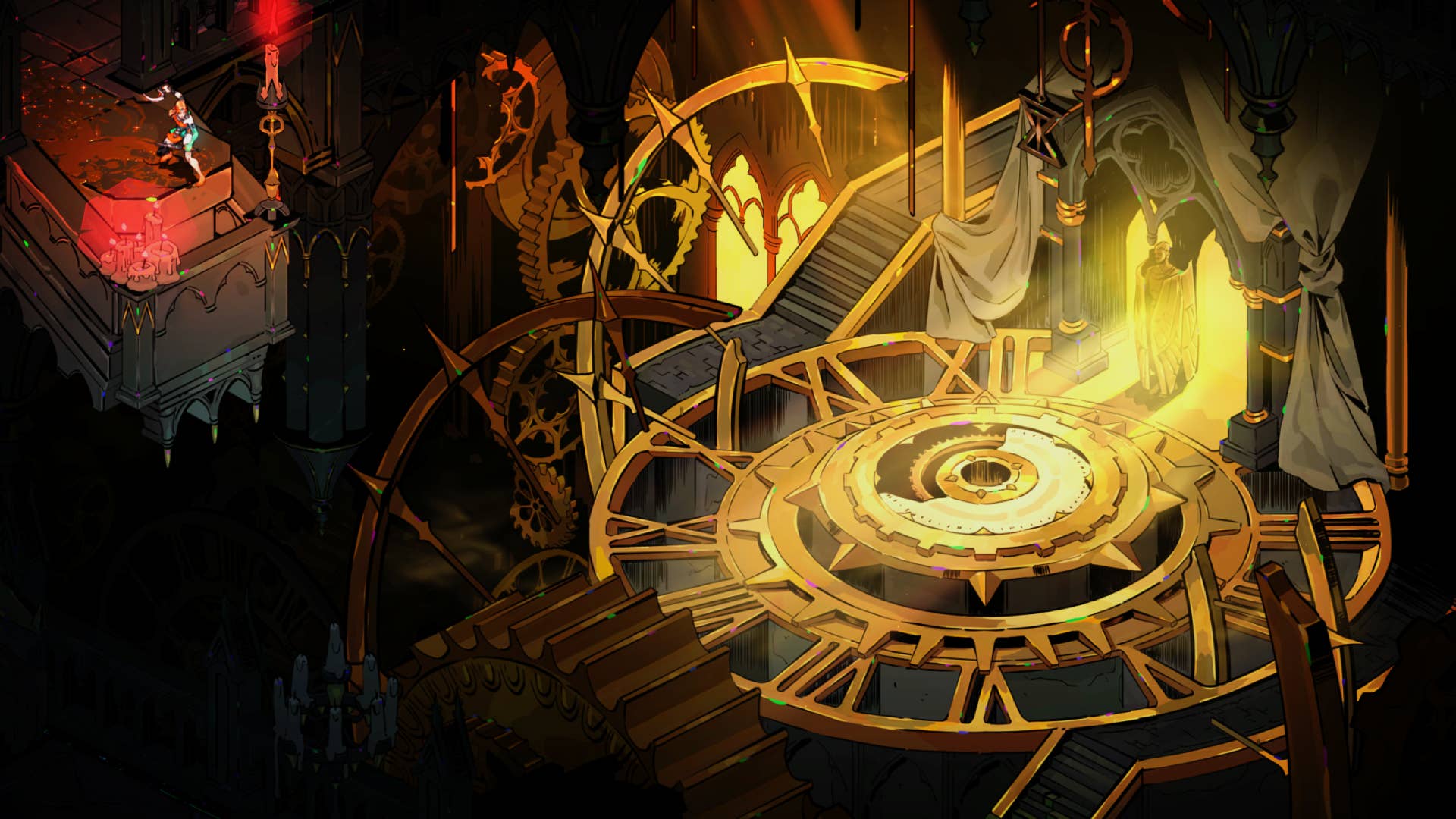
Regardless of your preferred weapons or builds, Hades 2’s beautifully designed environments—my favorite being the ship battles within the Rift of Thessaly—culminate in the long-awaited true ending in version 1.0. While I’ll avoid specific spoilers (spoiler warning!), it’s an ending that may divide players. On one hand, the Hades series has always emphasized family reconciliation, and the ending successfully delivers on this theme. However, the method of Chronos’s defeat might not provide the satisfying retribution many players anticipate.
Ultimately, Hades 2 isn’t defined by its ending. The journey itself is the defining factor, and the fully realized game offers the epic scope and constant surprises I had hoped for. Even players who experienced the early access version will find ample reasons to return to this worthy successor to the roguelike underworld throne. Similar to its siren song, Hades 2 risks becoming repetitive, but its masterful design ensures that it remains engaging and enjoyable.
While Melinoë views her quest to defeat Chronos as a solemn task, Hades 2’s brilliance lies in its ability to make playing feel effortless, thanks to Supergiant’s dedication to refining and expanding the game over the past year.