
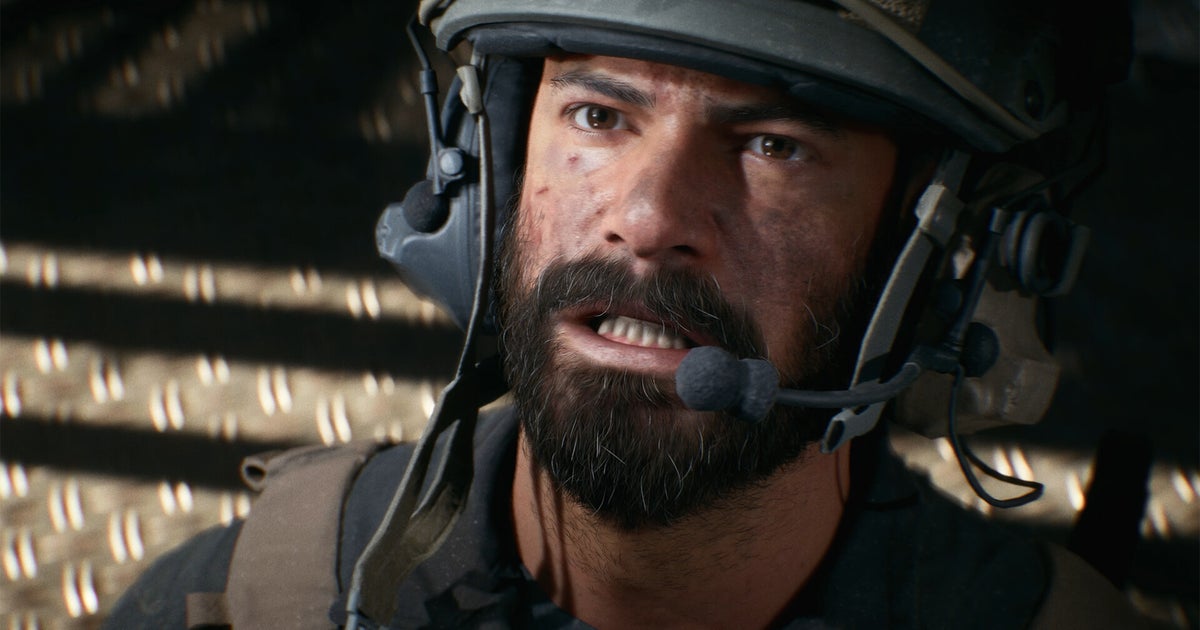
The upcoming first-person shooter, tentatively titled Battlefield 2025 (or Battlefield 6), distinguished itself by allowing a select group of players early access long before its official release. Unlike typical beta tests close to launch, this was a deliberate move to involve the gaming community early on. The goal was to gather player feedback and implement changes to enhance the final product.
This experiment was, of course, limited to the game’s multiplayer component. Consequently, the single-player campaign of Battlefield 2025 has remained largely shrouded in mystery. Opportunities to experience or examine the single-player mode have been scarce until recently.
During a recent digital preview event, I had the chance to explore the single-player campaign of Battlefield 2025 for several hours. The preview included three complete missions, offering glimpses into the game’s storyline, world-building, and central plot elements.
One of the most noticeable aspects of the Battlefield 2025 campaign is its structural resemblance to that of Battlefield 4. Players are almost always accompanied by at least one squadmate. Frequently, a full squad is present, allowing players to issue commands such as deploying smoke cover, identifying targets, using explosives, or directly engaging enemies.
These commands are easily accessible through a streamlined command interface, and the game cleverly assigns roles based on the multiplayer class archetypes (Assault, Support, etc.). This adds a sense of consistency and cohesion between the single-player and multiplayer experiences.
However, similar to BF4, the squad-based gameplay dynamic can become repetitive. Even on the “Veteran” difficulty setting (one step below the highest), encounters were manageable with careful planning and target selection. The “spotting” command was used most frequently, along with occasional smoke deployment when traversing open areas.
While these commands are beneficial, their overuse can detract from the experience. The spotting feature, in particular, felt overpowered, highlighting nearly every enemy in the immediate area with a single button press. This diminishes the challenge of locating hidden threats, such as snipers suppressing the squad. The advantage granted by spotting led to a deliberate choice to limit its use during the preview.
The full campaign may incorporate more traditional, linear mission designs similar to those found in the Call of Duty franchise, where squad command elements are less prominent. However, these squad-focused elements shine in the campaign’s more open-ended missions. One such mission places the player in a large, expansive environment, allowing them to freely choose objectives and approaches. These sandbox-style missions are becoming increasingly prevalent and fit the Battlefield series particularly well, given its long-standing emphasis on squad dynamics.
The campaign’s narrative remains a key point of interest. Because the preview missions were selected from different points in the timeline, it was difficult to fully grasp the overall story arc or the relationships between the main characters.
The setup, key characters, and their motivations, however, were compelling. The story depicts a world on the verge of war, with NATO facing internal division as member states align with other nations to form new alliances. This complexity, moving beyond simple East-versus-West conflicts, adds depth and intrigue.
It remains to be seen whether the full campaign will fully integrate these events into the narrative or simply use them as a backdrop. Some dialogue suggests a more serious and relevant connection than initially expected.
The preview build felt like a work in progress, and given the proximity to the anticipated launch, some rough edges raised concerns. While the core gameplay remains engaging, the transitions into and out of scripted sequences felt somewhat unpolished.
For example, cutscenes, even those rendered in real-time, did not display the player’s current weapon. The return of control after cutscenes felt delayed, and in several instances, enemies appeared to be waiting for the player to trigger their actions, creating a sense of artificiality.
Comparing this to the highly polished campaigns of Call of Duty, developed by experienced teams, is unfair. Battlefield Studios may lack the same level of established expertise. Nevertheless, these shortcomings in production quality can impact the player’s ability to fully immerse themselves in the characters and world.
Overall, the Battlefield 2025 campaign preview offered an enjoyable, if somewhat unremarkable, experience. While there may not be a single defining moment, the core Battlefield gameplay remains appealing. If the narrative maintains its intrigue and avoids significant missteps, the campaign could prove to be a worthwhile addition to the game.