
Unlikely Bitcoin Mining Success: Five Solo Miners Win Big in 2025
In an era where Bitcoin (BTC) mining is largely controlled by vast, technologically advanced mining operations, the likelihood of an individual miner discovering a block is incredibly slim. Yet, 2025 has seen some astonishing results.
Five independent miners, operating outside of the usual massive mining collectives, have each successfully mined a Bitcoin block, reaping rewards valued at over $350,000 apiece. While these instances might be unusual, they showcase Bitcoin’s surprisingly level playing field, where even small participants can occasionally triumph over major corporations.
Bitcoin mining involves validating transactions and safeguarding the Bitcoin system through complex cryptographic problem-solving. Massive mining farms with specialized equipment dominate mining, making a lone individual’s attempt to uncover a block—a solo mining venture—extremely rare.
In 2025, the difficulty of mining is at its highest point. A solo miner employing standard equipment faces a success rate akin to winning a major lottery. With the Bitcoin network’s total computing power constantly increasing, the odds of a small-time miner with limited processing capabilities (measured in terahashes per second, or TH/s) successfully mining a block are exceptionally low.
For example, a miner with a 100 TH/s machine, like a high-end Antminer S19, has less than a 0.0001% chance of solving a block on any given day. As a consequence, it could take an independent miner months, or even years, to secure a single block reward.
Did you know? Bitcoin mining began with Satoshi Nakamoto’s “genesis block” on January 3, 2009. The creation of that first block, which awarded 50 BTC, marked the beginning. All subsequent miners have been building upon that original proof-of-work foundation.
Major Solo Bitcoin Mining Wins of 2025
Each of these Bitcoin miners independently cracked a block on their own, earning rewards that are currently valued at approximately $350,000. This is an almost unheard-of achievement in the Bitcoin mining world.
Block 883,181 (Feb. 10, 2025)
An individual Bitcoin miner successfully uncovered a block, receiving a reward of 3.125 BTC, which was worth over $300,000 at the time. On February 10, 2025, the anonymous miner secured block 883,181, which included 3,071 processed transactions. This block generated a total reward of 3.15 BTC.
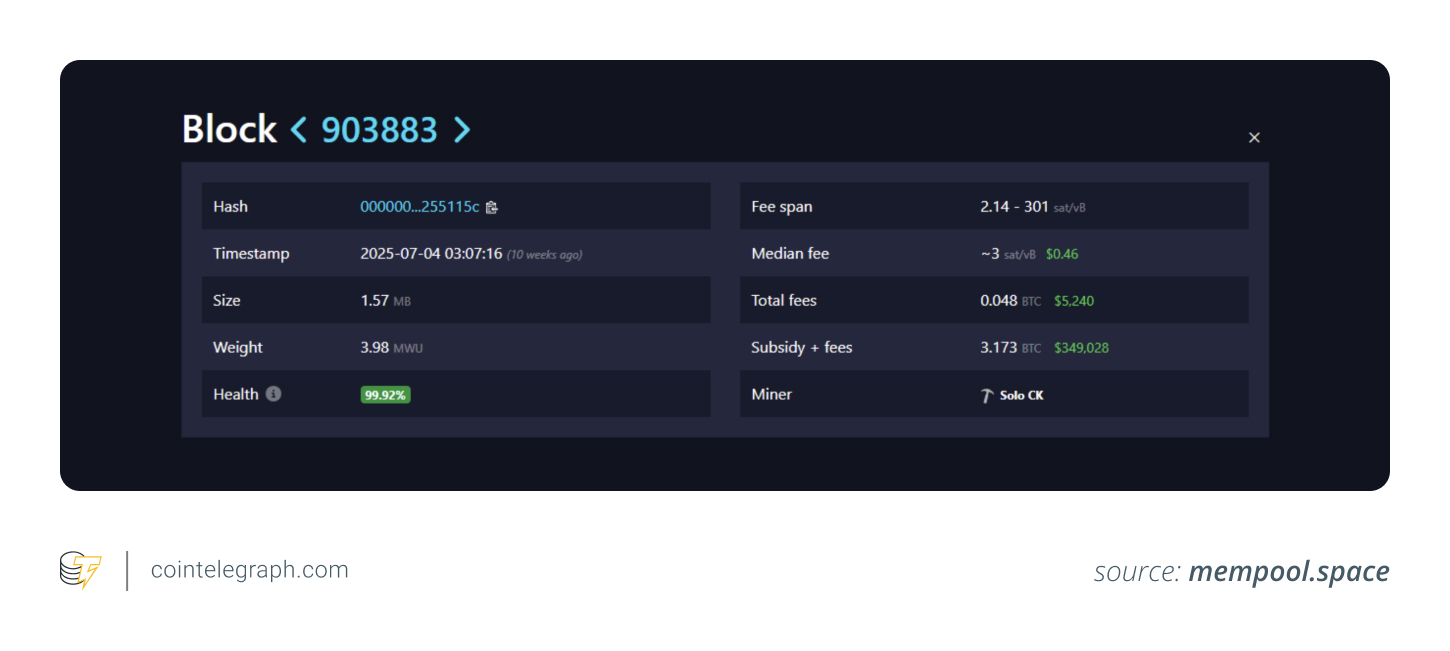
Block 903,883 (July 4, 2025)
On July 4, 2025, a solo miner with a mere 2.3 petahashes per second (PH/s) mined block 903,883 and received 3.173 BTC, valued at about $349,028 at the time. The chances of pulling off this feat were about one in 2,800 per day, or roughly once every eight years for that level of computing power.
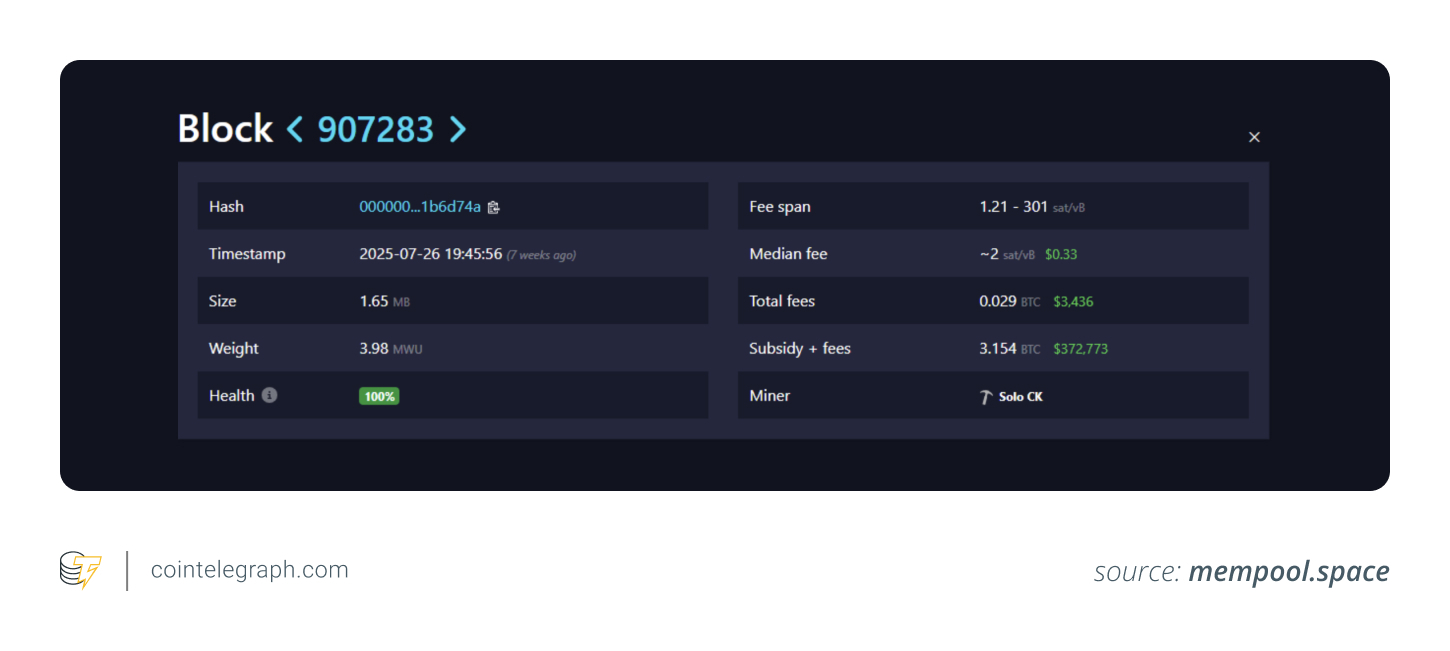
Block 907,283 (July 26, 2025)
Another independent Bitcoin miner, utilizing the Solo CKPool service, successfully mined a block on July 26, 2025. The miner earned a block reward of 3.125 BTC, which was valued at $372,773 at the time. The mined block, number 907,283, included 4,038 transactions and generated $3,436 in transaction fees.
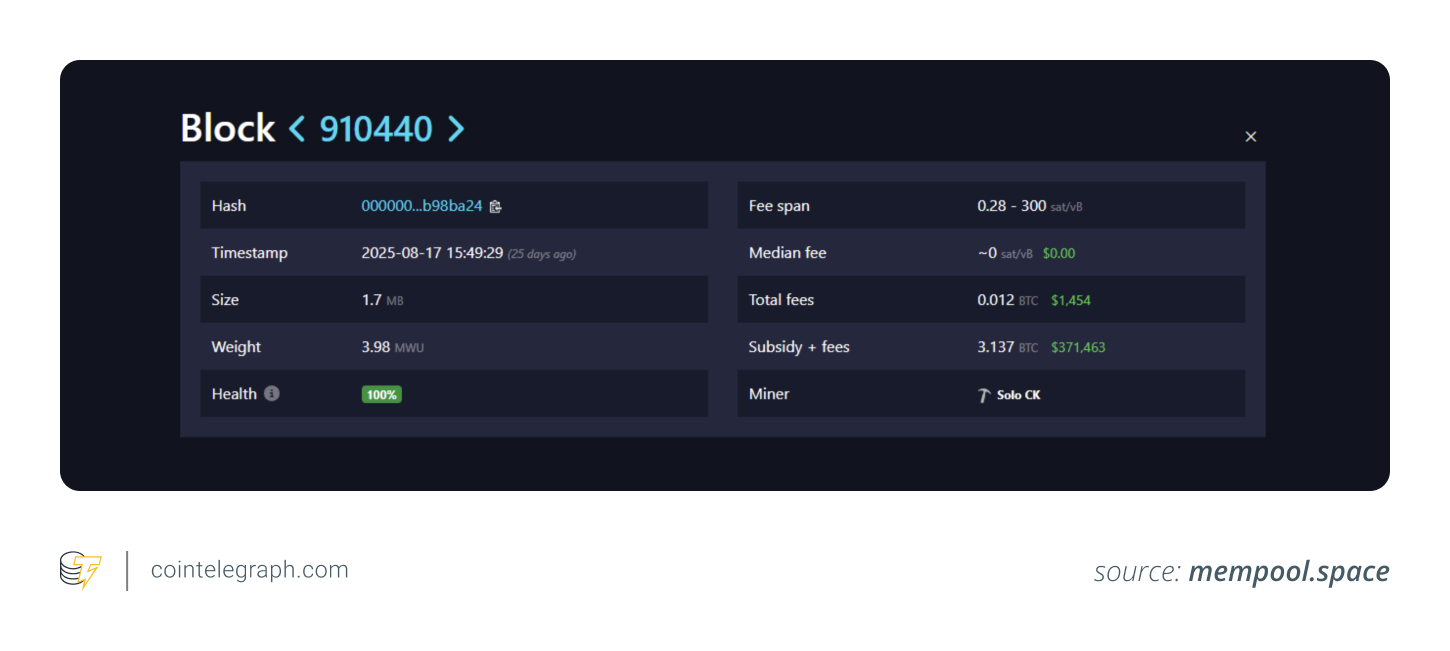
Block 910,440 (Aug. 17, 2025)
On August 17, 2025, another solo miner leveraging Solo CKPool successfully mined block 910,440, collecting the standard 3.125 BTC, approximately 0.012 BTC in transaction fees, and received about $373,000 in Bitcoin rewards. The block contained 4,913 transactions, which totaled $1,455.
Block 913,632 (Sept. 8, 2025)
On September 8, 2025, a lone Bitcoin miner successfully mined block 913,632. The miner was rewarded with 3.14 BTC, then valued at $348,111. This included the standard 3.125 BTC block reward, along with an extra 0.019 BTC from transaction fees. The block incorporated 1,956 transactions.
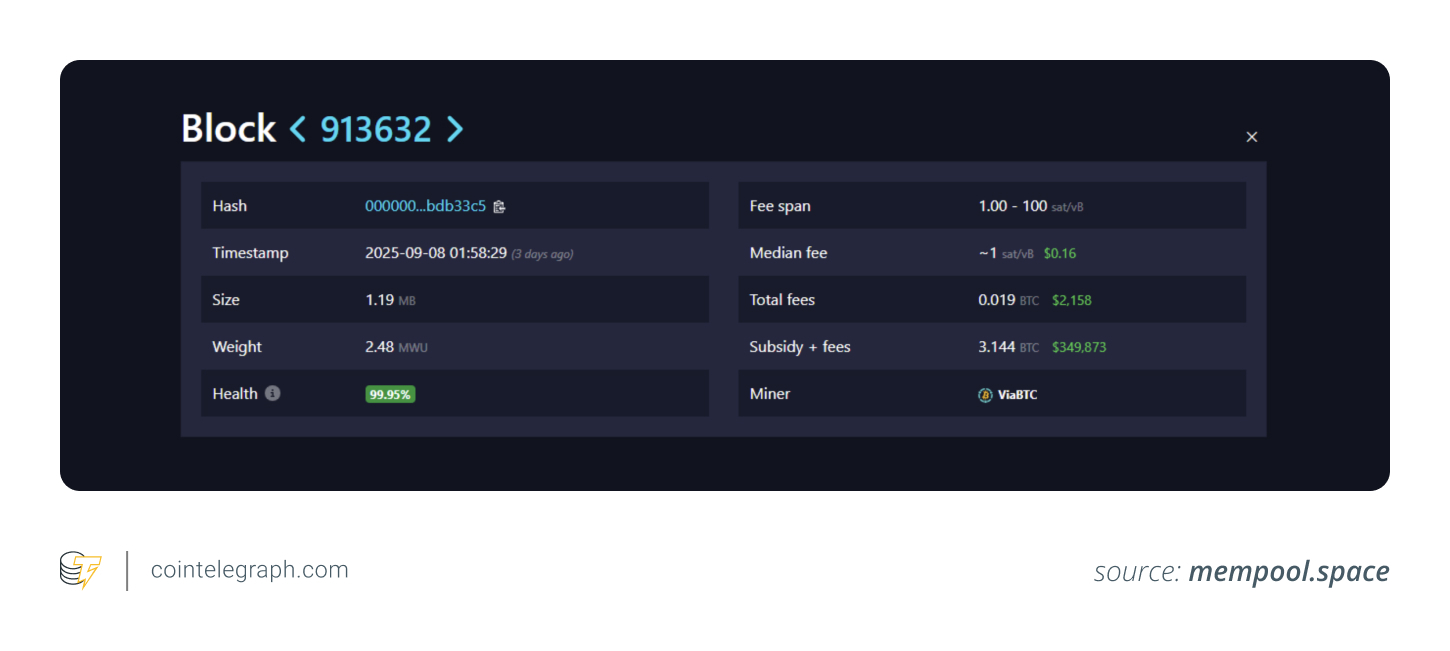
These successes demonstrate how, even with large-scale operations dominating mining, individual miners can still defy the odds and achieve significant financial rewards. Overall, these wins highlight Bitcoin’s distinctive combination of unpredictability, decentralization, and opportunity.
Did you know? Bitcoin block rewards are cut in half approximately every four years. In 2024, the reward dropped to 3.125 BTC per block. Halvings decrease miner revenue but often lead to price increases, generating excitement throughout the cryptocurrency market. These occurrences underscore how mining shapes Bitcoin’s financial policy and scarcity over time.
How Solo Miners Struck Gold in 2025
Individual miners very rarely solve a block successfully. The bulk of Bitcoin blocks are typically validated by large mining firms such as Bit Digital, Riot Blockchain, and Marathon Digital, owing to their immense computing capabilities.
In 2025, solo Bitcoin miners managed to earn block rewards because of a unique combination of network and market dynamics. High levels of on-chain activity resulted in miners receiving not only the usual 3.125 BTC block reward, but also significantly increased fees, which greatly boosted their overall earnings.
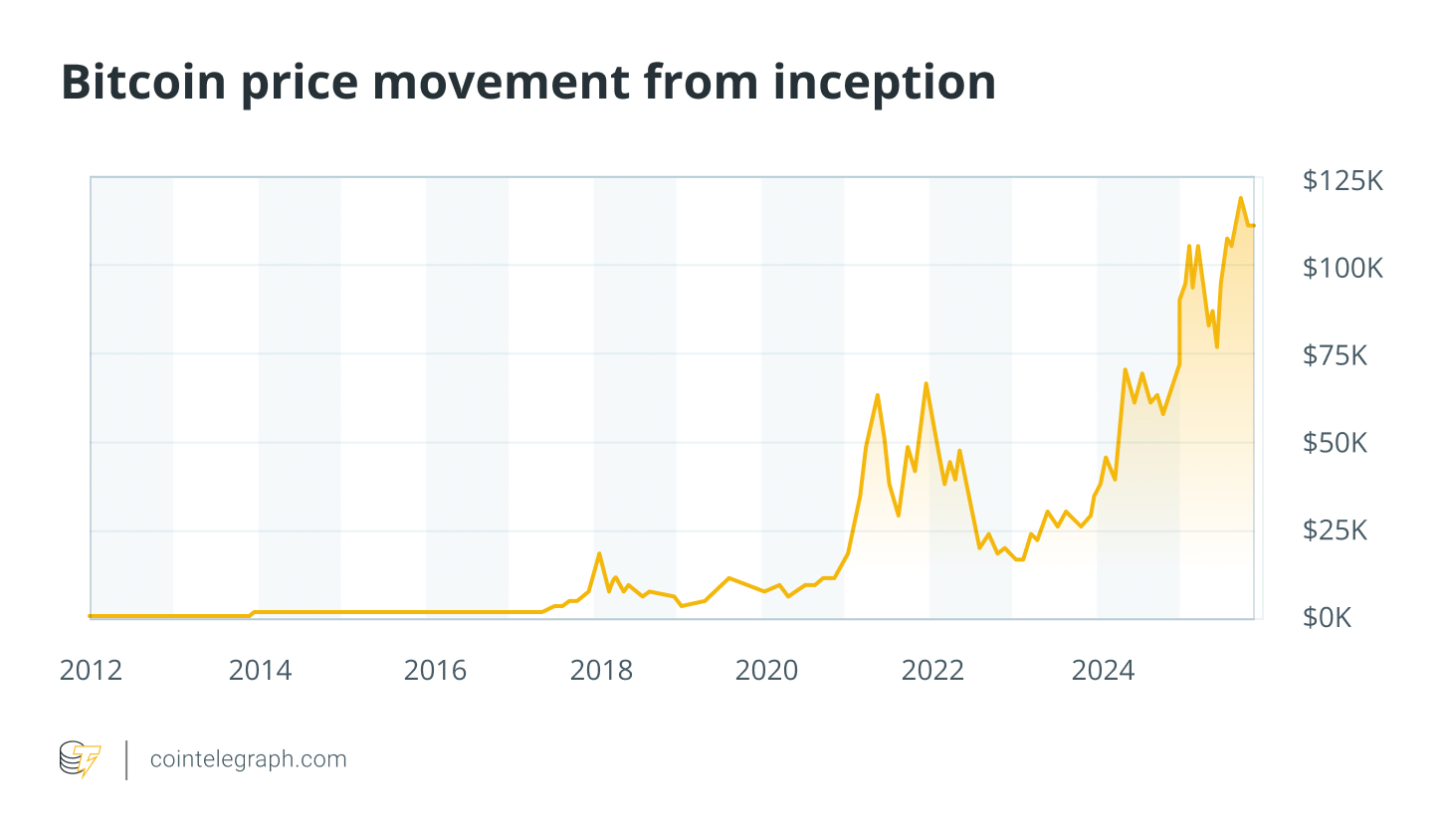
Additionally, Bitcoin’s price has remained consistently around, or above, $100,000 since the beginning of 2025, making the rewards immensely valuable. These earnings stood out because the solo miners were able to secure rewards using small-scale equipment.
Typically, solo miners running just a few rigs face very low probabilities of solving a block. Nevertheless, when they were successful, they gained the same large, fee-boosted rewards that large-scale mining operations enjoy, transforming their modest setups into one-time gains exceeding $350,000.
Bitcoin’s core principle, as outlined in Satoshi Nakamoto’s white paper, has established a fixed supply of 21 million BTC. Over 19 million of these have already been distributed to miners in the form of block rewards.
Did you know? Bitcoin mining consumes a significant amount of electricity, comparable to the annual consumption of some nations. While critics point out the environmental effects, miners are increasingly switching to renewable energy sources, such as hydropower, solar, and geothermal.
The Critical Role of Hash Rate in Bitcoin Mining
Hash rate is a vital component in Bitcoin mining, measuring the total computing power that’s being used to solve the network’s complex cryptographic puzzles. A greater hash rate enhances the security of the network, making it much harder for malicious entities to manipulate transactions.
For miners, the hash rate determines their probability of successfully mining a block. Large mining pools combine hash rates, improving their chances of earning consistent rewards, while solo miners with lower hash rates face considerably smaller odds. The Bitcoin network adjusts its mining difficulty every 2,016 blocks in order to maintain an average block time of about 10 minutes, irrespective of the total computing power involved.
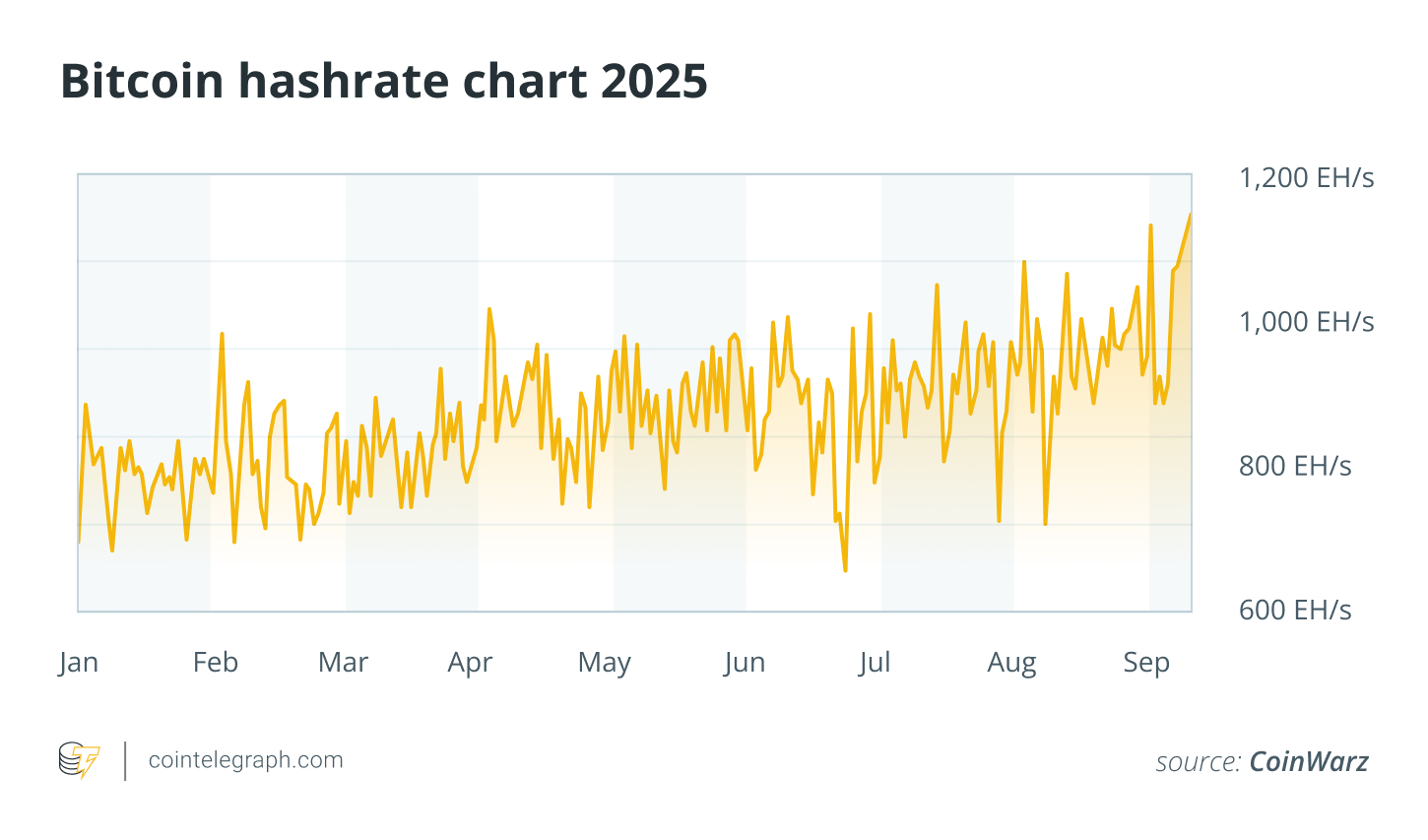
This adjustment ensures fairness and stability, but it also heightens competition as the overall global hash rate rises. In general, hash rate is indicative of both the security of the Bitcoin network and the economic feasibility of mining.
According to CoinWarz, on January 1, 2025, the hash rate on the Bitcoin network was 702.8319 exahashes per second (EH/s), rising to 1,285.6948 EH/s by September 20, 2025. This reveals how mining difficulty on the Bitcoin network is consistently climbing.
Tools and Platforms Enabling Bitcoin Miner Success
Platforms like Solo CKPool provide the technological foundation necessary for independent miners to connect directly to the Bitcoin network. Unlike large mining pools that divide rewards among a large group of members, these platforms allow an independent miner to receive the full payout if they happen to successfully solve a block.
This approach supports decentralization while providing reliable connections and robust software support. Yet the road is challenging. Independent miners have significant costs to contend with, including energy expenses and the purchase and maintenance of ASIC hardware, all while competing against a worldwide network offering immense computational power. The odds of success are very slim, requiring a high degree of patience, as many miners may never manage to solve a block.
Nevertheless, the potential for earning significant rewards, particularly when transaction fees are high, makes the effort worthwhile for some. These platforms create opportunities for independent miners, facilitating remarkable victories against daunting odds.
These independent successes in Bitcoin mining are a reminder of the network’s open and permissionless nature. Satoshi Nakamoto, the visionary creator of Bitcoin, conceived of a decentralized network where anyone with computing power could mine and compete for block rewards. These wins indicate that successful Bitcoin mining isn’t solely the domain of mining pools, and that even smaller, independent miners can achieve success.