

After diving into the premiere of Critical Role Campaign 4, it seems the “West Marches” label initially associated with this new chapter in the popular franchise wasn’t quite on the mark. While this latest Dungeons & Dragons adventure, set in Brennan Lee Mulligan’s Aramán, is shaping up to be an engaging and grand narrative, the opening episode suggests it deviates from the classic West Marches structure.
Campaign 4 boasts a large ensemble cast of 13 individuals, participating in a rotation across three distinct groups. This rotating player concept echoes the core idea behind a West Marches campaign, a format innovated by game designer Ben Robbins. However, the way Critical Role is executing this differs substantially from the traditional West Marches style. But if West Marches campaigns pique your interest, and you’re thinking about running one yourself, don’t worry. I have you covered with some insightful tips.
The “West Marches” name originates from a campaign conceived by Ben Robbins (renowned for creating games such as Microscope and Kingdom). Addressing the common challenge of inconsistent player availability, Robbins pioneered a system devoid of a fixed player group. Utilizing a large pool of players, he empowered them to schedule game sessions independently. A game would occur organically once a sufficient number of players committed to a date.
The beauty of a rotating “cast” is its accessibility for players: availability, be it weekly or monthly, doesn’t preclude participation. However, for the Dungeon Master (DM), this necessitates a specific approach to campaign design. West Marches, at its essence, is a sandbox environment where players are free to roam the world, unconstrained by a rigid plot. Each session culminates with a return to civilization for rest and subsequent planning. This is necessary to manage a game with fluctuating players and spontaneous scheduling. Envision constructing a grand, intricate storyline filled with antagonists, factions, and pivotal plot points, all while being uncertain of the protagonists present at any given moment.
Most DMs have likely experienced sessions ending on critical cliffhangers involving particular characters, only to discover the player controlling that character is unavailable for the following session. It’s akin to Frodo needing a break from Mount Doom before destroying the Ring. West Marches circumvents this by essentially removing the overarching plot. That doesn’t mean a West Marches campaign lacks a narrative. According to Robbins: “There was history and interconnected details. Tidbits found in one place could shed light elsewhere. Instead of just being an interesting detail, these clues lead to concrete discoveries.”
Initially, a similar, organic unfolding of lore was anticipated for Critical Role Campaign 4, shaped by player actions in each episode. However, this assumption proved inaccurate. Episode 1 brims with established lore, and a compelling, dominant storyline directs the characters’ actions. This is not to say it is bad, but West Marches offers a notably different experience compared to many D&D adventures, one worth exploring at least once.
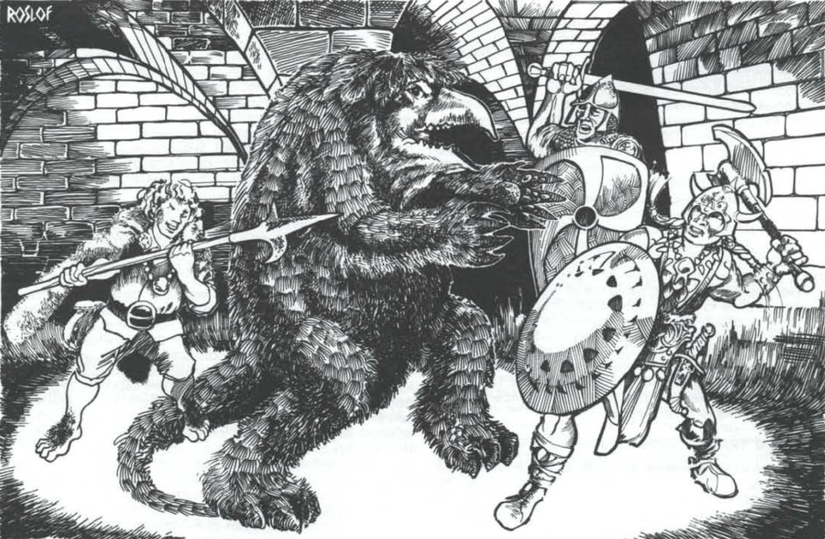
For my initial homebrew D&D campaign, I took inspiration from the classic The Keep on the Borderlands D&D module, which also served as inspiration for Robbins’ West Marches. The players found themselves in a frontier outpost, a traditional “edge of civilization” setting. They had the option of exploring the surrounding untamed lands, guided by quests acquired in town or driven by their own interests. If you are attempting to run a location-based playstyle like this, ensure the wilderness is filled with interesting locations. The biggest fear is that the players will say, “Today we want to explore the mysterious ruins,” and the DM is empty-handed.
As a proponent of strong narratives, I integrated multiple hooks for an overarching story into both the town and the wilderness. Although aimless sandbox campaigns can grow old, Robbins highlighted a crucial aspect when discussing the birth of West Marches: “My motivation in setting things up this way was to overcome player apathy and mindless ‘plot following’ by putting the players in charge of both scheduling and what they did in-game.”
The takeaway is that maintaining a balance between the DM’s guidance and player agency is vital, regardless of the campaign style. Whether constructing a deadly dungeon or influencing the world’s destiny in a Critical Role-esque campaign, prioritize what the players want. You provide the setting, they decide on the adventure.

Now might be the perfect moment to launch a West Marches adventure. D&D’s new starter set, Heroes of the Borderlands, revisits the Keep, providing the perfect starting point for new players. The suggested add-on (inspired by Polygon’s review!) suggests ways to make the quests more connected, but the content still serves as the core of a sandbox campaign that you can expand.
The best part of the original West Marches is the interaction between the rotating players. The town tavern had a map where adventuring parties could add information and sketch areas that they explored. This allowed the players to organically build a world as they explored it. If you’re a DM trying to build your world or homebrew campaign, West Marches could be for you.