
July 18, 2025
| Updated July 18, 2025
| KEY POINTS: |
| — What started as a simple hobby has transformed into a sophisticated, competitive business. Large corporations equipped with advanced tech now dominate the field of Bitcoin mining.
— Launching a Bitcoin mining operation from your residence will necessitate hardware like specialized ASIC miners and advanced cooling systems. Initial setup expenses could range from approximately $2,630 to as much as $23,850. — Although challenging to turn substantial profits given the high costs and competition, home-based mining continues to support Bitcoin’s secure and decentralized structure. |
The creation of new Bitcoin and the security of transactions on its digital ledger rely on a process called Bitcoin mining. In Bitcoin’s earliest phase, mining was a straightforward pursuit achievable for anyone with a standard personal computer.
However, the landscape of Bitcoin mining has undergone a significant metamorphosis.
The current mining scene is heavily influenced by powerful, purpose-built computers known as ASICs (Application-Specific Integrated Circuits). Large-scale, professionally managed data centers benefiting from access to inexpensive power have become the norm.
As a result, individual miners face considerable challenges in realizing profits. Even so, Bitcoin mining’s role in upholding Bitcoin’s security and its decentralized nature makes it a vital and pertinent activity.
Let’s delve deeper into the core of Bitcoin mining, examining its functionality and the necessary steps for mining Bitcoin from your own home.
Understanding How Bitcoin Mining Functions
Bitcoin mining is responsible for both the maintenance and security of the Bitcoin blockchain. It ensures the creation of new Bitcoin and protects the system from manipulation, making it pivotal for the reliability and decentralization of Bitcoin as an emerging global financial solution.
Bitcoin miners, either individuals or enterprises managing specialized computing systems, utilize considerable electrical power through high-performance hardware (including advanced GPUs or ASICs) to validate transactions by resolving intricate mathematical problems, a method defined by the Proof-of-Work (PoW) mechanism.
The successful solution of these complex puzzles results in the awarding of newly minted Bitcoins to the miners—currently set at 3.125 BTC per block—in addition to transaction-related fees.
Here is a simplified breakdown of this process:
The Bitcoin Blockchain and Proof-of-Work System
As likely known, the Bitcoin blockchain operates as a transparent record of all Bitcoin transactions. Miners select unconfirmed transactions from the mempool, a temporary holding area, and compile these into new blocks.
To anchor each block securely to the blockchain, miners must tackle a tough math problem that calls for numerous attempts to find the correct answer (“nonces”). These attempts are processed via a cryptographic hash function (SHA-256), until a matching hash is discovered.
In essence, Bitcoin miners engage in a race to solve a difficult puzzle by making rapid, educated guesses. The first miner to pinpoint the correct number is authorized to add their batch of transactions to the blockchain and receive new bitcoins as a reward.
The Significance of Bitcoin Mining
Bitcoin mining is crucial not just for generating new coins but also for ensuring the security of the network and preventing double-spending scenarios.
The intensive computational power needed for mining makes it exceedingly difficult to manipulate blockchain records. Additionally, mining promotes Bitcoin’s decentralization by distributing control amongst numerous independent entities, rather than centralizing authority.
The Bitcoin system is designed to adjust the difficulty of mining every two weeks, aiming to maintain a consistent block production rate of roughly one block every 10 minutes.
Moreover, the reward for each block is reduced by half every four years, which challenges miners to decrease their operational costs or anticipate substantial Bitcoin price increases to maintain profitability.
How to Start Bitcoin Mining at Home
If you’re thinking about “how to start mining bitcoin“?, this guide is designed to provide essential considerations before you invest in the required hardware.
Let’s explore the essential equipment you’ll need and strategies for optimizing your setup.
Essential Hardware for Mining Bitcoin at Home
In earlier years, Bitcoin mining was accessible to individuals using standard computers from any location with a power outlet—be it a home, garage, or small office.
As Bitcoin’s popularity surged, mining complexity increased, demanding specialized, high-powered equipment and considerable electricity. Greater adoption prompted the network to automatically ramp up mining difficulty to regulate block creation times and manage the creation of new Bitcoin.
The growing interest in Bitcoin mining leads the network to escalate the problem’s difficulty, making it more challenging to find new Bitcoin—akin to a puzzle that becomes progressively harder. Consequently, competing effectively necessitates high-performance computers and substantial electricity consumption.
Today, Bitcoin mining is predominantly conducted by large corporations operating extensive data centers.
Therefore, how does one engage in home Bitcoin mining given the increasing difficulty? Despite these challenges, mining Bitcoin from home retains specific advantages.
Beyond potential profits, home miners contribute to Bitcoin’s decentralized structure, enhancing the network’s resilience and security. Furthermore, having complete control over your setup and rewards enables you to safeguard your earnings without reliance on external entities. Consequently, although competition is fierce, home Bitcoin mining remains significant for those prioritizing genuine financial independence.
Interested in creating a home Bitcoin mining setup? Here’s what you need to know:
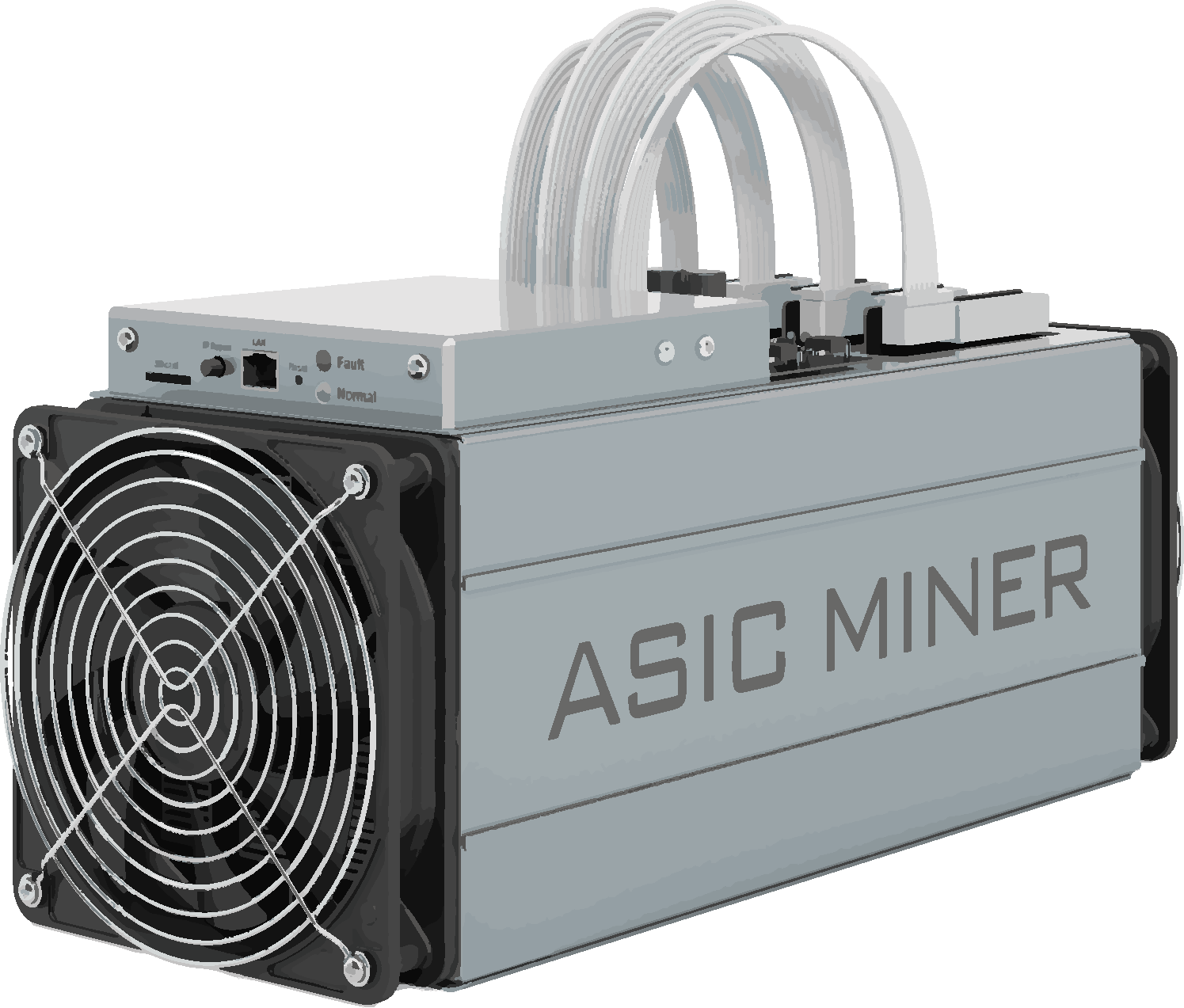
ASIC Miners
ASICs represent the standard for economically viable Bitcoin mining. These specialized devices are engineered specifically for Bitcoin’s SHA-256 hashing algorithm.
This algorithm converts data into secure codes to safeguard and confirm transactions, providing enhanced efficiency compared to conventional computers.
Leading ASIC manufacturers include Bitmain (Antminer), MicroBT (Whatsminer), and Canaan (AvalonMiner). Notable high-performance models like the Antminer S21 Pro (234 TH/s) or Whatsminer M66S (298 TH/s) boast excellent efficiency, measured in joules per terahash (J/TH).
The prices of these devices can vary significantly, ranging from approximately $2,000 to over $17,000.
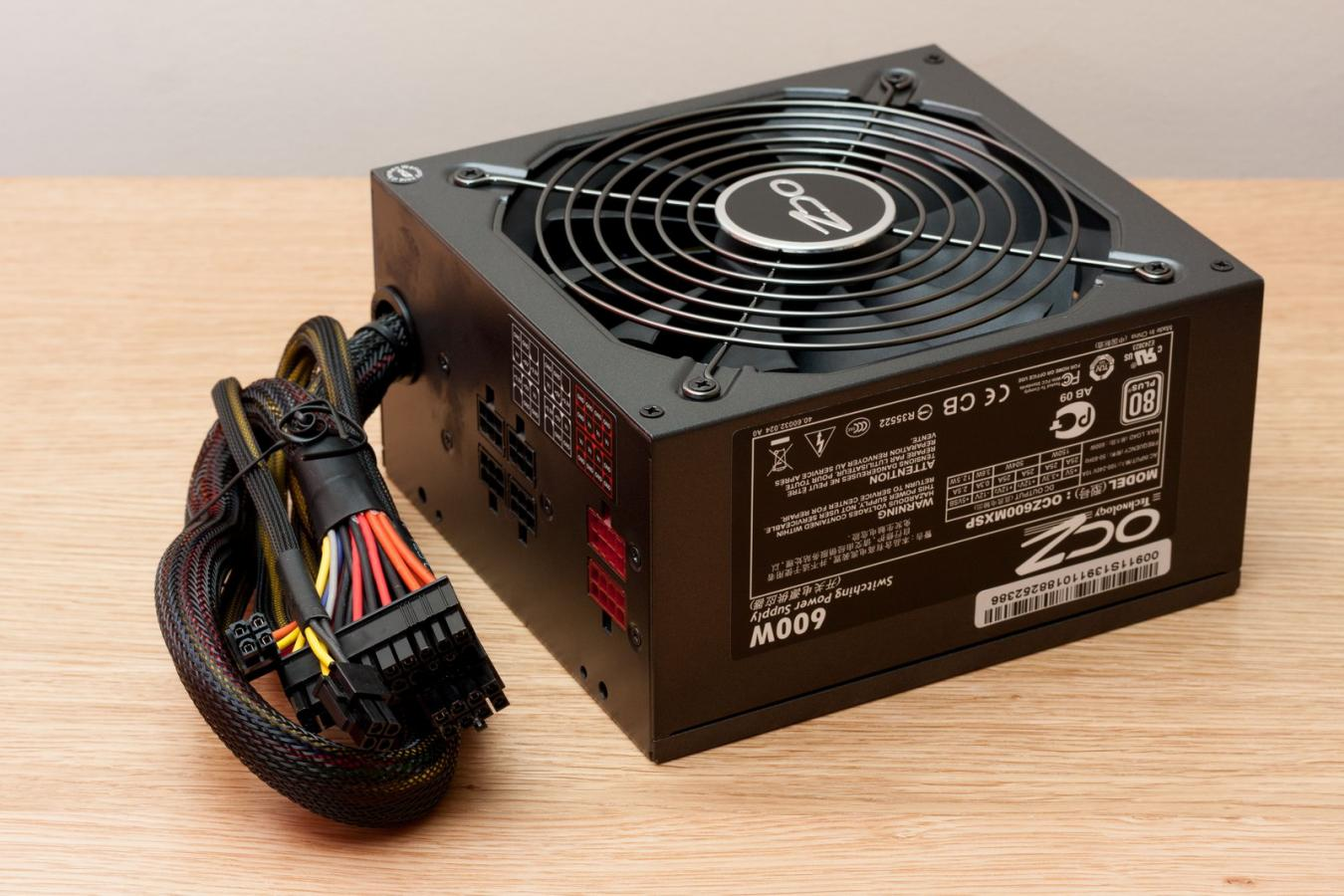
Power Supply Units (PSUs)
ASIC miners usually require separate, tailor-made PSUs. When selecting a PSU, consider these factors:
- Wattage: Opt for a PSU that is rated at least 20% above the miner’s continuous power usage.
- Efficiency: More efficient PSUs reduce electricity waste and cut down on operational costs.
- Voltage and Input: The majority of mining PSUs perform best at 200-250VAC, calling for a suitable home electrical configuration.
PSUs usually cost between $50 and $300.
Additional Hardware Necessities
Beyond ASIC miners and PSUs, a home mining setup needs:
- Cooling Solutions: Similar to other advanced CPU configurations, these prevent overheating and extend hardware life.
- Reliable Internet Connection: A wired Ethernet connection is preferred over Wi-Fi because it provides a faster, more stable, and more reliable connection with lower latency.
- Temperature Monitoring Systems: To keep track of heat levels and prevent damage.
- Surge Protectors: To provide protection against power spikes.
- Backup Generators: To ensure uninterrupted operations during power outages.
Allocate between $630 and $5,850 combined on these extras. Enhanced solutions like immersion tanks, high-end soundproofing, or a premium home backup generator may push the total above $10,000 USD.
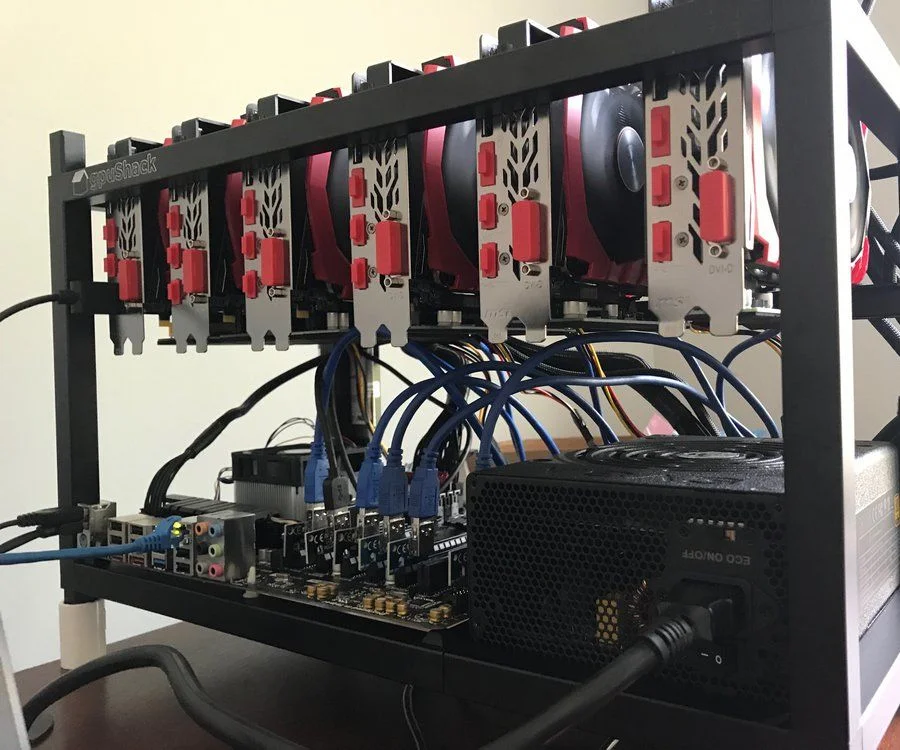
A complete home BTC Mining setup
Optimizing Your Home Bitcoin Mining Setup
Managing Heat
ASICs generate a significant amount of heat. Effective thermal management strategies include:
- Strategic Location: Choosing well-ventilated, cooler locations removed from living spaces.
- Improved Airflow: Incorporating external fans, customized ducting, or modern HVAC systems.
- Immersion Cooling: Submerging ASICs in special coolant to eliminate noise, greatly reduce heat, and prolong hardware life.
Basic fans can cost between $50 and $500 depending on power and size. Immersion cooling may range from $2,000 to $10,000 for a home setup.
Noise Control
ASIC miners produce significant noise (75-90 dB), which necessitates soundproofing, a separate space like a garage, or specialized cooling methods. Strategies to reduce noise include:
- Using acoustic materials for soundproofing.
- Moving miners to separate locations like garages or basements.
- Utilizing advanced cooling methods like immersion cooling for complete noise elimination.
Soundproofing can cost $100–$1,000 for small spaces, while building a detached structure could cost from $500–$5,000 based on materials and size.
Bitcoin Mining Software and Network Configuration
Mining software is essential for coordinating the miner’s activity and connecting it to the Bitcoin network. Popular choices include CGMiner, BFGMiner, and EasyMiner. Regular firmware updates ensure optimal performance.
While mining software such as CGMiner and EasyMiner is generally free, establishing a robust wired Ethernet connection for optimal network performance might require an investment of $50–$200 for essential cables, routers, and adapters.
Bitcoin Miner Codes
Bitcoin miner codes serve as customizable settings within your mining software, designed to optimize the performance of your specialized hardware, such as ASIC miners. These adjustments, impacting computational intensity and fan speeds, enhance mining efficiency and speed, maximize Bitcoin earning potential, and prevent overheating or system malfunctions.
Solo vs. Pool Mining
- Solo Mining: Independent miners retain the entire block reward upon success. However, the probability of single-handedly discovering a block is very low.
- Pool Mining: Joining a mining pool greatly improves the chances of consistent payouts. Miners share rewards relative to their contributed computing power. Pools typically charge modest fees, typically ranging from 1-2.5%.
Home miners should typically opt for pool mining. Joining a pool, which charges 1-2.5% fees on rewards, is more economical for home miners than solo mining, which doesn’t impose fees but has minimal success potential.
If the question of how long it takes to mine 1 Bitcoin comes to mind, it is important to recognize that doing so independently could span years unless you possess an extensive array of machines.
To mitigate this, many join mining pools where earning 1 BTC may take weeks or months through shared rewards.
The Bitcoin network currently distributes 3.125 BTC every 10 minutes to a miner or pool of miners who successfully mine a new block, with that reward divided among participants. With competition and increased energy costs, solo mining is typically not profitable for the average user.
Internet Stability
A dependable internet connection is critical. Mining doesn’t need vast bandwidth, but continuous uptime is vital to avoid losing mining shares. Wired Ethernet provides more reliability compared to Wi-Fi.
Ensuring stable internet for mining includes a one-time expenditure of $50–$300 on a high-quality Ethernet router or switch, alongside monthly internet plans typically ranging from $30–$100 for reliable, consistent uptime.
How to Protect Your Bitcoin Mining Earnings
Bitcoin acquired through mining must be stored safely. Wallet options include:
- Hot Wallets (Software-Based): Convenient for frequent transactions but prone to hacking incidents.
- Cold Wallets (Hardware-Based): Offline storage provides greater security. Ledger devices fall into this secure category and combine ease of use with a secure security model that has never been compromised.
Using a non-custodial hardware wallet is advised for storing mining earnings safely.
How Much Will it Cost to Mine Bitcoin at Home?
If you’re considering home Bitcoin mining, recognize that costs extend beyond initial equipment purchases such as the ASIC miner and mining software. Ongoing maintenance also adds to long-term operational expenses. Let’s dissect these costs:
Initial Setup Costs
For those considering Bitcoin mining from home in 2025, financial viability hinges on balancing high initial and ongoing costs against prospective gains in an environment of high competition. Starting a home mining operation might range from $2,630 to $23,850 upfront.
Please review the chart provided below for a detailed breakdown:
| Item | Cost Range (USD) | Details |
| ASIC Miner | $2,000 – $17,000 | Examples: Antminer S21 Pro, Whatsminer M66S. Efficiency is determined by measuring J/TH. |
| Power Supply Unit (PSU) | $50 – $300 | Select a PSU with at least 20% greater wattage than the power the miner will use. |
| Cooling Solutions | $50 – $500 (fans) | Essential fans to keep hardware from overheating. Immersion cooling could cost up to $10,000. |
| Noise Control (Soundproofing) | $100 – $1,000 | Costs of soundproofing materials; building a separate, external structure may range from $500–$5,000. |
| Ethernet and Internet Setup | $50 – $300 | Purchasing a high-quality router, Ethernet cables, and other network accessories. |
| Mining Software | Free | Download free software like CGMiner or EasyMiner. |
| Miscellaneous (Surge Protectors, Backup Generators) | $30 – $500 | Additional supplies to guarantee continuous functionality. |
| Total Setup Cost | $2,630 – $23,850 | Comprehensive setup costs for mining Bitcoin at home will fluctuate with hardware quality and extent of the operation. |
Ongoing Operational Costs
- Electricity: The highest ongoing expense. Profitability relies on electricity rates under $0.05/kWh.
- Internet: A necessary but minor operational expense.
- Maintenance: Continual expenses to address heat, replace parts, and perform standard upkeep.
- Pool Fees: A minimal but essential cost, necessary when joining a mining pool.
Maintenance expenses for Bitcoin mining at home, which include heat management, replacement of damaged parts, general upkeep, and pool fees, might typically total from $60–$300 monthly.
BTC Mining: Will You Profit?
For those interested in mining BTC from home, its profitability pivots on three main aspects:
- Electricity prices: As mining computers consume a great deal of energy, lower prices decrease your running costs, greatly increasing potential profits.
- Efficiency of Mining Computers: More efficient hardware can do more calculations using the same amount of power, increasing your mining capacity for the same energy input.
- BTC Market Price: When the price of Bitcoin increases, the value of mining rewards increases as well, increasing the profit margin, and vice versa.
Also, the complexity of mining changes over time, and Bitcoin halving events reduce the BTC reward for discovering a block, making it harder to profit unless Bitcoin’s price greatly increases. Utilize a profitability calculator to project revenue and make informed investment decisions.
Bitcoin Mining: Threats and Hurdles
Market-Related and Operational Threats
- Instability: Fast BTC price swings affect profitability.
- Adjustments to Difficulty: Continually increasing network difficulty will decrease potential earnings over time.
- Regulatory Challenges: Evolving rules and tax laws worldwide could impact profits.
Environmental and Social Concerns
- Energy Consumption: Elevated energy consumption raises environmental concerns.
- Noise and Heat: These significantly impact home comfort and hardware life.
Alternatives to Bitcoin Mining at Home
For prospective Bitcoin miners eager to bypass the upfront setup expenses, continuous noise, considerable heat production, and regular maintenance linked to home-based mining rigs, consider that there are alternative ways to mine Bitcoin.
Cloud Mining
With cloud mining, you rent computational power from a distant data center, entirely outsourcing hardware and operations. You avoid hardware setup, electricity bills, and the noise involved. Yet, watch out for possible scams. Since you rely on the provider’s honesty, the potential is high for encountering Ponzi schemes that own no actual hardware. Profits are generally lower because high provider fees eat into earnings, and no control over efficiency or response to market changes exists.
Hosted Mining
Hosted mining means you own the mining equipment but pay a specialized facility to house and manage it. This balances control—since you own the hardware—with expert management. It may result in greater profits as these large facilities gain from economies of scale, gaining reduced electricity costs and significant discounts on equipment and cooling, something individual miners cannot secure. However, purchasing the hardware involves a higher initial investment and ongoing payments to the hosting provider.
Bitcoin Mining vs Bitcoin Nodes
Both mining and running a BTC node secure and validate the Bitcoin network by enforcing rules, just in distinct ways.
Bitcoin mining and running a Bitcoin node fulfill distinct functions in the network.
Mining focuses on profit, utilizing specialized hardware to solve puzzles and add new blocks to the blockchain, earning newly minted bitcoins and transaction fees. For individuals lacking cheap electricity or industrial setups, home mining functions more as a challenge or hobby than a business.
Running a Bitcoin node doesn’t yield Bitcoin. However, it grants you control. A full node confirms all blockchain transactions and blocks, ensuring your Bitcoin is valid and consensus-abiding. It offers privacy, boosts network decentralization, and eliminates the need to trust third parties.
Relative to mining, operating a node is less costly, involves less upkeep, and is highly recommended for those holding Bitcoin seriously.
Bottom Line: Bitcoin mining is about earnings, nodes are about chain empowerment.
Conclusion
For 2025, home Bitcoin mining demands careful evaluation of costs, operational hurdles, and market dynamics.
While achievable, profitability is typically marginal and highly affected by electricity costs, hardware efficiency, and competition. Home mining is more viable as a hobby or contribution to decentralization than as a source of reliable income.
Acknowledging these details will help people properly evaluate if home mining aligns with their plans and resources.